Mini-split Tune-up in Greensboro, FL

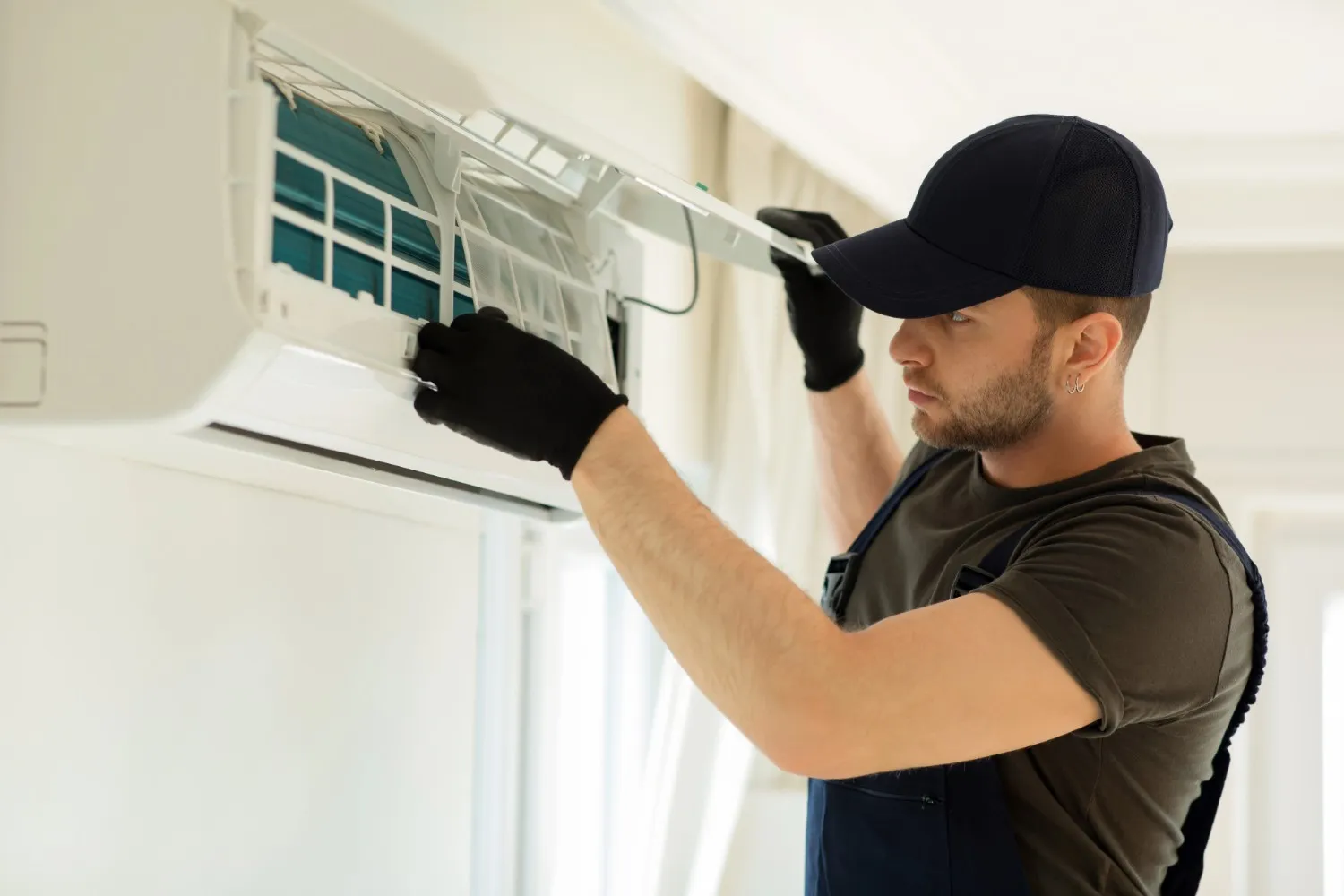
A professional mini-split tune-up for Greensboro, FL homes ensures reliable cooling, efficient operation, and steady humidity control during hot, pollen-heavy seasons. The service includes a comprehensive inspection, filter and coil cleaning, condensate system checks, refrigerant and pressure testing, electrical safety checks, thermostat calibration, vibration and mounting review, and a performance test with a written findings report. Regular, typically annual maintenance preserves warranty coverage, reduces energy use, prevents mid-season breakdowns, and keeps indoor air clean. Expect a detailed baseline and clear repair recommendations after diagnostics.
Mini-split Tune-up in Greensboro, FL
Keeping your mini-split running reliably and efficiently is especially important in Greensboro, FL, where hot, humid summers and seasonal pollen place heavy demands on ductless systems. A professional mini-split tune-up restores peak performance, reduces the risk of mid-season breakdowns, and helps protect indoor air quality. This page explains what a thorough seasonal tune-up includes, why it matters for Greensboro homes, common local problems, the diagnostic process, and how often you should schedule service.
Why a mini-split tune-up matters in Greensboro, FL
Greensboro’s climate stresses mini-splits in specific ways:
- Hot, humid summers cause prolonged compressor runtimes and greater refrigerant cycling.
- High humidity encourages mold and algae growth in condensate pans and drain lines.
- Spring pollen and leafy debris clog filters and outdoor units.
- Tropical storm and hurricane season increases the chance of debris buildup and intermittent power events that stress electrical components.
Regular tune-ups reduce energy use, prevent avoidable failures during peak heat, and help maintain consistent indoor comfort and humidity control. They also help preserve manufacturer warranty coverage that often requires documented annual maintenance.
Typical mini-split tune-up checklist
A complete seasonal tune-up follows a systematic checklist to ensure safety and performance. Checklist items commonly included:
- System history and visual inspection
- Note system age, model, past repairs, and warranty status.
- Inspect both indoor and outdoor units for damage, loose mounts, and debris.
- Filter and coil cleaning
- Clean or replace washable filters; remove accumulated dust, pollen, and lint.
- Clean indoor evaporator coils and outdoor condenser coils to restore heat transfer.
- Drainage and condensate system
- Clear condensate drain lines and pans to prevent clogs, odor, and overflow.
- Check trap and condensate pump operation where applicable.
- Airflow and blower performance
- Measure and verify proper airflow across indoor units.
- Inspect and clean blower wheel and fan blades; verify fan speeds and motor operation.
- Refrigerant and pressure checks
- Attach gauges to measure refrigerant pressures and compare against manufacturer specifications.
- Evaluate system subcooling and superheat to detect leaks or incorrect charge.
- If a refrigerant issue is suspected, perform leak detection (electronic sensor or UV dye) and report findings.
- Electrical and safety tests
- Check voltage, amperage draw, capacitor condition, contactors, and wiring tightness.
- Test safety controls, reversing valve operation (for heat pump models), and thermostat interface.
- Controls and calibration
- Verify thermostat or remote control calibration and sensor operation.
- Confirm mode switching, defrost cycles (if applicable), and communication between indoor and outdoor units.
- Vibration, mounting, and refrigerant line inspection
- Inspect line sets for damage, insulation condition, and secure mounting.
- Tighten fasteners and check for vibration that can loosen connections over time.
- Performance test and documentation
- Run the system through a full cycle and record temperatures, pressures, and amp draw to provide a performance baseline.
- Provide a written summary of findings and recommended repairs or parts replacements.
What to expect after a tune-up
After a professional tune-up you should notice:
- Improved cooling efficiency and steady set-point performance, often restoring original comfort levels.
- Better humidity control, reducing the risk of mold and musty odors indoors.
- Lower risk of mid-season breakdowns, since worn electrical components and clogged drains are identified before they fail.
- Cleaner indoor air, thanks to clean filters and coils removing accumulated allergens and particulates.
- Clear documentation of system condition and any follow-up actions needed to maintain warranty compliance.
Technicians will identify parts that commonly need replacement over time, such as filters, capacitors, contactors, and occasionally fan motors. Recommendations and estimates for necessary repairs are typically provided after diagnostics.
Diagnostic details and what the inspection reveals
A tune-up is more than visual maintenance. Effective diagnostics use measurement tools to quantify system health:
- Gauge manifold and temperature probes record operating pressures and temperatures for an accurate refrigerant charge assessment.
- Multimeter and clamp meter checks reveal abnormal electrical draw or failing components before they cause a fault.
- Leak detection equipment (electronic sniffer or UV dye) locates refrigerant leaks that reduce efficiency and harm performance.
- Airflow testing establishes whether ductless indoor units are delivering manufacturer-specified CFM, which affects comfort.
- Combining readings gives a clear picture—if pressures, temperatures, and amp draws are out of spec, the technician will diagnose causes and outline corrective steps.
Typical tune-up visits generally take between 60 and 120 minutes, depending on the number of indoor heads and the complexity of the system. After testing, homeowners receive a summary of findings and maintenance recommendations.
How often to schedule a tune-up
Recommended frequency for mini-split maintenance in Greensboro:
- Minimum once per year is essential for general upkeep and warranty compliance.
- Best practice: twice per year—schedule a pre-summer cooling tune-up and a pre-winter check if your system provides heat. Pre-summer service is particularly valuable in Greensboro to clear pollen and prepare the system for high cooling loads.
- If your mini-split serves a high-use area, a home with pets, or homes with significant pollen exposure, consider seasonal checks every 6 months.
Common mini-split issues seen in Greensboro homes
- Clogged filters and reduced airflow after pollen season, causing reduced comfort and higher run times.
- Mold and blocked condensate lines from persistent humidity, producing odors or water backups.
- Refrigerant loss from small leaks aggravated by vibration or older line-set connections.
- Electrical wear from frequent cycling, especially following storms or irregular power.
- Outdoor unit obstruction from yard debris or overgrown landscaping after heavy rains.
Seasonal tune-ups focus on preventing these problems and catching developing issues early, which saves time and disruption during peak seasons.
Long-term benefits of regular tune-ups
Consistent maintenance extends equipment life, helps stabilize monthly energy use, preserves comfort and indoor air quality, and reduces emergency repair needs. For Greensboro homeowners who rely on efficient cooling and humidity control, investing in seasonal tune-ups provides predictable, measurable benefits and keeps systems running as intended through the hottest months and through storm season.
A professional mini-split tune-up provides the diagnostic clarity and preventive care needed to protect performance and comfort in Greensboro, FL. Regular, documented maintenance is the most reliable way to avoid unexpected failures and maintain efficient, healthy indoor environments.
hear what our satisfied clients have to say
.avif)

I have nothing but great things to say about this company! From the initial call to trouble shoot our old system to the installation of the new system. Maya was awesome and patient with us and the bank. Stratton, Wilton, and Austin did the removal and install of the systems and they were professional and proficient. I will be recommending this company to everyone and anyone! Thank you for making this less stressful then it needed to be. I'm very grateful for the help and comfort they have given me and my family.
We’ve had issues with our a/c unit freezing up off and on for a month or so. Aden from Keith Key came out and checked our system out. He fixed an issue with the bypass valve and also tuned our fan. Additionally we also replaced our thermostats with new T10’s. He took his time and helped me connect all of them to the WiFi and the app.Aden is very friendly and knowledgeable. I haven’t had an issue with my system since. He was also willing to accept the assistance of our overly helpful shih tzu. Call Keith Key and Aden for any issues with hvac systems, they can get it fixed!
Tryston was amazing! So knowledgeable, pleasant and respectful. Keith Key H/A will forever have my family's business
We had a tenant with no heat during the recent 29 degree weather. I called Keith Key Heating and Air before office hours and left my infomation with their answering service. I got a call back from the office promptly at 8:00 a.m. They were able to schedule us for service the same day. The technician arrived at noon, diagnosed the issue and made the repair. The price was quite reasonable. Everyone that we dealt with was friendly, professional and knowledgeable. I would highly recommend them and will be using them again in the future. Thanks Keith Key Heating & Air!!
Heat wasn't working after the sleet storm and being without power for 18 hours. Keith Key sent Trystan the same day as my call. He did a great job (very personable) and got it repaired in no time. Many thanks!
Keith Key HVAC is wonderful! They service our HVAC and just helped me with a super stressful heating issue while I was out of state. They are very organized and professional, and take extra time to explain and follow up. I just love them!
We've called on Keith Key Heating and Air twice for help. Both times, they responded quickly, and were able to make repairs quickly. The techs we've dealt with have been friendly, reliable, professional and knowledgeable. And they don't dig in your pocket like some have been known to do. I honestly don't know what more we could ask for. A solid 10 of 10, and we highly recommend.
Had to replace my AC and Heating unit. Keith Key Heating and Air was very helpful in finding the right unit money wise for me. The young men they sent was courteous and knowledgeable. They made sure everything was up to my standards before they left. If you have trouble I would highly recommend them to you.
Keith Key regularly services both our personal home and one of our rental properties! They are good about communicating to us about the condition of the units at the rental property which is such a relief! We have had to call them for 2 emergencies and both times the techs appeared happy to be there helping us despite being on the weekend! 10/10 recommend.
Service Areas