IAQ Repair in Crawfordville, FL
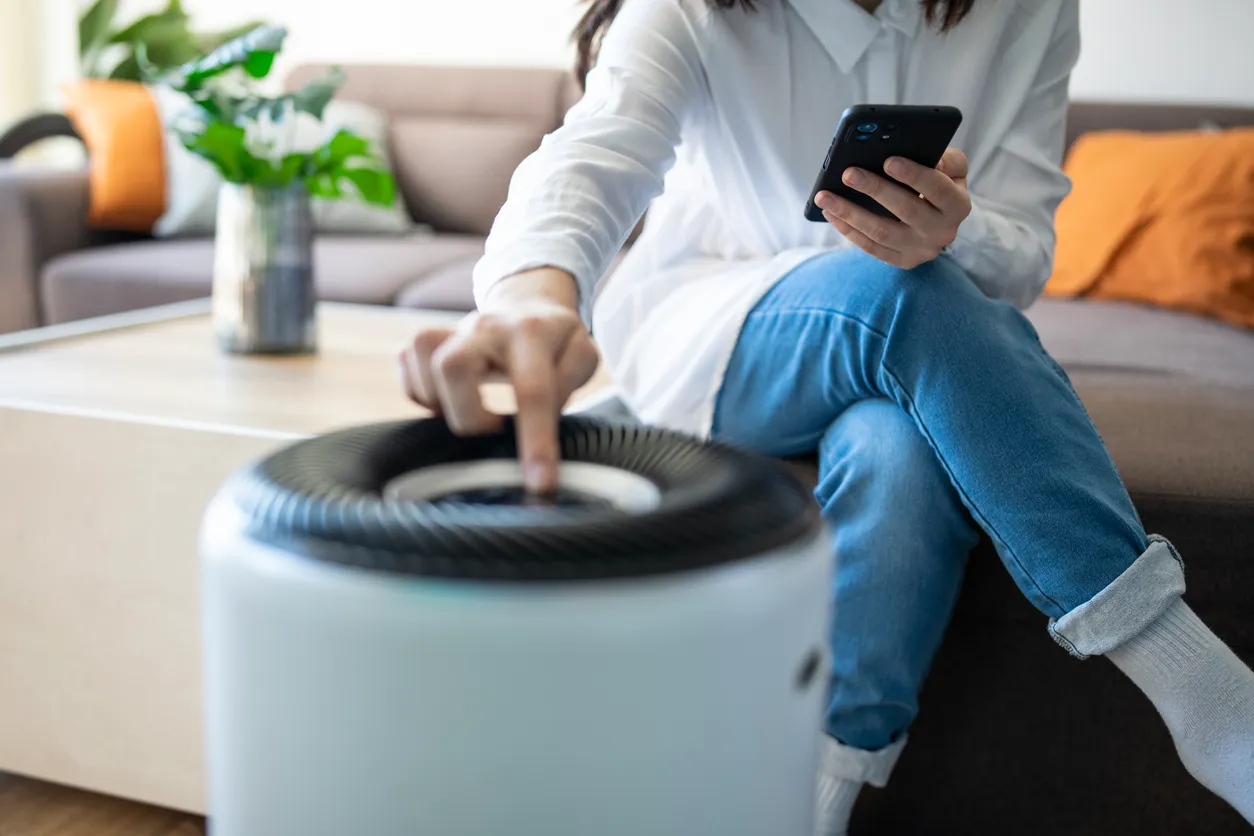
IAQ repair services in Crawfordville, FL address the unique challenges of humid coastal homes, where indoor air quality can be compromised by moisture, allergens, and mold risk. Professional diagnostics identify common problems such as malfunctioning air purifiers, UV/coil failures, humidifier or dehumidifier issues, and duct or ERV/HRV faults. Technicians provide targeted repair solutions, replacement parts, and clear timelines, while outlining cost factors and scheduling options. Emphasis is placed on proactive maintenance to prevent future damage, reduce mold growth, and maintain system efficiency—helping Crawfordville homeowners restore comfort and healthier indoor air.
IAQ Repair in Crawfordville, FL
Indoor air quality problems can undermine comfort, aggravate allergies, and accelerate equipment wear in Crawfordville homes. IAQ Repair in Crawfordville, FL addresses the most common indoor air quality failures—malfunctioning air purifiers and UV/coil purifiers, humidifier and dehumidifier breakdowns, and ventilation or ERV/HRV system failures—by combining thorough diagnostics with targeted repairs and replacements suited to the local coastal, humid climate.
Why IAQ repair matters in Crawfordville, FL
Crawfordville’s hot, humid climate and proximity to the coast create conditions that make IAQ issues more likely: persistent high humidity promotes mold growth in ductwork and on coils, salt air can accelerate corrosion of outdoor components, and heavy pollen and seasonal allergens increase filtration demand. Timely IAQ repair not only improves comfort and health in your home but also restores HVAC efficiency and reduces long-term equipment damage.
Common IAQ issues in Crawfordville, FL homes
- Malfunctioning air purifiers: failing fans, clogged filters, or worn electronic components that reduce particulate removal.
- UV/coil purifier failures: burned-out UV lamps, fouled coils reducing UV effectiveness, or failed ballasts.
- Humidifier problems: mineral-clogged pads, leaking water panels, or control malfunctions that cause over- or under-humidification.
- Dehumidifier breakdowns: compressor failure, refrigerant leaks, or condensate drain issues that leave humidity high in living spaces.
- Ventilation or ERV/HRV failures: stuck dampers, failed fans, clogged cores, or control board issues that reduce fresh-air exchange and energy recovery.
- Duct-related problems affecting IAQ: leaks, poor insulation, biological growth, or disconnections that allow dust and moisture intrusion.
How technicians diagnose IAQ problems
A structured diagnostic process isolates the root cause and ensures repairs fix the problem, not only symptoms. Typical diagnostic steps include:
- Initial system survey: visual inspection of air handlers, purifiers, humidifiers/dehumidifiers, and ERV/HRV units for leaks, corrosion, and obvious failures.
- Airflow and pressure testing: measure supply and return airflow and static pressures to identify blockages, fan failures, or duct leaks.
- IAQ measurements: use hygrometers to check indoor humidity, particle counters for PM2.5/PM10, and VOC meters when chemical odors are present.
- Electrical and control checks: test capacitors, motors, ballasts, transformers, and control boards to locate intermittent or complete failures in purifiers and ventilation equipment.
- Coil and UV inspection: check coil cleanliness and UV lamp operation; fouled coils often reduce both cooling performance and UV purifier effectiveness.
- Duct inspection: visual and camera inspection for mold, rodent damage, disconnections, and insulation issues that compromise IAQ.
- Functional test of ERV/HRV cores and dampers: verify energy recovery performance and seal integrity.
Technicians in Crawfordville will weigh local factors—seasonal humidity, salt exposure, pollen loads—when interpreting measurements and prioritizing repairs.
Typical repair solutions and replacement parts
After diagnosis, repairs focus on restoring proven IAQ functionality. Common solutions include:
- Filter and media replacement: replace HEPA, MERV, or carbon filters and clean or replace washable prefilters to restore filtration efficiency.
- UV lamp and ballast replacement: install new UV-C lamps and replace faulty ballasts to sterilize coils and inactivate microbial growth.
- Coil cleaning and treatment: deep-clean evaporator coils and apply protective coatings to reduce future fouling and corrosion from humid, salty air.
- Fan and motor repairs: replace or rewire defective purifier or ERV/HRV fans, upgrade to ECM motors for improved control and efficiency.
- Control and sensor repair: recalibrate or replace humidity sensors, thermostats, and control boards to return proper system regulation.
- Dehumidifier and humidifier servicing: repair or replace pumps, compressors, water panels, drain lines, and reservoir components to ensure correct moisture control.
- Duct sealing and insulation: seal leaks, repair damaged sections, and add insulation to reduce condensation and airborne contaminants.
- ERV/HRV core and damper service: clean or replace cores, repair dampers, and ensure balanced ventilation for effective fresh-air exchange.
Replacement parts commonly used include UV lamps, HEPA/MERV filters, blower motors, capacitors, ballasts, control modules, compressor components, condensate pumps, and ERV/HRV cores.
Expected timelines and what to expect
Timelines depend on the issue severity and parts availability:
- Emergency IAQ failures (complete loss of ventilation, active leaks, or unsafe mold/mildew situations) typically receive same-day triage and prioritized scheduling to stabilize indoor conditions.
- Routine IAQ repairs are usually diagnosed on the first visit with many minor repairs completed same day once parts are on hand.
- Component replacements requiring ordered parts may extend the job by a few days while awaiting delivery.
- More extensive work such as duct sealing, coil restoration, or ERV/HRV core replacement can require a full day or multiple visits, especially when drying or curing time is needed for treatments.
Technicians will document findings, outline recommended repairs, and explain expected timelines for parts procurement and follow-up testing.
Cost considerations without numbers
Cost varies based on several practical factors rather than a one-size-fits-all rate:
- Extent of repair vs full replacement: minor component repairs are less involved than full unit replacements or major ductwork repairs.
- Accessibility: equipment in cramped or hard-to-reach locations increases labor time.
- Age and condition of existing equipment: older units may require more labor or additional parts, and sometimes replacement is more cost-effective long term.
- Parts availability and brand: OEM parts versus aftermarket options influence repair scope and longevity.
- Local permit or code requirements for certain repairs or replacements.
A clear diagnostic assessment and written estimate typically follow the on-site inspection so homeowners can compare repair versus replacement and understand warranty implications.
Emergency vs routine scheduling process
To schedule emergency or routine IAQ repairs expect a structured process:
- Triage on initial contact: technicians will prioritize emergencies that threaten safety or severe mold growth and offer guidance to stabilize the home before the service visit.
- On-site diagnostic visit: a technician performs the inspection and testing steps listed above and explains findings in plain terms.
- Written repair plan: you receive a recommended scope of work with timeline expectations and parts needs. For complex jobs, a phased plan may be proposed to address the most critical issues first.
- Repair and verification: technicians complete authorized repairs, then re-test airflow, humidity, and filtration to confirm IAQ targets are met.
- Follow-up guidance: homeowners receive recommendations for seasonal maintenance and monitoring to prevent recurrence, tailored to Crawfordville’s humid coastal climate.
Benefits of timely IAQ repair and maintenance
Prompt IAQ repair protects indoor health, reduces allergy and respiratory triggers, restores HVAC efficiency, and prevents more costly damage from mold, corrosion, or failing motors. In Crawfordville homes, where humidity and salt air increase risk, regular IAQ checks and quick repairs extend equipment life and maintain comfortable, healthy indoor environments.
Regular maintenance and proactive repairs are the best defense against recurring IAQ problems and often reduce the need for major interventions in the future.
hear what our satisfied clients have to say
.avif)

I have nothing but great things to say about this company! From the initial call to trouble shoot our old system to the installation of the new system. Maya was awesome and patient with us and the bank. Stratton, Wilton, and Austin did the removal and install of the systems and they were professional and proficient. I will be recommending this company to everyone and anyone! Thank you for making this less stressful then it needed to be. I'm very grateful for the help and comfort they have given me and my family.
We’ve had issues with our a/c unit freezing up off and on for a month or so. Aden from Keith Key came out and checked our system out. He fixed an issue with the bypass valve and also tuned our fan. Additionally we also replaced our thermostats with new T10’s. He took his time and helped me connect all of them to the WiFi and the app.Aden is very friendly and knowledgeable. I haven’t had an issue with my system since. He was also willing to accept the assistance of our overly helpful shih tzu. Call Keith Key and Aden for any issues with hvac systems, they can get it fixed!
Tryston was amazing! So knowledgeable, pleasant and respectful. Keith Key H/A will forever have my family's business
We had a tenant with no heat during the recent 29 degree weather. I called Keith Key Heating and Air before office hours and left my infomation with their answering service. I got a call back from the office promptly at 8:00 a.m. They were able to schedule us for service the same day. The technician arrived at noon, diagnosed the issue and made the repair. The price was quite reasonable. Everyone that we dealt with was friendly, professional and knowledgeable. I would highly recommend them and will be using them again in the future. Thanks Keith Key Heating & Air!!
Heat wasn't working after the sleet storm and being without power for 18 hours. Keith Key sent Trystan the same day as my call. He did a great job (very personable) and got it repaired in no time. Many thanks!
Keith Key HVAC is wonderful! They service our HVAC and just helped me with a super stressful heating issue while I was out of state. They are very organized and professional, and take extra time to explain and follow up. I just love them!
We've called on Keith Key Heating and Air twice for help. Both times, they responded quickly, and were able to make repairs quickly. The techs we've dealt with have been friendly, reliable, professional and knowledgeable. And they don't dig in your pocket like some have been known to do. I honestly don't know what more we could ask for. A solid 10 of 10, and we highly recommend.
Had to replace my AC and Heating unit. Keith Key Heating and Air was very helpful in finding the right unit money wise for me. The young men they sent was courteous and knowledgeable. They made sure everything was up to my standards before they left. If you have trouble I would highly recommend them to you.
Keith Key regularly services both our personal home and one of our rental properties! They are good about communicating to us about the condition of the units at the rental property which is such a relief! We have had to call them for 2 emergencies and both times the techs appeared happy to be there helping us despite being on the weekend! 10/10 recommend.
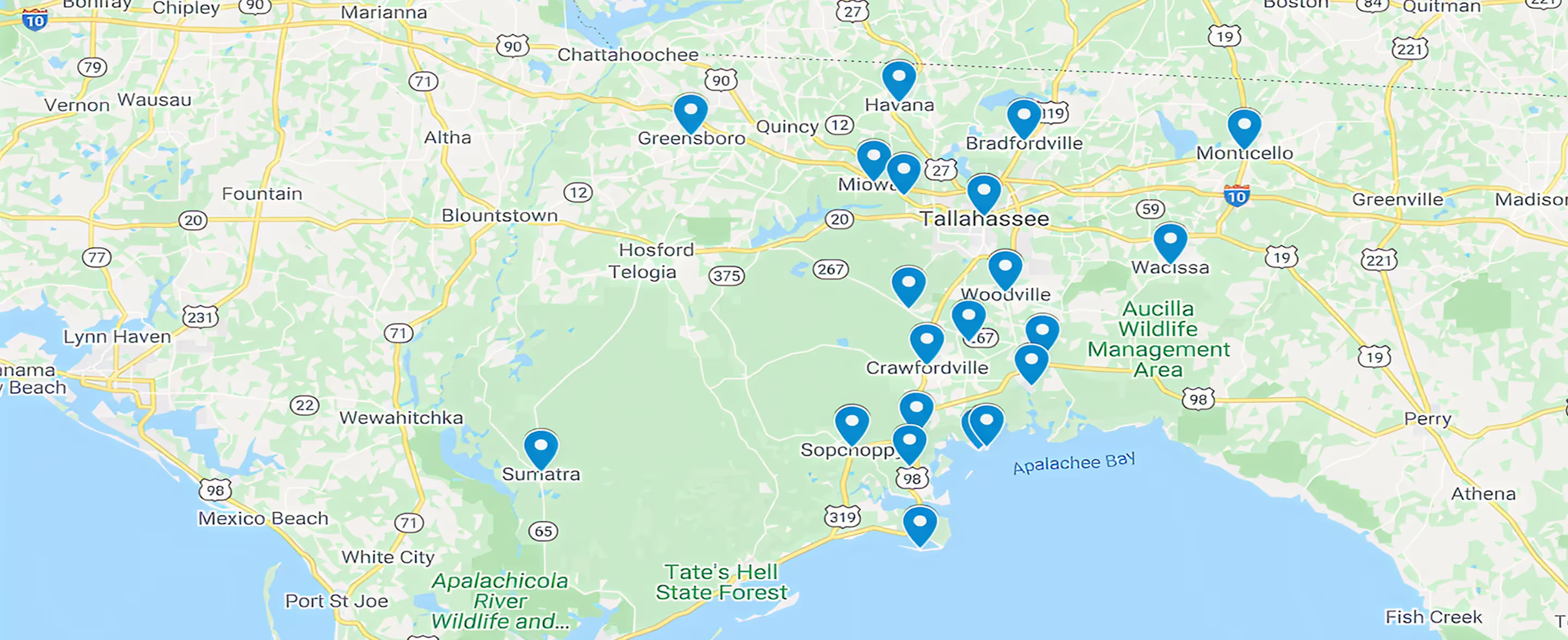
Service Areas