Mini-split Repair in Greensboro, FL
Mini-split repair in Greensboro, FL covers common symptoms, on-site diagnostic steps, and practical repairs for ductless systems. The page outlines why timely service matters in hot, humid summers, a methodical diagnostic process, typical components replaced, and estimated timelines from diagnostic visit to completion. It emphasizes qualified technicians, EPA refrigerant handling, and warranty considerations, with guidance on documentation. Preventive maintenance tips help residents extend system life, improve comfort, and reduce emergency breakdown risk through regular filters, coils, and line-set care.
Mini-split Repair in Greensboro, FL
Ductless mini-split systems are a common, efficient choice for Greensboro, FL homes where summer heat and humidity create continuous cooling demand. When a mini-split fails, it quickly affects comfort, indoor air quality, and operating costs. This page explains how professional mini-split repair in Greensboro, FL addresses common symptoms, the on-site diagnostic process, typical repairs and timelines, technician qualifications and warranty considerations, and practical tips to reduce future breakdowns.
Why timely mini-split repair matters in Greensboro, FL
Greensboro experiences hot, humid summers that keep mini-splits running for long stretches. Continuous use increases wear on electrical components, compressors, and fans. High humidity also raises the risk of condensate issues, coil icing, and mold growth inside indoor units. Prompt diagnosis and repair restore performance, prevent secondary damage to the system and home, and help maintain energy efficiency when cooling demand is highest.
Common mini-split issues in Greensboro, FL
- Loss of cooling or heating: Often caused by refrigerant leaks, compressor problems, blocked airflow, or failed sensors. In humid climates, reduced capacity is especially noticeable during heat waves.
- Weak airflow from the indoor head: Dirty filters, failing blower motors, or blocked coil fins reduce air movement and comfort.
- Odd noises: Grinding, rattling, or squealing usually point to failing fan motors, loose mounting hardware, or compressor issues.
- Refrigerant leaks: Visible oil residue or frost on lines signals a leak that lowers efficiency and can damage the compressor if left untreated.
- Ice buildup on the evaporator coil: Caused by low refrigerant, poor airflow, or faulty defrost controls; in high humidity it can develop quickly.
- Water leaks or overflowing drain pans: Condensate drain clogs or improper installation can allow water to leak into walls or onto floors.
- Short cycling or frequent on/off cycling: Often electrical, control board, thermostat, or refrigerant charge related, and it increases wear.
- Electrical failures: Faulty capacitors, relays, or wiring can prevent the system from starting or damage components.
On-site diagnostic process
A methodical diagnostic approach identifies root causes so repairs are effective and long lasting.
- Visual inspection: Check indoor and outdoor units for debris, corrosion, loose parts, or oil stains that suggest leaks.
- Airflow and filter check: Measure airflow, inspect filters and indoor coil cleanliness, and verify louvers and return paths are unobstructed.
- Electrical testing: Use a multimeter to test capacitors, relays, contactors, and control voltage. Verify safe power supply and proper breaker operation.
- Refrigerant and pressure check: Attach manifold gauges to measure high and low side pressures and compare to manufacturer specifications for current ambient temperatures.
- Leak detection: Employ electronic leak detectors, ultraviolet dye, or soap testing to locate refrigerant leaks along line sets, fittings, and coils.
- Drain and condensate inspection: Verify drain lines are clear and pans are not cracked or rusted; check slope and trap function.
- System run test: Observe system during a controlled run to reproduce symptoms like noises, cycling, or defrost behavior and confirm fault codes from control boards.
Technicians will document findings and explain which repairs restore safe, efficient operation.
Typical repairs and component replacements
- Refrigerant leak repair and recharge: Locate and repair leaks, replace drier or filter, evacuate the system, and recharge to manufacturer-specified charge.
- Compressor replacement: When compressors fail or are damaged by low oil or contaminants, replacement plus proper evacuation and recharging is required.
- Fan motor and capacitor replacement: Common causes of poor airflow and starting problems.
- Control board and sensor replacement: Fixes erratic behavior, unexplained shutdowns, or incorrect temperature readings.
- Expansion device or TXV replacement: Addresses improper refrigerant metering and coil performance.
- Indoor coil cleaning and condensate system repair: Removes accumulated dirt and prevents water damage and mold.
- Line set repair or replacement: Damage, corrosion, or improper installation may require repaired or new insulated line sets.
- Filter replacement and indoor unit servicing: Restores airflow and improves indoor air quality.Each repair is performed using industry-standard tools and refrigerant handling practices to protect equipment and comply with regulations.
Repair timelines and what to expect
- Diagnostic visit: Many issues can be identified during a single scheduled onsite visit.
- Minor repairs and part swaps: Tasks such as replacing filters, capacitors, fan motors, or cleaning coils are frequently completed in a few hours.
- Refrigerant leak repair and recharge: Depending on leak location and accessibility, these jobs can range from same-day fixes to multi-day work if parts need sourcing.
- Major component replacement: Compressor or outdoor unit replacements can require parts ordering and may take one to several days from diagnosis to completion.Technicians will typically provide an estimated timeframe after diagnosis and explain any parts lead times that could extend repair completion.
Technician qualifications and warranty information
For safe, code-compliant mini-split repair in Greensboro, FL, technicians should hold:
- EPA Section 608 certification for refrigerant handling and recovery.
- Manufacturer-specific training or certifications for common mini-split brands and inverter technology.
- Proven experience with ductless systems, line set work, and electrical troubleshooting.Qualified technicians follow refrigerant recovery rules, document charge amounts, and perform pressure and vacuum testing to manufacturer standards.
Warranty considerations:
- Parts warranties are handled by manufacturers and vary by component. Technicians should provide documentation for any replaced part and its warranty.
- Labor warranties are commonly offered by service providers and can vary in duration. It is standard to request written warranty terms for labor and parts before repairs begin.
- Proper documentation of repairs, refrigerant recovered and added, and test results is important for honoring warranties and for future service.
Preventive maintenance tips for Greensboro, FL homes
- Change or clean filters monthly during peak cooling season to maintain airflow and system efficiency.
- Schedule a professional tune-up annually, ideally before late spring, to verify refrigerant charge, clean coils, and test electrical components.
- Keep outdoor units clear of grass, leaves, pine needles, and vines that are common in the region and reduce airflow.
- Insulate and protect exposed line sets from sun and rodents to prevent damage and efficiency loss.
- Verify condensate drains remain clear and direct water away from the foundation to prevent mold and water damage.
- Use sensible thermostat and humidity settings to reduce strain during the hottest and most humid months.
- Address odd noises or reduced performance immediately to avoid cascading failures on compressors and control boards.
Timely repair and regular maintenance extend the life of ductless mini-split systems, improve comfort, and reduce the likelihood of emergency breakdowns during Greensboro heat. When problems arise, a clear diagnostic process, qualified technicians, and properly documented repairs ensure systems return to reliable operation.
hear what our satisfied clients have to say
.avif)

I have nothing but great things to say about this company! From the initial call to trouble shoot our old system to the installation of the new system. Maya was awesome and patient with us and the bank. Stratton, Wilton, and Austin did the removal and install of the systems and they were professional and proficient. I will be recommending this company to everyone and anyone! Thank you for making this less stressful then it needed to be. I'm very grateful for the help and comfort they have given me and my family.
We’ve had issues with our a/c unit freezing up off and on for a month or so. Aden from Keith Key came out and checked our system out. He fixed an issue with the bypass valve and also tuned our fan. Additionally we also replaced our thermostats with new T10’s. He took his time and helped me connect all of them to the WiFi and the app.Aden is very friendly and knowledgeable. I haven’t had an issue with my system since. He was also willing to accept the assistance of our overly helpful shih tzu. Call Keith Key and Aden for any issues with hvac systems, they can get it fixed!
Tryston was amazing! So knowledgeable, pleasant and respectful. Keith Key H/A will forever have my family's business
We had a tenant with no heat during the recent 29 degree weather. I called Keith Key Heating and Air before office hours and left my infomation with their answering service. I got a call back from the office promptly at 8:00 a.m. They were able to schedule us for service the same day. The technician arrived at noon, diagnosed the issue and made the repair. The price was quite reasonable. Everyone that we dealt with was friendly, professional and knowledgeable. I would highly recommend them and will be using them again in the future. Thanks Keith Key Heating & Air!!
Heat wasn't working after the sleet storm and being without power for 18 hours. Keith Key sent Trystan the same day as my call. He did a great job (very personable) and got it repaired in no time. Many thanks!
Keith Key HVAC is wonderful! They service our HVAC and just helped me with a super stressful heating issue while I was out of state. They are very organized and professional, and take extra time to explain and follow up. I just love them!
We've called on Keith Key Heating and Air twice for help. Both times, they responded quickly, and were able to make repairs quickly. The techs we've dealt with have been friendly, reliable, professional and knowledgeable. And they don't dig in your pocket like some have been known to do. I honestly don't know what more we could ask for. A solid 10 of 10, and we highly recommend.
Had to replace my AC and Heating unit. Keith Key Heating and Air was very helpful in finding the right unit money wise for me. The young men they sent was courteous and knowledgeable. They made sure everything was up to my standards before they left. If you have trouble I would highly recommend them to you.
Keith Key regularly services both our personal home and one of our rental properties! They are good about communicating to us about the condition of the units at the rental property which is such a relief! We have had to call them for 2 emergencies and both times the techs appeared happy to be there helping us despite being on the weekend! 10/10 recommend.
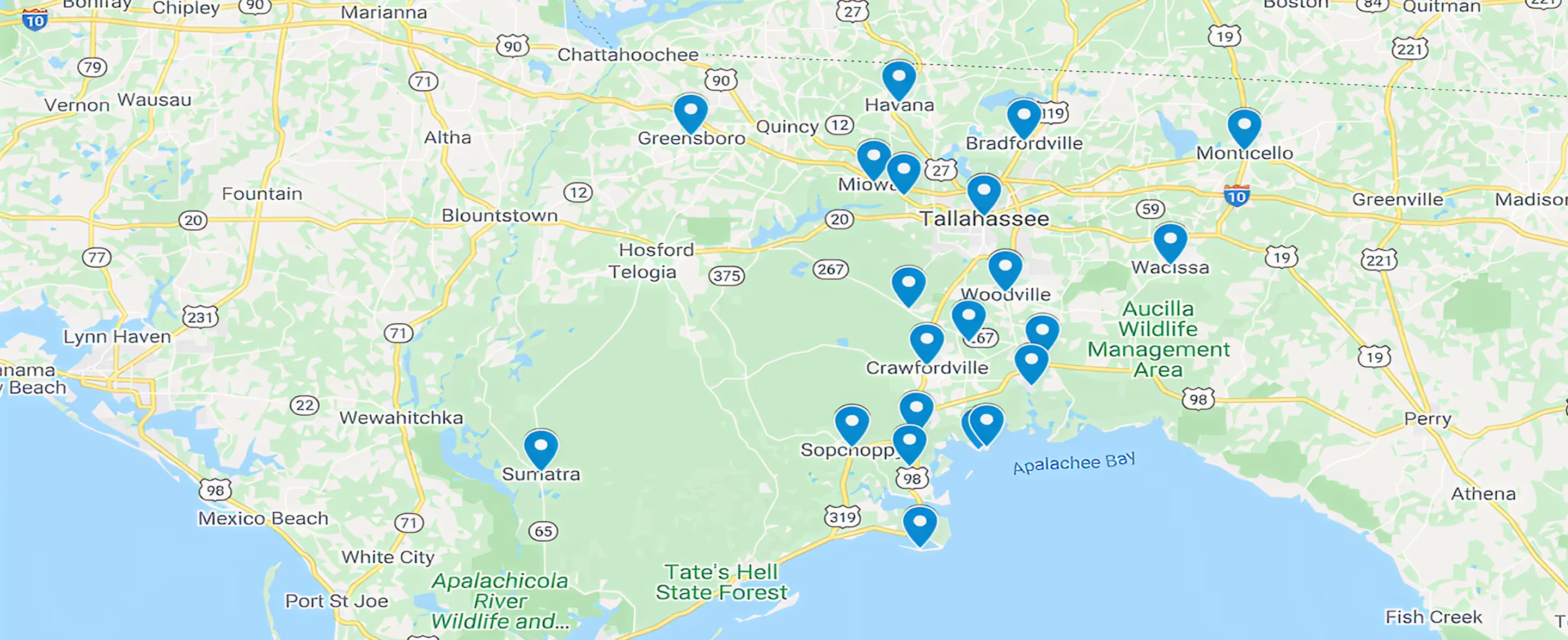
Service Areas