Mini-split Replacement in St. Marks, FL

Mini-split replacement in St. Marks, FL is covered here, focusing on proper sizing, corrosion-resistant installation, and efficient operation to maintain comfort year-round. It outlines common reasons for replacement, a thorough pre-replacement evaluation, and a step-by-step installation process, including permits, equipment selection, refrigerant handling, and post-installation testing. It also covers disposal, warranties, financing, and maintenance tips to maximize reliability, energy savings, and long-term performance in coastal, humid conditions. Readers will understand service options, eligibility for rebates, and how professional adjustment improves comfort and longevity.
Mini-split Replacement in St. Marks, FL
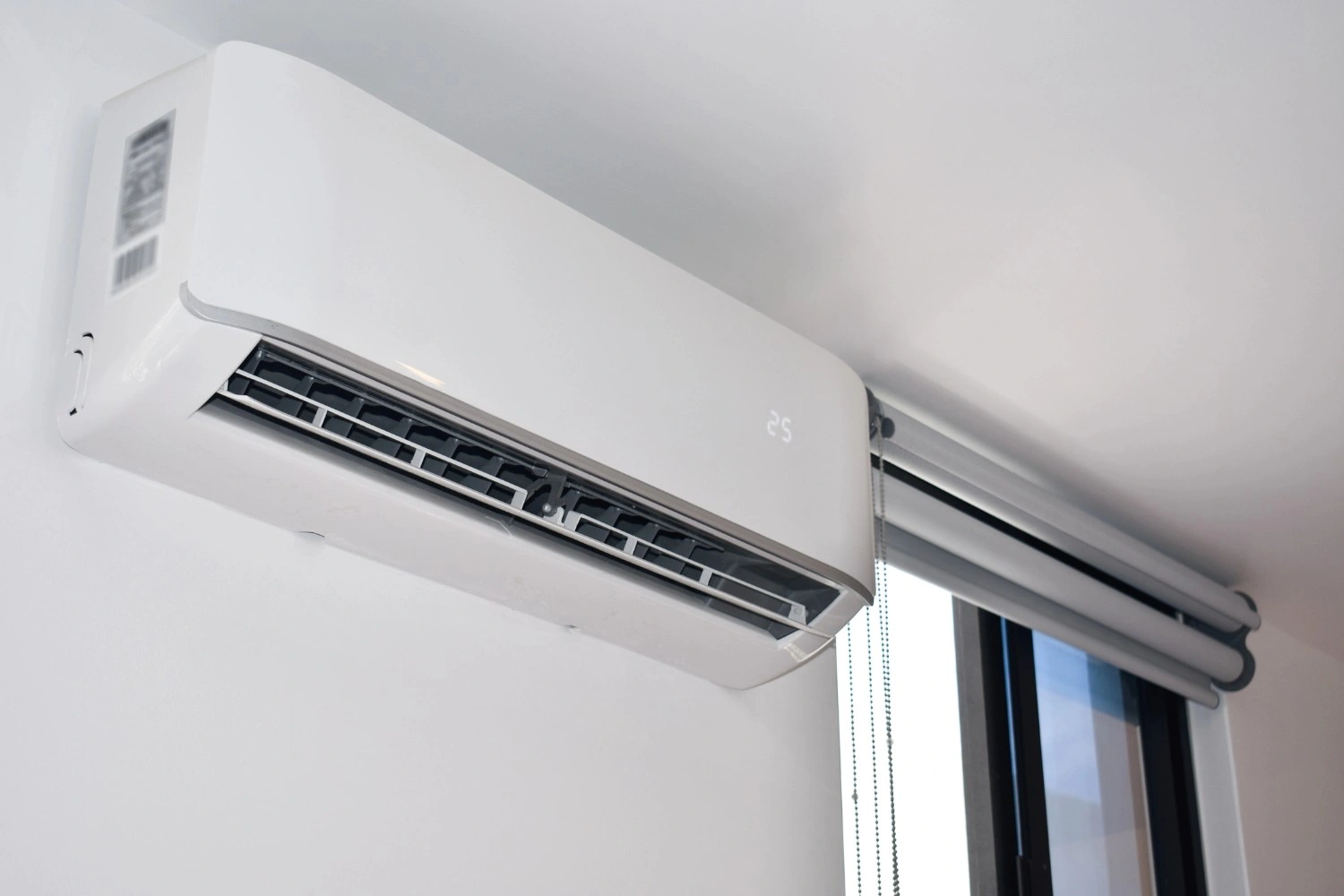
Replacing a mini-split in St. Marks, FL is a decision most homeowners face when comfort, reliability, and energy costs no longer meet expectations. Coastal humidity, high summer temperatures, and salty air put extra strain on aging equipment. A professional mini-split replacement in St. Marks, FL focuses on right-sizing, corrosion-resistant installation, and efficient operation so your home stays comfortable year round while minimizing long-term costs.
Why replace a mini-split in St. Marks, FL
Common reasons St. Marks homes need mini-split replacement include:
- Persistent breakdowns or compressor failure after repeated repairs
- Rising electric bills from an inefficient or undersized system
- Uneven temperatures or inadequate dehumidification in high-humidity months
- Leaking refrigerant or failed components no longer covered by parts
- Outdated refrigerant types or equipment that is difficult to service
- Corrosion and rust on outdoor units due to salt air and coastal exposure
Replacing a failing system is often more cost effective than continued repairs. Newer inverter-driven mini-splits offer better humidity control and higher seasonal efficiency, which is especially valuable in St. Marks where air conditioning runs heavily for much of the year.
Common mini-split replacement issues in St. Marks, FL
- Improper sizing leading to short cycling or poor humidity control
- Outdoor unit corrosion or fan motor failure from salt spray
- Long refrigerant line runs or improper placement causing inefficiency
- Inadequate electrical service or improper disconnects for modern units
- Mounting and anchoring that do not meet wind-loading expectations for hurricane season
- Older refrigerants phased out or restricted, requiring system upgrade
System evaluation and recommendations
A thorough pre-replacement evaluation determines the best solution for your home. Key steps include:
- Home load assessment: A Manual J style calculation to determine cooling load based on local climate factors, insulation, windows, and occupancy patterns
- Zoned needs analysis: Identifying how many indoor units and which types suit each room for balanced comfort
- Site inspection: Evaluating outdoor unit location for airflow, corrosion risk, shading, and wind exposure common in coastal St. Marks
- Electrical review: Confirming service capacity, breaker sizing, and needed disconnects or subpanels
- Line length and refrigerant planning: Verifying feasible line-set runs and refrigerant type compatibility
- Matching efficiency goals: Recommending systems with appropriate SEER/HSPF ratings and inverter variable-speed compressors to reduce cycling and improve humidity control
Recommendations will prioritize models with corrosion-resistant coatings, sealed electronics, and features that improve performance in humid, salty environments.
Replacement process step by step
- Permits and planning
- Obtain required local permits and ensure work follows Florida building code and county requirements.
- Equipment selection
- Select indoor unit styles (wall-mounted, ceiling cassette, floor console) and outdoor units sized for actual load, not rule-of-thumb estimates.
- Safe disconnection and refrigerant recovery
- Recover refrigerant to comply with EPA rules and prepare the old system for removal.
- Removal and responsible disposal of old equipment
- Dismantle the old system, recycle metals and components, and dispose of materials according to environmental regulations.
- Professional installation
- Mount indoor units for optimal airflow and minimal noise, install outdoor unit on a corrosion-resistant pad or riser, run properly insulated line sets, and complete electrical connections with correct fused disconnects.
- Anchor outdoor units to meet wind-loading expectations in coastal zones.
- System charging and configuration
- Evacuate and charge refrigerant to manufacturer specifications, configure controls and zoning, and integrate smart thermostats if included.
- Post-installation testing and walkthrough
- Test for correct refrigerant charge, airflow, temperature drop, electrical safety, and drainage performance. Walk through system operation with the homeowner.
Removal and environmentally responsible disposal
Responsible disposal in St. Marks, FL includes:
- Recovering and recycling refrigerant in compliance with federal EPA rules
- Recycling scrap metal and electronics where possible
- Disposing of non-recyclable parts at authorized facilitiesProper disposal reduces environmental impact and ensures compliance with regulations that protect local waterways and coastal ecosystems.
Warranties and financing options
New mini-split systems typically include:
- Manufacturer warranties on compressors and parts (terms vary by brand and model)
- Optional extended parts warranties for greater long-term protection
- Labor warranties that cover professional installation workmanship for a defined period
Financing options are commonly available to spread replacement cost over time. Additionally, energy-efficient systems may qualify for local utility rebates or federal tax credits for qualifying upgrades. When considering financing or incentives, review the warranty coverage and eligibility criteria tied to specific equipment and installation practices.
Post-replacement testing and customer walkthroughs
A complete replacement includes hands-on verification and homeowner education:
- Performance verification: Confirm cooling capacity, measured superheat/subcooling, airflow, and dehumidification effectiveness
- Safety checks: Verify electrical connections, grounding, and protective disconnects
- Drainage inspection: Ensure condensate drains are properly routed and free of leaks
- System controls demo: Show how to operate modes, timers, and remote or app-based controls for daily use and energy savings
- Maintenance guidance: Explain filter cleaning, periodic coil checks, and recommended service intervals
Walkthroughs help homeowners understand how to get the best performance and extend system life, particularly important in St. Marks where humid summers can accelerate wear.
Long-term benefits and maintenance advice
Replacing a mini-split with a properly sized, high-efficiency system delivers:
- Lower energy consumption and reduced monthly utility bills
- Better humidity control and improved indoor comfort
- Quieter operation and more consistent temperatures room to room
- Greater reliability and fewer emergency repairs
For longevity in St. Marks, FL, follow these maintenance best practices:
- Clean or replace filters monthly during heavy use months
- Schedule professional tune-ups at least once per year, with additional focus before summer
- Inspect outdoor units regularly for corrosion, debris, and proper drainage
- Keep outdoor unit clear of plants and ensure adequate airflow around it
Replacing a mini-split in St. Marks, FL is as much about matching equipment to the local climate as it is about modern features. A careful evaluation, corrosion-aware installation, and thorough post-installation testing ensure your new mini-split delivers reliable, efficient comfort for years to come.
hear what our satisfied clients have to say
.avif)

I have nothing but great things to say about this company! From the initial call to trouble shoot our old system to the installation of the new system. Maya was awesome and patient with us and the bank. Stratton, Wilton, and Austin did the removal and install of the systems and they were professional and proficient. I will be recommending this company to everyone and anyone! Thank you for making this less stressful then it needed to be. I'm very grateful for the help and comfort they have given me and my family.
We’ve had issues with our a/c unit freezing up off and on for a month or so. Aden from Keith Key came out and checked our system out. He fixed an issue with the bypass valve and also tuned our fan. Additionally we also replaced our thermostats with new T10’s. He took his time and helped me connect all of them to the WiFi and the app.Aden is very friendly and knowledgeable. I haven’t had an issue with my system since. He was also willing to accept the assistance of our overly helpful shih tzu. Call Keith Key and Aden for any issues with hvac systems, they can get it fixed!
Tryston was amazing! So knowledgeable, pleasant and respectful. Keith Key H/A will forever have my family's business
We had a tenant with no heat during the recent 29 degree weather. I called Keith Key Heating and Air before office hours and left my infomation with their answering service. I got a call back from the office promptly at 8:00 a.m. They were able to schedule us for service the same day. The technician arrived at noon, diagnosed the issue and made the repair. The price was quite reasonable. Everyone that we dealt with was friendly, professional and knowledgeable. I would highly recommend them and will be using them again in the future. Thanks Keith Key Heating & Air!!
Heat wasn't working after the sleet storm and being without power for 18 hours. Keith Key sent Trystan the same day as my call. He did a great job (very personable) and got it repaired in no time. Many thanks!
Keith Key HVAC is wonderful! They service our HVAC and just helped me with a super stressful heating issue while I was out of state. They are very organized and professional, and take extra time to explain and follow up. I just love them!
We've called on Keith Key Heating and Air twice for help. Both times, they responded quickly, and were able to make repairs quickly. The techs we've dealt with have been friendly, reliable, professional and knowledgeable. And they don't dig in your pocket like some have been known to do. I honestly don't know what more we could ask for. A solid 10 of 10, and we highly recommend.
Had to replace my AC and Heating unit. Keith Key Heating and Air was very helpful in finding the right unit money wise for me. The young men they sent was courteous and knowledgeable. They made sure everything was up to my standards before they left. If you have trouble I would highly recommend them to you.
Keith Key regularly services both our personal home and one of our rental properties! They are good about communicating to us about the condition of the units at the rental property which is such a relief! We have had to call them for 2 emergencies and both times the techs appeared happy to be there helping us despite being on the weekend! 10/10 recommend.
Service Areas