Mini-split Installation in St. Marks, FL
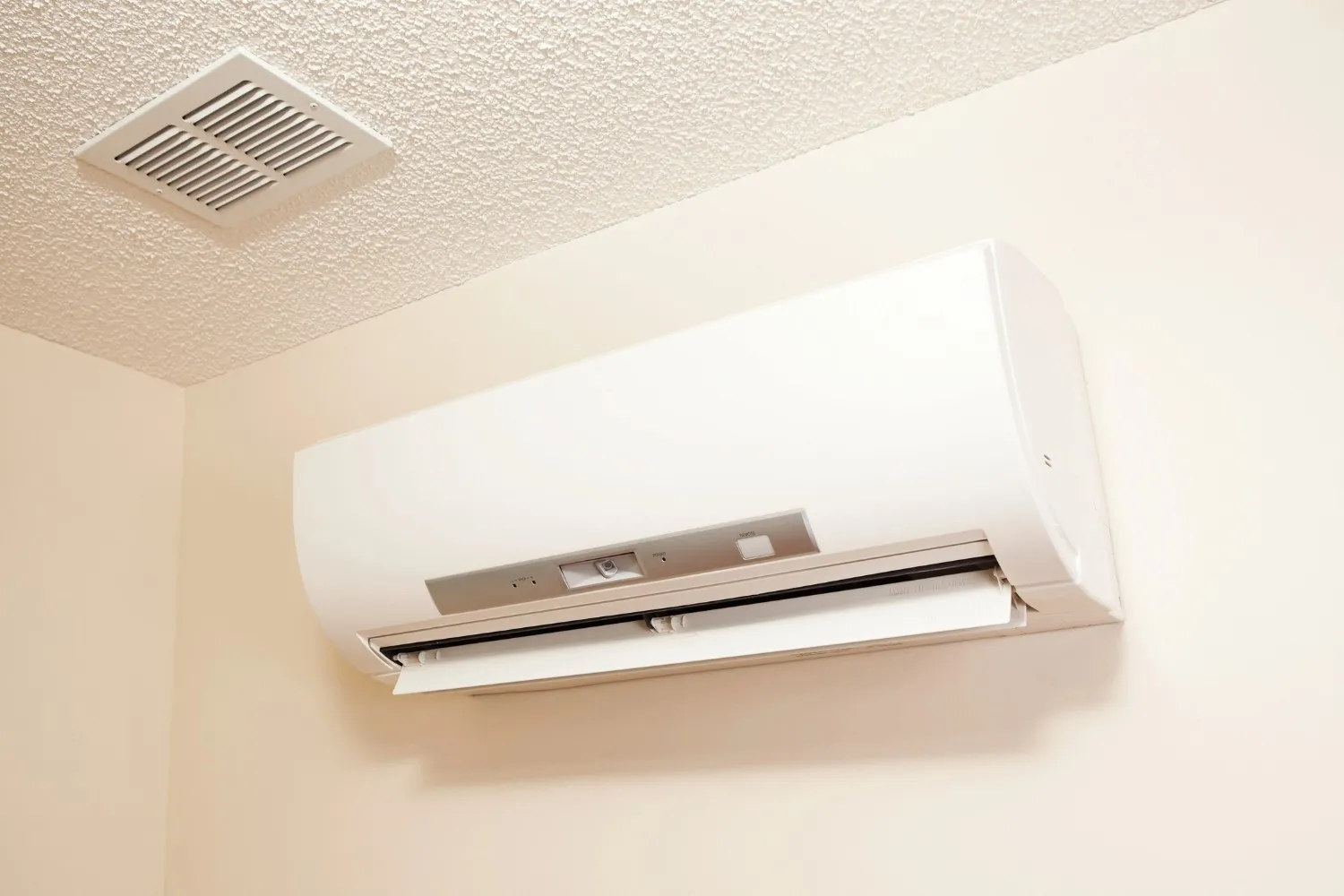
Mini-split installation in St. Marks, FL requires expert site assessment, precise load calculations, and careful unit placement to deliver reliable comfort and humidity control in coastal conditions. This page outlines the installation process, from sizing and equipment selection to conduit routing, corrosion protection, and code-compliant electrical work. It covers common issues, commissioning, and homeowner orientation, emphasizing warranty preservation and long-term performance. A professional install reduces short cycling, leaks, and maintenance needs while enhancing energy efficiency and system longevity in Florida's coastal climate.
Mini-split Installation in St. Marks, FL
A properly installed mini-split system delivers consistent comfort, energy savings, and precise zoning control for St. Marks, FL homes that face high heat, humidity, and corrosive coastal air. Professional mini-split installation reduces common problems such as poor cooling performance, short cycling, noisy operation, and premature equipment failure. This page explains the installation process, common issues we address in St. Marks, and what you should expect from a code-compliant, long-lasting installation.
Why a professional mini-split installation matters in St. Marks, FL
St. Marks’ coastal climate makes specific installation considerations essential. High humidity increases latent load, which affects unit sizing. Salt-laden air accelerates corrosion on outdoor components if not treated correctly. And seasonal storms require secure mounting and proper elevation of outdoor units. A professional installer will size your system for both heat and humidity, select corrosion-resistant components where appropriate, and follow local and Florida building codes and permitting requirements to ensure safe, reliable operation.
Common mini-split issues in St. Marks, FL homes
- Undersized systems that struggle during hot, humid afternoons
- Poor indoor unit placement leading to uneven cooling or hot spots
- Long refrigerant line runs causing efficiency loss or improper charge
- Refrigerant leaks from improper brazing or connections
- Electrical faults from incorrect wiring or improperly sized breakers
- Corrosion of outdoor units and fasteners in coastal conditions
- Inadequate condensate drainage and recurring water issues
- Installations that void manufacturer warranties due to lack of permitting or professional certification
Site assessment and load/sizing calculations
A reliable installation starts with a detailed site assessment and accurate load calculation. Professionals use industry-standard methods such as Manual J style load calculations to determine cooling and heating loads for each zone. Assessment items include:
- Square footage, room orientation, window size and type, insulation levels, and ceiling height
- Internal heat gains from appliances, lighting, and occupants
- Local solar exposure and shading from trees or nearby structures
- Humidity expectations and the need for latent cooling capacity
- Desired zoning and thermostat control preferences
Accurate sizing prevents short cycling, improves dehumidification, and extends equipment life. In St. Marks, technicians commonly select units with adequate latent capacity to control humidity on sultry summer days.
Indoor and outdoor unit placement
Correct placement ensures comfort, efficiency, and easier maintenance.
- Indoor units: mounted to distribute airflow evenly, avoid directing air onto beds or seating for long periods, maintain clearance for filters and coil access, and locate for convenient remote or thermostat control.
- Outdoor units: positioned to avoid direct salt spray where possible, on corrosion-resistant brackets or pads, elevated above potential flood level, and protected from debris and foliage. In coastal St. Marks installations, corrosion-resistant coatings, stainless fasteners, and protective cages are often recommended.
Refrigerant line and electrical work
Refrigerant and electrical connections are the heart of a safe, efficient mini-split installation.
- Refrigerant lines: measured and installed with correct slope, insulated to prevent sweating and heat gain, brazed or connected to manufacturer recommendations, routed to limit undue bends and undue length. Technicians perform proper evacuation (deep vacuum) and charge to manufacturer specifications to prevent performance loss.
- Electrical: dedicated circuit sizing, proper breaker and disconnect installation, adherence to wiring methods and conduit use as required by code, and consideration for surge protection in storm-prone coastal areas. All electrical work must meet Florida and local electrical codes for safety and warranty compliance.
Compliance with local codes and permitting
Permits and inspections protect homeowners and ensure installations meet safety and energy requirements. Professional installers will:
- Pull required mechanical and electrical permits with local authorities
- Provide installation documentation and manufacturer paperwork needed for inspections and warranty registration
- Follow applicable state and local building codes, including mounting, wiring, and structural anchoring standards
- Coordinate with inspectors when required to complete the permit process
Following full permitting procedures also preserves manufacturer warranty coverage and helps avoid potential issues when selling or renovating the home later.
Commissioning and system setup
Commissioning validates the installation and ensures the system performs as intended.
- Leak testing and holding a vacuum on refrigerant lines before charging
- Charging refrigerant to manufacturer-recommended superheat or subcooling values
- Verifying correct airflow, fan speeds, and indoor unit orientation
- Setting control options, timers, and any zoning parameters
- Running the system under load to confirm temperatures, dehumidification, and stable operation
A proper commissioning process uncovers installation errors early and provides a baseline for future maintenance.
Homeowner orientation and maintenance tips
After installation, homeowners should receive clear orientation on system operation and basic upkeep. Key items to cover:
- How to operate the remote or wall controller, including modes, timers, and energy-saving settings
- Filter access and replacement or cleaning frequency — typically every 1 to 3 months depending on use and indoor air quality
- Checking and clearing condensate drains and drain pans to prevent overflow and microbial growth
- Inspecting outdoor units for debris, rust, and vegetation, and rinsing fins with fresh water occasionally to remove salt and grime
- Monitoring refrigerant line insulation for deterioration and having annual checks on electrical connections and refrigerant charge
- Scheduling a pre-summer service to verify performance ahead of peak cooling season
Well-informed homeowners maintain better efficiency and avoid many common service calls.
Long-term benefits of a professional installation
A correctly installed mini-split system provides reliable comfort, lower energy bills, and fewer repairs over its service life. Professional installations preserve manufacturer warranties, ensure compliance with local regulations, and address St. Marks-specific challenges like humidity control and coastal corrosion. Investing in quality installation and routine maintenance means improved indoor comfort and system longevity in the Florida coastal environment.
For homeowners in St. Marks, FL, paying attention to site-specific factors during installation — correct sizing, corrosion protection, proper elevation, and code-compliant electrical work — results in a system that handles heat and humidity efficiently while standing up to coastal conditions.
hear what our satisfied clients have to say
.avif)

I have nothing but great things to say about this company! From the initial call to trouble shoot our old system to the installation of the new system. Maya was awesome and patient with us and the bank. Stratton, Wilton, and Austin did the removal and install of the systems and they were professional and proficient. I will be recommending this company to everyone and anyone! Thank you for making this less stressful then it needed to be. I'm very grateful for the help and comfort they have given me and my family.
We’ve had issues with our a/c unit freezing up off and on for a month or so. Aden from Keith Key came out and checked our system out. He fixed an issue with the bypass valve and also tuned our fan. Additionally we also replaced our thermostats with new T10’s. He took his time and helped me connect all of them to the WiFi and the app.Aden is very friendly and knowledgeable. I haven’t had an issue with my system since. He was also willing to accept the assistance of our overly helpful shih tzu. Call Keith Key and Aden for any issues with hvac systems, they can get it fixed!
Tryston was amazing! So knowledgeable, pleasant and respectful. Keith Key H/A will forever have my family's business
We had a tenant with no heat during the recent 29 degree weather. I called Keith Key Heating and Air before office hours and left my infomation with their answering service. I got a call back from the office promptly at 8:00 a.m. They were able to schedule us for service the same day. The technician arrived at noon, diagnosed the issue and made the repair. The price was quite reasonable. Everyone that we dealt with was friendly, professional and knowledgeable. I would highly recommend them and will be using them again in the future. Thanks Keith Key Heating & Air!!
Heat wasn't working after the sleet storm and being without power for 18 hours. Keith Key sent Trystan the same day as my call. He did a great job (very personable) and got it repaired in no time. Many thanks!
Keith Key HVAC is wonderful! They service our HVAC and just helped me with a super stressful heating issue while I was out of state. They are very organized and professional, and take extra time to explain and follow up. I just love them!
We've called on Keith Key Heating and Air twice for help. Both times, they responded quickly, and were able to make repairs quickly. The techs we've dealt with have been friendly, reliable, professional and knowledgeable. And they don't dig in your pocket like some have been known to do. I honestly don't know what more we could ask for. A solid 10 of 10, and we highly recommend.
Had to replace my AC and Heating unit. Keith Key Heating and Air was very helpful in finding the right unit money wise for me. The young men they sent was courteous and knowledgeable. They made sure everything was up to my standards before they left. If you have trouble I would highly recommend them to you.
Keith Key regularly services both our personal home and one of our rental properties! They are good about communicating to us about the condition of the units at the rental property which is such a relief! We have had to call them for 2 emergencies and both times the techs appeared happy to be there helping us despite being on the weekend! 10/10 recommend.
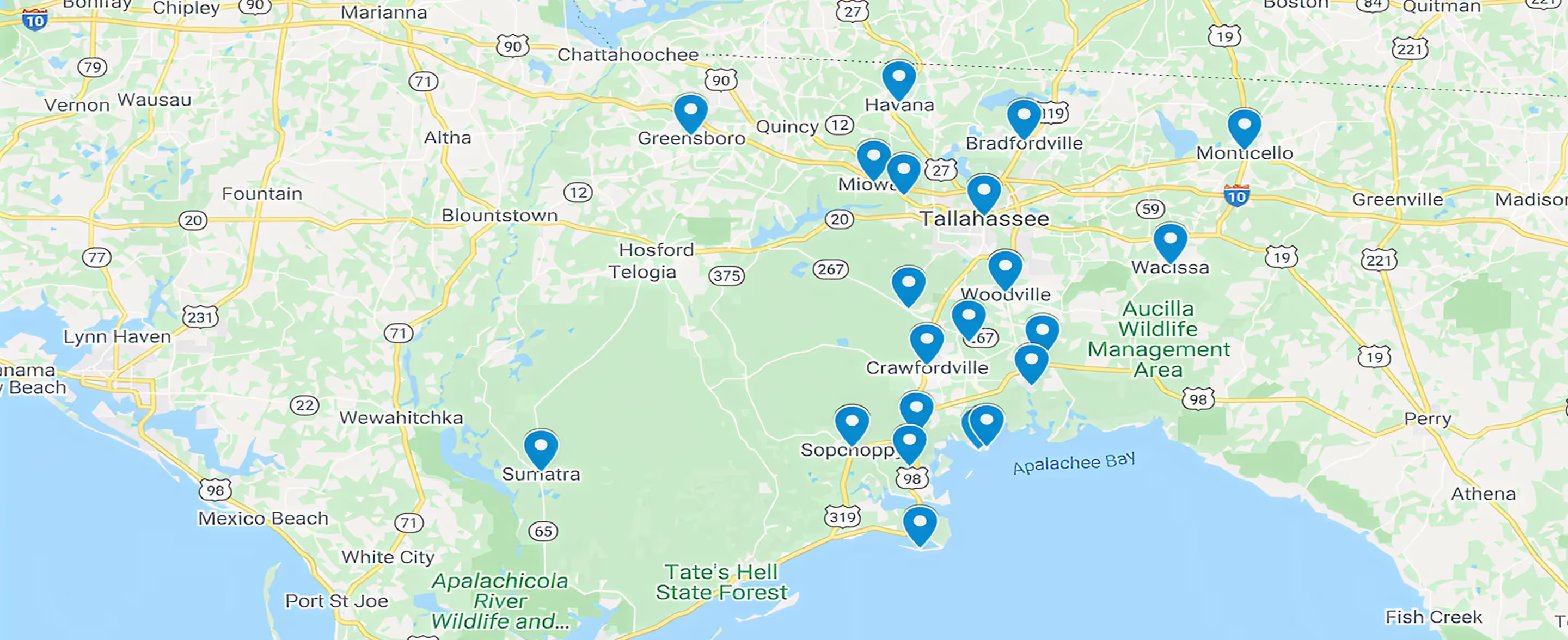
Service Areas