Mini-split Service in Monticello, FL
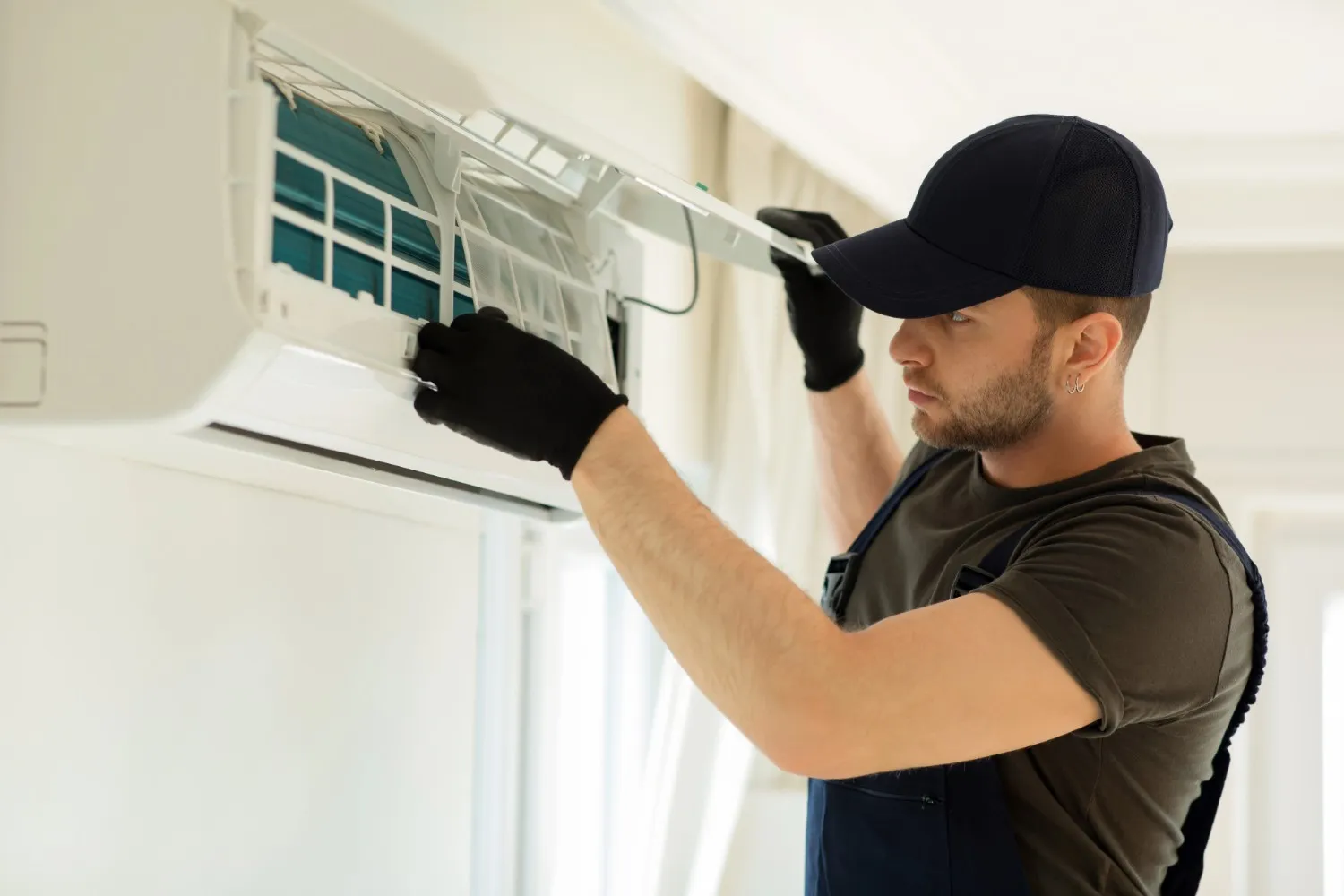
Mini-split service in Monticello, FL covers installation, repair, replacement, maintenance, diagnostics, and system optimization for ductless cooling and heating. Expect clear site surveys, proper sizing with Manual J, precise refrigerant handling, and thorough performance verification. Technicians diagnose refrigerant leaks, sensor or control issues, and airflow problems, then provide practical repair options, timelines, and maintenance plans. The service emphasizes energy efficiency, code compliance, EPA refrigerant rules, and local climate considerations for reliable, long-term comfort. Estimates outline equipment, labor, warranty, and maintenance intervals.
Mini-split Service in Monticello, FL
Mini-split systems are a popular, efficient cooling and heating option for Monticello, FL homes. With hot, humid summers, occasional cold snaps in winter, and high seasonal pollen, properly installed and maintained ductless HVAC is essential for comfort, efficiency, and indoor air quality. This page explains the full range of mini-split services offered in Monticello, FL, what to expect during a visit, common problems and solutions, accessories and IAQ upgrades, and the certifications technicians typically carry.
Common Mini-split Services in Monticello, FL
- Installation: Site evaluation, load calculation, placement of indoor heads and outdoor condenser, line set routing, electrical connection, system commissioning.
- Repair: Troubleshooting refrigerant leaks, electrical faults, fan failures, control issues, and sensor or board replacements.
- Replacement: Assessment of existing equipment, safe refrigerant recovery, removal, and installation of a correctly sized new system.
- Maintenance and Tune-ups: Seasonal cleaning, filter service, coil cleaning, refrigerant level check, and performance verification.
- Diagnostics: Comprehensive system diagnostics including pressure and leak tests, airflow measurement, and electrical checks.
- Performance Optimization: Zoning adjustments, calibration, and control upgrades to improve efficiency and comfort in multi-zone homes.
What to Expect During a Service Visit
- Arrival and initial inspection of indoor and outdoor units for visible issues such as dirt, debris, or physical damage.
- Review of recent system behavior and symptoms to pinpoint timing and conditions of failures.
- Diagnostics: Measurement of refrigerant pressures, temperature differentials, airflow, electrical continuity and voltage, and condensate drain operation.
- For installations: a site survey to determine best locations for indoor heads, line set routing, and outdoor condenser placement to minimize noise and maximize efficiency.
- For replacements: safe refrigerant reclaiming, disconnection, coordinated removal, and secure disposal of old equipment following environmental guidelines.
- Final system startup and verification: performance checked under typical load, thermostat response confirmed, and homeowner shown basic operation and filter care.
Technicians typically leave a written summary of findings and recommended next steps that explain repair options, estimated timelines for parts, and maintenance schedules in plain language.
Common Mini-split Problems and Typical Fixes
- Weak cooling or heating: Often caused by low refrigerant, dirty coils, restricted airflow, or improper refrigerant charge. Fixes include leak repair, coil cleaning, and precise refrigerant charging.
- Unit short-cycling: Can be due to incorrect sizing, thermostat or sensor faults, or electrical issues. Solutions range from sensor recalibration to component replacement and in some cases a system upsizing.
- Frozen evaporator coil: Usually caused by airflow restriction or low refrigerant. Cleaning filters, clearing obstructions, and addressing refrigerant levels resolve most cases.
- Unusual noises or vibration: Loose mounting, fan motor wear, or compressor issues are common. Repairs include tightening, replacing worn parts, or isolating vibration.
- Remote control or communication errors: Battery, signal blockage, or control board failures are common causes. Often resolved by replacing batteries, repositioning remotes, or updating control modules.
Installation and Replacement Considerations in Monticello, FL
- Proper sizing is critical in Monticello because high humidity and heat load can lead to undersized systems struggling in peak summer. A Manual J load calculation should be completed for accurate sizing.
- Zoning: Ductless systems excel at creating individual comfort zones. For split-level or older Monticello homes with varied room uses, multi-zone mini-splits can reduce energy use and improve comfort.
- Permits and code: Local building codes may require permits for HVAC installation and electrical work. Compliance with EPA refrigerant handling regulations is required for all refrigerant work.
- Placement: Outdoor units should be located on level, well-ventilated pads with clearance from landscaping. Indoor heads are typically placed high on walls away from direct sunlight and obstructions to optimize airflow.
- Energy efficiency and rebates: High-SEER mini-splits offer significant savings in prolonged cooling seasons common to North Florida. Energy efficiency choices should be balanced with realistic load expectations for Monticello’s climate.
Maintenance and Tune-up Checklist
- Clean or replace filters and inspect for damage.
- Clean indoor evaporator coils and outdoor condenser coils.
- Check refrigerant pressures and adjust charge if necessary.
- Inspect electrical connections, capacitors, and contactors.
- Verify condensate drain lines and pan are clear and draining properly.
- Test thermostat and control communication.
- Lubricate motors and fans where applicable.
- Verify system runs through full cooling and heating cycles.
Seasonal tune-ups before summer heat and after high pollen seasons will preserve performance and reduce the chance of mid-summer failures.
Accessories and Indoor Air Quality Options
- Upgraded filters: Higher MERV or electrostatic filters for improved particle capture. Note that very high MERV filters may affect airflow; match filters to system capability.
- UV-C coil lights: Reduce microbial growth on coils and improve coil efficiency in humid conditions.
- Dedicated dehumidification modes: Useful in Monticello to manage summer humidity without overcooling.
- Smart controllers and Wi-Fi thermostats: Offer remote control and scheduling for zone optimization.
- Fresh air and ventilation options: While mini-splits do not provide whole-home ventilation, add-on ERV or HRV systems and balanced ventilation strategies help reduce indoor pollutants and control humidity.
- Condensate safety devices: Float switches and auxiliary drains protect finished spaces from water damage.
Certifications and Service Area Coverage
Technicians working on refrigerant systems should be EPA Section 608 certified and commonly hold industry certifications such as NATE or manufacturer-specific credentials for installation and warranty compliance. Proper licensing and liability coverage are typical requirements for professional HVAC service in the region.
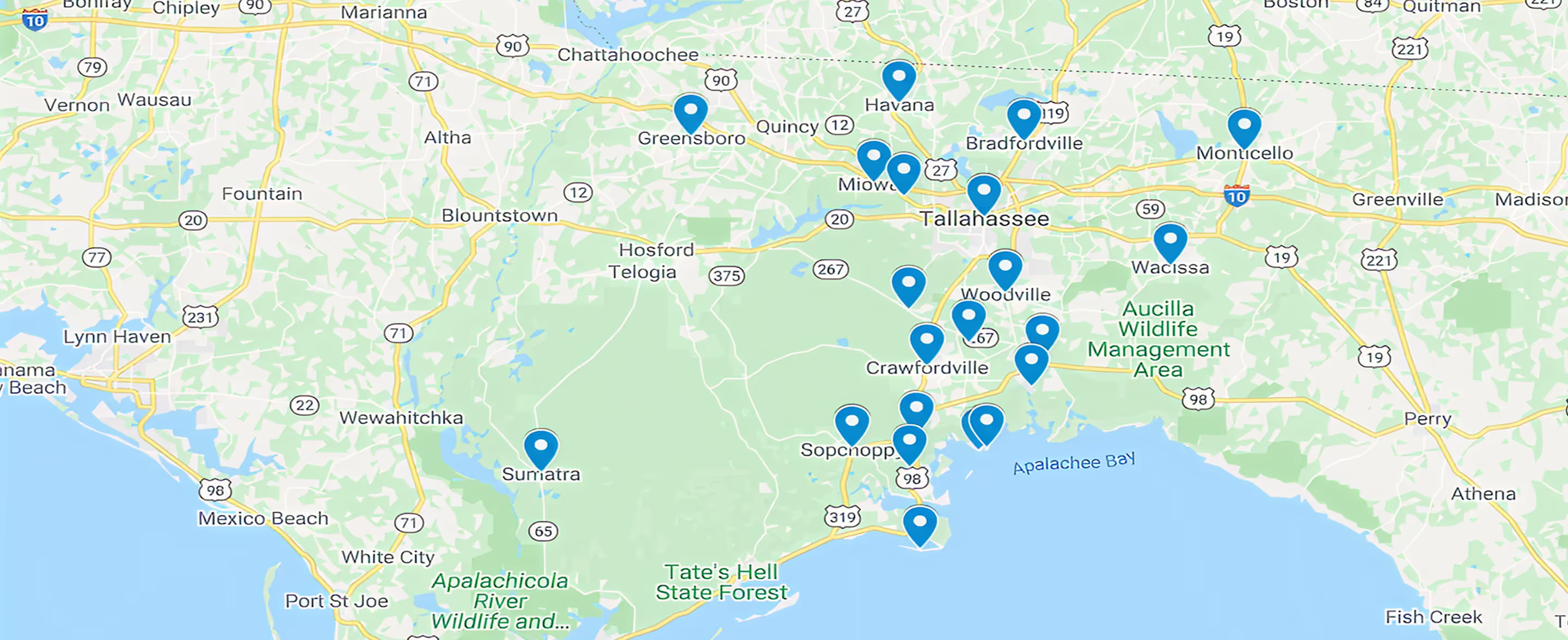
Service coverage focuses on Monticello and surrounding Jefferson County communities, taking into account local climate impacts such as high summer humidity, seasonal pollen, and infrastructure of older homes that may affect installation approaches.
Long-term Benefits and What to Expect from Estimates
Well-executed installation and regular maintenance increase system lifespan, preserve energy efficiency, and maintain reliable comfort throughout Monticello’s hot months. Estimates for installation or major repairs generally include a detailed equipment and labor breakdown, proposed timeline, warranty information, and recommended maintenance intervals so homeowners can compare options and plan for long-term performance.
This overview provides the information Monticello homeowners need to evaluate mini-split options, understand common issues, and set realistic expectations for service quality and outcomes in the local climate.
hear what our satisfied clients have to say
.avif)

I have nothing but great things to say about this company! From the initial call to trouble shoot our old system to the installation of the new system. Maya was awesome and patient with us and the bank. Stratton, Wilton, and Austin did the removal and install of the systems and they were professional and proficient. I will be recommending this company to everyone and anyone! Thank you for making this less stressful then it needed to be. I'm very grateful for the help and comfort they have given me and my family.
We’ve had issues with our a/c unit freezing up off and on for a month or so. Aden from Keith Key came out and checked our system out. He fixed an issue with the bypass valve and also tuned our fan. Additionally we also replaced our thermostats with new T10’s. He took his time and helped me connect all of them to the WiFi and the app.Aden is very friendly and knowledgeable. I haven’t had an issue with my system since. He was also willing to accept the assistance of our overly helpful shih tzu. Call Keith Key and Aden for any issues with hvac systems, they can get it fixed!
Tryston was amazing! So knowledgeable, pleasant and respectful. Keith Key H/A will forever have my family's business
We had a tenant with no heat during the recent 29 degree weather. I called Keith Key Heating and Air before office hours and left my infomation with their answering service. I got a call back from the office promptly at 8:00 a.m. They were able to schedule us for service the same day. The technician arrived at noon, diagnosed the issue and made the repair. The price was quite reasonable. Everyone that we dealt with was friendly, professional and knowledgeable. I would highly recommend them and will be using them again in the future. Thanks Keith Key Heating & Air!!
Heat wasn't working after the sleet storm and being without power for 18 hours. Keith Key sent Trystan the same day as my call. He did a great job (very personable) and got it repaired in no time. Many thanks!
Keith Key HVAC is wonderful! They service our HVAC and just helped me with a super stressful heating issue while I was out of state. They are very organized and professional, and take extra time to explain and follow up. I just love them!
We've called on Keith Key Heating and Air twice for help. Both times, they responded quickly, and were able to make repairs quickly. The techs we've dealt with have been friendly, reliable, professional and knowledgeable. And they don't dig in your pocket like some have been known to do. I honestly don't know what more we could ask for. A solid 10 of 10, and we highly recommend.
Had to replace my AC and Heating unit. Keith Key Heating and Air was very helpful in finding the right unit money wise for me. The young men they sent was courteous and knowledgeable. They made sure everything was up to my standards before they left. If you have trouble I would highly recommend them to you.
Keith Key regularly services both our personal home and one of our rental properties! They are good about communicating to us about the condition of the units at the rental property which is such a relief! We have had to call them for 2 emergencies and both times the techs appeared happy to be there helping us despite being on the weekend! 10/10 recommend.
Service Areas