Mini-split Installation in Monticello, FL

Mini-split installation in Monticello, FL includes a full process from site assessment and load calculations to equipment placement, refrigerant routing, and electrical setup. Homeowners can explore single-zone and multi-zone options, with permitting and code compliance built into the plan. Installers follow step-by-step procedures, post-install testing, and provide a clear timeline. Proper planning ensures improved efficiency, comfort, and indoor air quality, while the final walkthrough includes maintenance tips, scheduling guidance, and expectations for commissioning.
Mini-split Installation in Monticello, FL
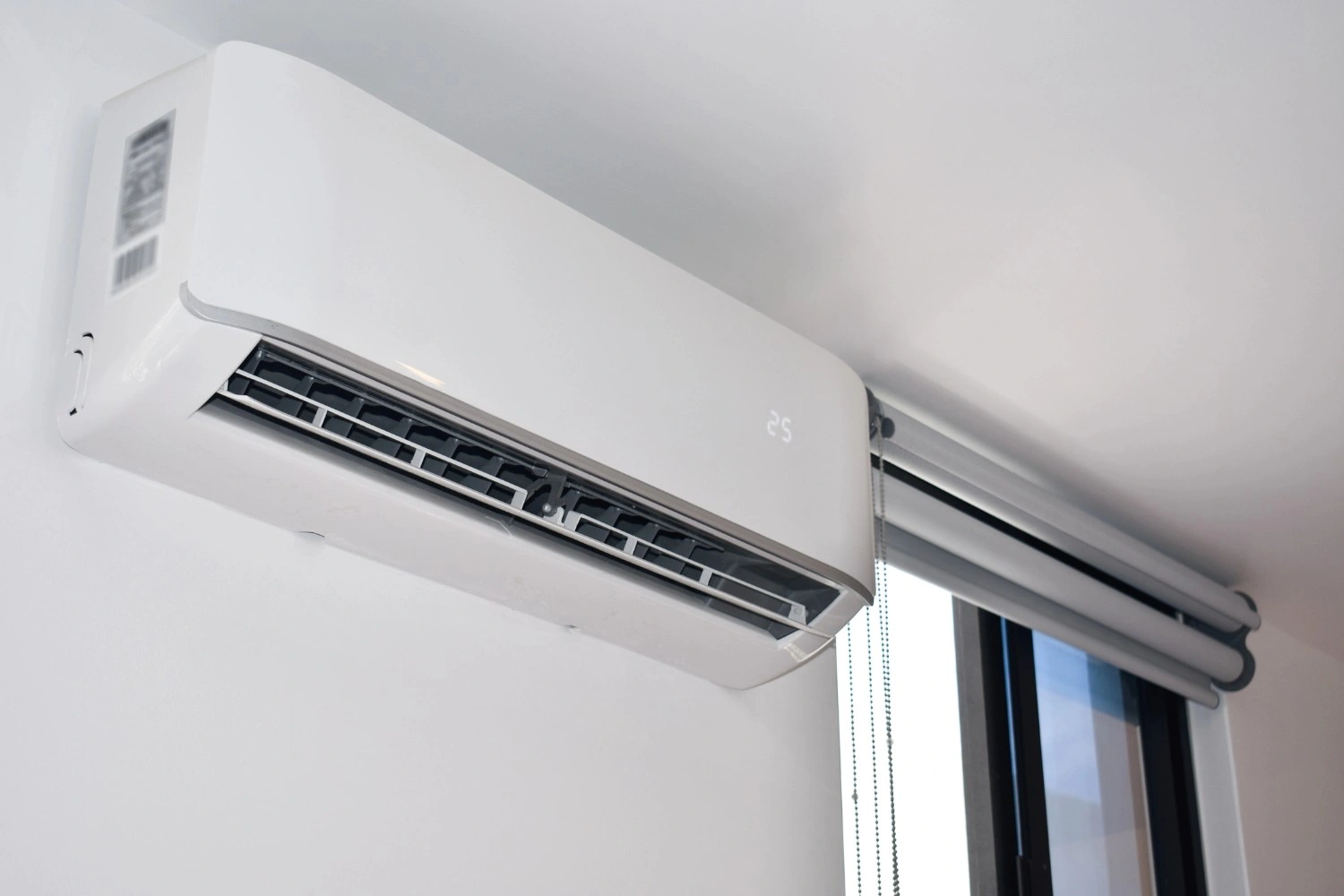
An expert, correctly sized mini-split installation delivers efficient cooling and heating for homes in Monticello, FL, where hot, humid summers and occasional storms make reliable climate control essential. Mini-splits are a ductless alternative for older homes without ductwork, room additions, or areas where extending existing systems is impractical. This page explains the full installation process so you know what to expect: site assessment and load calculation, single-zone versus multi-zone planning, equipment placement and refrigerant line routing, electrical and mounting requirements, permitting and code compliance, step-by-step installer procedures, post-install testing and customer walkthrough, and a realistic timeline for Monticello homes.
Why a mini-split suits Monticello homes
- Many Monticello properties are older or have limited attic space, making ductless systems a practical choice.
- High humidity and long cooling seasons in North Florida increase the value of a system with precise temperature and humidity control.
- Mini-splits allow zoning—cooling or heating only the rooms you use—reducing energy waste compared with whole-house systems.
Common mini-split issues in Monticello, FL
- Undersized systems that struggle on peak-humidity days.
- Improper outdoor unit placement causing restricted airflow or salt/soil exposure.
- Poor refrigerant routing or slope leading to oil/refrigerant return problems.
- Inadequate condensate handling causing interior leaks or mold risk.
- Electrical undersizing or missing disconnects that fail inspection.
Site assessment and load calculation
A proper installation begins with a thorough site assessment and a heating/cooling load calculation. Installers use standard methods (commonly called a Manual J load calculation) to determine capacity needs based on:
- Square footage and ceiling height of each room.
- Construction type, insulation levels, window sizes and orientation.
- Local climate factors: Monticello’s summer heat, humidity, and sun exposure.
- Occupant patterns and internal gains from appliances and lighting.
The result guides whether a single-zone or multi-zone system is best and what capacity each indoor unit requires. Accurate load calculations avoid short-cycling, insufficient comfort, and excessive energy use.
Single-zone vs multi-zone considerations
- Single-zone: One outdoor unit paired with one indoor unit. Best for individual rooms, garages converted to living space, or small apartments.
- Multi-zone: One outdoor unit serving multiple indoor heads (2 to 8+). Ideal for whole-home retrofits where you want independent control for bedrooms, living areas, and additions.Factors to weigh:
- Room layout and load diversity.
- Future expansion—multi-zone systems can be sized to add rooms later.
- Aesthetics and indoor head styles: wall-mounted, floor-mounted, or concealed-duct options.
Equipment placement and refrigerant line routing
Good placement preserves performance and longevity.
- Outdoor unit: locate on a stable pad or bracket with 12–24 inches clearance at sides and 24–36 inches above for airflow. Avoid locations prone to flooding, soil splash, or direct sun exposure. In Monticello, consider hurricane exposure and elevated mounting or anchoring options.
- Indoor heads: place where airflow can cover the occupied area without blowing directly on beds. Keep indoor heads at least 6–8 inches from ceilings for optimal return-air performance.
- Refrigerant lines: route with a consistent upward or downward slope as required by manufacturer to avoid oil traps. Minimize line length where possible—excessive runs reduce efficiency and may require special charging.
Electrical and mounting requirements
- Dedicated circuit: Most indoor/outdoor combinations require a dedicated breaker and proper conductor sizing per unit nameplate. Installers will evaluate panel capacity.
- Disconnect: A local disconnect near the outdoor unit is typically required for safety and inspection.
- Mounting: Wall brackets, concrete pads, or anti-vibration mounts are used depending on location. In hurricane-prone areas like Monticello, secure mounting and vibration isolation are both comfort and code considerations.
- Condensate handling: Plan for a reliable drain path or pump for high-mounted indoor units. Prevent standing water and ensure access for maintenance.
Permitting and code compliance
Local building departments require permits and inspections for mini-split installations. Typical requirements include:
- Mechanical/electrical permit filings showing load calcs and wiring diagrams.
- Licensed HVAC contractor seal or signature.
- Inspection of mounting, electrical work, refrigerant charge practices, and condensate disposal.Be prepared for the installer to handle permit submissions and schedule inspections. Florida-specific weather and wind-load concerns may affect mounting and anchoring details.
Step-by-step installer procedures
- Pre-install planning: final load review, equipment selection, and site prep.
- Mount outdoor unit: set pad or brackets, anchor according to local wind requirements.
- Install indoor heads: secure mounting plates and position for drains and wiring access.
- Route refrigerant lines, drain line, and low-voltage wiring through a neat chase or through-wall penetration with weatherproofing.
- Connect refrigerant lines and perform brazing or flare connections per manufacturer standards.
- Evacuate the system to remove moisture and air, then charge to specified refrigerant level or per pressure/temperature method.
- Complete electrical connections: tie to dedicated circuit and install disconnect.
- Test for leaks and secure all line insulation; repair or seal exterior penetrations.
- Commissioning: run the system through modes to confirm performance, check superheat/subcooling if applicable, verify condensate drainage, and measure airflow and temperatures.
Post-install testing and customer walkthrough
After commissioning, installers should perform a comprehensive test:
- Verify cooling and heating temperature delta across the evaporator coil.
- Confirm proper refrigerant charge and no refrigerant leaks.
- Test electrical connectivity, breaker function, and disconnect accessibility.
- Demonstrate thermostat or remote operation, scheduling, and fan settings to the homeowner.During the walkthrough, expect the installer to point out routine maintenance tasks, filter replacement locations, and how to troubleshoot simple issues like error codes or reset procedures.
Expected timeline for Monticello installations
- Site assessment and load calculation: same-day visit or within 1–3 days depending on scheduling.
- Permit approval: can vary; often 3–10 business days but may be longer depending on local workload.
- Typical installation: 1 to 2 days for a single-zone system; 2 to 4 days for a multi-zone job depending on complexity, line-set routing, and the need for structural modifications.
- Final inspection and commissioning: scheduled after installation; may add an additional 1–7 days depending on inspection availability.
Benefits and maintenance advice
Benefits for Monticello homeowners include targeted comfort, improved indoor air quality, no duct losses, and flexible zoning to reduce energy use. To protect your investment:
- Replace or clean filters every 1–3 months.
- Keep at least 2 feet of clearance around outdoor units and clear vegetation.
- Schedule an annual professional tune-up before the cooling season to check refrigerant levels, electrical connections, and condensate drains.
- In storm season, confirm outdoor unit anchoring and consider temporary panels to protect electronics if needed.
Properly planned and executed mini-split installation in Monticello, FL delivers reliable, efficient comfort tailored to your home’s layout and Florida climate. Knowing the process, permitting needs, and maintenance expectations helps ensure a smooth installation and long-term performance.
hear what our satisfied clients have to say
.avif)

I have nothing but great things to say about this company! From the initial call to trouble shoot our old system to the installation of the new system. Maya was awesome and patient with us and the bank. Stratton, Wilton, and Austin did the removal and install of the systems and they were professional and proficient. I will be recommending this company to everyone and anyone! Thank you for making this less stressful then it needed to be. I'm very grateful for the help and comfort they have given me and my family.
We’ve had issues with our a/c unit freezing up off and on for a month or so. Aden from Keith Key came out and checked our system out. He fixed an issue with the bypass valve and also tuned our fan. Additionally we also replaced our thermostats with new T10’s. He took his time and helped me connect all of them to the WiFi and the app.Aden is very friendly and knowledgeable. I haven’t had an issue with my system since. He was also willing to accept the assistance of our overly helpful shih tzu. Call Keith Key and Aden for any issues with hvac systems, they can get it fixed!
Tryston was amazing! So knowledgeable, pleasant and respectful. Keith Key H/A will forever have my family's business
We had a tenant with no heat during the recent 29 degree weather. I called Keith Key Heating and Air before office hours and left my infomation with their answering service. I got a call back from the office promptly at 8:00 a.m. They were able to schedule us for service the same day. The technician arrived at noon, diagnosed the issue and made the repair. The price was quite reasonable. Everyone that we dealt with was friendly, professional and knowledgeable. I would highly recommend them and will be using them again in the future. Thanks Keith Key Heating & Air!!
Heat wasn't working after the sleet storm and being without power for 18 hours. Keith Key sent Trystan the same day as my call. He did a great job (very personable) and got it repaired in no time. Many thanks!
Keith Key HVAC is wonderful! They service our HVAC and just helped me with a super stressful heating issue while I was out of state. They are very organized and professional, and take extra time to explain and follow up. I just love them!
We've called on Keith Key Heating and Air twice for help. Both times, they responded quickly, and were able to make repairs quickly. The techs we've dealt with have been friendly, reliable, professional and knowledgeable. And they don't dig in your pocket like some have been known to do. I honestly don't know what more we could ask for. A solid 10 of 10, and we highly recommend.
Had to replace my AC and Heating unit. Keith Key Heating and Air was very helpful in finding the right unit money wise for me. The young men they sent was courteous and knowledgeable. They made sure everything was up to my standards before they left. If you have trouble I would highly recommend them to you.
Keith Key regularly services both our personal home and one of our rental properties! They are good about communicating to us about the condition of the units at the rental property which is such a relief! We have had to call them for 2 emergencies and both times the techs appeared happy to be there helping us despite being on the weekend! 10/10 recommend.
Service Areas