Mini-split Replacement in Panacea, FL
This page guides Panacea, FL homeowners through replacing a mini-split system, from assessing coastal challenges to choosing the right replacement. It covers sizing, inverter-driven options, corrosion protection, and energy-efficiency upgrades, including smart controls and insulation. A practical, phased installation timeline is outlined, with steps from pre-replacement assessment to commissioning and maintenance. By emphasizing proper sizing, coastal considerations, and aftercare, the guide helps ensure long-lasting comfort, lower operating costs, and reliable performance in humid, salt-rich environments.
Mini-split Replacement in Panacea, FL
Replacing an aging or failing mini-split system in Panacea, FL is about more than swapping equipment. Coastal humidity, salt air, and the cooling demands of long, hot summers make correct system selection and professional installation essential for long-term comfort, energy savings, and reliability. This page explains the replacement process, how to choose the right replacement mini-split, energy efficiency upgrades to consider, and a realistic installation timeline tailored to Panacea homes.
Why replace a mini-split in Panacea, FL?
- Persistent performance problems: frequent short cycling, reduced cooling or heating capacity, or rising electric bills.
- Age and reliability: most mini-splits begin to lose efficiency or require costly repairs after 10–15 years.
- Outdoor corrosion: salty coastal air accelerates wear on outdoor units and connections, increasing failure risk.
- Moisture and indoor air quality: older systems may struggle with dehumidification in Panacea’s humid climate, leading to discomfort and possible mold issues.
Replacing the unit addresses these issues while improving comfort, lowering operating costs, and reducing the risk of emergency failures during peak seasons.
Common mini-split replacement issues in Panacea
- Corroded condenser coils and fittings from salt exposure.
- Leaking refrigerant lines due to vibration and age.
- Inefficient single-speed compressors that struggle with fluctuating loads.
- Poorly matched indoor/outdoor sizing resulting in inadequate dehumidification.
- Electrical systems undersized for modern inverter-driven units.
Understanding these local challenges helps guide the right replacement choices.
System selection: choosing the right mini-split replacement in Panacea, FL
Selecting the correct replacement involves performance, durability, and compatibility considerations:
- Capacity and sizing: Manual J load calculations determine appropriate BTU capacity for each zone. Oversized units short-cycle and underperform on humidity control; undersized units run continuously.
- Inverter-driven compressors: Variable-speed inverter units provide smoother temperature control, better humidity removal, and lower energy use—well-suited to Panacea’s climate.
- SEER and HSPF ratings: Choose higher SEER/HSPF units for improved seasonal efficiency, especially beneficial given long cooling seasons.
- Multi-zone vs single-zone: Evaluate whether replacing one head or upgrading to a multi-zone system makes sense for whole-home comfort and efficiency.
- Corrosion protection: For coastal installations, select units with protective coatings, corrosion-resistant fasteners, sealed electrical enclosures, and elevated mounting to reduce saltwater and spray exposure.
- Refrigerant type: Modern refrigerants require specific equipment and handling; ensure replacement units and service technicians are compatible with current refrigerant standards.
- Line-set length and placement: Shorter, properly insulated line sets improve efficiency; confirm placement won’t be affected by future landscaping or storm surge.
- Electrical capacity and disconnects: Newer systems may require upgraded breakers, disconnects, or service panels. Plan for any electrical work during replacement.
Energy efficiency upgrades to consider with replacement
Replacing a mini-split is an excellent opportunity to add efficiency and durability upgrades tailored to Panacea households:
- Opt for higher-SEER inverter units for lower operating costs and improved humidity control.
- Add smart controls or Wi-Fi thermostats for scheduling, zone control, and runtime monitoring.
- Upgrade to multi-stage or variable fans to reduce energy draw and improve comfort.
- Improve insulation and weather sealing of the conditioned space to reduce load on the new system.
- Install condensate safety devices and sloped drainage to prevent water damage in humid conditions.
- Choose marine-grade mounting hardware and protective coatings to extend outdoor unit life.
- Consider whole-home ventilation or dehumidification supplements if your home has persistent moisture issues.
These upgrades enhance comfort, protect equipment from Panacea’s coastal conditions, and maximize the value of the replacement.
Mini-split replacement process and installation timeline in Panacea
Typical replacement steps and realistic timing for a standard residential job:
- Pre-replacement assessment (0.5–1 day)
- On-site visit, Manual J load calculation, inspection of current equipment, electrical service review, and discussion of options.
- Equipment selection and ordering (1–7 days)
- Ordering time varies by model and availability; coastal-rated units may take longer to source.
- Site preparation (same day as install)
- Mounting locations confirmed, pad or bracket prep for the outdoor unit, and routing planned for line sets and electrical.
- Removal of old system (0.5 day)
- Recover refrigerant (by certified technician), disconnect, and remove indoor/outdoor components.
- Installation of new system (0.5–2 days)
- Install indoor heads, run refrigerant lines and drain, set outdoor unit, make electrical connections, vacuum lines, and charge refrigerant. Multi-zone or complex installs take longer.
- Commissioning and testing (0.5 day)
- System vacuum and leak test, proper refrigerant charge, airflow balancing, and performance verification under load.
- Owner walkthrough and maintenance instruction (0.25 day)
- Demonstration of operation, filter care, and seasonal service recommendations.
Total typical timeline: a simple single-zone replacement can be completed in 1–2 days after equipment arrives. Multi-zone systems or properties requiring electrical upgrades, permits, or custom mounting can extend the project to several days or longer.
What to expect during installation
- Professionals will recover refrigerant and follow code for disposal and handling.
- Electrical work may include installing a dedicated breaker, disconnect, or minor panel upgrades.
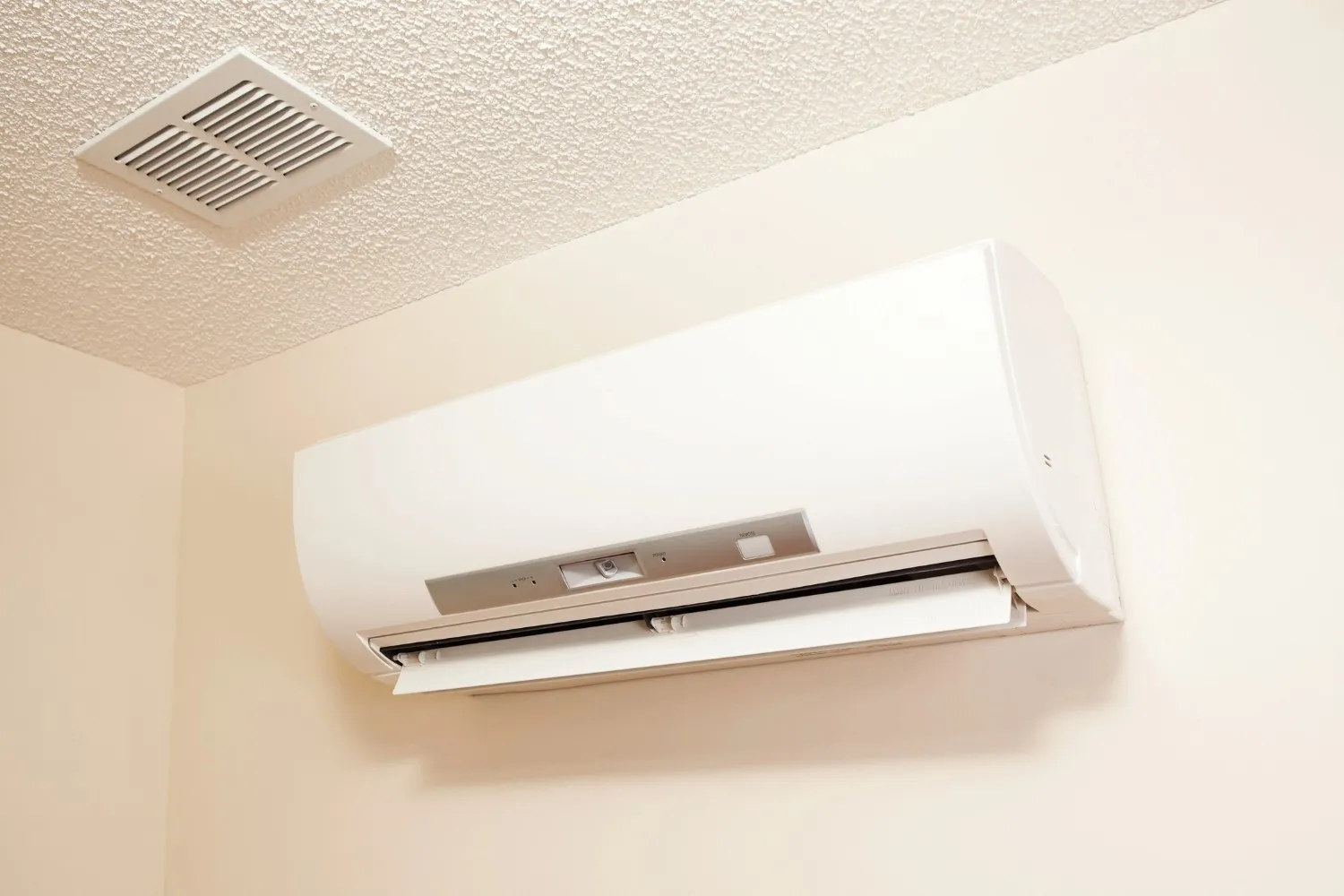
- Indoor units are mounted on walls or ceilings; placement focuses on even airflow, drainage, and avoiding direct sunlight to preserve efficiency.
- Outdoor units should be elevated, secured, and protected from salt spray and debris.
- Technicians perform leak tests, vacuum the system to remove moisture, and apply precise refrigerant charge for optimal performance.
- Final checks include airflow, noise, thermostat calibration, and dehumidification performance.
Risks of improper replacement
- Voided warranties from incorrect installation procedures.
- Refrigerant leaks or improper charging causing poor performance and environmental harm.
- Inadequate corrosion protection leading to premature outdoor unit failure in salt-air environments.
- Poorly sized systems causing humidity, comfort, and energy issues.
- Unsafe electrical connections or overloaded circuits.
Maintenance and aftercare for replaced mini-splits
- Replace or clean filters every 1–3 months depending on use and indoor conditions.
- Schedule annual preventive maintenance: coil cleaning, drain inspection, refrigerant checks, and electrical testing.
- Keep outdoor unit clear of vegetation, sand, and debris; rinse salt buildup periodically with fresh water (follow manufacturer guidance).
- Monitor for unusual noises, persistent cycling, or wet areas near drains—address issues early to avoid larger failures.
Final considerations
A properly planned and executed mini-split replacement in Panacea, FL improves comfort, humidity control, and long-term reliability in a coastal environment. Prioritize correct sizing, inverter technology, and corrosion-resistant features to protect your investment against Panacea’s high humidity and salt exposure. Professional assessment, proper installation, and seasonal maintenance are the keys to maximizing efficiency and equipment life in this region.
hear what our satisfied clients have to say
.avif)

I have nothing but great things to say about this company! From the initial call to trouble shoot our old system to the installation of the new system. Maya was awesome and patient with us and the bank. Stratton, Wilton, and Austin did the removal and install of the systems and they were professional and proficient. I will be recommending this company to everyone and anyone! Thank you for making this less stressful then it needed to be. I'm very grateful for the help and comfort they have given me and my family.
We’ve had issues with our a/c unit freezing up off and on for a month or so. Aden from Keith Key came out and checked our system out. He fixed an issue with the bypass valve and also tuned our fan. Additionally we also replaced our thermostats with new T10’s. He took his time and helped me connect all of them to the WiFi and the app.Aden is very friendly and knowledgeable. I haven’t had an issue with my system since. He was also willing to accept the assistance of our overly helpful shih tzu. Call Keith Key and Aden for any issues with hvac systems, they can get it fixed!
Tryston was amazing! So knowledgeable, pleasant and respectful. Keith Key H/A will forever have my family's business
We had a tenant with no heat during the recent 29 degree weather. I called Keith Key Heating and Air before office hours and left my infomation with their answering service. I got a call back from the office promptly at 8:00 a.m. They were able to schedule us for service the same day. The technician arrived at noon, diagnosed the issue and made the repair. The price was quite reasonable. Everyone that we dealt with was friendly, professional and knowledgeable. I would highly recommend them and will be using them again in the future. Thanks Keith Key Heating & Air!!
Heat wasn't working after the sleet storm and being without power for 18 hours. Keith Key sent Trystan the same day as my call. He did a great job (very personable) and got it repaired in no time. Many thanks!
Keith Key HVAC is wonderful! They service our HVAC and just helped me with a super stressful heating issue while I was out of state. They are very organized and professional, and take extra time to explain and follow up. I just love them!
We've called on Keith Key Heating and Air twice for help. Both times, they responded quickly, and were able to make repairs quickly. The techs we've dealt with have been friendly, reliable, professional and knowledgeable. And they don't dig in your pocket like some have been known to do. I honestly don't know what more we could ask for. A solid 10 of 10, and we highly recommend.
Had to replace my AC and Heating unit. Keith Key Heating and Air was very helpful in finding the right unit money wise for me. The young men they sent was courteous and knowledgeable. They made sure everything was up to my standards before they left. If you have trouble I would highly recommend them to you.
Keith Key regularly services both our personal home and one of our rental properties! They are good about communicating to us about the condition of the units at the rental property which is such a relief! We have had to call them for 2 emergencies and both times the techs appeared happy to be there helping us despite being on the weekend! 10/10 recommend.
Service Areas