Mini-split Installation in Panacea, FL
Panacea, FL residents can expect a thorough, coastally aware mini-split installation that ensures efficient, zone-based comfort with minimal invasive work. The guide covers site assessment, load calculations, equipment selection, and precise placement to combat humidity, salt exposure, and solar heat. It details compliant refrigerant and electrical work, permits, and a realistic timeline, followed by post-installation testing, a walkthrough, and maintenance recommendations designed to extend system life and reduce ongoing costs in coastal environments over time.
Mini-split Installation in Panacea, FL
Mini-split installation in Panacea, FL brings an efficient, flexible cooling and heating option tailored to coastal homes, cottages, and retrofits where ductwork is impractical. In Panacea the combination of high humidity, salty air, and warm temperatures increases cooling demand and corrosion risk, so a properly planned installation matters for comfort, energy savings, and long-term reliability. This page describes the end-to-end mini-split installation process, common issues we address in Panacea homes, and maintenance guidance to keep your system performing in a coastal environment.
Why a mini-split is right for Panacea homes
Mini-splits are ideal for Panacea because they:
- Provide zoned temperature control for rooms with varying sun exposure or occupancy.
- Require minimal invasive work, making them suitable for older cottages and homes without ducts.
- Offer high seasonal efficiency and inverter-driven compressors that reduce energy use during Florida summers.
- Deliver dehumidification benefits important in Panacea humidity levels, reducing mold and improving comfort.
Common mini-split installation issues in Panacea, FL
Homeowners in Panacea frequently face these challenges that proper installation solves:
- Salt corrosion on outdoor units if not sited or protected correctly.
- Inadequate capacity from undersized systems that struggle in high humidity and solar gain.
- Poor indoor unit placement causing uneven airflow or short cycling.
- Noncompliant electrical or permitting work leading to inspection delays.
- Refrigerant line routing that allows water intrusion or creates long, inefficient runs.
Site assessment and load calculations
A correct installation starts with a thorough site assessment and accurate load calculation. Technicians evaluate:
- Square footage, ceiling heights, insulation levels, number and orientation of windows, and shade from local trees.
- Internal heat gains from occupants and appliances, and local solar exposure typical of Panacea.
- Any moisture or ventilation issues that affect latent cooling requirements.
A Manual J style load calculation determines the properly sized mini-split system. In Panacea this often results in equipment sized for higher sensible and latent loads than interior Florida locations because of coastal humidity and direct sun on west and south facing walls.
Equipment selection and placement
Selecting the right system involves matching capacity, efficiency, and materials to the coastal environment:
- Choose inverter-driven heat pumps with high SEER/HSPF ratings for year-round efficiency.
- Consider models with enhanced anti-corrosion coatings or stainless-steel components for outdoor condensers.
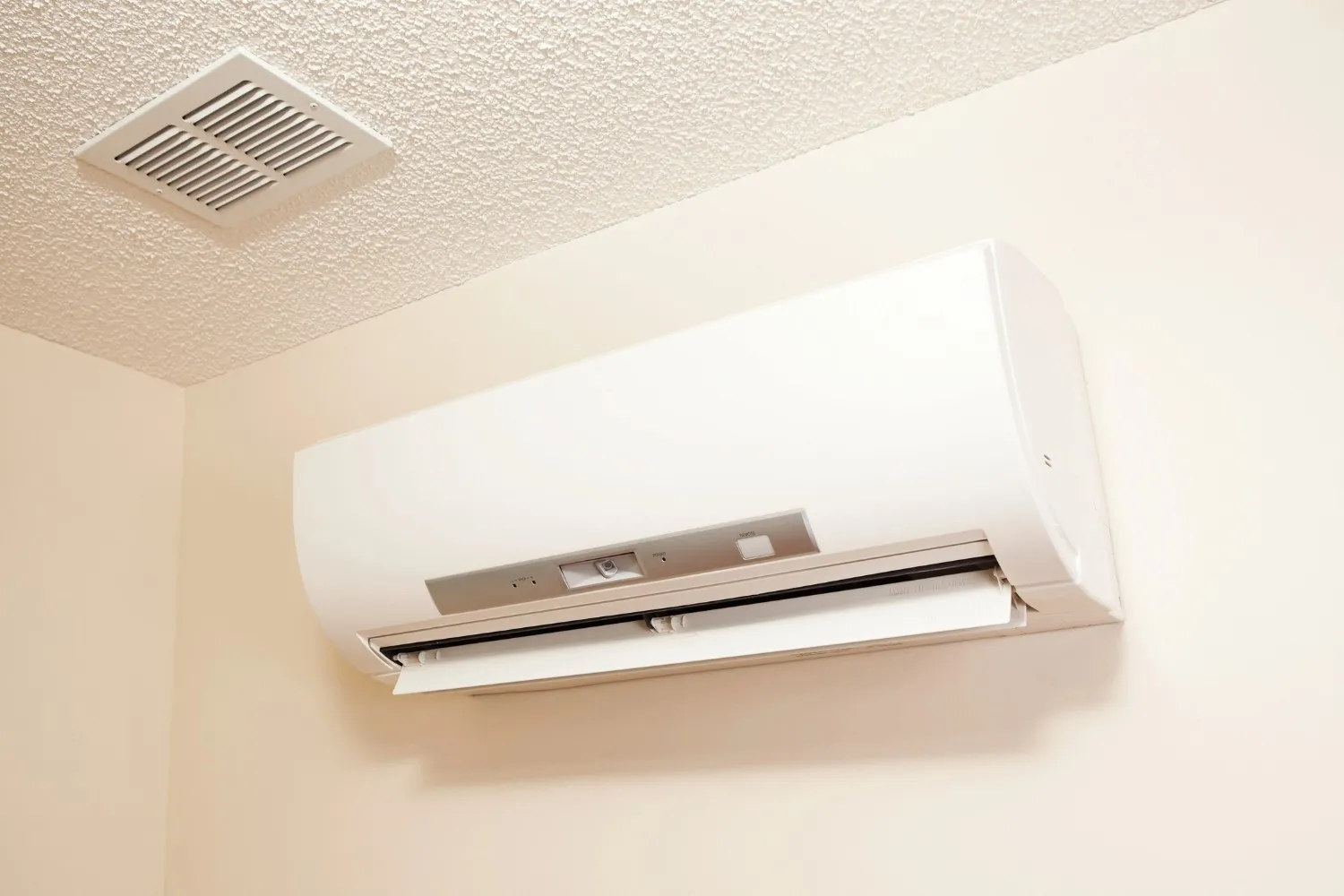
- Choose indoor unit styles that fit your space: wall-mounted heads for bedrooms, ducted or low-profile ceiling cassettes for open living areas, or multi-zone systems for whole-house comfort.Placement best practices:
- Position outdoor units on elevated, well-ventilated pads away from direct salt spray and with clearance for service access.
- Mount indoor heads on interior walls with clear airflow paths, avoiding locations above windows or behind large obstructions.
- Route lines to minimize length while maintaining proper slope to drain condensate and reduce refrigerant line heat gain.
Refrigerant line and electrical work
A compliant, safe installation includes professional refrigerant and electrical work:
- Properly sized copper refrigerant lines with insulation rated for humid climates, routed through sealed penetrations to prevent moisture intrusion.
- Line sets brazed and pressure tested, with nitrogen purge during brazing to avoid oxidation.
- Correct electrical supply, including a dedicated circuit, proper breaker size, disconnect at the outdoor unit per Florida Building Code requirements, and equipment grounding.
- Conduit and wiring installed to local code, with surge protection recommended for coastal lightning exposure.
Permitting and code compliance in Panacea
Installations must meet Florida Building Code and local Wakulla County permitting requirements. The permitting process typically covers:
- Submission of equipment specifications, load calculations, and wiring diagrams.
- Inspections for structural mounting, refrigerant work, and electrical connections.
- Compliance with energy-efficiency standards and hurricane safety requirements if applicable.
Accounting for permitting from the start avoids installation delays and ensures the system meets local standards for safety and performance.
Typical installation timeline
A standard installation timeline for a single-zone mini-split in Panacea usually follows:
- Initial site assessment and load calculations: same-day visit or within a few days.
- Permit submission and approval: variable, typically a few days to a couple of weeks depending on county workload.
- Installation day(s): 1 to 3 days for a single-zone system, longer for multi-zone or complex routing.
- Final inspection and commissioning: scheduled after installation and required before final sign-off.
Scheduling with permit timelines in mind provides realistic expectations for homeowners.
Post-installation testing and customer walkthrough
After installation, technicians perform thorough testing:
- Vacuum and leak testing of refrigerant lines, followed by correct charge measured by superheat and subcooling methods.
- Verification of system airflow, temperature split across the coil, and proper condensate drainage.
- Electrical checks including voltage, amperage, and correct breaker protection.A customer walkthrough explains system operation, thermostat or app controls, filter access and replacement, and season-specific settings. Technicians also provide documentation of installed equipment, serial numbers, and the work completed.
Warranty and maintenance recommendations
To protect your investment in Panacea, FL, follow these warranty and maintenance guidelines:
- Keep manufacturer warranty documentation and ensure installations respect manufacturer mounting and clearances to preserve coverage.
- Maintain an installer workmanship warranty for labor performed.
- Schedule annual maintenance that includes coil cleaning, filter replacement or cleaning, condensate drain inspection, refrigerant and electrical checks, and inspection for salt corrosion.
- Consider a corrosion-prevention treatment for outdoor units and elevated mounting in flood-prone or salt-spray areas.
- Use recommended settings for humidity control and enable programmable schedules or smart controls to reduce runtime during lower-demand periods.
Benefits and long-term value
A professionally executed mini-split installation in Panacea, FL delivers:
- Improved comfort and humidity control tailored to coastal conditions.
- Lower operating costs through efficient inverter compressors and zoned control.
- Less invasive installation compared to ducted systems, ideal for retrofits.
- Extended equipment life when paired with corrosion protection and routine maintenance.
Proper planning, local-code-compliant work, and climate-conscious equipment choices ensure your mini-split performs reliably in Panacea homes. Following the steps above minimizes common issues and maximizes energy efficiency and comfort for years to come.
hear what our satisfied clients have to say
.avif)

I have nothing but great things to say about this company! From the initial call to trouble shoot our old system to the installation of the new system. Maya was awesome and patient with us and the bank. Stratton, Wilton, and Austin did the removal and install of the systems and they were professional and proficient. I will be recommending this company to everyone and anyone! Thank you for making this less stressful then it needed to be. I'm very grateful for the help and comfort they have given me and my family.
We’ve had issues with our a/c unit freezing up off and on for a month or so. Aden from Keith Key came out and checked our system out. He fixed an issue with the bypass valve and also tuned our fan. Additionally we also replaced our thermostats with new T10’s. He took his time and helped me connect all of them to the WiFi and the app.Aden is very friendly and knowledgeable. I haven’t had an issue with my system since. He was also willing to accept the assistance of our overly helpful shih tzu. Call Keith Key and Aden for any issues with hvac systems, they can get it fixed!
Tryston was amazing! So knowledgeable, pleasant and respectful. Keith Key H/A will forever have my family's business
We had a tenant with no heat during the recent 29 degree weather. I called Keith Key Heating and Air before office hours and left my infomation with their answering service. I got a call back from the office promptly at 8:00 a.m. They were able to schedule us for service the same day. The technician arrived at noon, diagnosed the issue and made the repair. The price was quite reasonable. Everyone that we dealt with was friendly, professional and knowledgeable. I would highly recommend them and will be using them again in the future. Thanks Keith Key Heating & Air!!
Heat wasn't working after the sleet storm and being without power for 18 hours. Keith Key sent Trystan the same day as my call. He did a great job (very personable) and got it repaired in no time. Many thanks!
Keith Key HVAC is wonderful! They service our HVAC and just helped me with a super stressful heating issue while I was out of state. They are very organized and professional, and take extra time to explain and follow up. I just love them!
We've called on Keith Key Heating and Air twice for help. Both times, they responded quickly, and were able to make repairs quickly. The techs we've dealt with have been friendly, reliable, professional and knowledgeable. And they don't dig in your pocket like some have been known to do. I honestly don't know what more we could ask for. A solid 10 of 10, and we highly recommend.
Had to replace my AC and Heating unit. Keith Key Heating and Air was very helpful in finding the right unit money wise for me. The young men they sent was courteous and knowledgeable. They made sure everything was up to my standards before they left. If you have trouble I would highly recommend them to you.
Keith Key regularly services both our personal home and one of our rental properties! They are good about communicating to us about the condition of the units at the rental property which is such a relief! We have had to call them for 2 emergencies and both times the techs appeared happy to be there helping us despite being on the weekend! 10/10 recommend.
Service Areas