Mini-split Repair in Havana, FL
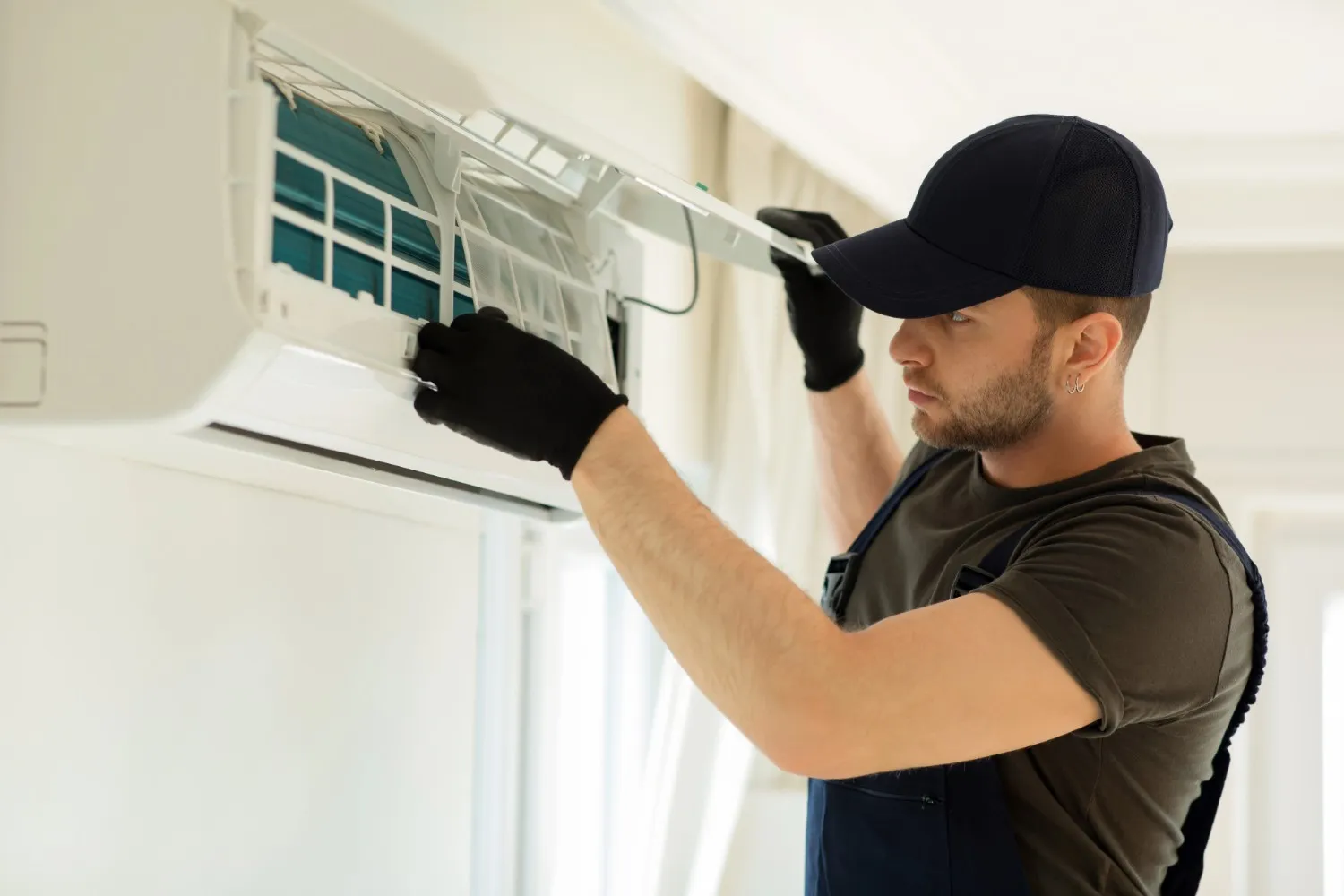
Mini-split repair services in Havana, FL provide structured diagnostics, timely repairs, and clear timelines for common issues such as compressor faults, refrigerant leaks, and electrical faults. Technicians perform staged inspections, electrical tests, refrigerant checks, and safety verifications, then propose options from minor fixes to full component replacements. Emergency repairs are available after storms, with emphasis on safety and rapid stabilization. Homeowners can follow simple troubleshooting steps and schedule visits, while preventive maintenance helps extend system life and improve energy efficiency.
Mini-split Repair in Havana, FL
Mini-split Repair in Havana, FL addresses a common need for reliable cooling and heating in homes across Gadsden County. In Havana’s hot, humid summers and variable shoulder seasons, malfunctioning mini-splits quickly create discomfort and can lead to higher energy use or secondary damage like moisture buildup. This page explains the typical failure modes, the step-by-step diagnostic process technicians use, realistic repair timelines, parts and warranty considerations, emergency repair availability, practical homeowner troubleshooting, and how scheduling is normally handled in Havana, FL.
Why timely mini-split repair matters in Havana, FL
Havana experiences long periods of high humidity and frequent heavy storms during hurricane season. Those conditions accelerate corrosion on outdoor units, stress electrical components during power interruptions, and increase the likelihood that refrigerant leaks or drainage problems will cause indoor moisture issues. Prompt diagnosis and repair preserves comfort, prevents indoor air quality problems, and lowers long-term operating costs.
Common mini-split issues in Havana homes
- Compressor faults and inverter board failures: Symptoms include no cooling or heating, error codes on the indoor display, loud startup noises, or frequent cycling.
- Refrigerant leaks: Reduced cooling capacity, ice on the evaporator coil, or hissing sounds indicate low refrigerant.
- Electrical problems: Tripped breakers, burned terminals, or intermittent operation often point to wiring, contactor, capacitor, or control board issues.
- Fan and motor problems: Outdoor or indoor fan not spinning, unusual grinding or squealing, or reduced airflow caused by motor wear, bearings, or debris buildup.
- Drainage and condensate issues: Clogged drain lines or improper slope cause water leaks, stains, or secondary humidity problems indoors.
- Sensor and control faults: Thermistor or thermostat errors can produce incorrect temperatures or system lockouts.
- Physical corrosion or debris: Outdoor unit deterioration from humidity, pollen, and roadside dust affecting heat exchange efficiency.
Step-by-step diagnostic process
Technicians follow a structured diagnostic workflow to identify the root cause and propose the least invasive repair:
- Initial inspection and symptom review
- Confirm the reported behavior, note error codes, and review system age, model, and service history.
- Visual and mechanical check
- Inspect indoor and outdoor units for obvious damage, debris, loose wiring, and drainage condition.
- Electrical and control testing
- Measure supply voltage, check breakers and fuses, test capacitors, relays, and the inverter control board for proper function.
- Refrigeration system evaluation
- Measure operating pressures and temperatures, check superheat and subcooling where applicable, and perform leak detection using electronic detectors or dye if needed.
- Airflow and motor testing
- Evaluate blower motors, fan blades, and ducts/air handlers for obstructions and proper RPM.
- Confirm diagnosis and provide repair plan
- Document findings and outline options: minor repairs, component replacements, or system recovery and retest.
Technicians in Havana often add a corrosion check due to the region’s humidity and perform power-restore safety checks after storm-related outages.
Repair solutions, parts, and warranty considerations
- Typical repairs include capacitor or contactor replacement, inverter board repair or replacement, refrigerant leak repair and recharge, compressor replacement, motor or fan replacement, and drain line clearing.
- OEM vs aftermarket parts: OEM parts match original specifications and are preferred when a manufacturer warranty remains active. Quality aftermarket parts may be used when OEM parts are unavailable, but compatibility and long-term reliability should be verified.
- Warranty considerations: Manufacturer warranties usually cover specific components for set terms and may void if non-certified technicians alter the system. Labor warranties are commonly offered by service providers for a defined period after repair. Always retain receipts and detailed service reports to support warranty claims.
- Long-term fixes may include replacing corroded outdoor components with corrosion-resistant options or upgrading electrical protection to reduce storm-related failures.
Expected repair timelines
- Minor repairs (filter changes, drain clearing, capacitor or fan motor swap) can often be completed the same day or within 24 hours if parts are on hand.
- Intermediate repairs (inverter board replacement, refrigerant leak repair and recharge) typically take 24 to 72 hours, depending on parts availability and the need for leak repair and leak testing time.
- Major repairs (compressor replacement or full outdoor condensing unit swap) can take several days to a week when ordering parts is required and when recovery, evacuation, and refrigerant handling are necessary.Repair timelines in Havana may be extended after severe weather events when parts demand increases and technicians prioritize safety and system inspections.
Emergency repair availability
Emergency repair service is available for urgent failures such as complete cooling loss during extreme heat, active refrigerant leaks, or electrical hazards. After-hours response and expedited diagnostics are commonly provided to address safety risks and restore basic comfort quickly. Emergency repairs will focus on stabilizing the system and preventing further damage while arranging longer-term solutions if needed.
Troubleshooting tips homeowners can try safely
- Check power and controls: Verify the mini-split is receiving power, reset tripped breakers, and ensure the remote or wall controller batteries are functional.
- Clean or replace filters: Restricted airflow is a common cause of poor performance. Clean filters monthly during heavy use.
- Inspect outdoor unit clearance: Remove leaves, grass clippings, or debris from around the outdoor unit to maintain airflow.
- Look for visible leaks: Refrigerant leaks are best handled by professionals, but spotting oil residue or frost on lines can help technicians find the issue faster.
- Confirm thermostat settings: Ensure mode, setpoint, and fan settings are appropriate before calling for service.
- Avoid DIY refrigerant work: Refrigerant handling requires certified technicians and proper equipment.
If the problem involves electrical burning smells, visible smoke, significant water inside the indoor unit, or lack of power to the system, discontinue use and seek professional service immediately.
How scheduling and service visits typically proceed in Havana
Homeowners usually provide system details (make, model, age), describe symptoms, and note recent events like storms or power outages. A technician will confirm appointment availability, provide an estimated arrival window, and request safe access instructions. On arrival, the technician conducts the diagnostic workflow, explains findings and recommended options, and proceeds with agreed repairs. After repair, system performance is tested and owners receive a service summary documenting parts replaced, measurements taken, and any warranty notes.
Preventive maintenance recommendations for Havana homeowners
- Schedule seasonal tune-ups before peak cooling demand to check refrigerant charge, clean coils, inspect electrical components, and verify drainage.
- Install or maintain surge protection to mitigate damage from frequent storms and power fluctuations in the region.
- Keep outdoor units clear of vegetation and consider protective covers during prolonged inactivity, while ensuring airflow is not obstructed.
- Consider biannual inspections for coastal or high-humidity exposures to monitor corrosion and early wear.
Timely mini-split repair and proactive maintenance in Havana, FL preserve comfort, improve energy efficiency, and extend system life, especially given the local climate stresses on HVAC equipment.
hear what our satisfied clients have to say
.avif)

I have nothing but great things to say about this company! From the initial call to trouble shoot our old system to the installation of the new system. Maya was awesome and patient with us and the bank. Stratton, Wilton, and Austin did the removal and install of the systems and they were professional and proficient. I will be recommending this company to everyone and anyone! Thank you for making this less stressful then it needed to be. I'm very grateful for the help and comfort they have given me and my family.
We’ve had issues with our a/c unit freezing up off and on for a month or so. Aden from Keith Key came out and checked our system out. He fixed an issue with the bypass valve and also tuned our fan. Additionally we also replaced our thermostats with new T10’s. He took his time and helped me connect all of them to the WiFi and the app.Aden is very friendly and knowledgeable. I haven’t had an issue with my system since. He was also willing to accept the assistance of our overly helpful shih tzu. Call Keith Key and Aden for any issues with hvac systems, they can get it fixed!
Tryston was amazing! So knowledgeable, pleasant and respectful. Keith Key H/A will forever have my family's business
We had a tenant with no heat during the recent 29 degree weather. I called Keith Key Heating and Air before office hours and left my infomation with their answering service. I got a call back from the office promptly at 8:00 a.m. They were able to schedule us for service the same day. The technician arrived at noon, diagnosed the issue and made the repair. The price was quite reasonable. Everyone that we dealt with was friendly, professional and knowledgeable. I would highly recommend them and will be using them again in the future. Thanks Keith Key Heating & Air!!
Heat wasn't working after the sleet storm and being without power for 18 hours. Keith Key sent Trystan the same day as my call. He did a great job (very personable) and got it repaired in no time. Many thanks!
Keith Key HVAC is wonderful! They service our HVAC and just helped me with a super stressful heating issue while I was out of state. They are very organized and professional, and take extra time to explain and follow up. I just love them!
We've called on Keith Key Heating and Air twice for help. Both times, they responded quickly, and were able to make repairs quickly. The techs we've dealt with have been friendly, reliable, professional and knowledgeable. And they don't dig in your pocket like some have been known to do. I honestly don't know what more we could ask for. A solid 10 of 10, and we highly recommend.
Had to replace my AC and Heating unit. Keith Key Heating and Air was very helpful in finding the right unit money wise for me. The young men they sent was courteous and knowledgeable. They made sure everything was up to my standards before they left. If you have trouble I would highly recommend them to you.
Keith Key regularly services both our personal home and one of our rental properties! They are good about communicating to us about the condition of the units at the rental property which is such a relief! We have had to call them for 2 emergencies and both times the techs appeared happy to be there helping us despite being on the weekend! 10/10 recommend.
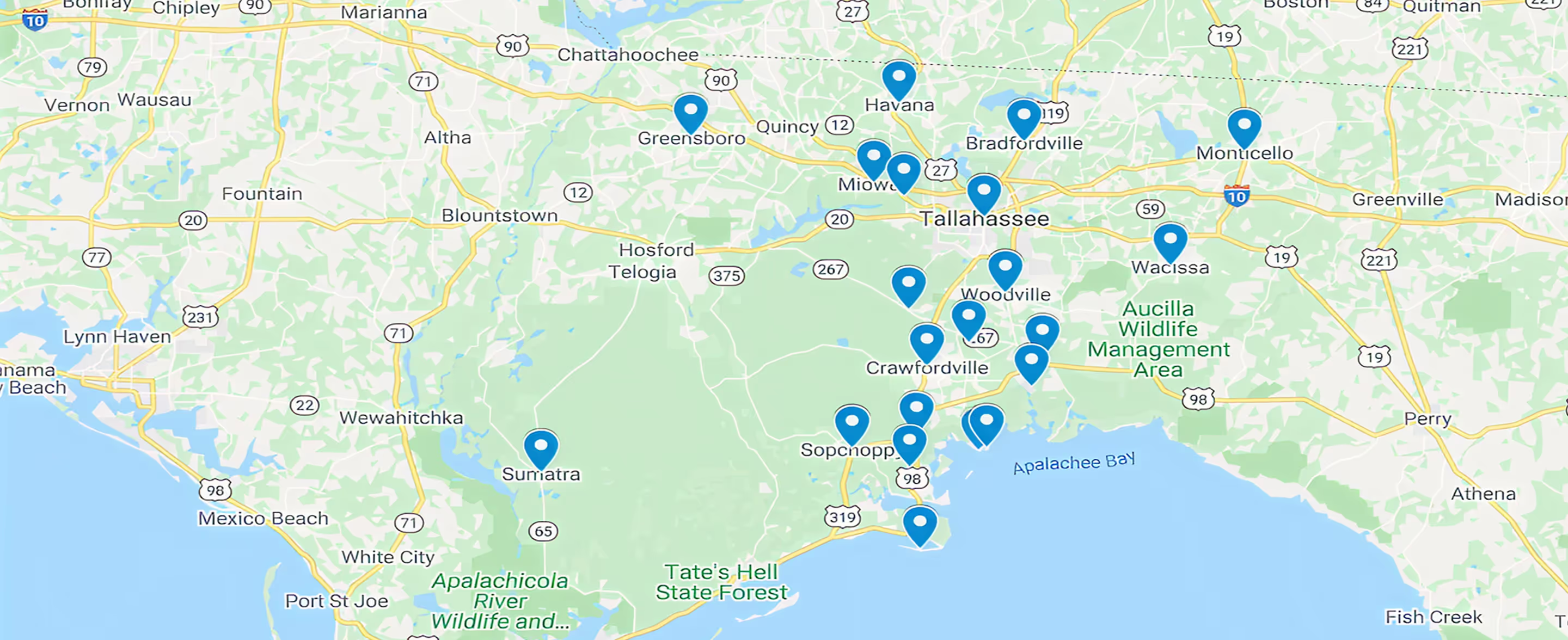
Service Areas