Mini-split Maintenance in Sopchoppy, FL

Mini-split maintenance in Sopchoppy, FL outlines a thorough, preventative program designed to keep ductless systems efficient, reliable, and long-lasting. The guide identifies common issues such as dirty filters, dirty coils, condensate problems, refrigerant leaks, outdoor corrosion, electrical wear, and restricted airflow, and explains how a comprehensive service plan systematically addresses them. It covers inspections, cleaning, refrigerant checks, electrical safety, performance testing, and outdoor unit care, plus seasonal recommendations and home maintenance tips to protect comfort and investment.
Mini-split Maintenance in Sopchoppy, FL
Keeping your mini-split system properly maintained is essential for reliable comfort, lower energy bills, and longer equipment life in Sopchoppy, FL. With hot, humid summers, high pollen counts, and coastal influences from the nearby Gulf of Mexico, ductless mini-splits face unique stresses that make routine preventive care more important here than in milder climates. This page explains common mini-split maintenance needs in Sopchoppy, what a thorough service program includes, seasonal recommendations, and practical tips to keep your system running efficiently.
Common mini-split maintenance issues in Sopchoppy, FL
Mini-splits in this region commonly encounter problems that reduce performance and raise operating costs. Typical issues include:
- Clogged or dirty filters leading to reduced airflow and strained indoor units
- Dirty evaporator and condenser coils that lower heat transfer efficiency
- Condensate drain clogs causing water leaks, odors, and mold growth in high-humidity months
- Low refrigerant or slow leaks that reduce cooling capacity and can damage compressors
- Corrosion and salt exposure on outdoor units near the Gulf causing premature component failure
- Electrical wear or loose connections from frequent cycling during hot spells
- Reduced airflow from blocked condensate drip pans or obstructed outdoor units due to vegetation
Understanding these common problems helps prioritize the preventive steps that keep a mini-split performing well in Sopchoppy homes.
What a comprehensive mini-split maintenance program covers
A full-service maintenance program for mini-splits should be systematic and repeatable. A typical program includes:
- Scheduled inspections: Visual and operational checks of indoor and outdoor units, mounts, and refrigerant lines.
- Filter cleaning or replacement: Washing or swapping filters to restore airflow and indoor air quality.
- Coil cleaning: Removing dust, pollen, and biological growth from evaporator and condenser coils to restore heat transfer.
- Drain line and pan cleaning: Clearing condensate lines and disinfecting drain pans to prevent clogs, leaks, and mold.
- Refrigerant level and leak checks: Verifying correct refrigerant charge and inspecting for signs of leaks.
- Electrical safety inspection: Tightening connections, testing capacitors, contactors, and controls to prevent failures.
- Performance testing and airflow optimization: Measuring airflow, temperature split, and system cycling to confirm efficient operation.
- Outdoor unit care: Clearing debris, checking for corrosion, and ensuring proper mounting and airflow around the condenser.
- Seals and insulation checks: Inspecting refrigerant line insulation and equipment seals to prevent condensation and energy loss.
Each item is performed with equipment off when appropriate and in accordance with manufacturer guidelines, ensuring safety and warranty compliance.
Diagnostic and maintenance process — what to expect
A methodical maintenance visit typically follows these steps:
- Start with a visual inspection of indoor heads, outdoor condenser, wall or line-set penetrations, and remote controls.
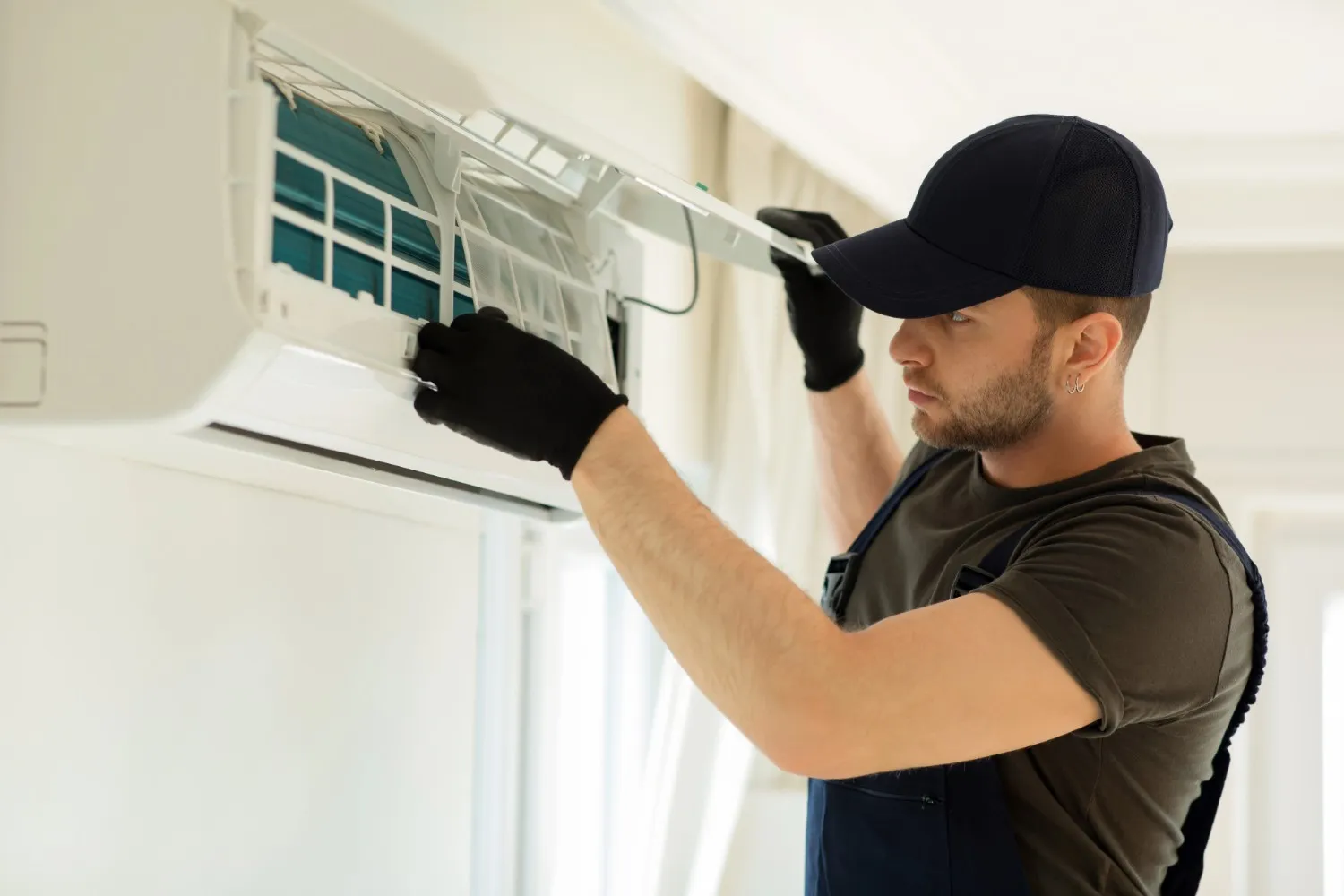
- Power down the system and clean or replace filters. Homeowner-cleanable filters are often washed on site and dried before reinstalling.
- Clean evaporator and condenser coils using appropriate, non-corrosive cleaners; remove debris around the outdoor unit and check for bent fins.
- Inspect and flush condensate drain and pan. Treat for biological growth if needed to prevent recurring odors and blockages in Sopchoppy’s humid environment.
- Check refrigerant pressures and temperatures to confirm proper charge and identify potential leaks.
- Test electrical components, verify safe wiring and proper voltage, and measure motor amperage to detect excessive load.
- Run a performance test while operating to measure temperature split, airflow, and cycling behavior. Adjust fan speeds and settings to optimize comfort and efficiency.
- Document findings and recommend corrective repairs or follow up visits for any identified issues requiring parts or extended service.
This approach ensures problems are caught early before they become costly failures.
Benefits of regular mini-split maintenance in Sopchoppy
Regular preventive maintenance delivers measurable benefits for homeowners in this region:
- Improved efficiency and lower energy bills: Clean coils and proper refrigerant charge reduce run time and energy consumption.
- Greater reliability during peak heat: Well-maintained units are less likely to fail during hot, humid stretches.
- Extended equipment life: Routine care reduces wear on compressors, fans, and electrical parts.
- Better indoor air quality: Clean filters and drains reduce dust, pollen, and microbial growth—important during high pollen seasons.
- Reduced risk of costly repairs: Early detection of refrigerant leaks, corrosion, or electrical issues prevents more expensive failures.
- Safety and warranty protection: Documented maintenance often aligns with manufacturer requirements for warranty coverage.
Maintenance plans and what to look for in Sopchoppy service agreements
When evaluating mini-split maintenance plans in Sopchoppy, consider features that address local needs:
- Frequency options, typically biannual visits timed before summer and again after peak humidity months
- Inclusion of outdoor unit corrosion inspections and coil conditioning for coastal exposure
- Drain line treatment and mold prevention measures for high humidity environments
- Priority scheduling after storms and inspections following severe weather events
- Clear documentation of services performed and findings to support warranty claims
Plan tiers commonly range from basic tune-up inspections to comprehensive programs that include cleaning, testing, and preventive parts replacement. Select a plan that matches system age, usage patterns, and exposure to salt or vegetation.
Seasonal recommendations for Sopchoppy homeowners
- Spring pre-summer tune-up: Schedule a full inspection in late spring to ensure peak cooling before the hottest months.
- Hurricane season preparedness: Inspect outdoor units and line-set penetrations before and after storm season; check mounts and fasteners for storm damage.
- Post-storm check: After heavy storms or flooding, inspect for water intrusion, corrosion, and electrical damage.
- Fall or winter check if used for heating: If your mini-split provides heat in cooler months, a fall check ensures reliable operation when needed.
Practical homeowner maintenance tips
- Clean or wash washable filters every 1 to 3 months during heavy use.
- Keep outdoor units clear of vegetation, grass clippings, and salt spray buildup.
- Avoid covering outdoor units in a way that traps moisture; follow manufacturer guidance.
- Monitor for warning signs: rising energy bills, reduced airflow, unusual noises, water leaks, or persistent odors.
- After storms, inspect visible components and schedule a professional follow-up if anything looks damaged.
Regular mini-split maintenance in Sopchoppy, FL protects comfort and investment. In this humid, coastal environment, a preventive program tailored to local conditions prevents downtime, improves efficiency, and extends equipment life.
hear what our satisfied clients have to say
.avif)

I have nothing but great things to say about this company! From the initial call to trouble shoot our old system to the installation of the new system. Maya was awesome and patient with us and the bank. Stratton, Wilton, and Austin did the removal and install of the systems and they were professional and proficient. I will be recommending this company to everyone and anyone! Thank you for making this less stressful then it needed to be. I'm very grateful for the help and comfort they have given me and my family.
We’ve had issues with our a/c unit freezing up off and on for a month or so. Aden from Keith Key came out and checked our system out. He fixed an issue with the bypass valve and also tuned our fan. Additionally we also replaced our thermostats with new T10’s. He took his time and helped me connect all of them to the WiFi and the app.Aden is very friendly and knowledgeable. I haven’t had an issue with my system since. He was also willing to accept the assistance of our overly helpful shih tzu. Call Keith Key and Aden for any issues with hvac systems, they can get it fixed!
Tryston was amazing! So knowledgeable, pleasant and respectful. Keith Key H/A will forever have my family's business
We had a tenant with no heat during the recent 29 degree weather. I called Keith Key Heating and Air before office hours and left my infomation with their answering service. I got a call back from the office promptly at 8:00 a.m. They were able to schedule us for service the same day. The technician arrived at noon, diagnosed the issue and made the repair. The price was quite reasonable. Everyone that we dealt with was friendly, professional and knowledgeable. I would highly recommend them and will be using them again in the future. Thanks Keith Key Heating & Air!!
Heat wasn't working after the sleet storm and being without power for 18 hours. Keith Key sent Trystan the same day as my call. He did a great job (very personable) and got it repaired in no time. Many thanks!
Keith Key HVAC is wonderful! They service our HVAC and just helped me with a super stressful heating issue while I was out of state. They are very organized and professional, and take extra time to explain and follow up. I just love them!
We've called on Keith Key Heating and Air twice for help. Both times, they responded quickly, and were able to make repairs quickly. The techs we've dealt with have been friendly, reliable, professional and knowledgeable. And they don't dig in your pocket like some have been known to do. I honestly don't know what more we could ask for. A solid 10 of 10, and we highly recommend.
Had to replace my AC and Heating unit. Keith Key Heating and Air was very helpful in finding the right unit money wise for me. The young men they sent was courteous and knowledgeable. They made sure everything was up to my standards before they left. If you have trouble I would highly recommend them to you.
Keith Key regularly services both our personal home and one of our rental properties! They are good about communicating to us about the condition of the units at the rental property which is such a relief! We have had to call them for 2 emergencies and both times the techs appeared happy to be there helping us despite being on the weekend! 10/10 recommend.
Service Areas