IAQ Tune-up in Newport, FL
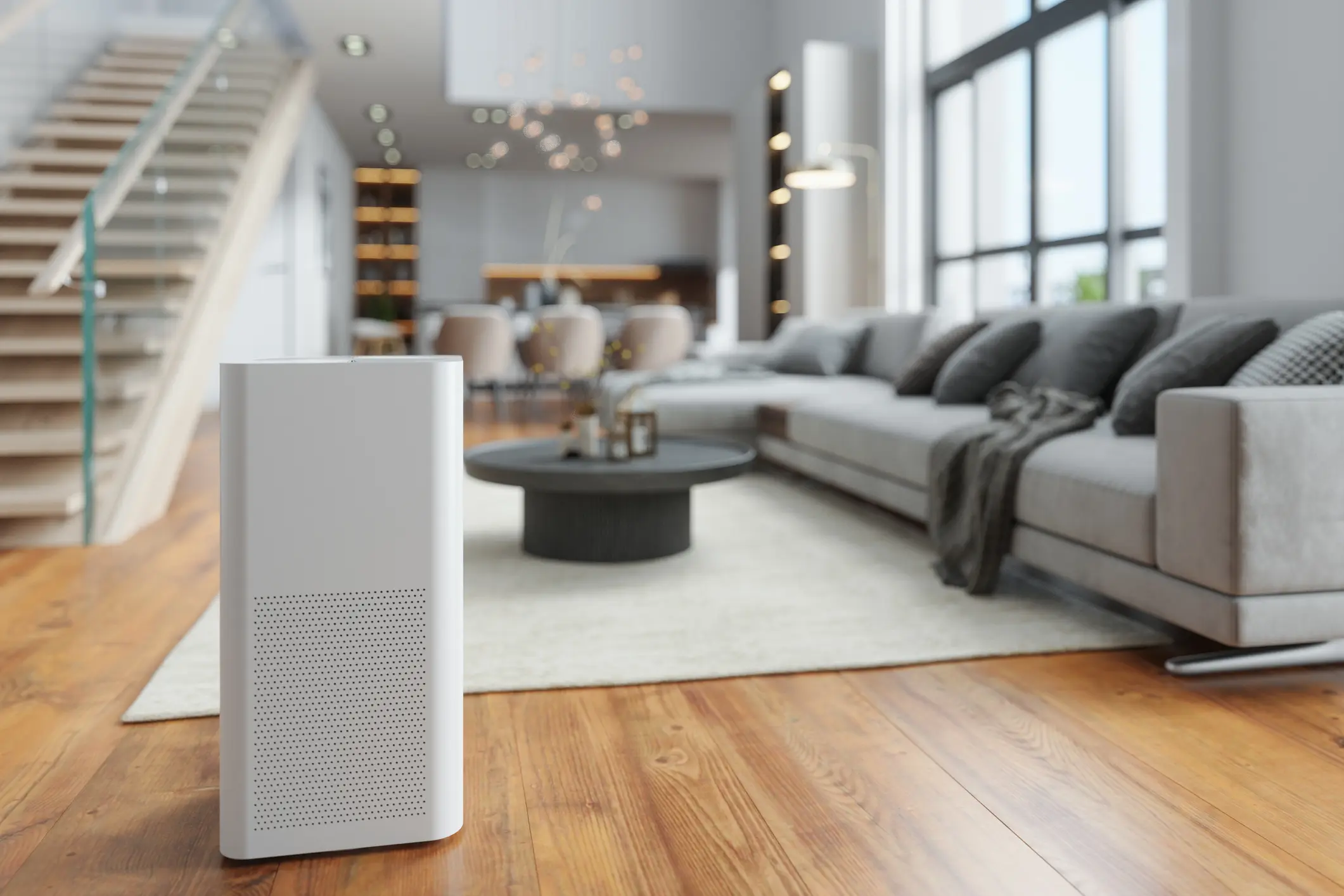
An IAQ tune-up in Newport, FL assesses and optimizes existing air quality equipment to reduce allergens, contaminants, and moisture while improving efficiency and longevity. The service addresses coastal challenges such as high humidity, salt air, seasonal pollen, and storm-related moisture intrusion by ensuring cleaners, filters, dehumidifiers, UV sanitation, sensors, and ventilation devices operate to spec. The process includes inspection, cleaning, calibration, media upgrades, airflow adjustments, and before-and-after testing to demonstrate measurable improvements in air quality and comfort for Newport homes.
IAQ Tune-up in Newport, FL
Maintaining healthy indoor air in Newport, FL means more than changing a filter. With year round humidity, coastal salt air, seasonal pollen, and occasional storm-related moisture intrusion, homes here face specific indoor air quality challenges. An IAQ tune-up in Newport, FL focuses on optimizing your existing air quality equipment so systems remove allergens, contaminants, and excess moisture more effectively while running more efficiently and lasting longer.
Why an IAQ tune-up matters in Newport, FL
Newport homes contend with:
- High humidity that supports mold and dust mite growth
- Sea air that accelerates corrosion in equipment and can carry fine salt particles indoors
- Seasonal pollen from oak, pine, and ornamental plants
- Storms and hurricanes that increase the risk of water intrusion and moldAn IAQ tune-up addresses these local issues by ensuring air cleaners, filters, dehumidifiers, UV sanitation, sensors, and ventilation devices are clean, calibrated, and performing to spec.
Common IAQ tune-up issues in Newport, FL
- Clogged or low-efficiency filters allowing particles and allergens to recirculate
- Dirty coils and drain pans that support microbial growth and reduce dehumidification
- Uncalibrated humidity sensors and thermostats leading to improper humidity control
- Duct leaks and poor airflow balance causing uneven ventilation and higher contaminant concentrations in some rooms
- Corroded components or electrical contacts from salt air exposure
- Underperforming or improperly sized media (carbon, HEPA, MERV) for local pollutant loads
What an IAQ tune-up includes
Below is a practical inspection and service checklist used to optimize air quality equipment in Newport homes:
Inspection checklist
- Visual inspection of air handler, filters, ductwork, vents, dehumidifiers, and portable purifiers
- Check for signs of moisture, mold, or corrosion around equipment and duct penetrations
- Verify filter type and condition; note compatibility with system and highest safe MERV rating
- Inspect coils, drain pans, and condensate lines for debris and microbial growth
- Evaluate airflow at vents and static pressure across the system
- Test and inspect sensors: humidity probes, thermostats, and VOC or CO2 sensors when present
- Examine UV lamps and electronic air cleaners for correct alignment and wear
- Inspect and test whole-house ventilation devices or ERV/HRV units
Cleaning, calibration, and adjustments
- Clean coils, blower wheel, condensate pans, and drain lines to restore airflow and reduce microbial sources
- Clean or replace pre-filters and recommend appropriate upgrades for primary media
- Calibrate humidity sensors and thermostats for accurate control in Newport humidity conditions
- Align and test UV-C lamps and replace lamps or parts as needed
- Tighten electrical connections and address minor corrosion to improve reliability
- Seal visible duct leaks and adjust dampers to balance airflow room to room
Filter and media upgrades
- Recommend higher efficiency filters compatible with your system, typically MERV 11 to MERV 13 for many residential systems; verify that increased resistance does not overload the blower
- For homes needing particle reduction in bedrooms or living spaces, recommend portable HEPA filtration where central upgrades are limited
- Suggest activated carbon or speciality media for homes with odors, VOCs, or chemical sensitivities
- Assess and recommend whole-house media changes when using dedicated IAQ units
Airflow and humidity adjustments
- Balance supply and return air to eliminate dead zones and reduce localized contaminant buildup
- Set dehumidification targets appropriate for Newport, FL: aim for indoor relative humidity between 45 percent and 55 percent to reduce mold and dust mite proliferation without over-drying
- For enhanced ventilation needs, evaluate ERV options to provide fresh air with moisture control appropriate for coastal, humid climates
Before-and-after testing
- Particle counts to quantify reduction in PM2.5 and larger particles from pre-tune-up levels
- Humidity measurements to confirm setpoint achievement and reduced risk of microbial growth
- VOC spot checks when applicable to show reductions after carbon media or improved ventilation
- Visual photo documentation of cleaned coils and duct access points to show remediation results
Recommendations to improve allergen and contaminant removal
- Upgrade to the highest MERV-rated filter your system can handle without impairing airflow; consider supplemental HEPA units for bedrooms and sensitive occupants
- Add activated carbon media to address household odors, cooking VOCs, and off gassing from new furnishings
- Use UV-C in the air handler or on coil surfaces to reduce microbial load and maintain coil cleanliness
- Maintain dehumidification at recommended levels year round; consider a whole-house dehumidifier when consistent control is needed
- Improve ventilation design to reduce indoor pollutant buildup, especially in tightly sealed or recently remodeled homes
How tune-ups improve efficiency and occupant health
- Cleaner coils, filters, and unobstructed airflow reduce system work and can lower energy consumption
- Properly calibrated humidity and ventilation reduce mold growth, dust mites, and musty odors that drive allergy and respiratory symptoms
- Improved particle and VOC removal helps occupants with asthma, allergies, and chemical sensitivities breathe easier and sleep better
- Timely maintenance extends equipment life, preventing premature replacements and expensive emergency repairs caused by clogged components or corrosion
Recommended frequency and seasonal timing for Newport homes
- Routine IAQ tune-up: at least once per year for typical homes, with a strong recommendation for twice per year in Newport due to persistent humidity and coastal exposure
- Best timing: early spring before pollen season and late summer or early fall after the wettest months or after any significant storm or water intrusion event
- Additional checks after remodeling, increased indoor smoking, or when occupants show new allergy or respiratory symptoms
An IAQ tune-up in Newport, FL is a targeted investment in indoor comfort, equipment reliability, and health. By focusing on inspection, cleaning, calibration, filter and media optimization, and measurable before-and-after testing, you can reduce allergens and contaminants, maintain appropriate humidity, and ensure your air quality systems perform as intended in the unique coastal, humid conditions of Newport, FL.
hear what our satisfied clients have to say
.avif)

I have nothing but great things to say about this company! From the initial call to trouble shoot our old system to the installation of the new system. Maya was awesome and patient with us and the bank. Stratton, Wilton, and Austin did the removal and install of the systems and they were professional and proficient. I will be recommending this company to everyone and anyone! Thank you for making this less stressful then it needed to be. I'm very grateful for the help and comfort they have given me and my family.
We’ve had issues with our a/c unit freezing up off and on for a month or so. Aden from Keith Key came out and checked our system out. He fixed an issue with the bypass valve and also tuned our fan. Additionally we also replaced our thermostats with new T10’s. He took his time and helped me connect all of them to the WiFi and the app.Aden is very friendly and knowledgeable. I haven’t had an issue with my system since. He was also willing to accept the assistance of our overly helpful shih tzu. Call Keith Key and Aden for any issues with hvac systems, they can get it fixed!
Tryston was amazing! So knowledgeable, pleasant and respectful. Keith Key H/A will forever have my family's business
We had a tenant with no heat during the recent 29 degree weather. I called Keith Key Heating and Air before office hours and left my infomation with their answering service. I got a call back from the office promptly at 8:00 a.m. They were able to schedule us for service the same day. The technician arrived at noon, diagnosed the issue and made the repair. The price was quite reasonable. Everyone that we dealt with was friendly, professional and knowledgeable. I would highly recommend them and will be using them again in the future. Thanks Keith Key Heating & Air!!
Heat wasn't working after the sleet storm and being without power for 18 hours. Keith Key sent Trystan the same day as my call. He did a great job (very personable) and got it repaired in no time. Many thanks!
Keith Key HVAC is wonderful! They service our HVAC and just helped me with a super stressful heating issue while I was out of state. They are very organized and professional, and take extra time to explain and follow up. I just love them!
We've called on Keith Key Heating and Air twice for help. Both times, they responded quickly, and were able to make repairs quickly. The techs we've dealt with have been friendly, reliable, professional and knowledgeable. And they don't dig in your pocket like some have been known to do. I honestly don't know what more we could ask for. A solid 10 of 10, and we highly recommend.
Had to replace my AC and Heating unit. Keith Key Heating and Air was very helpful in finding the right unit money wise for me. The young men they sent was courteous and knowledgeable. They made sure everything was up to my standards before they left. If you have trouble I would highly recommend them to you.
Keith Key regularly services both our personal home and one of our rental properties! They are good about communicating to us about the condition of the units at the rental property which is such a relief! We have had to call them for 2 emergencies and both times the techs appeared happy to be there helping us despite being on the weekend! 10/10 recommend.
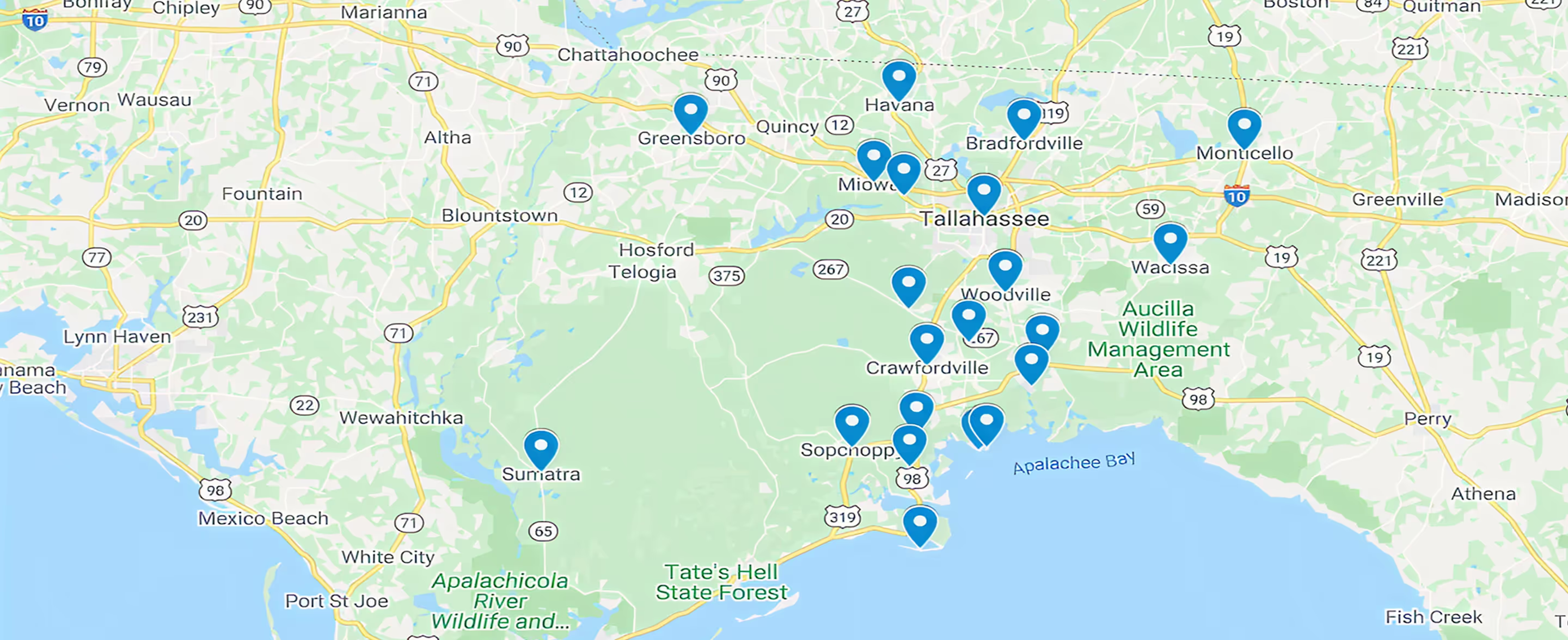
Service Areas