IAQ Replacement in Newport, FL
IAQ replacement in Newport, FL outlines when to replace versus repair indoor air quality systems, and explains evaluation, sizing, and installation steps tailored to Newport homes. It reviews common problems: high humidity, mold growth, pollen, odors, and corrosion from salt air, and describes technologies such as HEPA filters, UV, whole-house dehumidifiers, ERV/HRV ventilation, and humidifiers. The guide covers removal, installation timelines, maintenance, energy and health benefits, and financing considerations to help homeowners choose properly sized, compatible solutions. It emphasizes Newport-specific environmental factors and practical expectations.
IAQ Replacement in Newport, FL
Indoor air quality (IAQ) replacement in Newport, FL is a targeted upgrade that improves comfort, reduces health risks from allergens and mold, and helps HVAC systems run more efficiently in our hot, humid, coastal climate. If your home experiences persistent odors, frequent allergies, visible mold, or rising energy use despite recent tuneups, a strategic IAQ system replacement can deliver measurable health and performance benefits. This page explains when to replace versus repair, how replacements are evaluated and sized for existing HVAC systems, the common technologies available, removal and disposal practices, expected installation timelines, and the long-term energy and health advantages specific to Newport-area homes.
Common IAQ problems and replacement types in Newport, FL
Local climate factors in Newport — high humidity, warm temperatures, and coastal salt air — create common indoor air quality challenges that often require system replacement rather than temporary repair:
- Persistent indoor humidity, condensation, or recurring mold growth — often addressed with whole-house dehumidifiers or improved ventilation.
- Allergy and asthma triggers from pollen, dust mites, and pet dander — commonly reduced by upgrading to HEPA or high-efficiency media filtration.
- Odors, VOCs, and surface microbial growth — addressed by media filters with activated carbon, UV germicidal lamps, or whole-home air-cleaning systems.
- Stale or imbalanced ventilation in tightly sealed homes — corrected with ERV (Energy Recovery Ventilator) or HRV (Heat Recovery Ventilator) installations.
- Corroded or failing IAQ components due to salt air exposure — candidates for replacement with corrosion-resistant models.
When to repair vs replace
Consider replacement when one or more of the following applies:
- Repeated repairs or frequent component failure within a short period.
- Equipment is at or near the end of expected service life for the technology (filters, UV units, ERV cores).
- Current system cannot meet health needs (e.g., need for HEPA-level filtration for allergy control) or compliance standards.
- Compatibility limits: the existing HVAC blower, ducts, or electrical capacity cannot support a higher-efficiency IAQ component without extensive modification.
- Energy use or comfort problems persist after routine HVAC maintenance.
Repair remains appropriate for isolated failures, filter/UV bulb replacement, or when the root problem is unrelated to the IAQ device (for example, a separate duct leak).
Evaluation and recommendation process
A professional IAQ replacement begins with a thorough evaluation to determine the right technology and sizing for your Newport home:
- Visual inspection of air handler, ducts, and existing IAQ devices for corrosion, mold, and wear.
- Airflow and static pressure measurements to confirm the HVAC blower can support new filters or add-on equipment.
- Humidity profiling across seasons and rooms to assess the need for whole-house dehumidification.
- Indoor air sampling or sensor readings (particulates, VOCs, relative humidity) when targeted health concerns exist.
- Load and ventilation calculations to size ERV/HRV units or dehumidifiers and ensure they integrate with the current system.
Recommendations are based on home size, duct layout, occupant health needs, and Newport’s environmental factors such as outdoor humidity and salt exposure.
Replacement technologies explained
- HEPA/media filters: Provide the highest particulate capture for allergens and fine particles. Media filters with activated carbon also reduce odors and VOCs. Consider the impact of increased static pressure on the blower when choosing filter efficiency.
- UV germicidal systems: Installed in the air handler or ductwork to reduce microbial growth on coils and within ducts. UV lamps require annual checks and periodic lamp replacement.
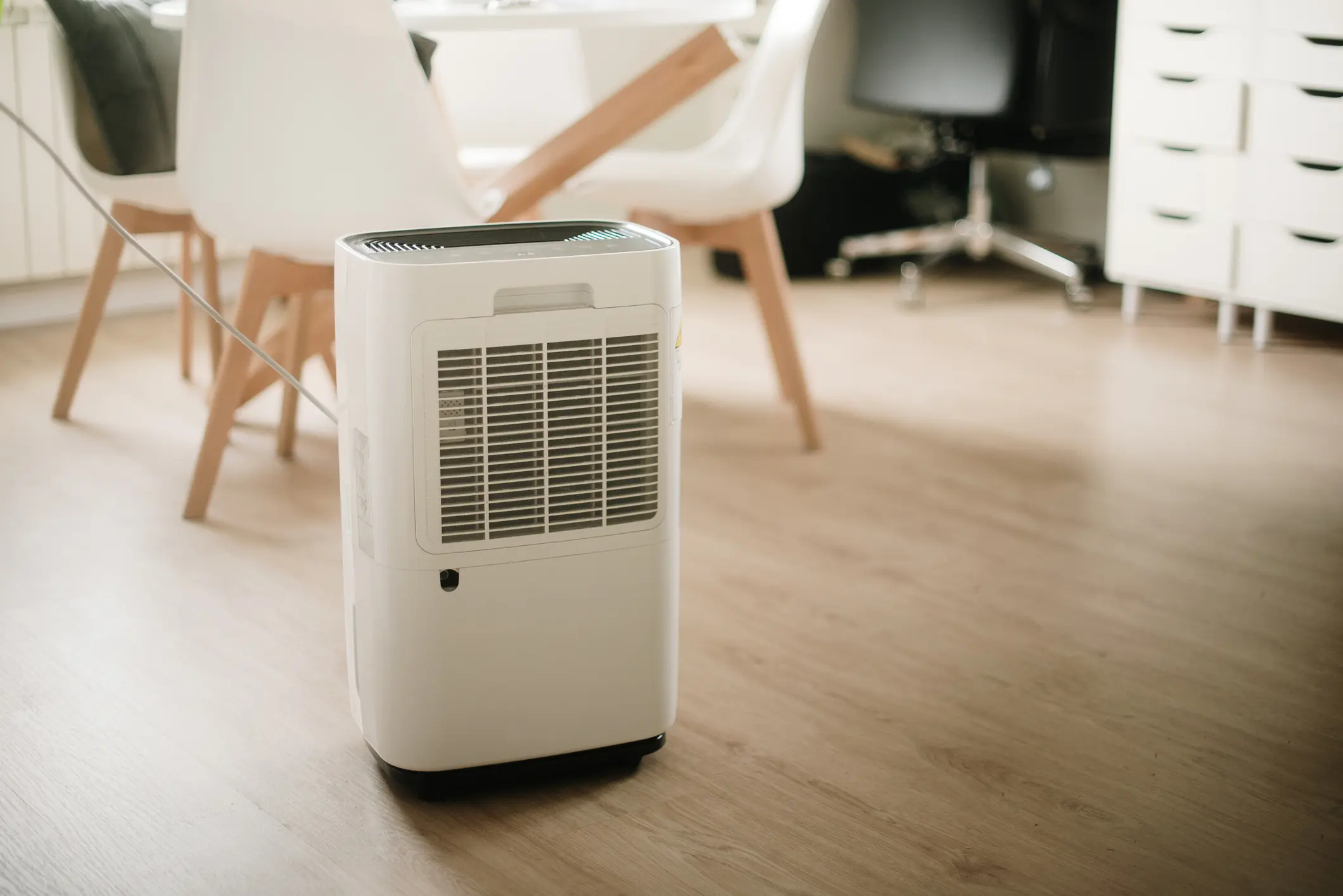
- Whole-house dehumidifiers: Essential in Newport homes prone to high indoor humidity and mold. Properly sized units lower humidity without overworking the air conditioner.
- Whole-house humidifiers: Less commonly required in coastal Florida but used in tightly sealed homes only if indoor humidity falls too low.
- ERV/HRV ventilation: Controlled fresh-air exchange balanced with energy recovery. In humid climates, ERVs often help control moisture transfer while providing needed ventilation.
Compatibility and sizing with existing HVAC
Successful IAQ replacement depends on matching equipment to your HVAC system:
- Filter changes can increase fan load; technicians check blower capacity and may recommend variable-speed blower upgrades if needed.
- Add-on devices (dehumidifiers, ERV/HRV) may require duct modifications, condensate management, and electrical work. Proper sizing prevents short cycling and ensures even humidity control.
- Placement matters: optimal UV lamp placement is near the coil for microbial control; dehumidifiers need accessible condensate routing and clearance.
- Sizing is performed using airflow tests and room-by-room analysis so the new IAQ equipment performs effectively without reducing comfort or system lifespan.
Removal and disposal of old equipment
Old IAQ components are removed and handled safely:
- Filter media, used UV lamps, and mechanical components are disposed of according to local and federal regulations.
- UV lamps and certain electrical components require special handling because of contained materials; installers follow safe disposal procedures.
- Removal includes sealing and cleaning connection points to prevent contamination during replacement.
Installation timeline
Typical timeframes for IAQ replacements:
- Filter or UV unit swap: a few hours.
- Whole-house dehumidifier or humidifier: most installations completed within half a day to a full day, depending on ductwork and condensate routing.
- ERV/HRV installations or extensive duct modifications: one to two days, based on access and existing duct layout.Larger integrations or multi-system upgrades may be scheduled across several visits to coordinate with HVAC adjustments.
Energy, health, and long-term benefits
Replacing outdated IAQ equipment yields measurable benefits for Newport homes:
- Health: Reduced airborne particulates, mold spores, and microbial growth lowers allergy and respiratory triggers for occupants.
- Comfort: Better humidity control improves perceived comfort and reduces musty odors and condensation issues.
- System performance: Correctly sized IAQ equipment can reduce strain on HVAC systems, improve airflow balance, and help prolong equipment life.
- Energy: Ventilation with heat or energy recovery reduces the load associated with conditioning outdoor air; dehumidification can reduce AC run time in persistently humid conditions when properly integrated.
Maintenance and lifespan expectations
To protect your investment and sustain IAQ improvements:
- Replace filters and clean media housings on the schedule recommended for the chosen filter rating and local conditions.
- Inspect and replace UV lamps annually or per manufacturer guidance.
- Service ERV/HRV cores and seals yearly and clean exchanger cores as needed.
- Schedule periodic system checks for condensate lines, controls, and airflow balance.
Cost factors and financing options
Replacement costs vary with technology choice, home size, integration complexity, and local conditions like duct access and salt-air corrosion mitigation. Installers typically offer financing programs or payment options through third-party lenders to spread investment over time; availability and terms vary by provider.
Why consider IAQ replacement now in Newport, FL: persistent humidity, salt exposure, and seasonal allergens make IAQ upgrades a practical investment in health and home performance. Replacing outdated IAQ components with correctly sized, compatible technology delivers cleaner air, improved comfort, and a more reliable HVAC system for Newport residents.
hear what our satisfied clients have to say
.avif)

I have nothing but great things to say about this company! From the initial call to trouble shoot our old system to the installation of the new system. Maya was awesome and patient with us and the bank. Stratton, Wilton, and Austin did the removal and install of the systems and they were professional and proficient. I will be recommending this company to everyone and anyone! Thank you for making this less stressful then it needed to be. I'm very grateful for the help and comfort they have given me and my family.
We’ve had issues with our a/c unit freezing up off and on for a month or so. Aden from Keith Key came out and checked our system out. He fixed an issue with the bypass valve and also tuned our fan. Additionally we also replaced our thermostats with new T10’s. He took his time and helped me connect all of them to the WiFi and the app.Aden is very friendly and knowledgeable. I haven’t had an issue with my system since. He was also willing to accept the assistance of our overly helpful shih tzu. Call Keith Key and Aden for any issues with hvac systems, they can get it fixed!
Tryston was amazing! So knowledgeable, pleasant and respectful. Keith Key H/A will forever have my family's business
We had a tenant with no heat during the recent 29 degree weather. I called Keith Key Heating and Air before office hours and left my infomation with their answering service. I got a call back from the office promptly at 8:00 a.m. They were able to schedule us for service the same day. The technician arrived at noon, diagnosed the issue and made the repair. The price was quite reasonable. Everyone that we dealt with was friendly, professional and knowledgeable. I would highly recommend them and will be using them again in the future. Thanks Keith Key Heating & Air!!
Heat wasn't working after the sleet storm and being without power for 18 hours. Keith Key sent Trystan the same day as my call. He did a great job (very personable) and got it repaired in no time. Many thanks!
Keith Key HVAC is wonderful! They service our HVAC and just helped me with a super stressful heating issue while I was out of state. They are very organized and professional, and take extra time to explain and follow up. I just love them!
We've called on Keith Key Heating and Air twice for help. Both times, they responded quickly, and were able to make repairs quickly. The techs we've dealt with have been friendly, reliable, professional and knowledgeable. And they don't dig in your pocket like some have been known to do. I honestly don't know what more we could ask for. A solid 10 of 10, and we highly recommend.
Had to replace my AC and Heating unit. Keith Key Heating and Air was very helpful in finding the right unit money wise for me. The young men they sent was courteous and knowledgeable. They made sure everything was up to my standards before they left. If you have trouble I would highly recommend them to you.
Keith Key regularly services both our personal home and one of our rental properties! They are good about communicating to us about the condition of the units at the rental property which is such a relief! We have had to call them for 2 emergencies and both times the techs appeared happy to be there helping us despite being on the weekend! 10/10 recommend.
Service Areas