IAQ Installation in Newport, FL

A complete IAQ installation process in Newport, FL, covering initial site assessment and indoor air testing, equipment selection, professional setup, and final commissioning. Common local air-quality challenges are addressed with solutions such as air purifiers, UV lamps, high-MERV filters, humidifiers/dehumidifiers, mechanical ventilation, and activated carbon filtration. Proper sizing, duct integration, and coastal considerations are explained to ensure optimal performance. Installation steps, post-install testing, warranties, maintenance plans, and expected benefits—including improved humidity control, reduced particulates and odors, and enhanced overall comfort—are highlighted, along with practical upkeep tips for coastal homes.
IAQ Installation in Newport, FL
Indoor air quality is a critical comfort and health factor in Newport, FL homes. Coastal humidity, year-round pollen, seasonal storms, and the risk of mold growth make properly designed IAQ systems more than a luxury. This page explains the IAQ installation process from initial site assessment and indoor air testing through equipment selection, professional installation, testing and commissioning, and ongoing warranty and maintenance considerations. The goal is to help you understand what an effective IAQ Installation in Newport, FL looks like and what improvements you can expect.
Common IAQ issues in Newport, FL homes
- High indoor humidity and condensation that promote mold and dust mites.
- Excess pollen, airborne allergens, and outdoor particulate intrusion during windy or stormy periods.
- Persistent odors from cooking, pets, or dampness.
- Elevated volatile organic compounds (VOCs) from household products and new materials.
- Stale air and inadequate ventilation in tightly sealed or older homes.
- Corrosion and salt exposure affecting exterior-grade components near the coast.
Understanding these local challenges guides equipment choices and installation details to deliver durable, reliable results.
Types of IAQ solutions recommended for Newport, FL
A comprehensive IAQ installation typically combines multiple technologies tailored to a home’s needs:
- Air purifiers (HEPA or true-HEPA) for reducing particulates and allergens.
- UV air and coil purifiers to limit microbial growth on coils and in the duct system.
- Filtration upgrades using higher MERV-rated filters or hybrid media filters to capture finer particles.
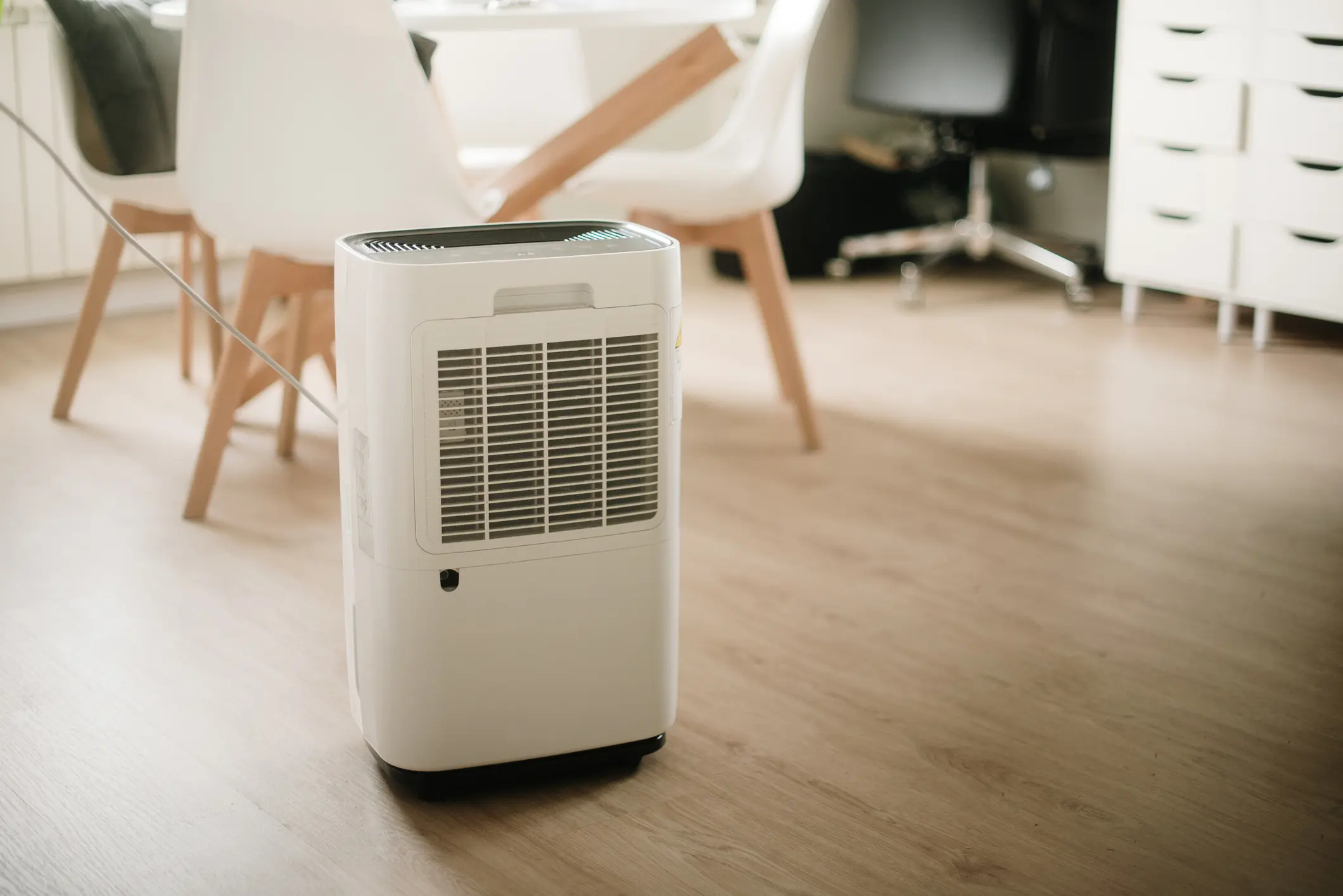
- Humidification or dehumidification systems to control indoor relative humidity, especially during humid summer months.
- Mechanical ventilation systems (ERVs or HRVs where appropriate, or balanced fresh-air systems) to bring in controlled outdoor air without creating moisture problems.
- Activated carbon or sorbent filters to address odors and VOCs.
Choosing a combination that fits your home’s layout, HVAC capacity, and the Newport climate is key.
Site assessment and indoor air testing
A professional IAQ installation begins with a thorough site assessment:
- Visual inspection of HVAC equipment, ductwork, insulation, and moisture-prone areas.
- Review of occupant symptoms or complaint history to prioritize issues.
- Measurement of indoor environmental parameters: temperature, relative humidity, and surface moisture.
- Air testing when indicated, including particulate counts (PM2.5/PM10), allergen screening, VOC sampling, CO2 levels for ventilation adequacy, and microbial surface or air sampling if mold is suspected.
This baseline testing identifies root causes rather than treating symptoms. In Newport, FL, special attention is paid to humidity levels and signs of salt-related corrosion on exterior components.
Recommendations, equipment sizing, and HVAC integration
Recommendations are derived from the assessment and testing results and then matched to the existing HVAC system:
- Equipment sizing uses room-by-room load calculations and measured airflow to determine required clean air delivery rates, CADR values, and dehumidification capacity.
- Filtration upgrades consider furnace/air handler static pressure limits and blower capacity to avoid reducing system efficiency or airflow.
- Integration planning addresses where to install components: in-duct purifiers, coil-mounted UV lights, whole-house dehumidifiers or humidifiers, and where ventilation intake/exhaust should be located to minimize salt and pollen ingestion.
- For homes with older or undersized duct systems, recommendations may include duct sealing, adding return air, or creating a dedicated IAQ circuit to maintain pressure balance.
Proper sizing and integration ensure performance without compromising HVAC efficiency or comfort.
Professional installation steps
A professional IAQ installation follows a methodical sequence to ensure safety and performance:
- Confirm scope based on assessment and parts list.
- Power and electrical verification, including dedicated circuits where required.
- Installation of in-duct components, UV lights at the coil or in the air stream, or standalone purifiers in central locations.
- Mounting and connecting whole-house humidifiers or dehumidifiers to the HVAC system, including condensate drains and overflow protection.
- Ductwork modifications or sealing, pressure balancing, and insulation upgrades as needed.
- Commissioning of ventilation intakes with proper weatherproofing and bird/insect screens suitable for coastal conditions.
- System labeling, documentation of filters and service points, and walkthrough with homeowner on operation and filter replacement intervals.
Installers in coastal communities factor in corrosion-resistant fasteners and coatings, and position outdoor intakes to avoid salt spray and stormwater.
Testing and commissioning
Post-installation testing verifies that the system performs to specification:
- Airflow verification and static pressure checks to ensure filters and devices are not restricting the system.
- Repeat particulate and VOC testing to quantify improvements from baseline.
- Humidity control verification across typical seasonal conditions to ensure dehumidifiers or humidifiers maintain target relative humidity.
- CO2 and ventilation effectiveness tests to confirm adequate fresh air exchange without excessive moisture.
- Safety checks for electrical connections, condensate drains, and UV light shielding.
A structured commissioning report documents the outcomes and provides measurable evidence of IAQ improvements.
Warranty and maintenance plan options
Long-term performance depends on maintenance and product warranties tailored to local conditions:
- Typical warranties cover manufacturing defects for specific IAQ devices and often vary by component such as UV lamps, electronic modules, and compressors in dehumidifiers.
- Maintenance plans commonly include regular filter replacements (MERV or HEPA), seasonal UV lamp replacement, coil and duct inspections, condensate drain cleaning, and humidity calibration checks.
- For Newport, FL homes, recommended maintenance frequencies are often higher for filters and outdoor intakes due to frequent pollen and airborne salt — for example, filter checks every 1 to 3 months and UV/coil inspections annually.
- Plans may offer documented service reports that help preserve equipment warranties and provide a maintenance history useful after storms or extreme humidity events.
Expected improvements in indoor air quality and comfort
When properly selected and installed, IAQ systems in Newport, FL homes provide measurable benefits:
- Reduced airborne particulates and allergens, leading to fewer allergy and asthma triggers.
- Lower indoor humidity and decreased mold growth risk, improving comfort and protecting building materials.
- Reduced odors and VOC concentrations, resulting in fresher indoor air.
- More consistent temperatures and improved HVAC efficiency when ductwork and pressure balance are corrected.
- Better ventilation with controlled fresh air exchange that minimizes outdoor pollutant intrusion while maintaining comfort.
Homeowners typically notice fewer allergy symptoms, less musty odor after storms, and more consistent indoor comfort across seasons.
Maintenance tips specific to Newport, FL
- Replace or inspect filters more frequently during high pollen seasons and after major storms.
- Keep outdoor intakes elevated and screened to limit salt and debris entry.
- Monitor indoor relative humidity; aim for 45 percent or lower during summer to limit mold and dust mites.
- Schedule annual coil and duct inspections after the wet season to detect moisture entry or mold early.
- Use corrosion-resistant fittings on any outdoor or coastal-facing IAQ components.
Proper upkeep preserves performance and extends equipment life in a humid, coastal environment.
A well-designed IAQ Installation in Newport, FL blends targeted testing, appropriately sized equipment, careful HVAC integration, and a documented maintenance plan. The result is cleaner, healthier indoor air, greater comfort, and reduced risk of moisture-related problems common in Florida coastal homes.
hear what our satisfied clients have to say
.avif)

I have nothing but great things to say about this company! From the initial call to trouble shoot our old system to the installation of the new system. Maya was awesome and patient with us and the bank. Stratton, Wilton, and Austin did the removal and install of the systems and they were professional and proficient. I will be recommending this company to everyone and anyone! Thank you for making this less stressful then it needed to be. I'm very grateful for the help and comfort they have given me and my family.
We’ve had issues with our a/c unit freezing up off and on for a month or so. Aden from Keith Key came out and checked our system out. He fixed an issue with the bypass valve and also tuned our fan. Additionally we also replaced our thermostats with new T10’s. He took his time and helped me connect all of them to the WiFi and the app.Aden is very friendly and knowledgeable. I haven’t had an issue with my system since. He was also willing to accept the assistance of our overly helpful shih tzu. Call Keith Key and Aden for any issues with hvac systems, they can get it fixed!
Tryston was amazing! So knowledgeable, pleasant and respectful. Keith Key H/A will forever have my family's business
We had a tenant with no heat during the recent 29 degree weather. I called Keith Key Heating and Air before office hours and left my infomation with their answering service. I got a call back from the office promptly at 8:00 a.m. They were able to schedule us for service the same day. The technician arrived at noon, diagnosed the issue and made the repair. The price was quite reasonable. Everyone that we dealt with was friendly, professional and knowledgeable. I would highly recommend them and will be using them again in the future. Thanks Keith Key Heating & Air!!
Heat wasn't working after the sleet storm and being without power for 18 hours. Keith Key sent Trystan the same day as my call. He did a great job (very personable) and got it repaired in no time. Many thanks!
Keith Key HVAC is wonderful! They service our HVAC and just helped me with a super stressful heating issue while I was out of state. They are very organized and professional, and take extra time to explain and follow up. I just love them!
We've called on Keith Key Heating and Air twice for help. Both times, they responded quickly, and were able to make repairs quickly. The techs we've dealt with have been friendly, reliable, professional and knowledgeable. And they don't dig in your pocket like some have been known to do. I honestly don't know what more we could ask for. A solid 10 of 10, and we highly recommend.
Had to replace my AC and Heating unit. Keith Key Heating and Air was very helpful in finding the right unit money wise for me. The young men they sent was courteous and knowledgeable. They made sure everything was up to my standards before they left. If you have trouble I would highly recommend them to you.
Keith Key regularly services both our personal home and one of our rental properties! They are good about communicating to us about the condition of the units at the rental property which is such a relief! We have had to call them for 2 emergencies and both times the techs appeared happy to be there helping us despite being on the weekend! 10/10 recommend.
Service Areas