IAQ Repair in Havana, FL
IAQ repair services in Havana, FL restore indoor air quality impacted by humidity, pollen, and other environmental factors. Diagnostics identify issues with filters, purifiers, UV systems, ERV/HRV units, and humidifiers, pinpointing the root causes of airflow, filtration, or moisture problems. Typical repairs include component replacement, system recalibration, and duct or ventilation adjustments, with clear guidance on response times and warranty coverage. Homeowners receive advice on when to repair versus replace equipment, preventive maintenance tips to reduce future issues, and the benefits of timely IAQ service for improved comfort, energy efficiency, and long-term system performance.
IAQ Repair in Havana, FL
Indoor air quality matters year-round in Havana, FL. With hot, humid summers, frequent pollen in spring, and occasional severe weather, homes here are more likely to face moisture, mold, and ventilation problems that degrade air quality and system performance. This page explains diagnostic and repair services for indoor air quality systems — what commonly fails, how we troubleshoot, typical repair procedures and parts, expected response times and warranties, and clear guidance on when to repair versus replace.
Why IAQ repair matters in Havana, FL
High humidity and seasonal pollen create conditions that stress IAQ equipment. Excess moisture accelerates filter clogging, encourages microbial growth on coils and inside humidifiers or ERV/HRV cores, and makes sensors drift sooner. Addressing IAQ problems quickly reduces allergy and asthma triggers, prevents mold growth, improves system efficiency, and extends equipment life.
Common IAQ systems we service
- Portable and whole-house HEPA purifiers: remove particles down to 0.3 microns. Common issues: reduced airflow, clogged prefilters, fan motor failure, or electronic control faults.
- Media and carbon filter systems: used for odors and VOCs. Problems include saturated media, bypass leaks, and improper sealing.
- Electronic air cleaners (ionizers, electrostatic): issues include failed high-voltage power supplies, dirty collection cells, and ozone control malfunctions.
- UV and UV-coil purifiers: bulbs and ballasts degrade, and UV intensity drops with time. UV coils installed near the evaporator can accumulate grime that reduces effectiveness.
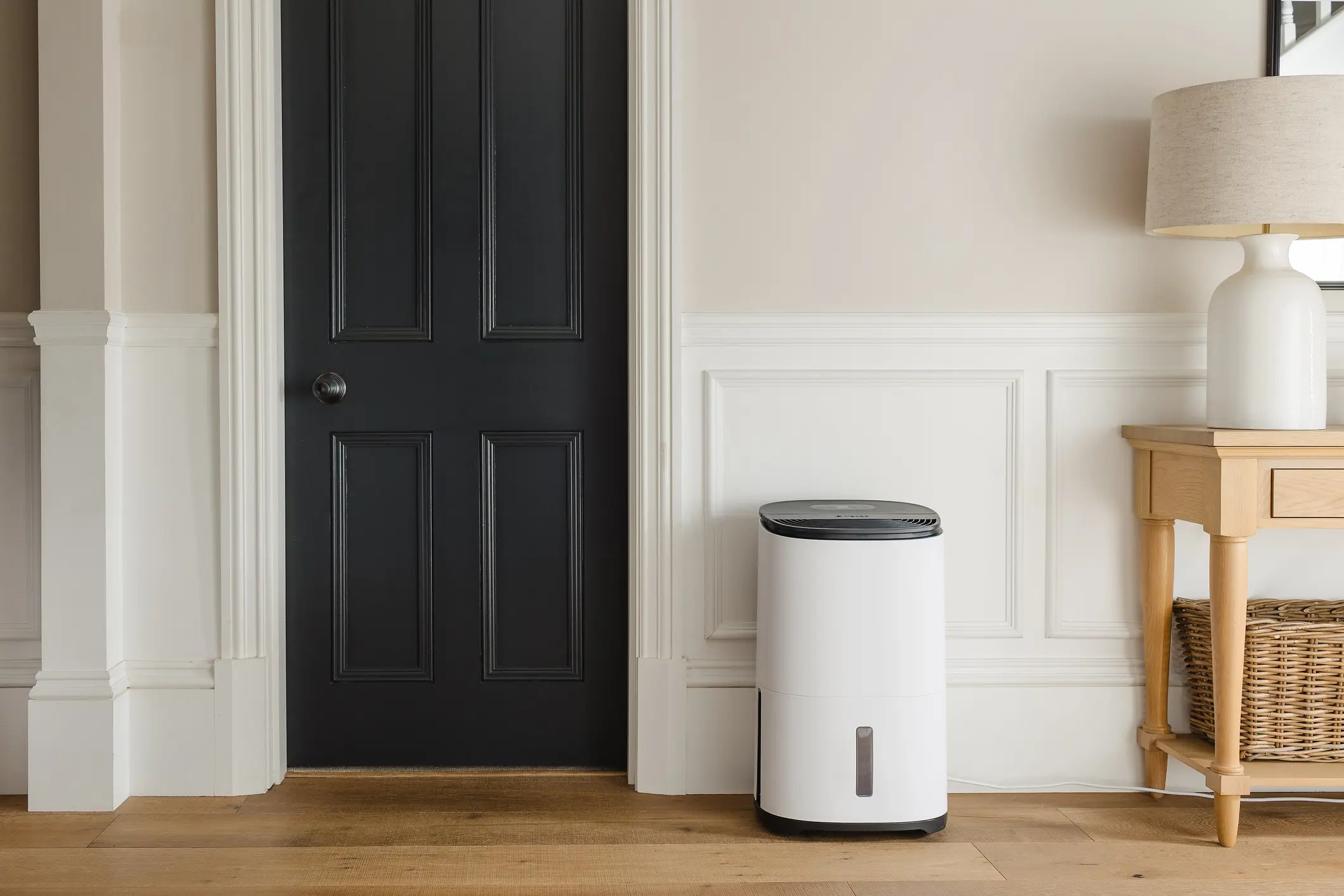
- Whole-house humidifiers and dehumidifiers: in humid climates like Havana, whole-house dehumidifiers are used to control moisture; humidifiers are less common but still present in some homes. Common failures: clogged water lines, failed solenoids, sensor/calibration errors, and fan issues.
- ERV/HRV ventilation units: mechanical ventilation balances fresh air with energy recovery. Typical faults: failing core seals, motorized damper problems, clogged heat-exchange cores, and control board or sensor malfunctions.
Typical signs and troubleshooting steps
- Reduced airflow or uneven ventilation in rooms
- Musty or moldy odors, especially after rainy periods
- Increased allergy symptoms or lingering odors
- Frequent filter replacements or rapid filter clogging
- Unusual noises from fans, motors, or dampers
- Intermittent operation or no power to the unit
Diagnostic approach (what to expect)
- Visual inspection of system, duct connections, filters, and drainage; look for visible mold, water leaks, or rodent nesting.
- Measure airflow and static pressures where applicable to identify blockages or fan problems.
- Test electrical components: fuses, transformers, capacitors, motors, and control boards.
- Inspect and test sensors, humidistats/dehumidistats, and control logic.
- For UV systems: measure bulb output and inspect ballast operation; for ERV/HRV: check core seals and motor function.
- Identify root cause (e.g., poor filtration allowing coil fouling vs. failed motor) and document repair options.
Typical repair procedures and common parts replaced
- Filter and media replacement or sealing: replacing HEPA, carbon, or media pads and ensuring proper gasket seals to prevent bypass.
- Fan and motor repair/replacement: cleaning blower assemblies, replacing bearings, capacitors, or entire blower motors when necessary.
- Electronic module and ballast replacement: swapping failed control boards, timers, or UV ballasts.
- UV lamp replacement and cleaning: replacing bulbs on schedule, cleaning quartz sleeves, and testing lamp output.
- Duct sealing and damper repair: repairing leaks that reduce ERV/HRV effectiveness or rebalancing ventilation.
- Drain and water component repairs: clearing condensate drains, replacing solenoids, float switches, and water panels in humidifiers/dehumidifiers.
- Sensor recalibration or replacement: humidity sensors and CO2/volatile sensor replacements when drifted.
- Core cleaning or replacement: in ERV/HRV units, cleaning or replacing the heat/energy exchange core if fouled.
Most repairs include testing after replacement and rebalancing to ensure the system operates to specification.
Response times and what to expect
In Havana, FL, the timeline for diagnostics and repair depends on system complexity and parts availability. Typical timeframes:
- Initial diagnostic visit and basic repairs: same-day to 48 hours.
- Standard parts replacement (filters, bulbs, capacitors, motors in stock): 1–3 business days.
- Special-order parts or major core replacements: several days to a week, depending on manufacturer lead times.Response times tend to be slower during peak pollen season or after severe storms when demand rises. Emergency calls (e.g., complete system failure causing indoor humidity issues or mold risk) often receive prioritized scheduling.
Warranty and service coverage
Repair work commonly carries a workmanship warranty covering labor for a defined period, and replacement parts typically carry the manufacturer’s parts warranty. Warranties vary by component: simple parts like filters or bulbs have short-term coverage, while motors and control modules often have longer manufacturer warranties. Documentation of the specific warranty terms is provided with repairs so you know what’s covered and for how long.
Repair vs. replacement: how to decide
Repair is generally recommended when:
- The issue is isolated (single motor, filter, bulb, control board).
- The system is less than 8–10 years old and otherwise in good condition.
- Repair restores efficiency and the cost is reasonable compared to remaining service life.
Replacement should be considered when:
- Multiple core components fail or the unit is near or beyond expected service life.
- Energy efficiency is poor and recurring repairs are frequent.
- The system uses outdated technology that can’t meet current IAQ needs (e.g., old electronic cleaners that produce high ozone).
- Mold contamination inside core components or ducts is extensive and cannot be fully remediated by repair.
A professional diagnostic includes a straightforward comparison of repair cost versus replacement value and expected lifespan so you can make an informed decision.
Maintenance tips to reduce future repairs
- Replace or clean filters on the manufacturer-recommended schedule and check prefilters monthly during high pollen or humid months.
- Keep condensate drains clear and inspect for standing water after heavy rainfall.
- Schedule annual IAQ system tune-ups before summer to catch humidity-related issues early.
- Use proper-sized filtration and ensure seals and gaskets are intact to prevent bypass.
- In high-humidity seasons, monitor indoor humidity and consider a dehumidifier if it regularly exceeds 60 percent.
Benefits of timely IAQ repair in Havana homes
Prompt repair preserves system efficiency, reduces indoor pollutants and allergens, prevents mold growth that thrives in humid climates, and avoids larger replacement costs later. Well-maintained IAQ equipment also helps HVAC systems run less strained, lowering energy use and improving comfort throughout the year in Havana, FL.
This overview explains what to expect for IAQ repair in Havana, FL: common failure modes, how diagnostics are performed, typical repair work and parts, timing and warranty considerations, and guidance on repair versus replacement. Proper diagnostics and targeted repairs restore indoor air quality and protect the health and comfort of your home.
hear what our satisfied clients have to say
.avif)

I have nothing but great things to say about this company! From the initial call to trouble shoot our old system to the installation of the new system. Maya was awesome and patient with us and the bank. Stratton, Wilton, and Austin did the removal and install of the systems and they were professional and proficient. I will be recommending this company to everyone and anyone! Thank you for making this less stressful then it needed to be. I'm very grateful for the help and comfort they have given me and my family.
We’ve had issues with our a/c unit freezing up off and on for a month or so. Aden from Keith Key came out and checked our system out. He fixed an issue with the bypass valve and also tuned our fan. Additionally we also replaced our thermostats with new T10’s. He took his time and helped me connect all of them to the WiFi and the app.Aden is very friendly and knowledgeable. I haven’t had an issue with my system since. He was also willing to accept the assistance of our overly helpful shih tzu. Call Keith Key and Aden for any issues with hvac systems, they can get it fixed!
Tryston was amazing! So knowledgeable, pleasant and respectful. Keith Key H/A will forever have my family's business
We had a tenant with no heat during the recent 29 degree weather. I called Keith Key Heating and Air before office hours and left my infomation with their answering service. I got a call back from the office promptly at 8:00 a.m. They were able to schedule us for service the same day. The technician arrived at noon, diagnosed the issue and made the repair. The price was quite reasonable. Everyone that we dealt with was friendly, professional and knowledgeable. I would highly recommend them and will be using them again in the future. Thanks Keith Key Heating & Air!!
Heat wasn't working after the sleet storm and being without power for 18 hours. Keith Key sent Trystan the same day as my call. He did a great job (very personable) and got it repaired in no time. Many thanks!
Keith Key HVAC is wonderful! They service our HVAC and just helped me with a super stressful heating issue while I was out of state. They are very organized and professional, and take extra time to explain and follow up. I just love them!
We've called on Keith Key Heating and Air twice for help. Both times, they responded quickly, and were able to make repairs quickly. The techs we've dealt with have been friendly, reliable, professional and knowledgeable. And they don't dig in your pocket like some have been known to do. I honestly don't know what more we could ask for. A solid 10 of 10, and we highly recommend.
Had to replace my AC and Heating unit. Keith Key Heating and Air was very helpful in finding the right unit money wise for me. The young men they sent was courteous and knowledgeable. They made sure everything was up to my standards before they left. If you have trouble I would highly recommend them to you.
Keith Key regularly services both our personal home and one of our rental properties! They are good about communicating to us about the condition of the units at the rental property which is such a relief! We have had to call them for 2 emergencies and both times the techs appeared happy to be there helping us despite being on the weekend! 10/10 recommend.
Service Areas