HVAC Replacement in Crawfordville, FL
HVAC Repair in Lake Stevens, WA: Restoring Your Home's Comfort
When your heating or cooling system falters in Lake Stevens, WA, it's more than just an inconvenience; it impacts your home's comfort and potentially your indoor air quality. A malfunctioning HVAC system can lead to uncomfortable temperatures, rising energy bills, and even safety concerns. Prompt, reliable repair is essential to quickly restore function and ensure your home remains a comfortable sanctuary, no matter the season outside.
Addressing HVAC issues swiftly with professional service helps prevent minor problems from escalating into costly breakdowns. Whether your air conditioner isn't cooling on a hot summer day or your furnace fails during a cold winter night, having experienced technicians available to diagnose and resolve the issue efficiently is crucial for maintaining your peace of mind and comfort.
-min.jpeg)
HVAC Replacement in Crawfordville, FL
Replacing an aging or failing HVAC system is one of the most impactful upgrades you can make for comfort, indoor air quality, and energy bills—especially in Crawfordville where long, hot, humid summers and occasional storm exposure place heavy demands on cooling systems. This page explains when to choose replacement over repair, how systems are evaluated and load‑sized for local homes, the energy‑efficient options and brands to consider, what the replacement process includes (removal, installation, ductwork adjustments), how old equipment is disposed of responsibly, and what performance and warranty outcomes you can expect.
When to Consider Replacement vs. Repair
Choose replacement over repair when one or more of these are true:
- Age of the system is 10–15+ years. Older units lose efficiency and use phased‑out refrigerants (R‑22), making repairs costly.
- Frequent breakdowns. Multiple repairs in a short period indicate imminent larger failures like compressor death.
- Rising energy bills with little change in comfort. Declining efficiency means higher utility costs that replacement can correct.
- Inconsistent temperatures or humidity problems. Short cycling, poor dehumidification, or rooms that never reach setpoint usually point to capacity or duct issues.
- Compressor failure or major refrigerant leaks. These repairs are often as costly as replacement.
- Structural or code concerns. Older systems may not meet current building or safety codes, especially in storm‑exposed areas.
How a Proper System Evaluation Works
A replacement decision should start with a comprehensive evaluation that looks at the whole system, not just the equipment. Key steps include:
- Visual inspection of the outdoor condenser, indoor coil/air handler, ductwork, and thermostat.
- Measurement of refrigerant pressures and temperatures to identify leaks or under/overcharging.
- Airflow testing and temperature splits to pinpoint airflow or coil issues.
- Duct leakage diagnostics and inspection for undersized or poorly routed ducts.
- A Manual J load calculation for accurate sizing and Manual D for duct design recommendations.
In Crawfordville homes, evaluators pay special attention to attic insulation, duct runs through unconditioned spaces, and any signs of corrosion from coastal air or salt spray.
Load‑Sizing and Equipment Selection
Proper sizing is critical. A Manual J calculation determines the cooling load for your specific home considering square footage, orientation, insulation levels, window types, and occupancy. Oversized systems short‑cycle, reduce dehumidification, and wear out sooner; undersized systems struggle during peak summer heat.
Equipment selection criteria:
- Capacity matched to calculated load (not just “bigger is better”).
- SEER rating appropriate for local climate—higher SEER improves efficiency in long cooling seasons.
- Heat pump vs. split system—heat pumps are common in Florida for efficient year‑round climate control.
- Variable‑speed or two‑stage compressors for better humidity control and steady comfort.
- High‑efficiency ECM blower motors for improved airflow and lower electricity use.
- Corrosion‑resistant finishes and elevated or secured outdoor units for storm resiliency near the coast.
Energy‑Efficient Options and Brands
Energy‑focused upgrades that bring measurable comfort and savings:
- High‑SEER systems (14–26+ SEER) reduce cooling costs in a hot climate like Crawfordville’s.
- Variable‑speed and inverter-driven compressors improve humidity control and run longer at low speeds for quiet, efficient operation.
- Whole‑home zoning or smart thermostats for targeted temperature control and reduced energy waste.
- Improved coil designs and larger surface area for better heat transfer and efficiency.
Leading brands commonly chosen for reliability and parts availability include Carrier, Trane, Lennox, Rheem, and Goodman. Brand choice should be based on performance features, local parts/service availability, and installation quality.
The Replacement Process: Step by Step
A professional replacement follows a structured workflow to ensure safety, performance, and warranty compliance:
- Pre‑installation inspection and load calculations.
- Permit acquisition and code checks where required.
- Safe recovery of refrigerant from the old system per EPA guidelines.
- Removal and disposal of the outdoor condenser and indoor air handler/coil.
- Ductwork assessment and necessary adjustments or sealing (Manual D guidance).
- Installation of new outdoor unit, indoor coil/air handler, line sets, and electrical connections.
- Evacuation, leak testing, precise refrigerant charging, and system startup.
- Airflow balancing, thermostat configuration, and performance verification (temperature split, amp draw, static pressure).
- Documentation of equipment model/serial numbers and warranty registration guidance.
In Crawfordville, installers commonly recommend raising condensing units on pads, adding tie‑downs for wind resistance, and choosing protective coatings if salt air is a concern.
Disposal and Environmental Compliance
Old units must be handled responsibly:
- Refrigerant must be recovered by certified technicians and not vented.
- Metals and plastics are recycled whenever possible.
- Hazardous components are disposed of per state and federal regulations.
Proper disposal protects the environment and ensures compliance with the EPA’s refrigerant handling rules.
Expected Performance and Warranty Outcomes
After a proper replacement you can expect:
- Noticeable reduction in cooling energy use and improved comfort.
- Better humidity control and more consistent temperatures throughout the home.
- Reduced noise and fewer emergency repairs.
- Typical lifespans of modern, well‑maintained systems range from 12–20 years depending on type and usage.
Warranty considerations:
- Manufacturer warranties commonly cover parts and compressors (10 years on major components is common for many brands).
- Labor warranties vary; proper installation documentation is often required to maintain certain manufacturer coverage.
- Routine maintenance (annual tune‑ups, filter changes) is essential to preserve warranty coverage and system longevity.
Maintenance and Longevity Tips for Crawfordville Homes
To protect your investment in Crawfordville’s climate:
- Change filters regularly and schedule annual professional tune‑ups before peak season.
- Seal and insulate attic ducts and plug attic air leaks to lower cooling load.
- Consider a programmable or smart thermostat to reduce runtime during unoccupied periods.
- Install a system with good humidity control features or add a dedicated dehumidifier if persistent moisture is a problem.
- Prepare outdoor equipment for storms by securing units and clearing nearby debris.
A properly sized, installed, and maintained replacement HVAC system will deliver reliable comfort through Crawfordville’s hottest months, reduce energy waste, and meet current environmental and code standards.
hear what our satisfied clients have to say
.avif)

I have nothing but great things to say about this company! From the initial call to trouble shoot our old system to the installation of the new system. Maya was awesome and patient with us and the bank. Stratton, Wilton, and Austin did the removal and install of the systems and they were professional and proficient. I will be recommending this company to everyone and anyone! Thank you for making this less stressful then it needed to be. I'm very grateful for the help and comfort they have given me and my family.
We’ve had issues with our a/c unit freezing up off and on for a month or so. Aden from Keith Key came out and checked our system out. He fixed an issue with the bypass valve and also tuned our fan. Additionally we also replaced our thermostats with new T10’s. He took his time and helped me connect all of them to the WiFi and the app.Aden is very friendly and knowledgeable. I haven’t had an issue with my system since. He was also willing to accept the assistance of our overly helpful shih tzu. Call Keith Key and Aden for any issues with hvac systems, they can get it fixed!
Tryston was amazing! So knowledgeable, pleasant and respectful. Keith Key H/A will forever have my family's business
We had a tenant with no heat during the recent 29 degree weather. I called Keith Key Heating and Air before office hours and left my infomation with their answering service. I got a call back from the office promptly at 8:00 a.m. They were able to schedule us for service the same day. The technician arrived at noon, diagnosed the issue and made the repair. The price was quite reasonable. Everyone that we dealt with was friendly, professional and knowledgeable. I would highly recommend them and will be using them again in the future. Thanks Keith Key Heating & Air!!
Heat wasn't working after the sleet storm and being without power for 18 hours. Keith Key sent Trystan the same day as my call. He did a great job (very personable) and got it repaired in no time. Many thanks!
Keith Key HVAC is wonderful! They service our HVAC and just helped me with a super stressful heating issue while I was out of state. They are very organized and professional, and take extra time to explain and follow up. I just love them!
We've called on Keith Key Heating and Air twice for help. Both times, they responded quickly, and were able to make repairs quickly. The techs we've dealt with have been friendly, reliable, professional and knowledgeable. And they don't dig in your pocket like some have been known to do. I honestly don't know what more we could ask for. A solid 10 of 10, and we highly recommend.
Had to replace my AC and Heating unit. Keith Key Heating and Air was very helpful in finding the right unit money wise for me. The young men they sent was courteous and knowledgeable. They made sure everything was up to my standards before they left. If you have trouble I would highly recommend them to you.
Keith Key regularly services both our personal home and one of our rental properties! They are good about communicating to us about the condition of the units at the rental property which is such a relief! We have had to call them for 2 emergencies and both times the techs appeared happy to be there helping us despite being on the weekend! 10/10 recommend.
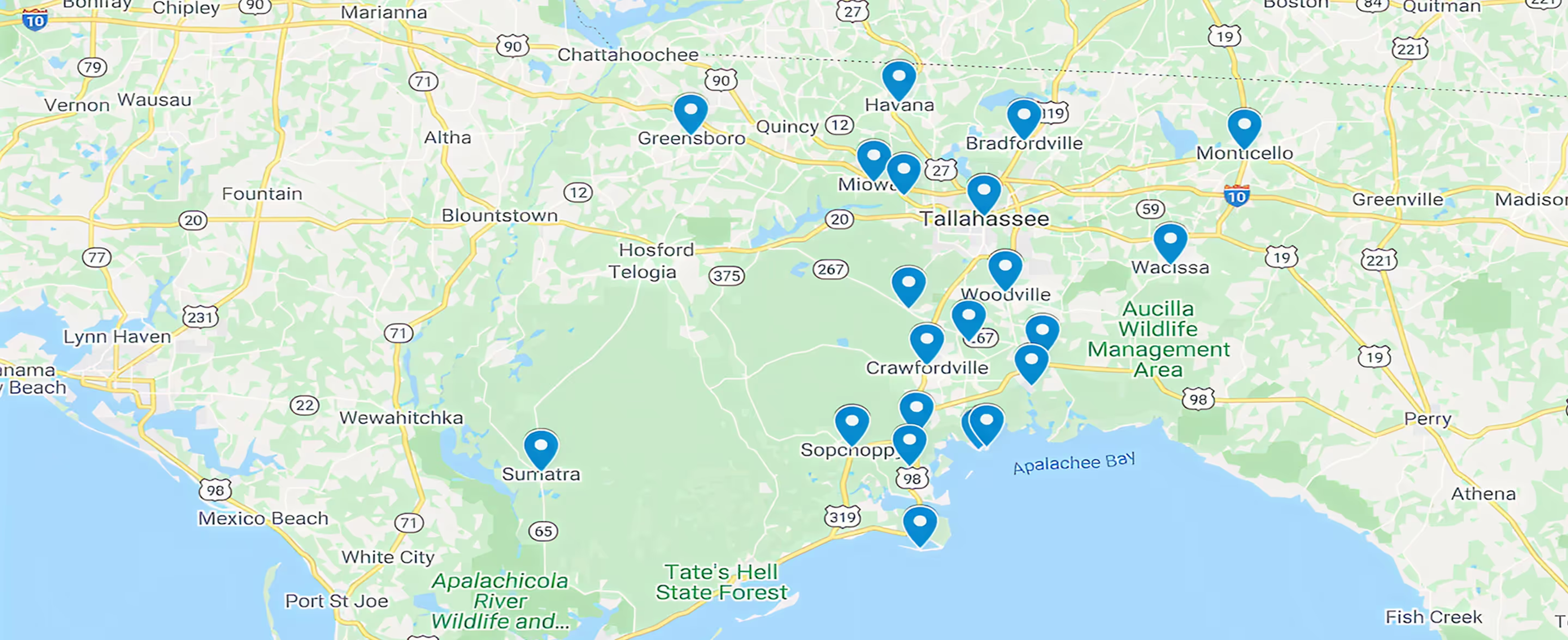
Service Areas