HVAC Installation in Crawfordville, FL
HVAC Repair in Lake Stevens, WA: Restoring Your Home's Comfort
When your heating or cooling system falters in Lake Stevens, WA, it's more than just an inconvenience; it impacts your home's comfort and potentially your indoor air quality. A malfunctioning HVAC system can lead to uncomfortable temperatures, rising energy bills, and even safety concerns. Prompt, reliable repair is essential to quickly restore function and ensure your home remains a comfortable sanctuary, no matter the season outside.
Addressing HVAC issues swiftly with professional service helps prevent minor problems from escalating into costly breakdowns. Whether your air conditioner isn't cooling on a hot summer day or your furnace fails during a cold winter night, having experienced technicians available to diagnose and resolve the issue efficiently is crucial for maintaining your peace of mind and comfort.
.jpeg)
HVAC Installation in Crawfordville, FL
Upgrading to a new HVAC system in Crawfordville, FL is one of the most impactful investments you can make for year-round comfort, indoor air quality, and energy savings. With a hot, humid Gulf Coast climate, homes here face prolonged cooling seasons, high humidity, and salt‑air exposure — all factors that change how a system should be sized, installed, and maintained. This page explains what a professional new HVAC installation includes, common local considerations, and what to expect from consultation through post‑installation testing and warranty enrollment.
Why a tailored installation matters in Crawfordville
Crawfordville’s long cooling season and high humidity increase runtime and demand for dehumidification. Oversized or poorly installed systems will short-cycle, reduce dehumidification, increase wear, and cost more to operate. Salt‑air exposure near the Gulf can accelerate corrosion on outdoor coils and fasteners. A proper installation addresses these regional challenges by focusing on correct sizing, appropriate equipment choices (including corrosion‑resistant options), and attention to ductwork and drainage to maintain efficiency and longevity.
Common reasons homeowners choose a new HVAC installation in Crawfordville
- Old systems losing efficiency and failing more often
- Rising cooling bills during the summer months
- Remodeling or home additions that change heating/cooling needs
- Poor humidity control or frequent mold/mildew concerns
- Desire for quieter operation, better filtration, or smart controls
- Switching to more environmentally friendly refrigerants or heat pumps
Pre-installation consultation and load calculations
A thorough pre-installation consultation is the foundation of a reliable system. Key steps include:
- Home inspection to evaluate insulation, window orientation, duct layout, attic conditions, and existing equipment
- Manual J load calculation to determine the correct heating and cooling capacity for your specific home — this prevents oversizing or undersizing
- Manual D duct design review to identify necessary duct repairs, sealing, or redesign to ensure balanced airflow
- Manual S equipment selection guidance to match the right model and features to your load calculations and comfort goals
These calculations and inspections ensure the system chosen will deliver comfortable, efficient operation in Crawfordville’s humid subtropical climate.
Equipment selection: options and features
Equipment choice has a big impact on comfort, energy use, and durability. For Crawfordville homes, consider:
- Central air conditioners vs. heat pumps: Heat pumps provide efficient cooling and heating year‑round and are well‑suited for Florida’s mild winters. Modern heat pumps with variable‑speed compressors deliver better humidity control and higher SEER ratings.
- Ductless mini‑split systems: Ideal for additions, multi‑zone control, or homes with limited ductwork. They eliminate duct losses and allow room‑by‑room temperature and humidity control.
- Efficiency and humidity features: Look for high SEER ratings, two‑stage or variable‑speed compressors, and advanced dehumidification modes for improved comfort and lower energy bills.
- Corrosion resistance: For properties closer to the coast, choose outdoor coils and fasteners with protective coatings or stainless components to resist salt‑air corrosion.
- Refrigerant considerations: Newer systems use lower‑GWP refrigerants and have manufacturer guidance on long‑term serviceability.
Ductwork and electrical requirements
Proper ductwork and electrical preparation are essential for safe, efficient operation:
- Ductwork: Duct sealing, insulation, and correct sizing reduce energy losses and improve airflow. In many Crawfordville homes, insulating ducts in unconditioned attics and sealing joints can reduce cooling loads significantly.
- Airflow balance: Supply and return placement, grille sizing, and static pressure checks prevent hot/cold spots and improve system longevity.
- Electrical: Modern systems often require dedicated circuits, disconnects, and a properly sized breaker and wiring. New equipment may need updated electrical panels or surge protection to meet manufacturer requirements.
Code compliance and permitting
New HVAC installations in Crawfordville must comply with Florida Building Code requirements, local permitting, and energy code provisions. Permits and inspections confirm proper equipment installation, refrigerant handling, electrical connections, and safe condensate drainage. Documentation of permits and compliance also helps preserve manufacturer warranties and ensures future resale value.
Typical project timeline
While timelines vary by project scope, a standard new HVAC installation process generally follows:
- Consultation and load calculations: 1–7 days depending on scheduling
- Equipment selection and permitting: 3–14 days (permits can affect timing)
- Equipment delivery and preparatory work (duct repairs, electrical upgrades): 1–5 days
- Installation: 1–3 days for standard systems; longer for ductwork changes or multi‑zone systems
- Final testing and homeowner orientation: same day as installation completion
Seasonal demand (summer months in Crawfordville) and permit processing can extend lead times, so planning ahead is recommended for timely installations.
Post-installation testing and documentation
A complete installation includes rigorous testing and documentation to confirm performance:
- Refrigerant charge verification and leak checks
- Airflow measurements and static pressure readings
- Temperature split and system performance testing under load
- Electrical checks and safety inspections
- Thermostat programming and explanation of system modes (including dehumidification settings)
- Documentation of installed equipment model numbers, serial numbers, and warranty registration details
These steps ensure the system is operating as intended for efficiency, comfort, and longevity.
Warranty, maintenance recommendations, and long-term care
Warranty coverage and ongoing maintenance protect your investment:
- Manufacturer warranties: Understand what components are covered and any registration requirements. Proper permitting and professional installation often preserve full warranty rights.
- Recommended maintenance: Annual tuneups, filter replacement schedules, coil cleaning, condensate line inspection, and seasonal checks of outdoor unit mounting and clearance. In Crawfordville, pay special attention to corrosion checks and protective measures for outdoor components.
- Indoor air quality and efficiency: Regular filter upgrades, periodic duct cleaning or sealing, and use of smart thermostats improve comfort and reduce operating costs.
Routine maintenance not only sustains comfort and energy efficiency, it also reduces the risk of mid‑season breakdowns during Crawfordville’s hottest months.
The value of a professional, climate-aware installation
A properly designed and installed HVAC system does more than control temperature — it manages humidity, improves indoor air quality, extends equipment life, and keeps energy costs predictable. In Crawfordville, FL, where humidity, heat, and coastal conditions influence system performance, attention to sizing, equipment choice, ductwork, and corrosion mitigation is essential. When these factors are addressed from consultation through post‑installation testing and maintenance planning, homeowners get consistent comfort and long‑term value from their new HVAC system.
hear what our satisfied clients have to say
.avif)

I have nothing but great things to say about this company! From the initial call to trouble shoot our old system to the installation of the new system. Maya was awesome and patient with us and the bank. Stratton, Wilton, and Austin did the removal and install of the systems and they were professional and proficient. I will be recommending this company to everyone and anyone! Thank you for making this less stressful then it needed to be. I'm very grateful for the help and comfort they have given me and my family.
We’ve had issues with our a/c unit freezing up off and on for a month or so. Aden from Keith Key came out and checked our system out. He fixed an issue with the bypass valve and also tuned our fan. Additionally we also replaced our thermostats with new T10’s. He took his time and helped me connect all of them to the WiFi and the app.Aden is very friendly and knowledgeable. I haven’t had an issue with my system since. He was also willing to accept the assistance of our overly helpful shih tzu. Call Keith Key and Aden for any issues with hvac systems, they can get it fixed!
Tryston was amazing! So knowledgeable, pleasant and respectful. Keith Key H/A will forever have my family's business
We had a tenant with no heat during the recent 29 degree weather. I called Keith Key Heating and Air before office hours and left my infomation with their answering service. I got a call back from the office promptly at 8:00 a.m. They were able to schedule us for service the same day. The technician arrived at noon, diagnosed the issue and made the repair. The price was quite reasonable. Everyone that we dealt with was friendly, professional and knowledgeable. I would highly recommend them and will be using them again in the future. Thanks Keith Key Heating & Air!!
Heat wasn't working after the sleet storm and being without power for 18 hours. Keith Key sent Trystan the same day as my call. He did a great job (very personable) and got it repaired in no time. Many thanks!
Keith Key HVAC is wonderful! They service our HVAC and just helped me with a super stressful heating issue while I was out of state. They are very organized and professional, and take extra time to explain and follow up. I just love them!
We've called on Keith Key Heating and Air twice for help. Both times, they responded quickly, and were able to make repairs quickly. The techs we've dealt with have been friendly, reliable, professional and knowledgeable. And they don't dig in your pocket like some have been known to do. I honestly don't know what more we could ask for. A solid 10 of 10, and we highly recommend.
Had to replace my AC and Heating unit. Keith Key Heating and Air was very helpful in finding the right unit money wise for me. The young men they sent was courteous and knowledgeable. They made sure everything was up to my standards before they left. If you have trouble I would highly recommend them to you.
Keith Key regularly services both our personal home and one of our rental properties! They are good about communicating to us about the condition of the units at the rental property which is such a relief! We have had to call them for 2 emergencies and both times the techs appeared happy to be there helping us despite being on the weekend! 10/10 recommend.
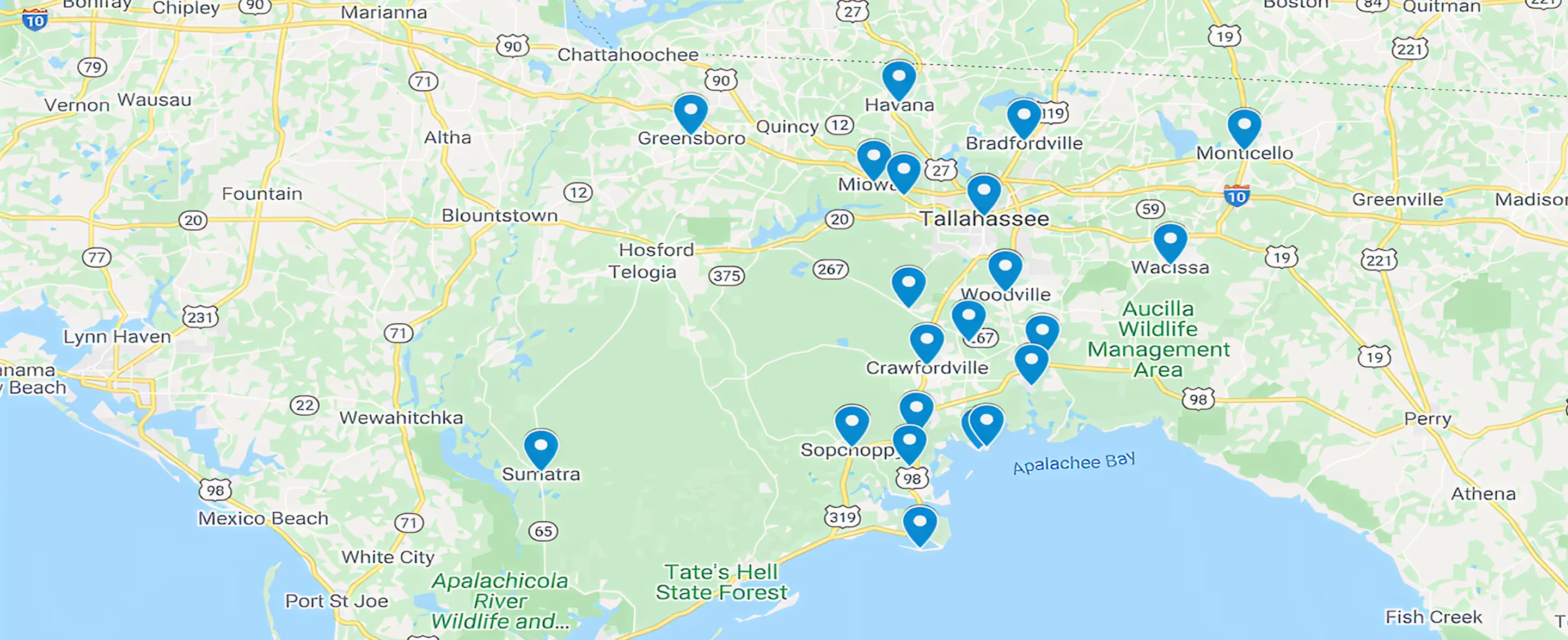
Service Areas