HVAC Repair in Wakulla Springs, FL
HVAC Repair in Lake Stevens, WA: Restoring Your Home's Comfort
When your heating or cooling system falters in Lake Stevens, WA, it's more than just an inconvenience; it impacts your home's comfort and potentially your indoor air quality. A malfunctioning HVAC system can lead to uncomfortable temperatures, rising energy bills, and even safety concerns. Prompt, reliable repair is essential to quickly restore function and ensure your home remains a comfortable sanctuary, no matter the season outside.
Addressing HVAC issues swiftly with professional service helps prevent minor problems from escalating into costly breakdowns. Whether your air conditioner isn't cooling on a hot summer day or your furnace fails during a cold winter night, having experienced technicians available to diagnose and resolve the issue efficiently is crucial for maintaining your peace of mind and comfort.
HVAC Repair in Wakulla Springs, FL
Keeping your home comfortable year-round in Wakulla Springs means dealing with high humidity, summer heat, coastal salt exposure, and seasonal storms. Timely, professional HVAC repair protects indoor comfort, prevents costly failures during heat waves, and preserves system efficiency. This page explains common diagnostic procedures, how we troubleshoot compressors, refrigerant leaks, airflow and thermostat issues, emergency vs scheduled repairs, warranty expectations, transparent estimates, technician qualifications, and practical tips to reduce future breakdowns specifically for Wakulla Springs homes.
Why HVAC repair matters in Wakulla Springs, FL
Wakulla Springs experiences hot, humid summers, frequent heavy rains, and proximity to the Gulf that increases corrosion risks. These conditions accelerate wear on outdoor condenser coils and electrical components, promote mold growth in ducts and coils, and put extra load on systems during peak months. Prompt repairs restore cooling capacity, lower energy bills, and reduce indoor humidity — critical for comfort and health in this climate.
Common HVAC problems we diagnose
- Insufficient cooling or weak airflow
- Intermittent or no compressor operation
- Refrigerant leaks and low charge
- Frozen evaporator coils or icing on lines
- Short cycling or frequent breaker trips
- Thermostat errors and poor temperature control
- Strange noises (humming, clanking, rattling) or burning smells
Typical diagnostic procedures
A proper diagnosis combines inspection, measurement, and testing so repairs target root causes rather than symptoms.
- Visual inspection
- Check outdoor unit, condenser fins, wiring, and panel for corrosion, debris, or storm damage
- Inspect indoor coil, condensate drain, air filter, and ductwork
- Electrical and safety checks
- Test voltage and amp draw on compressors and motors
- Inspect contactors, relays, capacitors, and breakers for faults
- Verify safety switches and float switches on condensate drains
- Refrigerant system testing
- Measure refrigerant pressures and subcool/superheat
- Use electronic leak detectors or UV dye to locate leaks
- Evacuate and test vacuum integrity if repairs require opening the system
- Airflow and distribution
- Check filter condition and return/grille blockage
- Measure static pressure and temperature split (delta T)
- Inspect duct seams, insulation, and register balance
- Thermostat and control verification
- Confirm wiring, calibration, and programming for heat pump or AC cycles
- Check sensors and communication with indoor and outdoor units
Troubleshooting: compressors, refrigerant, airflow, thermostat
- Compressor problems
- Symptoms: humming, no spin, tripping breakers, warm air
- Common causes: start/run capacitor failure, contactor wear, locked rotor from low refrigerant, overheating due to dirty coils
- Typical solutions: capacitor or relay replacement, clean condenser coil, verify refrigerant charge; if compressor is internally failed, replacement and system evacuation are required
- Refrigerant leaks
- Symptoms: reduced cooling, frosting, hissing sounds, oil stains
- Detection: electronic detectors, soap bubble test, UV dye inspection
- Repair approach: repair or replace leaking components (line section, brazed joint, coil), pressure test and evacuate, recharge with correct refrigerant by EPA-certified technician
- Airflow problems
- Symptoms: poor room temperatures, large delta T, frozen coil
- Causes: clogged filter, blocked returns, failing blower motor, collapsed flex ducts, dirty coil
- Remedies: replace filters, clean coil, repair/replace blower, seal and insulate ducts, restore proper return pathways
- Thermostat issues
- Symptoms: incorrect temperature, short cycling, incorrect mode switching
- Causes: dead batteries, misconfigured thermostat, faulty wiring, calibration drift
- Fixes: check and rewire as needed, recalibrate or replace thermostat, confirm correct settings for heat pump systems common in Florida
Emergency vs scheduled repair options
- Emergency repairs
- Situations that require immediate attention: total loss of cooling during extreme heat, electrical burning smell or smoke, refrigerant leak with strong odor, visible sparking or exposed live wiring, complete compressor failure during heat waves
- Emergency service focuses on safe shutdown, temporary fixes to restore cooling, and expedited parts replacement if needed
- Scheduled repairs
- Non-urgent repairs like replacing worn components, planned compressor changes, coil replacement, or duct sealing are best handled on a scheduled visit to allow full diagnostics and safer, more cost-efficient repairs
- Regular tune-ups before summer reduce emergency callouts
Parts and labor warranties and transparent estimates
- Warranty expectations
- Repairs typically carry contractor-backed labor warranties and parts warranties; manufacturer components (compressors, fan motors, control boards) may have separate factory warranties
- Common practice includes short-term labor warranties and manufacturer warranty transfers when applicable; always register major components to preserve coverage
- Transparent estimates
- Written estimates should list parts, labor, diagnostic fees, necessary permits, and refrigerant disposal or recovery fees when relevant
- Estimates distinguish replace vs repair options and explain the rationale for recommended repairs so homeowners can compare value and longevity
Technician qualifications that matter
- EPA Section 608 certification to legally handle refrigerant
- State HVAC license and local permitting knowledge
- NATE or manufacturer training for accurate troubleshooting and efficient repairs
- Background checks, insurance, and drug screening for homeowner safety
- Ongoing training in modern heat pumps, smart thermostats, and refrigerant regulations
Tips to avoid future breakdowns in Wakulla Springs homes
- Schedule preventive maintenance twice a year, ideally before summer and before cooler months
- Replace or clean filters monthly during heavy use seasons
- Keep at least 2 feet of clearance around the outdoor unit and rinse condenser fins gently to remove salt and debris
- Install a surge protector for major components to reduce storm-related electrical failures
- Maintain condensate drains and use drain pans or float switches to prevent overflow and mold
- Insulate ducts and attic spaces to reduce load on the system and minimize humidity intrusion
- Consider elevating outdoor units in areas prone to pooling water or flooding during heavy rains
Benefits of timely, professional HVAC repair
Prompt, qualified repair improves system reliability, extends equipment life, restores efficiency, and reduces long-term costs. In Wakulla Springs, where humidity and heat are constant stressors, keeping your HVAC system well-maintained and promptly repaired safeguards indoor comfort, reduces mold and moisture issues, and protects family health.
This overview outlines what to expect from a professional HVAC repair service in Wakulla Springs, FL, the diagnostic and repair steps used to solve common failures, and practical measures to reduce future problems in this local climate.
hear what our satisfied clients have to say
.avif)

I have nothing but great things to say about this company! From the initial call to trouble shoot our old system to the installation of the new system. Maya was awesome and patient with us and the bank. Stratton, Wilton, and Austin did the removal and install of the systems and they were professional and proficient. I will be recommending this company to everyone and anyone! Thank you for making this less stressful then it needed to be. I'm very grateful for the help and comfort they have given me and my family.
We’ve had issues with our a/c unit freezing up off and on for a month or so. Aden from Keith Key came out and checked our system out. He fixed an issue with the bypass valve and also tuned our fan. Additionally we also replaced our thermostats with new T10’s. He took his time and helped me connect all of them to the WiFi and the app.Aden is very friendly and knowledgeable. I haven’t had an issue with my system since. He was also willing to accept the assistance of our overly helpful shih tzu. Call Keith Key and Aden for any issues with hvac systems, they can get it fixed!
Tryston was amazing! So knowledgeable, pleasant and respectful. Keith Key H/A will forever have my family's business
We had a tenant with no heat during the recent 29 degree weather. I called Keith Key Heating and Air before office hours and left my infomation with their answering service. I got a call back from the office promptly at 8:00 a.m. They were able to schedule us for service the same day. The technician arrived at noon, diagnosed the issue and made the repair. The price was quite reasonable. Everyone that we dealt with was friendly, professional and knowledgeable. I would highly recommend them and will be using them again in the future. Thanks Keith Key Heating & Air!!
Heat wasn't working after the sleet storm and being without power for 18 hours. Keith Key sent Trystan the same day as my call. He did a great job (very personable) and got it repaired in no time. Many thanks!
Keith Key HVAC is wonderful! They service our HVAC and just helped me with a super stressful heating issue while I was out of state. They are very organized and professional, and take extra time to explain and follow up. I just love them!
We've called on Keith Key Heating and Air twice for help. Both times, they responded quickly, and were able to make repairs quickly. The techs we've dealt with have been friendly, reliable, professional and knowledgeable. And they don't dig in your pocket like some have been known to do. I honestly don't know what more we could ask for. A solid 10 of 10, and we highly recommend.
Had to replace my AC and Heating unit. Keith Key Heating and Air was very helpful in finding the right unit money wise for me. The young men they sent was courteous and knowledgeable. They made sure everything was up to my standards before they left. If you have trouble I would highly recommend them to you.
Keith Key regularly services both our personal home and one of our rental properties! They are good about communicating to us about the condition of the units at the rental property which is such a relief! We have had to call them for 2 emergencies and both times the techs appeared happy to be there helping us despite being on the weekend! 10/10 recommend.
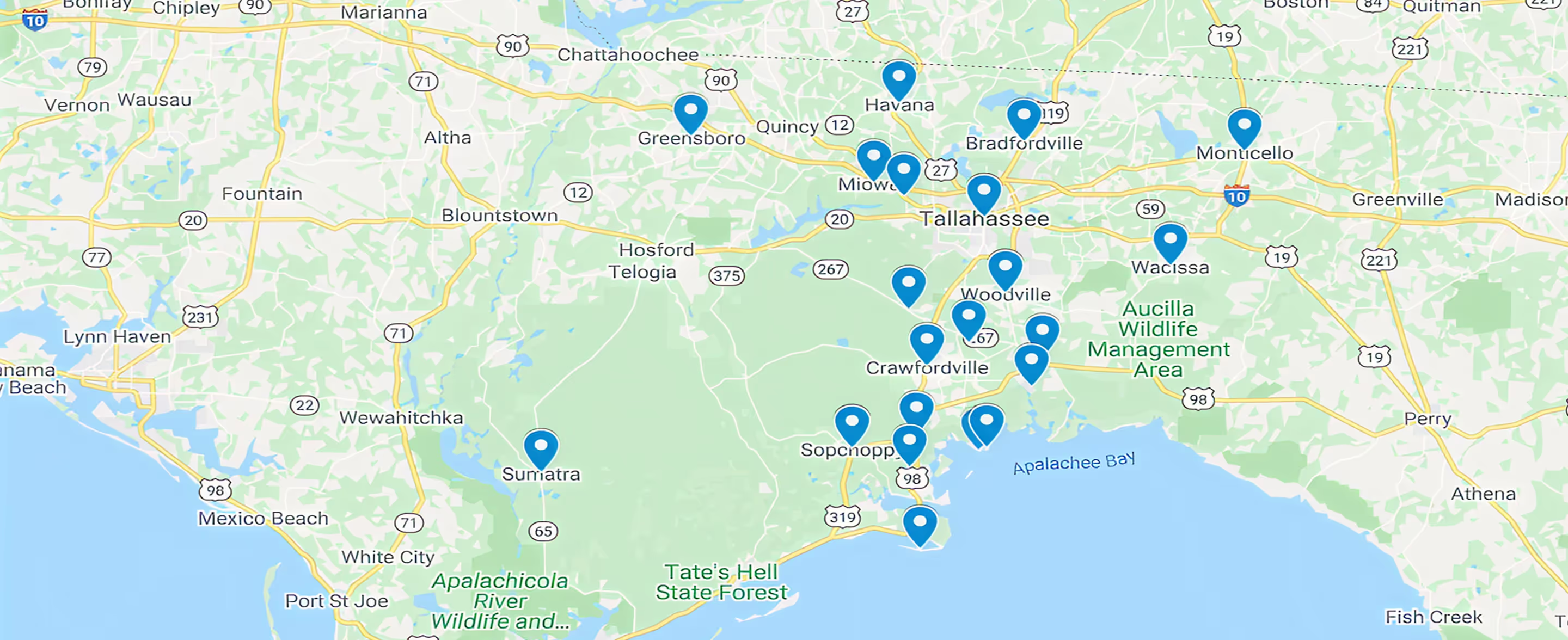
Service Areas