HVAC Installation in Wakulla Springs, FL
HVAC Repair in Lake Stevens, WA: Restoring Your Home's Comfort
When your heating or cooling system falters in Lake Stevens, WA, it's more than just an inconvenience; it impacts your home's comfort and potentially your indoor air quality. A malfunctioning HVAC system can lead to uncomfortable temperatures, rising energy bills, and even safety concerns. Prompt, reliable repair is essential to quickly restore function and ensure your home remains a comfortable sanctuary, no matter the season outside.
Addressing HVAC issues swiftly with professional service helps prevent minor problems from escalating into costly breakdowns. Whether your air conditioner isn't cooling on a hot summer day or your furnace fails during a cold winter night, having experienced technicians available to diagnose and resolve the issue efficiently is crucial for maintaining your peace of mind and comfort.
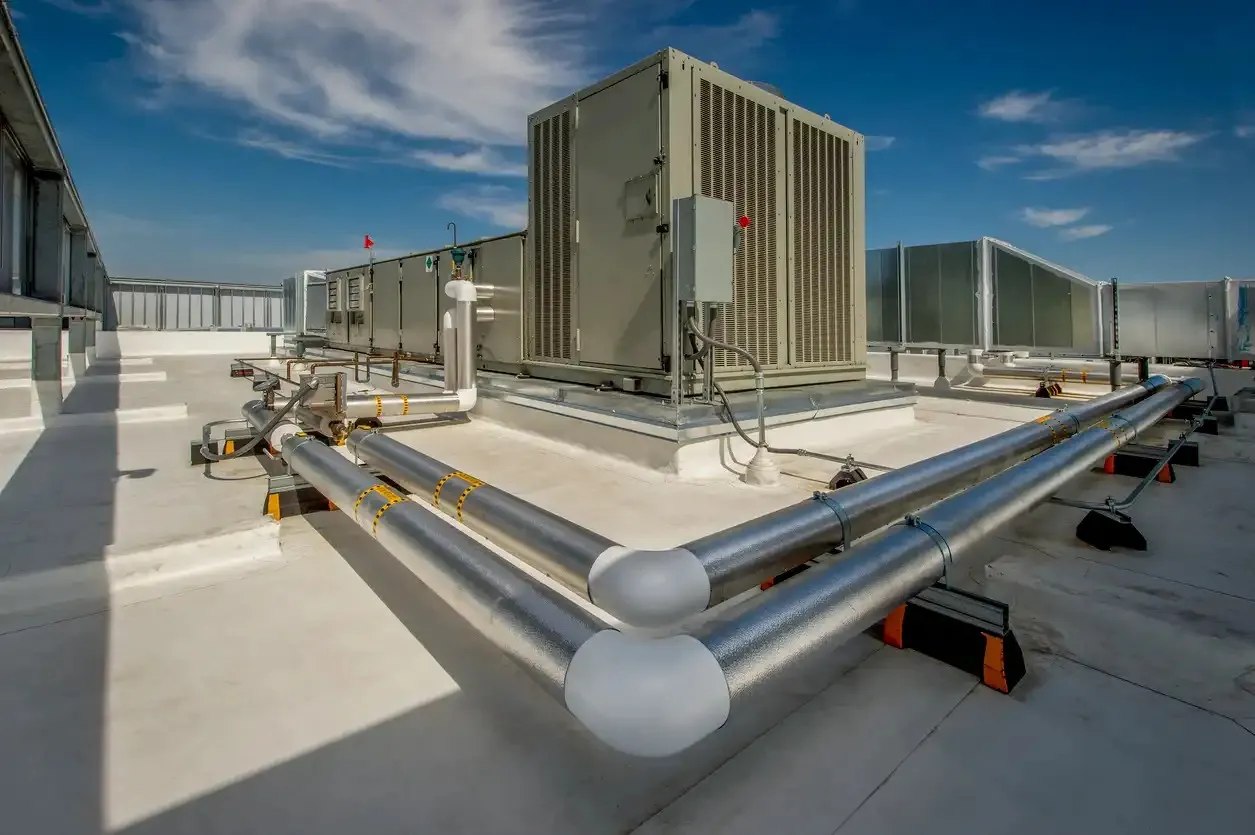
HVAC Installation in Wakulla Springs, FL
Upgrading or installing a new HVAC system in Wakulla Springs, FL is a high-impact home improvement that directly affects comfort, indoor air quality, and energy use in the hot, humid Gulf Coast climate. A proper HVAC installation goes beyond swapping equipment: it begins with a thorough site assessment, precise Manual J load calculations, and the right decisions about ductwork, equipment placement, and controls. This page explains the full installation process you can expect for HVAC installation in Wakulla Springs, FL, common issues installers address, testing and commissioning steps, warranty and post-installation support, and realistic timelines so you know what to expect.
Why a tailored HVAC installation matters in Wakulla Springs, FL
Wakulla Springs sees long, humid summers, frequent storms, and proximity to coastal salt air. Those regional factors make correct sizing, corrosion-resistant outdoor equipment, and humidity control essential. An undersized system will struggle to maintain comfortable humidity levels; an oversized system will short-cycle, reducing dehumidification and increasing wear. Properly designed systems protect indoor comfort and durability in this specific climate.
Common HVAC installation needs and problems in Wakulla Springs homes
- Incorrect equipment sizing causing short-cycling or inadequate cooling
- Deteriorated or poorly routed ductwork that reduces airflow and increases losses
- Lack of proper return air or poorly located vents that create hot or cold spots
- Outdoor unit corrosion from salt air and high humidity effects on components
- Inadequate drainage and condensate handling leading to water damage and mold risk
- Older thermostats or controls that do not optimize energy use or humidity control
Understanding these common issues guides the installation approach and system selection so the finished job performs reliably in local conditions.
Typical HVAC installation process in Wakulla Springs
Below is the step-by-step process professional installers use to ensure an efficient, long-lasting installation tailored to your Wakulla Springs home.
- Site assessment and inspection
- Inspect the home layout, insulation levels, attic and crawlspace conditions, duct locations, and equipment access.
- Check for moisture issues, existing duct integrity, and electrical panel capacity.
- Note local environmental factors such as tree cover, salt exposure, and typical sun loads on building surfaces.
- Manual J load calculations and design
- Perform a Manual J heat load calculation to determine precise heating and cooling capacity needs for each zone or the whole house.
- Use Manual D (duct design) where needed to size and balance the duct system.
- Account for local climate patterns so the system maintains comfort without excessive cycling.
- Equipment selection
- Select equipment with the right capacity and efficiency ratings for Wakulla Springs conditions, including corrosion-resistant finishes for outdoor units in coastal-adjacent areas.
- Consider options that help manage humidity, such as variable-speed compressors, multi-stage systems, or dedicated dehumidification.
- Adjust selections for homeowner priorities: lowest operating cost, highest comfort, or best indoor air quality.
- Ductwork modifications or replacement
- Assess existing ducts for leaks, improper sizing, or poor insulation.
- Seal and insulate accessible ducts; replace or reconfigure segments that restrict airflow or cause imbalance.
- Add or relocate return and supply grills as required for even distribution and balanced pressure.
- Professional installation steps
- Prepare mounting pads or platforms for outdoor condenser units, considering ground conditions and elevation for storm resilience.
- Install indoor air handler or furnace with proper clearances, condensate management, and electrical hookup.
- Connect refrigerant lines, evacuate and charge the system to precise manufacturer specifications.
- Ensure proper thermostat wiring and communication for smart controls if applicable.
- System commissioning and performance testing
- Run performance tests to verify airflow, static pressure, refrigerant charge, and compressor operating parameters.
- Measure temperature differentials across the coil and verify humidity control performance during run cycles.
- Test safety controls, condensate protection, and electrical protection devices.
- Balance the system and adjust dampers or registers to achieve even distribution.
- Warranty, documentation, and post-installation support
- Provide system documentation including equipment model numbers, warranty details, maintenance schedules, and operating tips.
- Explain warranty registration processes and any manufacturer requirements for routine maintenance.
- Offer guidance on filter types and replacement intervals, thermostat programming, and seasonal checks to preserve warranty coverage.
Estimated timelines for a typical installation
- Initial site assessment and load calculations: 1 visit, typically same-day or within a few days of request.
- Detailed design and equipment selection: 1 to 3 business days depending on complexity.
- Permits and scheduling (if required): timing varies with local permitting processes; allow several days to a couple of weeks.
- Installation (single-zone replacement without major duct changes): commonly completed in 1 to 2 days.
- Installation with significant ductwork modifications or multi-zone systems: typically 2 to 4 days.
- Final commissioning and verification: final testing usually completed the same day as installation closeout.
Timelines will vary depending on home size, accessibility, permit timelines, and parts availability. The climate in Wakulla Springs can influence scheduling—for example, installations may be scheduled to avoid peak heat or hurricane season.
Warranty and long-term support considerations
A quality installation should include clear warranty handover for both equipment and workmanship. Manufacturer warranties cover parts and major component failures; installer workmanship warranties cover labor and installation-related issues. Regular maintenance and timely filter changes are commonly required to maintain warranty validity. Consider service plans or scheduled maintenance checks, especially before the high cooling load season, to sustain performance in Wakulla Springs’ humid climate.
Benefits and maintenance tips specific to Wakulla Springs homes
A properly installed HVAC system improves comfort, lowers energy use, reduces humidity-related issues like mold, and extends equipment life in coastal-humid environments. For best long-term results:
- Schedule annual tune-ups before peak cooling season.
- Use high-quality filters and check them monthly during summer.
- Ensure outdoor units have adequate clearance from vegetation and salt spray exposure; consider protective coatings if needed.
- Address attic insulation and ventilation to reduce thermal loads and improve system efficiency.
- Consider smart thermostats or zoning to manage comfort in older or larger homes with variable occupancy.
A complete, climate-aware HVAC installation in Wakulla Springs, FL combines accurate load calculations, corrosion-conscious equipment selection, careful ductwork assessment, and rigorous commissioning. When these elements are addressed, your home will be more comfortable, efficient, and resilient in the Gulf Coast environment.
hear what our satisfied clients have to say
.avif)

I have nothing but great things to say about this company! From the initial call to trouble shoot our old system to the installation of the new system. Maya was awesome and patient with us and the bank. Stratton, Wilton, and Austin did the removal and install of the systems and they were professional and proficient. I will be recommending this company to everyone and anyone! Thank you for making this less stressful then it needed to be. I'm very grateful for the help and comfort they have given me and my family.
We’ve had issues with our a/c unit freezing up off and on for a month or so. Aden from Keith Key came out and checked our system out. He fixed an issue with the bypass valve and also tuned our fan. Additionally we also replaced our thermostats with new T10’s. He took his time and helped me connect all of them to the WiFi and the app.Aden is very friendly and knowledgeable. I haven’t had an issue with my system since. He was also willing to accept the assistance of our overly helpful shih tzu. Call Keith Key and Aden for any issues with hvac systems, they can get it fixed!
Tryston was amazing! So knowledgeable, pleasant and respectful. Keith Key H/A will forever have my family's business
We had a tenant with no heat during the recent 29 degree weather. I called Keith Key Heating and Air before office hours and left my infomation with their answering service. I got a call back from the office promptly at 8:00 a.m. They were able to schedule us for service the same day. The technician arrived at noon, diagnosed the issue and made the repair. The price was quite reasonable. Everyone that we dealt with was friendly, professional and knowledgeable. I would highly recommend them and will be using them again in the future. Thanks Keith Key Heating & Air!!
Heat wasn't working after the sleet storm and being without power for 18 hours. Keith Key sent Trystan the same day as my call. He did a great job (very personable) and got it repaired in no time. Many thanks!
Keith Key HVAC is wonderful! They service our HVAC and just helped me with a super stressful heating issue while I was out of state. They are very organized and professional, and take extra time to explain and follow up. I just love them!
We've called on Keith Key Heating and Air twice for help. Both times, they responded quickly, and were able to make repairs quickly. The techs we've dealt with have been friendly, reliable, professional and knowledgeable. And they don't dig in your pocket like some have been known to do. I honestly don't know what more we could ask for. A solid 10 of 10, and we highly recommend.
Had to replace my AC and Heating unit. Keith Key Heating and Air was very helpful in finding the right unit money wise for me. The young men they sent was courteous and knowledgeable. They made sure everything was up to my standards before they left. If you have trouble I would highly recommend them to you.
Keith Key regularly services both our personal home and one of our rental properties! They are good about communicating to us about the condition of the units at the rental property which is such a relief! We have had to call them for 2 emergencies and both times the techs appeared happy to be there helping us despite being on the weekend! 10/10 recommend.
Service Areas