HVAC Repair in Havana, FL
HVAC Repair in Lake Stevens, WA: Restoring Your Home's Comfort
When your heating or cooling system falters in Lake Stevens, WA, it's more than just an inconvenience; it impacts your home's comfort and potentially your indoor air quality. A malfunctioning HVAC system can lead to uncomfortable temperatures, rising energy bills, and even safety concerns. Prompt, reliable repair is essential to quickly restore function and ensure your home remains a comfortable sanctuary, no matter the season outside.
Addressing HVAC issues swiftly with professional service helps prevent minor problems from escalating into costly breakdowns. Whether your air conditioner isn't cooling on a hot summer day or your furnace fails during a cold winter night, having experienced technicians available to diagnose and resolve the issue efficiently is crucial for maintaining your peace of mind and comfort.
HVAC Repair in Havana, FL
Keeping your home comfortable year-round in Havana, FL depends on a properly functioning HVAC system. With hot, humid summers and occasional cool snaps in the Panhandle, HVAC failures can quickly become urgent. This page explains the diagnostic process, the most common system failures (compressor, fan, refrigerant leaks, electrical issues), emergency and same-day repair options, technician qualifications, pricing approaches like flat-rate estimates versus diagnostic fees, warranty and parts considerations, and clear guidance on when repair is preferable to replacement in Havana-area homes.
Why timely HVAC repair matters in Havana, FL
Havana’s subtropical climate puts heavy demand on air conditioners from late spring through early fall. High humidity increases strain on compressors and airflow systems, while pollen and airborne debris can clog filters and coils. Prompt repairs restore comfort, prevent secondary damage (mold growth, water damage from clogged drains), and reduce energy bills caused by inefficient operation.
Common HVAC repair issues in Havana, FL
- Compressor failure: Signs include lack of cold air, unusual noises from the outdoor unit, or the system short-cycling. Compressors fail from electrical faults, refrigerant starvation, or age.
- Condenser/fan motor problems: Outdoor fan motors and condenser coils can seize, corrode, or become clogged, reducing heat exchange and causing overheating.
- Refrigerant leaks: Low refrigerant leads to poor cooling and ice on evaporator coils. In many older systems that use R-22, recharge costs can be high because R-22 is phased out, influencing repair decisions.
- Electrical issues: Tripped breakers, faulty capacitors, relays, contactors, or control board failures are common causes of intermittent or total system failure.
- Blower motor and airflow problems: Weak airflow or uneven cooling is often caused by a failing blower motor, clogged filters, blocked return ducts, or duct leaks.
- Drainage and condensate problems: Clogged condensate drains cause water backups, safety switches tripping, and water damage.
- Heat pump-specific failures: Reversing valve problems, frozen coils, or defrost control issues are common when heat pumps are used in cooler months.
Diagnostic process: what to expect
A thorough diagnostic evaluates the entire system to identify root causes rather than surface symptoms. Typical steps include:
- Visual inspection of indoor and outdoor units, filters, coils, and ductwork.
- System startup and performance tests to observe cycling, pressures, temperatures, and airflow.
- Refrigerant pressure checks to detect leaks or improper charge.
- Electrical testing of capacitors, contactors, breakers, and wiring.
- Thermostat and control system verification.
- Inspecting condensate drainage and safety switches.
- Documenting findings and presenting repair options with estimated timelines.
Diagnostics help prioritize repairs, prevent unnecessary parts replacement, and give a reliable estimate of remaining useful life.
Repair solutions and what they involve
- Compressor repairs or replacement: Replacements require careful sizing and often involve recovering refrigerant, installing a matched system component, and testing for reliability.
- Fan and motor replacement: Includes removing the failed motor, verifying capacitor and wiring compatibility, and rebalancing the fan.
- Refrigerant leak repair and recharge: Locating and repairing leaks (sometimes using UV dye), evacuating the line, and recharging to manufacturer specifications.
- Electrical component replacement: Swapping capacitors, contactors, relays, control boards, and ensuring secure, code-compliant wiring.
- Blower repairs and duct sealing: Replacing motors or belts and sealing/insulating ducts to restore airflow and efficiency.
- Condensate line cleaning and safety reset: Clearing clogs, replacing damaged drain pans, and ensuring proper slope and drainage.
Repairs are prioritized to restore safe operation first, then to optimize efficiency and longevity.
Emergency response and same-day repairs
Havana homeowners face peak failure during heat waves. Emergency HVAC repair in Havana, FL typically focuses on:
- Rapid diagnosis to determine if a safe temporary fix is possible.
- Restoring cooling or heating capacity to protect occupants and property.
- Prioritizing critical components (capacitor, fan motor, refrigerant top-off) for same-day service where parts are available.Technicians will advise if a temporary repair is feasible or if a more extensive replacement is required and provide transparent timelines for permanent fixes.
Technician qualifications and certifications
Qualified HVAC technicians should have:
- EPA Section 608 certification for handling refrigerants.
- NATE (North American Technician Excellence) certifications or equivalent industry credentials indicating tested competency.
- State licensure and knowledge of local permitting requirements where applicable.
- Manufacturer-specific training for newer systems to maintain warranty compliance.
- Experience diagnosing both split systems and heat pumps common in Havana homes.These credentials reduce risk, ensure code compliance, and improve repair outcomes.
Flat-rate estimates vs. diagnostic fees
- Diagnostic fee: Covers on-site evaluation, system tests, and a written report of findings. This fee is common and ensures the technician can accurately identify issues before pricing work.
- Flat-rate estimates: Provide a transparent, fixed price for a defined repair scope. Flat rates reduce surprises and make budgeting easier.In many cases, the diagnostic fee may be credited toward the repair if you proceed. Flat-rate pricing helps compare options, while diagnostics ensure the right repair is chosen.
Warranty and parts information
- OEM vs aftermarket parts: Original equipment manufacturer (OEM) parts often maintain system performance and long-term reliability; aftermarket parts can be cost-effective for older systems but may affect long-term durability.
- Parts and labor warranties: Confirm length and coverage for both parts and labor. Warranties typically vary by component and supplier.
- Manufacturer service requirements: Some warranties require regular maintenance by certified technicians to remain valid.Understanding warranty terms helps protect your investment and avoid unexpected costs.
When to repair versus when to replace
Consider replacement when:
- The unit is older than 10-15 years and requires frequent major repairs.
- Single repair costs approach or exceed 50% of replacement cost.
- The system uses R-22 refrigerant, making future service expensive.
- Energy bills remain high despite repairs—modern units offer significant efficiency improvements, which matter in Havana’s long cooling season.
- Comfort problems persist after repairs (uneven cooling, humidity issues) indicating system mismatch or duct problems.Choose repair when:
- The issue is isolated (single component failure) on a relatively new system.
- Repairs restore expected efficiency and extend useful life affordably.
- The expected remaining life and warranty coverage justify the expense.Evaluate lifecycle cost, energy savings, and comfort impact when deciding.
Maintenance and long-term benefits
Regular preventive maintenance in Havana includes seasonal tune-ups, filter changes, coil cleaning, and checking refrigerant charge. Benefits include fewer emergency repairs, better humidity control, lower energy bills, and longer equipment life. For homes near tallahassee area weather patterns, scheduling maintenance before peak cooling season reduces the chance of breakdowns during extreme heat.
This overview gives Havana homeowners a clear, practical framework for diagnosing HVAC problems, understanding repair options, and making informed repair-versus-replace decisions tailored to local climate demands and equipment realities.
hear what our satisfied clients have to say
.avif)

I have nothing but great things to say about this company! From the initial call to trouble shoot our old system to the installation of the new system. Maya was awesome and patient with us and the bank. Stratton, Wilton, and Austin did the removal and install of the systems and they were professional and proficient. I will be recommending this company to everyone and anyone! Thank you for making this less stressful then it needed to be. I'm very grateful for the help and comfort they have given me and my family.
We’ve had issues with our a/c unit freezing up off and on for a month or so. Aden from Keith Key came out and checked our system out. He fixed an issue with the bypass valve and also tuned our fan. Additionally we also replaced our thermostats with new T10’s. He took his time and helped me connect all of them to the WiFi and the app.Aden is very friendly and knowledgeable. I haven’t had an issue with my system since. He was also willing to accept the assistance of our overly helpful shih tzu. Call Keith Key and Aden for any issues with hvac systems, they can get it fixed!
Tryston was amazing! So knowledgeable, pleasant and respectful. Keith Key H/A will forever have my family's business
We had a tenant with no heat during the recent 29 degree weather. I called Keith Key Heating and Air before office hours and left my infomation with their answering service. I got a call back from the office promptly at 8:00 a.m. They were able to schedule us for service the same day. The technician arrived at noon, diagnosed the issue and made the repair. The price was quite reasonable. Everyone that we dealt with was friendly, professional and knowledgeable. I would highly recommend them and will be using them again in the future. Thanks Keith Key Heating & Air!!
Heat wasn't working after the sleet storm and being without power for 18 hours. Keith Key sent Trystan the same day as my call. He did a great job (very personable) and got it repaired in no time. Many thanks!
Keith Key HVAC is wonderful! They service our HVAC and just helped me with a super stressful heating issue while I was out of state. They are very organized and professional, and take extra time to explain and follow up. I just love them!
We've called on Keith Key Heating and Air twice for help. Both times, they responded quickly, and were able to make repairs quickly. The techs we've dealt with have been friendly, reliable, professional and knowledgeable. And they don't dig in your pocket like some have been known to do. I honestly don't know what more we could ask for. A solid 10 of 10, and we highly recommend.
Had to replace my AC and Heating unit. Keith Key Heating and Air was very helpful in finding the right unit money wise for me. The young men they sent was courteous and knowledgeable. They made sure everything was up to my standards before they left. If you have trouble I would highly recommend them to you.
Keith Key regularly services both our personal home and one of our rental properties! They are good about communicating to us about the condition of the units at the rental property which is such a relief! We have had to call them for 2 emergencies and both times the techs appeared happy to be there helping us despite being on the weekend! 10/10 recommend.
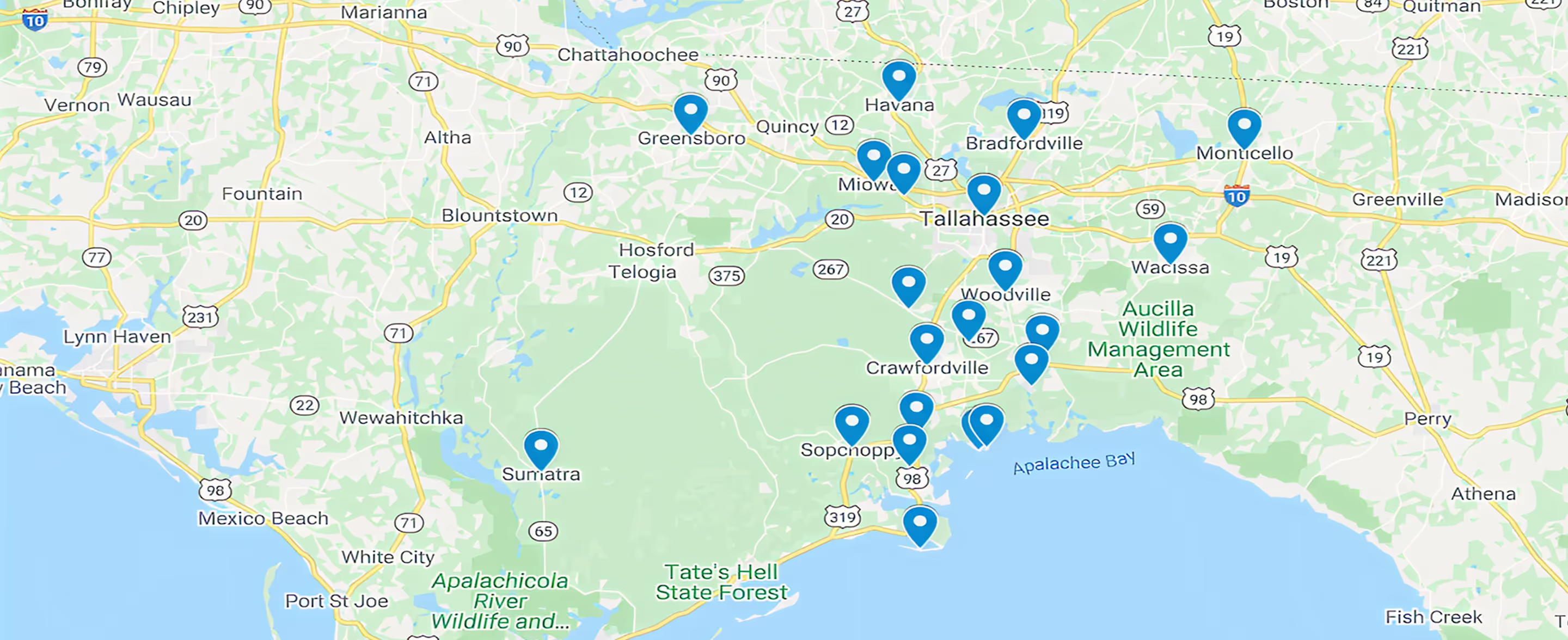
Service Areas