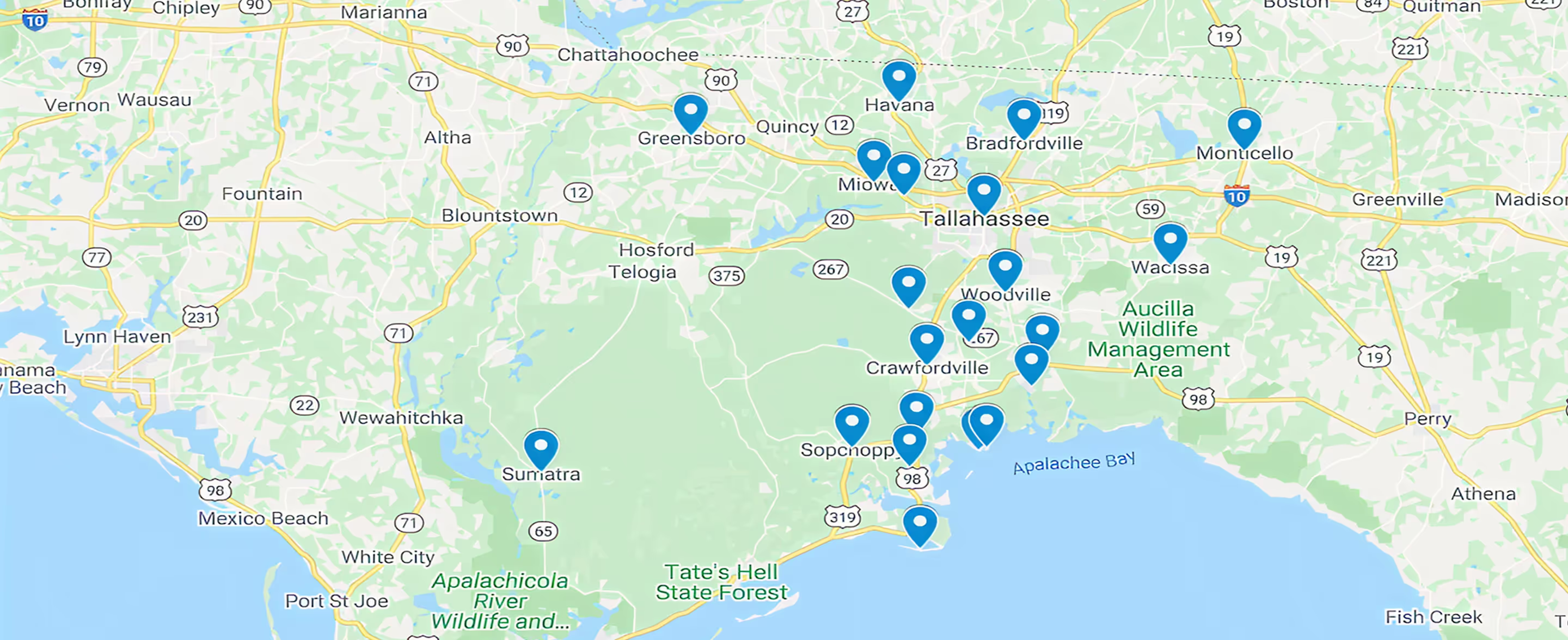
HVAC Installation in Havana, FL
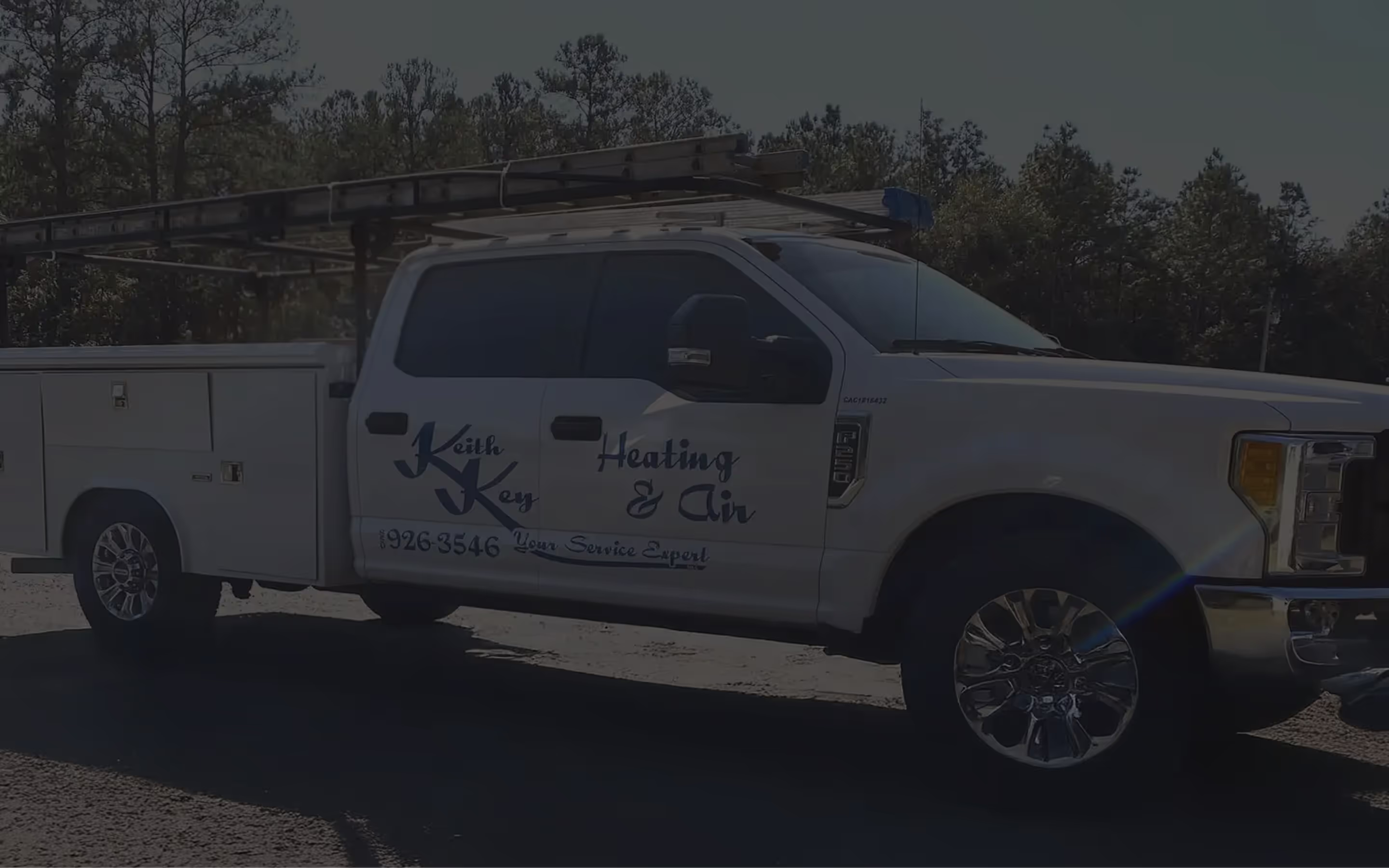
HVAC Repair in Lake Stevens, WA: Restoring Your Home's Comfort
When your heating or cooling system falters in Lake Stevens, WA, it's more than just an inconvenience; it impacts your home's comfort and potentially your indoor air quality. A malfunctioning HVAC system can lead to uncomfortable temperatures, rising energy bills, and even safety concerns. Prompt, reliable repair is essential to quickly restore function and ensure your home remains a comfortable sanctuary, no matter the season outside.
Addressing HVAC issues swiftly with professional service helps prevent minor problems from escalating into costly breakdowns. Whether your air conditioner isn't cooling on a hot summer day or your furnace fails during a cold winter night, having experienced technicians available to diagnose and resolve the issue efficiently is crucial for maintaining your peace of mind and comfort.
-min.jpeg)
HVAC Installation in Havana, FL
Upgrading to a new HVAC system in Havana, FL solves common comfort problems that local homeowners face: high indoor humidity, uneven cooling, rising energy bills, and frequent mid-summer breakdowns. A correct new HVAC system installation delivers consistent temperatures, better indoor air quality, and predictable operating costs. This page explains what a professional new HVAC system installation includes—site assessment and load sizing, equipment selection (central AC, heat pump, ductless), permit and code compliance, the step-by-step installation process, system startup and commissioning, post-install testing, warranty registration, and practical maintenance plan recommendations tailored to Havana homes.
Why a tailored HVAC installation matters in Havana, FL
Havana is in a humid subtropical climate with long, hot summers and high year-round humidity. That makes cooling capacity and humidity control the primary performance drivers. Older homes in the area often have undersized systems, leaky ducts, or minimal insulation, which compounds comfort and efficiency problems. A properly designed and installed system sized for your home and local climate will:
- Reduce energy use by matching capacity to actual load
- Improve humidity control for health and comfort
- Extend equipment life by preventing short-cycling and overload
- Lower the chance of summertime service emergencies
Common HVAC installation types and issues in Havana
- Central air conditioning installation - best for homes with existing ductwork. Common issues to address: duct leaks, undersized condensers, and improper refrigerant charge.
- Heat pump installation - recommended for energy-efficient year-round comfort in mild-winter climates. Consider backup heat options for occasional cold snaps.
- Ductless mini-split installation - ideal for additions, older homes without ducts, garages, or rooms needing independent control.
- Full system replacement - when both indoor and outdoor components are old, inefficient, or incompatible.
- Ductwork replacement or sealing - often required when ducts are poorly insulated or damaged.
- Zoning or thermostat upgrades - for multi-story or larger homes with uneven loads.
Initial site assessment and load sizing
A reliable installation begins with a detailed site assessment and load calculation. This includes:
- Home walkthrough to evaluate insulation, windows, orientation, and existing ductwork.
- Manual J load calculation to determine accurate heating and cooling capacity needs.
- Manual D duct design when ducts are new or being modified to ensure proper sizing.
- Manual S equipment selection guidance to match manufacturer models to your calculated loads.
In Havana, the assessment also factors in high humidity levels and solar heat gain through large windows. Oversized equipment is a common mistake; it causes short cycling and poor dehumidification. Proper load sizing prevents that.
Choosing the right equipment
Selecting the right system depends on home layout, budget, and performance goals:
- Central AC: Best for homes with ducts. Look for higher SEER ratings for better cooling efficiency during long Florida summers.
- Heat Pump: Efficient for both cooling and heating. Modern heat pumps perform well in Havana and reduce fossil fuel use.
- Ductless Mini-Split: Excellent for room additions, garages, or homes without ducts. Provides zoned control and high efficiency.
- Variable-speed and two-stage compressors: Provide better humidity control, quieter operation, and improved energy performance than single-stage units.
- Indoor air quality upgrades: Consider whole-house dehumidifiers, upgraded filtration, and UV air treatment to reduce humidity and allergens.
Equipment selection should also consider refrigerant type, manufacturer warranty coverage, and compatibility with thermostats or smart controls.
Permitting and code compliance
Installations in Havana require compliance with Florida building codes and local Gadsden County permitting. Key compliance items include:
- Obtaining electrical and mechanical permits as required
- Meeting Florida Building Code requirements for equipment anchoring and wind load where applicable
- Electrical circuit and disconnect compliance
- Proper condensate disposal to prevent moisture problems
- Meeting local setback and noise regulations when placing outdoor units
Professional installers coordinate permits and inspections to ensure systems meet code and pass final inspection.
Step-by-step installation process
- Pre-install preparation - confirm load calculations, equipment selection, and permit readiness.
- Site preparation - create a stable pad or platform for the outdoor condenser, check clearances, and plan refrigerant and electrical routing.
- Remove old equipment - safely disconnect and properly dispose or recycle refrigerant per regulations.
- Ductwork inspection and repair - seal, insulate, or replace duct sections as needed to meet airflow requirements.
- Install indoor and outdoor units - mount indoor air handler or evaporator coil, set condenser pad, and complete refrigerant line connections.
- Electrical and thermostat wiring - install disconnects, ensure correctly sized wiring and breakers, and wire the thermostat or control system.
- Insulation and finish - insulate refrigerant lines, seal penetrations, and restore disturbed finishes.
- System startup and commissioning - evacuate lines, charge refrigerant to manufacturer specs, and perform initial system checks.
System startup, commissioning, and post-installation testing
Proper commissioning confirms the system delivers expected performance:
- Refrigerant charge verification using subcooling and superheat methods
- Airflow measurement and static pressure testing to verify CFM across registers
- Temperature split check between supply and return air
- Electrical load testing and amp draw verification
- Leak checks for refrigerant and duct leakage testing if ducts were modified
- Thermostat calibration and control programming
- Condensate drainage verification to prevent water damage
Documentation of all test results and a walk-through explaining system operation and maintenance expectations completes commissioning.
Warranty registration and maintenance plans
After installation, register manufacturer warranties promptly to secure coverage. Typical warranties cover parts and may offer a limited compressor warranty; labor warranties vary. Recommended maintenance plan elements for Havana homes:
- Biannual tune-ups, timed for pre-summer and pre-winter to check cooling performance and defrost cycles
- Filter replacement guidance - high-efficiency filters help with indoor air quality but require regular replacement
- Coil cleaning, condensate line clearing, and drainage inspection to prevent mold and water damage
- Refrigerant and electrical checks to catch leaks or loose connections early
- Duct inspection every 3-5 years, sooner if you notice dust, uneven cooling, or high energy bills
Maintenance preserves efficiency, reduces breakdown risk, and helps maintain manufacturer warranty conditions.
Long-term benefits and local considerations
A professionally installed HVAC system in Havana, FL results in improved comfort, humidity control, and lower operating costs over the life of the system. Key local considerations:
- Prioritize humidity control technologies, such as variable-speed systems or dedicated dehumidifiers
- Keep outdoor condensers shaded where possible without restricting airflow to improve efficiency
- Ensure proper anchoring and electrical compliance for storm resilience
- Monitor landscaping growth around outdoor units to prevent airflow obstruction
A properly selected and installed system tailored to Havana conditions avoids frequent repairs, enhances indoor air quality, and delivers dependable performance through long, humid summers.
hear what our satisfied clients have to say
.avif)

I have nothing but great things to say about this company! From the initial call to trouble shoot our old system to the installation of the new system. Maya was awesome and patient with us and the bank. Stratton, Wilton, and Austin did the removal and install of the systems and they were professional and proficient. I will be recommending this company to everyone and anyone! Thank you for making this less stressful then it needed to be. I'm very grateful for the help and comfort they have given me and my family.
We’ve had issues with our a/c unit freezing up off and on for a month or so. Aden from Keith Key came out and checked our system out. He fixed an issue with the bypass valve and also tuned our fan. Additionally we also replaced our thermostats with new T10’s. He took his time and helped me connect all of them to the WiFi and the app.Aden is very friendly and knowledgeable. I haven’t had an issue with my system since. He was also willing to accept the assistance of our overly helpful shih tzu. Call Keith Key and Aden for any issues with hvac systems, they can get it fixed!
Tryston was amazing! So knowledgeable, pleasant and respectful. Keith Key H/A will forever have my family's business
We had a tenant with no heat during the recent 29 degree weather. I called Keith Key Heating and Air before office hours and left my infomation with their answering service. I got a call back from the office promptly at 8:00 a.m. They were able to schedule us for service the same day. The technician arrived at noon, diagnosed the issue and made the repair. The price was quite reasonable. Everyone that we dealt with was friendly, professional and knowledgeable. I would highly recommend them and will be using them again in the future. Thanks Keith Key Heating & Air!!
Heat wasn't working after the sleet storm and being without power for 18 hours. Keith Key sent Trystan the same day as my call. He did a great job (very personable) and got it repaired in no time. Many thanks!
Keith Key HVAC is wonderful! They service our HVAC and just helped me with a super stressful heating issue while I was out of state. They are very organized and professional, and take extra time to explain and follow up. I just love them!
We've called on Keith Key Heating and Air twice for help. Both times, they responded quickly, and were able to make repairs quickly. The techs we've dealt with have been friendly, reliable, professional and knowledgeable. And they don't dig in your pocket like some have been known to do. I honestly don't know what more we could ask for. A solid 10 of 10, and we highly recommend.
Had to replace my AC and Heating unit. Keith Key Heating and Air was very helpful in finding the right unit money wise for me. The young men they sent was courteous and knowledgeable. They made sure everything was up to my standards before they left. If you have trouble I would highly recommend them to you.
Keith Key regularly services both our personal home and one of our rental properties! They are good about communicating to us about the condition of the units at the rental property which is such a relief! We have had to call them for 2 emergencies and both times the techs appeared happy to be there helping us despite being on the weekend! 10/10 recommend.
Service Areas