Mini-split Replacement in Sumatra, FL
Mini-split replacement for Sumatra, FL homes covers when to replace versus repair, how professionals evaluate end-of-life, and how to select correctly sized, efficient systems. The guide details removal and disposal, installation timelines, financing and rebate options, and warranty considerations, with emphasis on humidity, corrosion, and local conditions. It outlines the installation process from load calculations to commissioning, and offers practical tips for maintenance, energy efficiency, and long-term reliability in Florida's climate. This page helps homeowners make informed, cost-effective decisions for year-round comfort.
Mini-split Replacement in Sumatra, FL
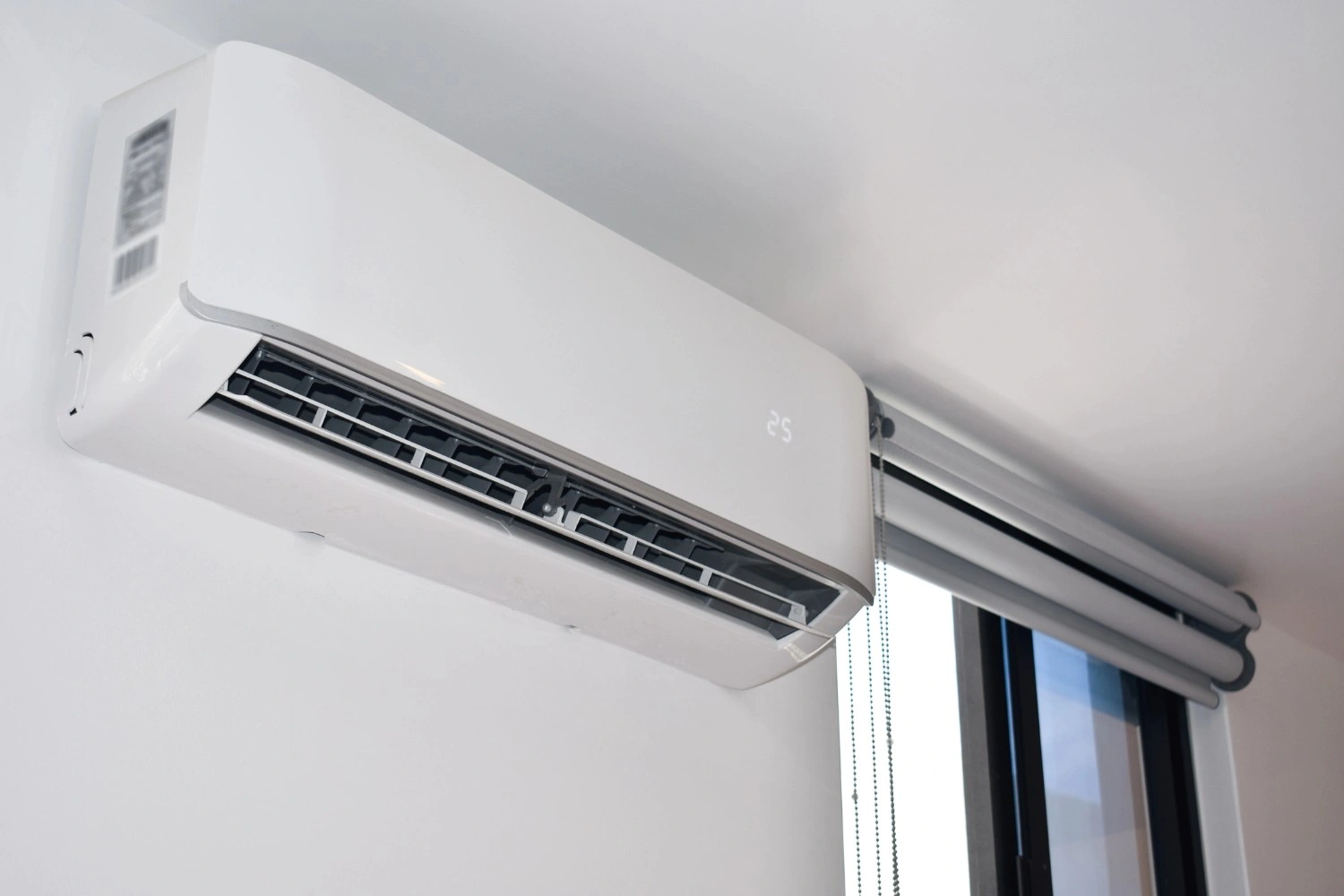
Replacing a mini-split in Sumatra, FL is a decision many homeowners face after years of heavy seasonal use. Northeast Florida’s hot, humid summers, high humidity levels, and occasional storm-driven power events accelerate wear on outdoor compressors, indoor air handlers, and electronic controls. This page explains when replacement is the right choice versus repair, how systems are evaluated for end-of-life, how to select the right size and efficiency rating for your home, and what to expect for removal, installation timeline, financing and rebate options, warranty coverage, and typical project scopes.
When to Replace vs. Repair
Deciding between repair and replacement depends on the system’s age, performance, and repair history.
Common signs replacement is recommended:
- Persistent drops in cooling capacity or uneven temperatures after multiple repairs.
- Refrigerant leaks that recur or stem from corroded coils.
- Electrical failures in the outdoor unit or control board problems.
- Frequent compressor cycling or noisy operation that signals impending compressor failure.
- Major component failures on systems older than their effective service life.
In Sumatra, FL, prolonged high humidity can mask performance loss until mold, corrosion, or compressor fatigue appears. When repairs are costly and the system has undergone several fixes, replacement often provides better reliability and energy savings.
Evaluation Process to Determine System End-of-Life
A thorough evaluation determines whether replacement is justified. A practical assessment typically includes:
- System age and service history review
- Measured cooling capacity and airflow diagnostics
- Refrigerant charge check and leak detection
- Electrical and control inspection, including capacitors and contactors
- Visual inspection for corrosion, oil stains, or damaged coils
- Indoor humidity control and duct (if applicable) performance review
Technicians compare measured performance against original specifications. If multiple indicators show declining capability or risk of imminent major failure, the system is classified as near end-of-life and replacement is recommended.
Choosing the Right Size and Energy Efficiency
Choosing an appropriately sized and energy-efficient mini-split is critical for comfort and efficiency, especially in Florida’s climate.
Sizing guidance:
- Proper sizing is based on conditioned square footage, ceiling height, insulation, window orientation, and occupant load. Oversizing leads to short cycling and poor dehumidification; undersizing won’t provide comfort on hot, humid days.
- A professional load calculation (Manual J or equivalent) is the most reliable way to determine the right capacity for each zone or room.
Efficiency and features to consider:
- Seasonal efficiency ratings and inverter-driven compressors improve part-load performance and reduce electricity use during long cooling seasons.
- Units with robust humidity-control modes, variable-speed blowers, and multi-stage compressors are better suited for Sumatra’s humid summers.
- Corrosion-resistant coatings and sealed electrical compartments help equipment withstand Florida’s humidity and occasional salt exposure in near-coastal areas.
- Smart controls and zoning options can optimize comfort and energy use across multiple rooms.
Removal and Disposal of Old Equipment
Proper removal and disposal protect your property and the environment.
Typical removal steps:
- Recovery of refrigerant using certified recovery equipment to comply with environmental regulations.
- Safe disconnection and removal of indoor and outdoor units, refrigerant lines, and electrical components.
- Assessment and remediation of any water damage or mold growth in walls or mounting surfaces.
- Responsible disposal or recycling of metal, copper, and electronic components per state and federal guidelines.
In Sumatra, licensed technicians will also check for local permitting requirements and ensure municipal disposal rules are followed.
Installation Timeline and What to Expect
Installation timelines vary by project scope and site conditions.
General timeline overview:
- Pre-installation site visit and load calculation (may be same-day or scheduled)
- Ordering of selected equipment and materials
- Installation day(s) for indoor and outdoor units, refrigerant lineset, electrical hookup, mounting, and commissioning
- Final testing, refrigerant charge verification, airflow balancing, and homeowner orientation
Simple single-zone replacements can often be completed in a short window, while multi-zone installs or projects requiring line-set modifications, electrical upgrades, or structural work take longer. Weather delays during storm season can also affect scheduling in Sumatra.
Financing, Rebate Options, and Incentives
Replacing a mini-split can be made more affordable through financing and incentives.
Common options:
- Manufacturer financing programs and third-party financing that spread payments over time.
- Utility rebates or incentive programs for high-efficiency equipment; eligibility often depends on unit efficiency ratings and installation documentation.
- State or federal incentive programs available for energy-efficient upgrades, with varying eligibility criteria.
When evaluating offers, consider how rebates and financing interact with the equipment’s efficiency and expected energy savings. Proper documentation and pre-approval processes are often required for rebate claims.
Warranty Coverage and Long-Term Protection
Warranty coverage varies by manufacturer and component.
What to check:
- Manufacturer warranty on the compressor and heat exchanger, which often differ in length.
- Parts warranty for electronics, fans, and controls.
- Labor warranty from the installer for workmanship and any modifications.
- Conditions that maintain warranty validity, such as annual maintenance and professional installation.
In Florida’s environment, following recommended maintenance schedules—especially for coil cleaning, drain inspection, and refrigerant checks—helps preserve warranty coverage and extends system life.
What to Expect After Replacement and Ongoing Maintenance
Post-installation, new systems deliver better comfort, quieter operation, and improved humidity control. For long-term performance:
- Schedule regular preventive maintenance, ideally before and after peak cooling season.
- Keep outdoor units clear of vegetation and debris; protect electrical components from storm-related water exposure when possible.
- Monitor dehumidification and airflow; address any moisture or condensation issues quickly to prevent mold.
Replacing an aging mini-split in Sumatra, FL provides a tangible improvement in comfort and energy efficiency, reduces the risk of emergency failures during peak summer use, and can qualify homeowners for rebates and longer warranty coverage when properly installed and maintained.
By understanding the evaluation process, sizing and efficiency choices, removal and disposal steps, realistic timelines, and available financial and warranty protections, Sumatra homeowners can make an informed replacement decision that aligns with local climate demands and long-term comfort goals.
hear what our satisfied clients have to say
.avif)

I have nothing but great things to say about this company! From the initial call to trouble shoot our old system to the installation of the new system. Maya was awesome and patient with us and the bank. Stratton, Wilton, and Austin did the removal and install of the systems and they were professional and proficient. I will be recommending this company to everyone and anyone! Thank you for making this less stressful then it needed to be. I'm very grateful for the help and comfort they have given me and my family.
We’ve had issues with our a/c unit freezing up off and on for a month or so. Aden from Keith Key came out and checked our system out. He fixed an issue with the bypass valve and also tuned our fan. Additionally we also replaced our thermostats with new T10’s. He took his time and helped me connect all of them to the WiFi and the app.Aden is very friendly and knowledgeable. I haven’t had an issue with my system since. He was also willing to accept the assistance of our overly helpful shih tzu. Call Keith Key and Aden for any issues with hvac systems, they can get it fixed!
Tryston was amazing! So knowledgeable, pleasant and respectful. Keith Key H/A will forever have my family's business
We had a tenant with no heat during the recent 29 degree weather. I called Keith Key Heating and Air before office hours and left my infomation with their answering service. I got a call back from the office promptly at 8:00 a.m. They were able to schedule us for service the same day. The technician arrived at noon, diagnosed the issue and made the repair. The price was quite reasonable. Everyone that we dealt with was friendly, professional and knowledgeable. I would highly recommend them and will be using them again in the future. Thanks Keith Key Heating & Air!!
Heat wasn't working after the sleet storm and being without power for 18 hours. Keith Key sent Trystan the same day as my call. He did a great job (very personable) and got it repaired in no time. Many thanks!
Keith Key HVAC is wonderful! They service our HVAC and just helped me with a super stressful heating issue while I was out of state. They are very organized and professional, and take extra time to explain and follow up. I just love them!
We've called on Keith Key Heating and Air twice for help. Both times, they responded quickly, and were able to make repairs quickly. The techs we've dealt with have been friendly, reliable, professional and knowledgeable. And they don't dig in your pocket like some have been known to do. I honestly don't know what more we could ask for. A solid 10 of 10, and we highly recommend.
Had to replace my AC and Heating unit. Keith Key Heating and Air was very helpful in finding the right unit money wise for me. The young men they sent was courteous and knowledgeable. They made sure everything was up to my standards before they left. If you have trouble I would highly recommend them to you.
Keith Key regularly services both our personal home and one of our rental properties! They are good about communicating to us about the condition of the units at the rental property which is such a relief! We have had to call them for 2 emergencies and both times the techs appeared happy to be there helping us despite being on the weekend! 10/10 recommend.
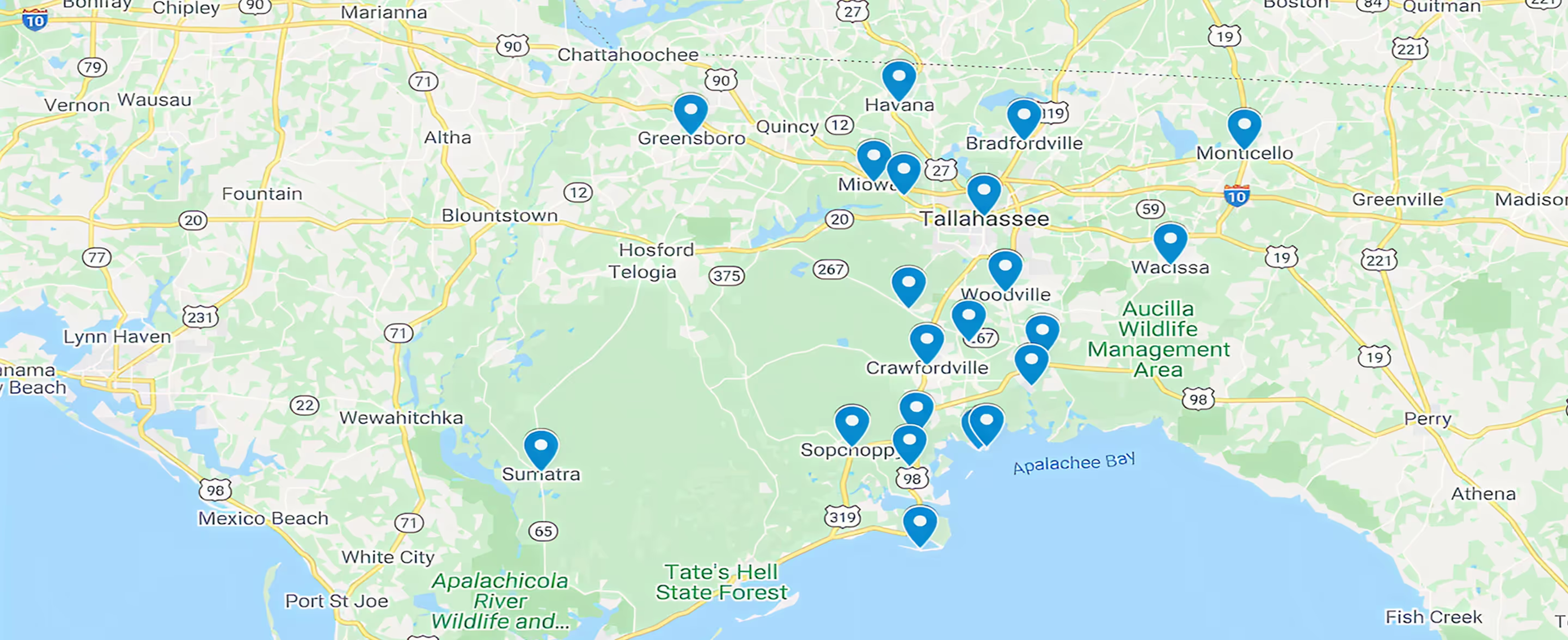
Service Areas