Mini-split Replacement in Carrabelle, FL

Mini-split replacement for homes in Carrabelle, FL addresses coastal humidity, salt air, and rising energy costs by upgrading to high-efficiency, inverter-driven systems. The guide walks through signs that replacement is wiser than repair, criteria for choosing the right capacity and refrigerant, and considerations for corrosion resistance and multi-zone control. It outlines a typical replacement process from pre-install assessment to startup, plus coastal-specific installation tips, warranty guidance, and maintenance practices to maximize life and savings. Learn how to plan and time your upgrade for best value.
Mini-split Replacement in Carrabelle, FL
Upgrading a mini-split system in Carrabelle, FL is a common decision for homeowners who want better comfort, lower energy bills, and equipment that handles coastal humidity and salt air. This guide explains why replacement is often the smartest choice, how to choose a high-efficiency mini-split for local conditions, and what to expect during a professional replacement. It is written for homeowners who are ready to move from researching to deciding.
Common signs you need mini-split replacement in Carrabelle, FL
- Frequent breakdowns or escalating repair costs on an aging unit
- System can no longer maintain set temperatures or delivers uneven comfort between rooms
- Loud compressor or fan noise, or repeated compressor cycling
- Refrigerant leaks, especially if the system uses R22 refrigerant that is being phased out
- Rapid increases in energy bills despite the same usage patterns
- Visible corrosion on outdoor components from salt air exposure
If you see several of these issues, replacement is often more cost-effective than continued repairs. New high-efficiency mini-splits also add modern features like inverter-driven compressors and smart controls that older units lack.
Benefits of upgrading to a high-efficiency mini-split
- Improved energy efficiency and lower cooling/heating costs thanks to higher SEER and variable-speed inverter technology
- Better humidity control in Carrabelle’s humid subtropical climate, improving comfort and reducing mold risk
- Quieter operation and more consistent temperatures across zones
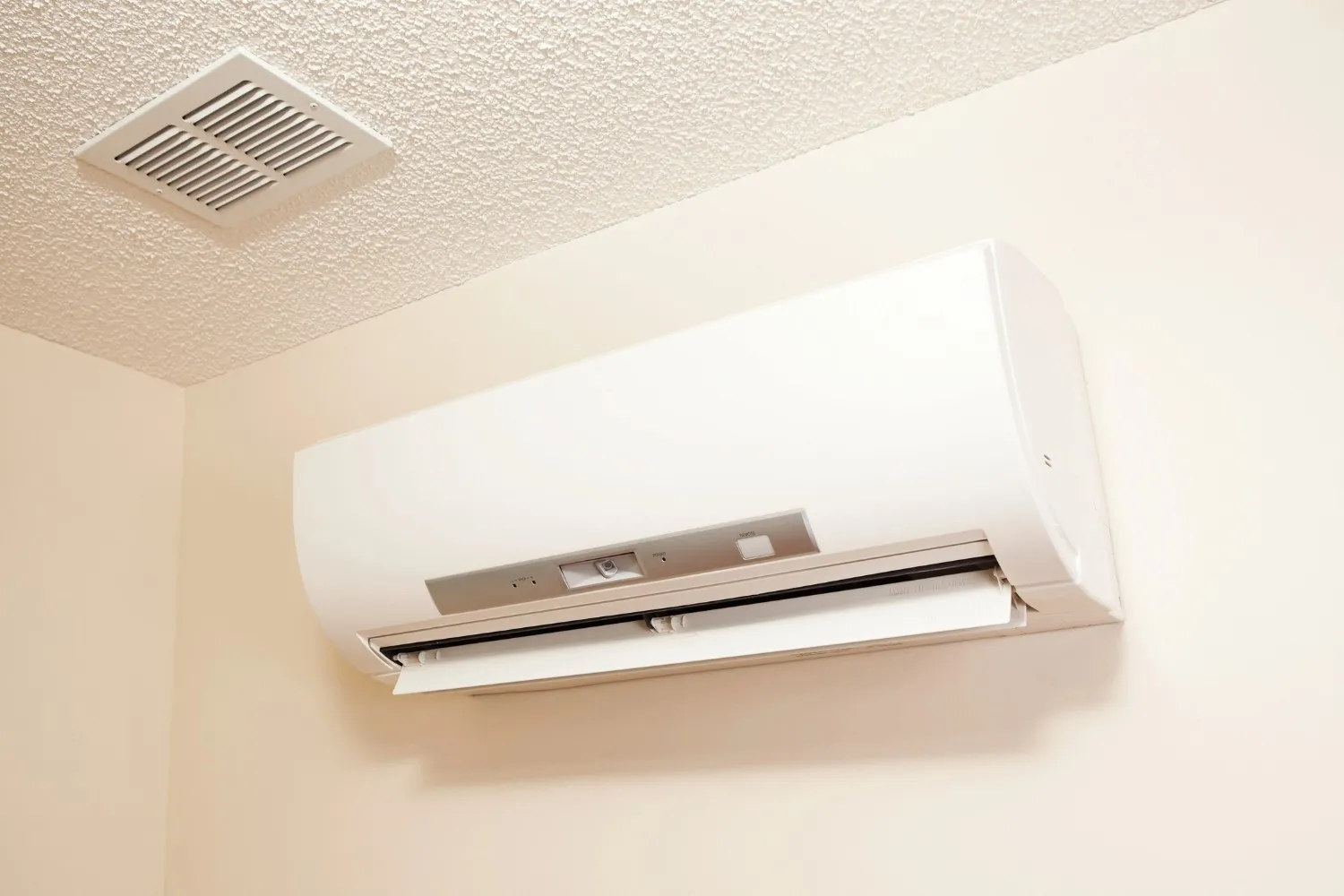
- Smaller footprint and flexible mounting options for rooms without ductwork
- Enhanced indoor air quality with modern filtration options and better condensate management
- New warranty coverage and longer expected service life
Upgrading to an efficient mini-split often delivers a measurable return on investment through monthly savings and increased home comfort.
Selecting the right mini-split for Carrabelle homes
Choosing the right replacement depends on house layout, local climate exposure, and your comfort goals. Key selection criteria include:
- Sizing and capacity
- Use a Manual J style load calculation to size each indoor unit for the specific zone. Oversized systems short cycle; undersized systems cannot maintain comfort.
- Efficiency ratings
- Look at SEER and HSPF for cooling and heating performance. Higher ratings yield better long-term savings.
- Inverter/variable-speed compressors
- Provide consistent comfort and improved humidity control versus single-speed compressors.
- Refrigerant type
- Modern systems use R410A or R32; check code and installer guidance for the best option in your area.
- Corrosion resistance
- For Carrabelle’s salt-air environment choose outdoor units with anti-corrosion coatings and stainless fasteners.
- Multi-zone capability
- Consider multi-zone systems if you need conditioned comfort in multiple rooms without ducts.
- Controls and connectivity
- Wi-Fi thermostats and smartphone control improve user experience and allow scheduling for energy savings.
Always have a licensed HVAC professional verify electrical capacity, breaker sizing, and any needed upgrades to your service panel before confirming a replacement.
Typical mini-split replacement process
A professional replacement follows a predictable flow to ensure performance and code compliance:
- Pre-install assessment
- Inspect existing equipment, perform load calculations, plan line set routing, and verify electrical supply and breaker capacity.
- Remove old equipment
- Recover refrigerant responsibly, disconnect electrical and mounting hardware, and remove indoor and outdoor components.
- Site preparation
- Reinforce mounting surfaces, add elevated pads or brackets if needed to protect from flooding, and ensure corrosion-resistant fasteners for coastal conditions.
- Mount indoor heads and outdoor condenser
- Position indoor units for airflow and aesthetics; place outdoor condensor on an elevated, level pad with proper clearances.
- Install refrigerant lines and condensate drain
- Run properly insulated line sets and install condensate piping with traps and safe discharge points.
- Electrical and control wiring
- Install disconnects, breakers, and low-voltage control wiring per local code.
- Evacuation and leak test
- Vacuum the system to remove moisture, pressure test for leaks, and charge refrigerant per manufacturer specifications.
- System startup and commissioning
- Balance zones, configure controls and Wi-Fi if present, and verify operating parameters and airflow.
- Homeowner walkthrough
- Demonstrate controls, discuss maintenance, and provide basic troubleshooting tips.
Permits and inspections may be required in Franklin County and Carrabelle; a qualified installer will obtain necessary permits and follow local code.
Coastal considerations specific to Carrabelle, FL
Carrabelle’s location on the Gulf of Mexico affects equipment selection and installation practices:
- Salt air accelerates corrosion. Specify units with protective coatings and use corrosion-resistant hardware.
- High humidity makes dehumidification performance important. Inverter-driven mini-splits regulate latent load better than single-speed units.
- Hurricane season and occasional flooding mean mounting outdoor units on elevated pads, securing units with proper anchors, and following local tie-down requirements.
- Energy efficiency offers meaningful savings because cooling loads are high during long, hot summers.
Selecting equipment and installation practices that account for Carrabelle’s coastal climate extends system life and maintains efficiency.
Warranty, maintenance, and long-term value
- Verify manufacturer warranty terms and what maintenance is required to keep warranties valid.
- Regular maintenance preserves efficiency: clean or replace filters every 1 to 3 months, annual professional checkups, and timely coil and drain cleaning.
- Expect a high-efficiency mini-split to last 12 to 20 years with proper care. Replacement pays off sooner when the existing system is inefficient, frequently repaired, or incompatible with modern refrigerants.
When evaluating replacement versus repair, factor in rising repair frequency, parts availability, refrigerant phaseouts, and the energy savings a new system will deliver.
Final considerations
A well-planned mini-split replacement in Carrabelle, FL solves comfort problems, improves indoor air quality, and reduces operating costs while accounting for coastal weather challenges. Work with a licensed, experienced HVAC professional who performs accurate load calculations, follows local codes, and specifies corrosion-resistant equipment to ensure the new mini-split meets both your comfort needs and the demands of Carrabelle’s environment.
hear what our satisfied clients have to say
.avif)

I have nothing but great things to say about this company! From the initial call to trouble shoot our old system to the installation of the new system. Maya was awesome and patient with us and the bank. Stratton, Wilton, and Austin did the removal and install of the systems and they were professional and proficient. I will be recommending this company to everyone and anyone! Thank you for making this less stressful then it needed to be. I'm very grateful for the help and comfort they have given me and my family.
We’ve had issues with our a/c unit freezing up off and on for a month or so. Aden from Keith Key came out and checked our system out. He fixed an issue with the bypass valve and also tuned our fan. Additionally we also replaced our thermostats with new T10’s. He took his time and helped me connect all of them to the WiFi and the app.Aden is very friendly and knowledgeable. I haven’t had an issue with my system since. He was also willing to accept the assistance of our overly helpful shih tzu. Call Keith Key and Aden for any issues with hvac systems, they can get it fixed!
Tryston was amazing! So knowledgeable, pleasant and respectful. Keith Key H/A will forever have my family's business
We had a tenant with no heat during the recent 29 degree weather. I called Keith Key Heating and Air before office hours and left my infomation with their answering service. I got a call back from the office promptly at 8:00 a.m. They were able to schedule us for service the same day. The technician arrived at noon, diagnosed the issue and made the repair. The price was quite reasonable. Everyone that we dealt with was friendly, professional and knowledgeable. I would highly recommend them and will be using them again in the future. Thanks Keith Key Heating & Air!!
Heat wasn't working after the sleet storm and being without power for 18 hours. Keith Key sent Trystan the same day as my call. He did a great job (very personable) and got it repaired in no time. Many thanks!
Keith Key HVAC is wonderful! They service our HVAC and just helped me with a super stressful heating issue while I was out of state. They are very organized and professional, and take extra time to explain and follow up. I just love them!
We've called on Keith Key Heating and Air twice for help. Both times, they responded quickly, and were able to make repairs quickly. The techs we've dealt with have been friendly, reliable, professional and knowledgeable. And they don't dig in your pocket like some have been known to do. I honestly don't know what more we could ask for. A solid 10 of 10, and we highly recommend.
Had to replace my AC and Heating unit. Keith Key Heating and Air was very helpful in finding the right unit money wise for me. The young men they sent was courteous and knowledgeable. They made sure everything was up to my standards before they left. If you have trouble I would highly recommend them to you.
Keith Key regularly services both our personal home and one of our rental properties! They are good about communicating to us about the condition of the units at the rental property which is such a relief! We have had to call them for 2 emergencies and both times the techs appeared happy to be there helping us despite being on the weekend! 10/10 recommend.
Service Areas