Mini-split Repair in Carrabelle, FL
Mini-split repair in Carrabelle, FL provides fast diagnostics, coastal-aware troubleshooting, and durable fixes for ductless systems. This page outlines common issues, step-by-step testing, typical repair options, expected response times, technician qualifications, and warranty expectations, plus practical preventive maintenance tips to reduce breakdowns. It emphasizes how emergency versus routine visits are handled, and how proper planning and preventive care help preserve efficiency and comfort in coastal environments. Readers will understand service expectations, parts warranties, and when to schedule maintenance for optimal longevity.
Mini-split Repair in Carrabelle, FL
Mini-split repair in Carrabelle, FL addresses fast, focused problems that keep your ductless system from delivering reliable cooling and heating. Coastal humidity, salty air, and frequent summer storms increase wear on outdoor compressors, electronic controls, and refrigerant lines in Carrabelle homes. This page explains common failure diagnostics, step-by-step troubleshooting and testing, typical repair options and parts replacement, realistic response windows, technician qualifications and warranty expectations, tips to prevent breakdowns, and how emergency versus routine visits are usually handled.
Common mini-split issues in Carrabelle
- Compressor failures – motor burnout, seized shaft, or internal mechanical damage from corrosion or frequent short-cycling.
- Inverter or control board faults – error codes, intermittent operation, or complete loss of inverter-driven variable-speed control.
- Fan motor problems – noisy, weak, or stopped indoor/outdoor fans caused by worn bearings or electrical faults.
- Refrigerant leaks – loss of cooling capacity and icing on the evaporator from punctured line sets, fittings, or corroded coils.
- Electrical faults – tripped breakers, bad capacitors, relays, or loose wiring from storms or lightning.
- Drainage and condensate issues – clogged condensate lines leading to water overflow or indoor unit drip.
- Corrosion and salt damage – outdoor units near the Gulf are susceptible to accelerated corrosion and connector failure.
- Control and sensor failures – faulty thermostats, temperature sensors, or remotes preventing proper setpoint control.
Step-by-step diagnostics and testing procedures
A reliable mini-split diagnosis follows a logical sequence that isolates electrical, mechanical, and refrigerant issues. Typical steps include:
- Visual inspection of indoor and outdoor units for corrosion, physical damage, blocked airflow, and error codes displayed on the indoor interface.
- Confirm power and controls by checking breaker, disconnect, voltage at the unit, and verifying remote/thermostat communication.
- Listen and observe for unusual noises, vibration, or abnormal cycling during startup.
- Electrical testing using a multimeter to check supply voltage, capacitor condition, motor windings, and continuity through relays and contactors.
- Refrigerant pressure checks with gauges to determine charge level and to locate pressure imbalances indicating leaks or metering device faults.
- Leak detection via electronic detectors or dye injection when pressures indicate loss of refrigerant.
- Airflow and temperature checks by measuring return and supply temperatures, static pressure, and blower performance.
- Drainage test to confirm proper condensate evacuation and trap integrity.
- Run-time and error code analysis to correlate observed symptoms with logged faults on the inverter or control board.
Diagnostics usually take 30 to 90 minutes depending on accessibility and the number of zones.
Typical repair options and parts replacement
Repairs are selected based on diagnostic results and long-term system condition:
- Refrigerant leak repair – locate and repair leak, recover and evacuate remaining refrigerant, and recharge to manufacturer specifications. Refrigerant lines may need repair or replacement when corrosion is present.
- Compressor replacement – if compressor is seized or electrically failed, replacement is often required; valve and oil compatibility checks are necessary.
- Inverter/control board replacement – repair or replace the PCB when firmware or component failure causes erratic operation. Some boards can be repaired; others are swapped.
- Fan motor and blower replacement – replace indoor or outdoor motors and blades when bearings or windings fail.
- Electrical component replacement – capacitors, contactors, fuses, and wiring repairs are common after storms or power surges.
- Coil cleaning and corrosion treatment – professional cleaning and application of protective coatings can extend coil life, especially in coastal Carrabelle environments.
- Drain line clearing and condensate pan repair – remove blockages, clear P-traps, and replace faulty float switches or pans.
- Line set replacement – when corrosion or damage is severe, replacing the copper lines is the long-term fix.
Decisions between repair and full system replacement depend on age, cost of parts versus remaining useful life, and availability of compatible components.
Estimated response times and service windows
- Emergency situations (no cooling in extreme heat, active refrigerant leak, electrical burning smell) typically receive priority dispatch and can be addressed within hours depending on technician availability.
- Routine diagnostic visits are commonly scheduled within 24 to 72 hours.
- Repair duration varies: simple electrical or motor swaps often complete within 1 to 3 hours; refrigerant leak repair or line set replacement may require 4 to 8 hours or multiple visits to source parts and perform proper evacuation and recharge.
- Major replacements such as a compressor or indoor/outdoor unit swap can take a full day and may require ordering manufacturer-specific parts.
These timeframes reflect standard field practice; complex problems or older systems can extend service time.
Technician qualifications and warranty expectations
Technicians handling mini-split repair should have:
- EPA refrigerant handling certification and training in safe recovery and charging procedures.
- Manufacturer-specific training for common brands like Mitsubishi, Fujitsu, Daikin, LG, and others, plus experience with inverter-driven systems.
- Electrical and HVAC licensing as required by local or state regulations, and proven experience repairing ductless systems in coastal climates.
- Proper diagnostic tools including refrigeration gauges, leak detectors, multimeters, and software tools for inverter systems.
Expect written warranties for parts and labor. Manufacturer part warranties vary; reputable repair providers typically offer a limited labor warranty for a specified period following repair. Always request written warranty details before work begins.
Preventive maintenance and tips to avoid breakdowns in Carrabelle
- Clean or replace filters every 1 to 3 months during heavy usage to protect coils and compressors.
- Schedule annual maintenance before the hottest months to inspect refrigerant levels, clean coils, and test electrical components.
- Protect outdoor units from salt spray by locating units away from direct sea exposure when possible and applying anti-corrosion treatments.
- Install surge protection to reduce risk of inverter and control board damage during summer storms and lightning activity.
- Keep outdoor coils clear of debris and vegetation and maintain 2 to 3 feet of clearance for airflow.
- Run the system periodically in shoulder seasons to keep components lubricated and detect emerging issues early.
- Monitor for slow drips or intermittent noise and address small symptoms before they escalate into major failures.
Emergency vs routine visits and how to prepare
Emergencies include loss of cooling during extreme heat, active refrigerant leaks, burning electrical smells, or water intrusion. For either emergency or routine appointments, have your mini-split model and serial number, the age of the system, zone symptoms, and a clear description of when the problem started. Photos or short videos of indoor and outdoor units and any visible error codes help technicians prepare the right tools and parts for the visit. If you detect a burning smell or active refrigerant smell, shut off the unit at the breaker and leave the area until a qualified technician evaluates the system.
Mini-split repair in Carrabelle, FL focuses on durable fixes and preventative care that account for coastal humidity, salt air, and seasonal storms. Prompt diagnostics and targeted repairs preserve system efficiency and comfort while minimizing the risk of repeat failures.
hear what our satisfied clients have to say
.avif)

I have nothing but great things to say about this company! From the initial call to trouble shoot our old system to the installation of the new system. Maya was awesome and patient with us and the bank. Stratton, Wilton, and Austin did the removal and install of the systems and they were professional and proficient. I will be recommending this company to everyone and anyone! Thank you for making this less stressful then it needed to be. I'm very grateful for the help and comfort they have given me and my family.
We’ve had issues with our a/c unit freezing up off and on for a month or so. Aden from Keith Key came out and checked our system out. He fixed an issue with the bypass valve and also tuned our fan. Additionally we also replaced our thermostats with new T10’s. He took his time and helped me connect all of them to the WiFi and the app.Aden is very friendly and knowledgeable. I haven’t had an issue with my system since. He was also willing to accept the assistance of our overly helpful shih tzu. Call Keith Key and Aden for any issues with hvac systems, they can get it fixed!
Tryston was amazing! So knowledgeable, pleasant and respectful. Keith Key H/A will forever have my family's business
We had a tenant with no heat during the recent 29 degree weather. I called Keith Key Heating and Air before office hours and left my infomation with their answering service. I got a call back from the office promptly at 8:00 a.m. They were able to schedule us for service the same day. The technician arrived at noon, diagnosed the issue and made the repair. The price was quite reasonable. Everyone that we dealt with was friendly, professional and knowledgeable. I would highly recommend them and will be using them again in the future. Thanks Keith Key Heating & Air!!
Heat wasn't working after the sleet storm and being without power for 18 hours. Keith Key sent Trystan the same day as my call. He did a great job (very personable) and got it repaired in no time. Many thanks!
Keith Key HVAC is wonderful! They service our HVAC and just helped me with a super stressful heating issue while I was out of state. They are very organized and professional, and take extra time to explain and follow up. I just love them!
We've called on Keith Key Heating and Air twice for help. Both times, they responded quickly, and were able to make repairs quickly. The techs we've dealt with have been friendly, reliable, professional and knowledgeable. And they don't dig in your pocket like some have been known to do. I honestly don't know what more we could ask for. A solid 10 of 10, and we highly recommend.
Had to replace my AC and Heating unit. Keith Key Heating and Air was very helpful in finding the right unit money wise for me. The young men they sent was courteous and knowledgeable. They made sure everything was up to my standards before they left. If you have trouble I would highly recommend them to you.
Keith Key regularly services both our personal home and one of our rental properties! They are good about communicating to us about the condition of the units at the rental property which is such a relief! We have had to call them for 2 emergencies and both times the techs appeared happy to be there helping us despite being on the weekend! 10/10 recommend.
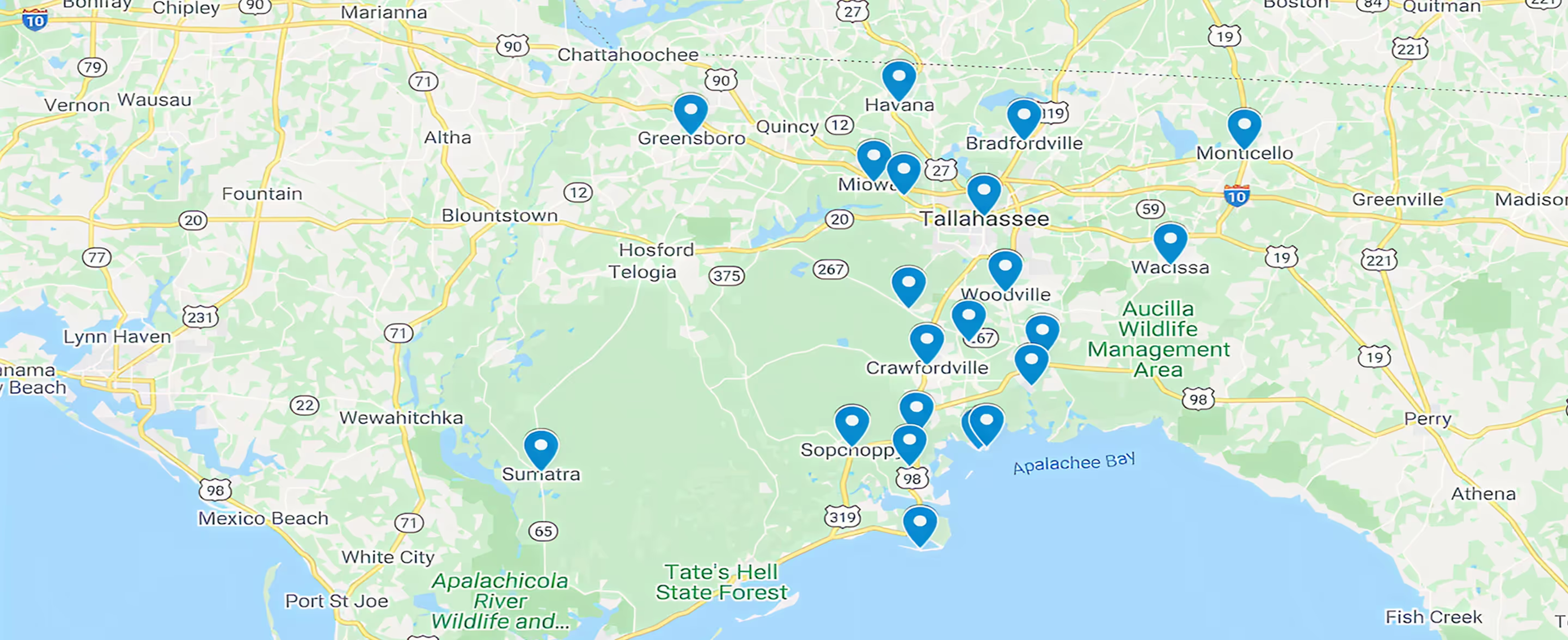
Service Areas