Mini-split Maintenance in Tallahassee, FL
Comprehensive seasonal maintenance for ductless mini-splits in Tallahassee, FL focuses on protecting performance, efficiency, and reliability in the region’s humid climate. Services include detailed inspections, refrigerant and electrical checks, and routine cleaning to address common issues. Homeowners gain clear guidance on visit frequency, agreement benefits, and enrollment steps, with an emphasis on proactive care that prevents breakdowns, supports long-term savings, and keeps indoor comfort consistent year-round.
Mini-split Maintenance in Tallahassee, FL
Keeping your ductless mini-split systems properly maintained is essential for reliable cooling and efficient operation in Tallahassee’s hot, humid climate. Regular mini-split maintenance in Tallahassee, FL reduces unexpected breakdowns during peak summer heat, limits moisture-related problems common in North Florida, and preserves system efficiency so your energy bills stay lower. This page explains what a professional seasonal maintenance program covers, common local issues, the diagnostic and service process, recommended frequency, and what to expect from maintenance agreements.
Why routine mini-split maintenance matters in Tallahassee
Tallahassee experiences long, humid summers with frequent thunderstorms and a high pollen load in spring. Those local factors increase runtime and put extra strain on mini-split equipment. Without regular care you can expect:
- Reduced cooling capacity and longer run times
- Higher energy consumption
- Faster coil and filter fouling from pollen and airborne debris
- Condensate drain clogs and microbial growth from humidity
- Greater risk of refrigerant leaks and electrical wear due to sustained use
Planned maintenance addresses these problems before they cause system failure or costly repairs.
Common mini-split maintenance issues in Tallahassee, FL
- Clogged or dirty filters and indoor coils from pollen and dust
- Condensate drain blockages and overflow due to high humidity and organic growth
- Refrigerant leaks or low charge after heavy seasonal use
- Worn electrical connections, contactors, or failing capacitors from frequent cycling
- Insulation degradation on refrigerant line sets exposed to sun and humidity
- Reduced airflow caused by obstructed indoor units or fan motor wear
- Outdoor unit debris, corroded fins, or blocked airflow after storm events
What a seasonal inspection and tune-up includes
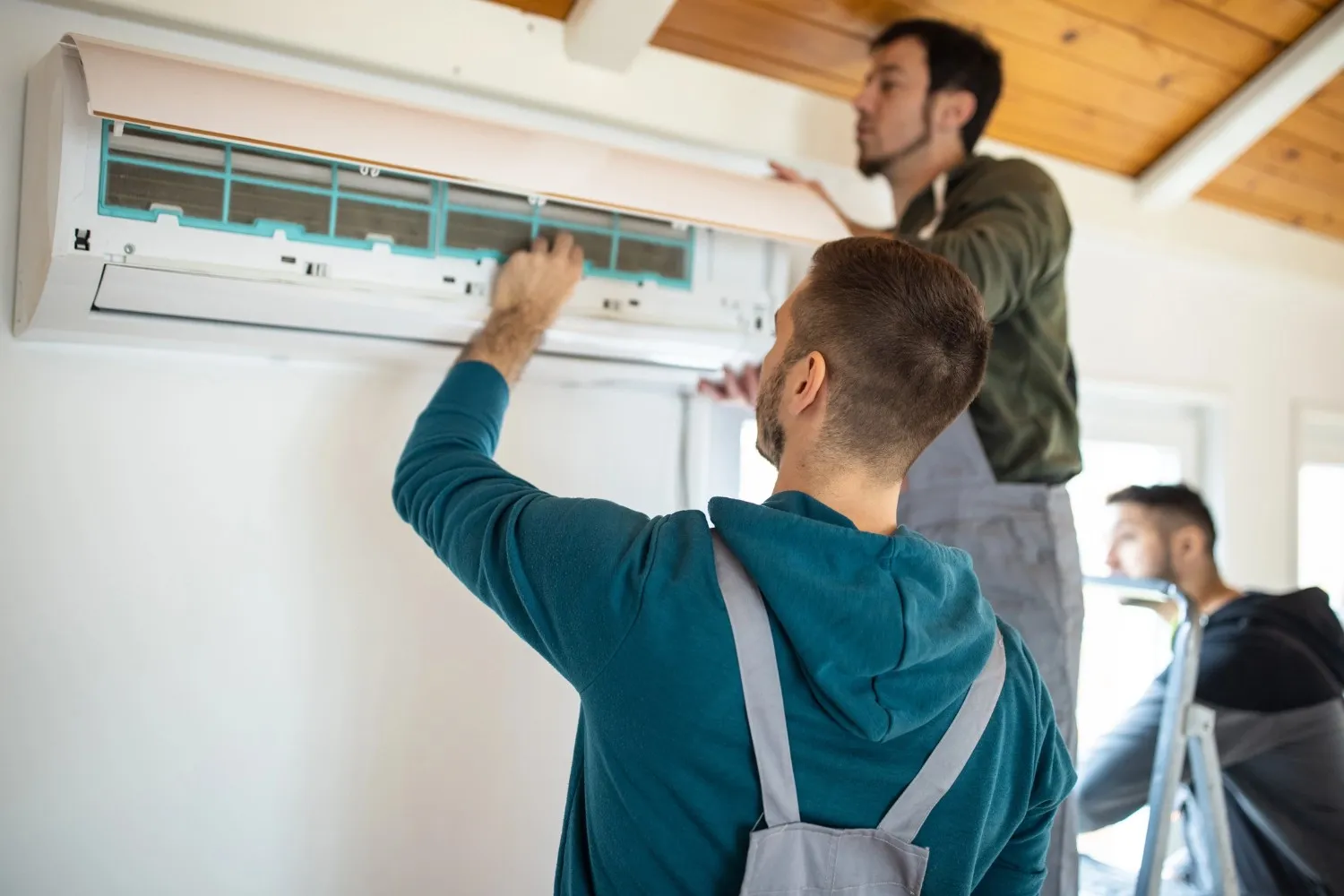
A professional mini-split maintenance visit typically covers a comprehensive checklist designed to restore performance and identify developing problems. Standard tasks include:
- Visual system walkthrough and review of owner concerns
- Indoor unit inspection: remove and clean filters, check fan operation, inspect and clean evaporator coil, and examine drain pan
- Outdoor unit inspection: clear debris, inspect condenser coil and fan blades, check mounting hardware, and confirm proper airflow
- Coil cleaning: gentle, non-corrosive coil cleaning to remove pollen and buildup that reduce heat transfer
- Refrigerant evaluation: measure operating pressures and temperatures, check for leaks using electronic detectors and visual inspection of line set fittings and access valves
- Electrical and control system checks: tighten connections, inspect capacitors and relays, verify proper operation of controllers and thermostats, and test safety switches
- Performance testing: measure temperature split across the indoor coil, verify target cooling capacity, and record compressor amperage and cycle behavior
- Condensate drain service: flush drain lines and pans, treat for biological growth when necessary, and confirm proper condensate removal
- Line set inspection: check for damaged or degraded insulation, fittings, and secure routing to prevent vibration damage or thermal loss
- System report: document findings, note recommended repairs or replacement parts, and provide maintenance notes specific to the installation
A typical multi-zone mini-split inspection will vary in time depending on the number of indoor heads, but technicians usually complete a thorough check of one indoor/outdoor pair within about 45 to 90 minutes.
Diagnosing refrigerant and electrical issues simply
Technicians use a combination of measurements and observation to diagnose common failures:
- Refrigerant checks: measuring pressure and superheat/subcooling helps determine if the system is properly charged or experiencing a slow leak. In Tallahassee, extended cooling seasons make slow leaks more likely to show symptoms.
- Electrical checks: tightening terminals, testing capacitor microfarads, and measuring motor currents detect wear that could lead to compressor or fan failure.
- Control checks: verifying sensor placement and communication between indoor controllers and the outdoor inverter unit prevents erratic cycling and comfort issues.
Recommended maintenance frequency for Tallahassee homes
- Filter care: clean reusable filters every 1 to 3 months during heavy use; replace disposable filters as indicated.
- Professional tune-ups: at least twice a year (spring before cooling season, and fall after peak use). In Tallahassee’s climate, a spring inspection helps ensure systems are ready for summer, and a fall check addresses humidity-related wear and readies units for milder use.
- High-use or multi-family installations: consider quarterly checks or a subscription maintenance plan to keep systems operating optimally year-round.
Benefits of planned, professional mini-split maintenance
- Longer equipment life by reducing wear on compressors and motors
- Better energy efficiency and lower operating costs through clean coils and correct refrigerant charge
- Fewer unexpected breakdowns during Tallahassee’s hottest months
- Improved indoor air quality by removing pollen and microbial growth from coils and drain pans
- Documented system health that supports warranty compliance and informed replacement decisions
What maintenance agreements typically include
Maintenance agreements for mini-splits are structured to simplify ongoing care and protect system performance. Typical inclusions are:
- Scheduled seasonal inspections and tune-ups for each indoor/outdoor pair
- Priority scheduling for maintenance windows and diagnostic visits
- Standard cleaning tasks: filters, coils, and condensate drains
- Annual system performance report and recommended repairs
- Basic parts and labor terms for routine maintenance items (varies by provider)
- Optional add-ons such as line set insulation replacement, UV microbial treatments, or advanced refrigerant leak tracing
Agreements can be tailored for single-zone units, multi-zone systems, or whole-house multi-head installations to match usage patterns common in Tallahassee homes.
Enrollment and scheduling overview
Enrolling in a maintenance program generally follows a simple sequence:
- Confirm the number of indoor heads and outdoor units to determine service scope
- Select the frequency that matches system use—biannual is typical for Tallahassee residences
- Agree on a bundled service scope that outlines inspections, cleanings, and included diagnostics
- Set a regular service window for seasonal visits and note any special timing requests such as pre-summer preparation
- Receive documented service reports after each visit with recommendations for repairs, parts, and future maintenance needs
Maintenance agreements create a predictable care plan so systems are inspected before the peak cooling demands of Tallahassee’s summer.
Maintenance tips specific to Tallahassee homeowners
- Clean or vacuum washable filters more often during high pollen months in spring
- Keep outdoor units free from leaves and yard debris after thunderstorms
- Inspect line set insulation annually and replace if brittle or sun-damaged
- Monitor condensate pans and check for slow drainage during humid months
- Consider UV treatment or antimicrobial drain additives if you notice musty odors from indoor units
Planned mini-split maintenance in Tallahassee, FL protects comfort, improves efficiency, and reduces the risk of mid-summer failures. Regular professional tune-ups tailored to local weather patterns and usage are the most effective way to preserve performance and extend the life of your ductless systems.
hear what our satisfied clients have to say
.avif)

I have nothing but great things to say about this company! From the initial call to trouble shoot our old system to the installation of the new system. Maya was awesome and patient with us and the bank. Stratton, Wilton, and Austin did the removal and install of the systems and they were professional and proficient. I will be recommending this company to everyone and anyone! Thank you for making this less stressful then it needed to be. I'm very grateful for the help and comfort they have given me and my family.
We’ve had issues with our a/c unit freezing up off and on for a month or so. Aden from Keith Key came out and checked our system out. He fixed an issue with the bypass valve and also tuned our fan. Additionally we also replaced our thermostats with new T10’s. He took his time and helped me connect all of them to the WiFi and the app.Aden is very friendly and knowledgeable. I haven’t had an issue with my system since. He was also willing to accept the assistance of our overly helpful shih tzu. Call Keith Key and Aden for any issues with hvac systems, they can get it fixed!
Tryston was amazing! So knowledgeable, pleasant and respectful. Keith Key H/A will forever have my family's business
We had a tenant with no heat during the recent 29 degree weather. I called Keith Key Heating and Air before office hours and left my infomation with their answering service. I got a call back from the office promptly at 8:00 a.m. They were able to schedule us for service the same day. The technician arrived at noon, diagnosed the issue and made the repair. The price was quite reasonable. Everyone that we dealt with was friendly, professional and knowledgeable. I would highly recommend them and will be using them again in the future. Thanks Keith Key Heating & Air!!
Heat wasn't working after the sleet storm and being without power for 18 hours. Keith Key sent Trystan the same day as my call. He did a great job (very personable) and got it repaired in no time. Many thanks!
Keith Key HVAC is wonderful! They service our HVAC and just helped me with a super stressful heating issue while I was out of state. They are very organized and professional, and take extra time to explain and follow up. I just love them!
We've called on Keith Key Heating and Air twice for help. Both times, they responded quickly, and were able to make repairs quickly. The techs we've dealt with have been friendly, reliable, professional and knowledgeable. And they don't dig in your pocket like some have been known to do. I honestly don't know what more we could ask for. A solid 10 of 10, and we highly recommend.
Had to replace my AC and Heating unit. Keith Key Heating and Air was very helpful in finding the right unit money wise for me. The young men they sent was courteous and knowledgeable. They made sure everything was up to my standards before they left. If you have trouble I would highly recommend them to you.
Keith Key regularly services both our personal home and one of our rental properties! They are good about communicating to us about the condition of the units at the rental property which is such a relief! We have had to call them for 2 emergencies and both times the techs appeared happy to be there helping us despite being on the weekend! 10/10 recommend.
Service Areas