Mini-split Installation in Tallahassee, FL
Mini-split installation in Tallahassee, FL delivers precise, duct-free cooling and heating for individual rooms. The page outlines the full process from initial site evaluation and Manual J load calculations to recommended indoor/outdoor configurations, placement, and proper refrigerant and electrical work. It explains local Tallahassee considerations, permitting, post-install testing, and homeowner orientation, with tips for maximizing energy efficiency, warranty coverage, and a clear quote process. Expect accurate measurements, transparent pricing, and a reliable system tailored to the region’s climate.
Mini-split Installation in Tallahassee, FL
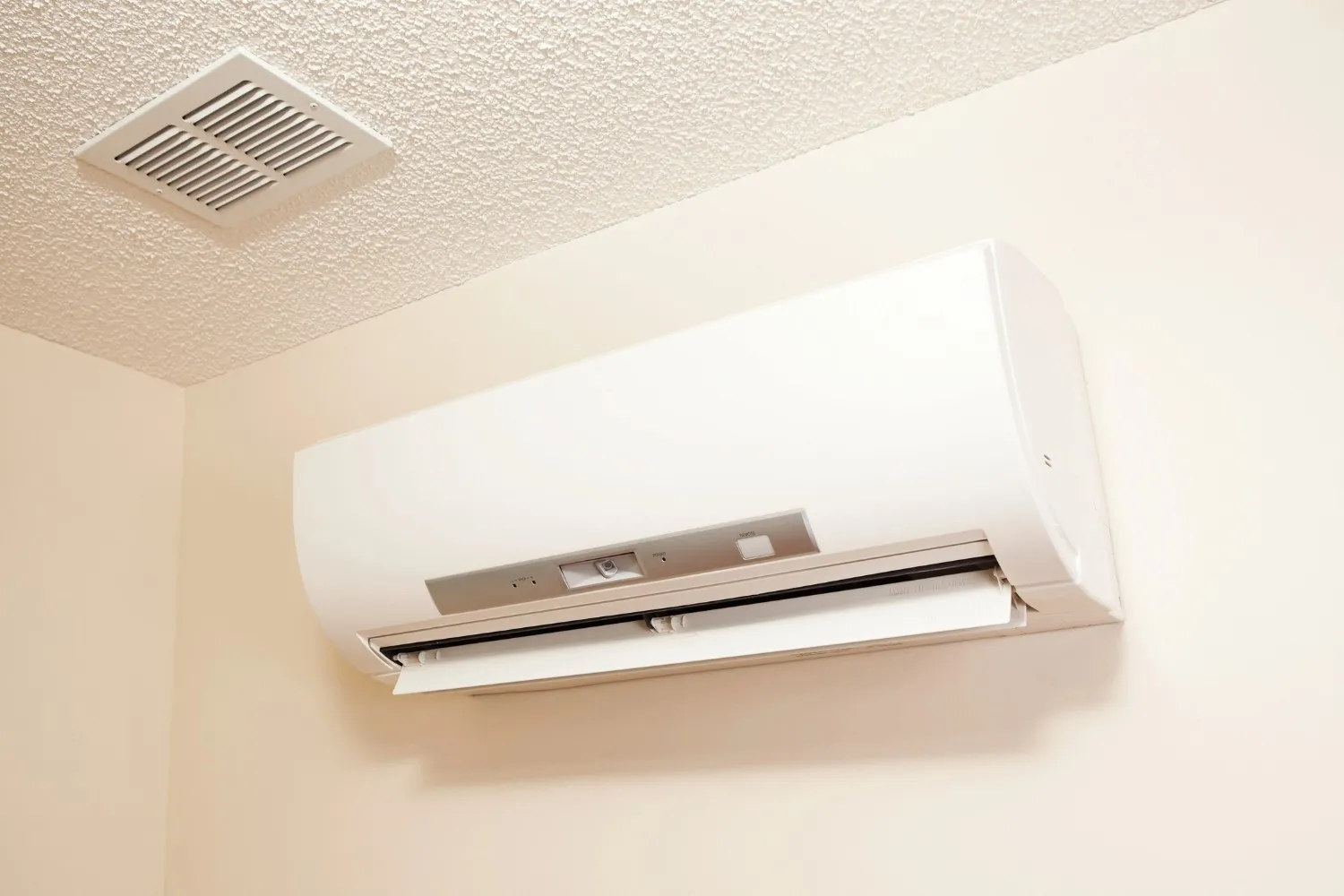
Mini-split installation in Tallahassee, FL offers an efficient, flexible way to cool and heat individual rooms without altering ductwork. For homeowners dealing with hot, humid summers and mild winters, properly installed mini-splits deliver targeted comfort, lower energy use, and improved indoor air quality. This page explains the installation process from initial evaluation through final testing, highlights common Tallahassee-specific issues, and explains what to expect when requesting a quote.
Why choose a mini-split for Tallahassee homes
- Precise zone control reduces energy waste in homes with varying occupancy patterns.
- High humidity in Tallahassee makes systems with good dehumidification important for comfort and mold prevention.
- Mini-splits avoid duct losses common in older Florida homes and are a good fit for additions, converted spaces, or rooms without existing ducts.
- Modern inverter-driven compressors maintain stable temperatures while using less electricity during peak summer months.
Common mini-split issues in Tallahassee and when to install
- Rooms that never reach set temperature despite central AC running.
- High energy bills from cooling unoccupied areas.
- Additions, sunrooms, garages converted to living space, or historic homes where installing ducts is impractical.
- Persistent humidity or uneven humidity control in certain rooms.Understanding these common pain points helps determine whether a mini-split installation is the right long-term solution for your Tallahassee property.
Site evaluation and load calculations
A professional installation begins with a site evaluation and load calculation specific to Tallahassee conditions. Key components:
- Room measurements, orientation, window sizes, insulation levels, and local solar gain.
- Occupant patterns and internal heat sources like appliances and electronics.
- Local climate factors: typical summer outdoor temperatures, humidity, and seasonal solar load in Tallahassee.
- Manual J load calculations establish the exact BTU capacity needed per zone to avoid oversizing or undersizing.Accurate load calculations ensure the selected indoor and outdoor units provide efficient performance and reliable comfort.
Selecting indoor and outdoor unit configurations
Choosing the right configuration depends on layout and aesthetic preferences:
- Single-zone systems: one outdoor unit paired with one wall-, floor-, or ceiling-mounted indoor head. Ideal for individual rooms or small additions.
- Multi-zone systems: one outdoor unit serving multiple indoor heads. Best for whole-home zoning without ducts or for multiple separate rooms.
- Matching capacity to calculated loads, not to room size alone, guarantees efficient operation. Inverter-driven outdoor units offer better part-load efficiency for Tallahassee’s long cooling season.
- Consider indoor head styles and air distribution patterns for spaces with high ceilings or unusual layouts.
Placement and mounting considerations
Proper placement affects performance, noise, and appearance:
- Indoor heads should be mounted where airflow circulates evenly without blowing directly on occupants. High on an interior wall or near a doorway often works well.
- Avoid placing indoor units directly above beds or sensitive electronics where short bursts of cool air might be uncomfortable.
- Outdoor units need stable, level mounting on a pad or wall bracket with adequate clearance for airflow and service access. Placement should minimize exposure to debris, irrigation spray, and intense afternoon sun.
- Tallahassee homes located on shaded lots or with oak canopy can take advantage of cooler microclimates to slightly improve outdoor unit efficiency.
Refrigerant line and electrical installation
Refrigerant and electrical work are core to a safe, code-compliant installation:
- Refrigerant lines are routed through small penetrations, often concealed with trim covers; line length and elevation changes impact performance and may require additional refrigerant.
- Electrical wiring must match the outdoor unit’s requirements, including disconnects, proper circuit breakers, and grounding. Dedicated circuits are typically required.
- Proper brazing, vacuuming, and leak testing of refrigerant lines ensure system longevity. Technicians should verify system pressures, temperatures, and charge per manufacturer specifications.
- In Florida’s climate, attention to corrosion protection and rodent prevention for exposed lines is important.
Permitting and code compliance in Tallahassee
Installations must meet Florida and local Tallahassee/Leon County codes:
- Permits are often required for new HVAC equipment and electrical work. Permit filing and inspection schedules vary by jurisdiction.
- Equipment must meet current energy efficiency standards and local ordinances. Technicians should document installations for inspections and warranty registration.
- Compliance with refrigerant handling regulations and proper disposal or recovery is mandatory.Ensuring permits and inspections are completed protects homeowners and preserves equipment warranties.
Post-installation testing and homeowner orientation
A thorough post-installation process confirms correct operation and helps homeowners get the most from their system:
- Performance checks include airflow measurements, temperature splits, refrigerant pressures, electrical draw, and control programming.
- Technicians should demonstrate system controls, recommended temperature and humidity settings for Tallahassee summers, and filter maintenance procedures.
- Documentation of serial numbers, warranty registrations, and maintenance schedules should be provided.
- Expect a test run to show how the system handles humid conditions and to confirm effective condensate drainage.
Energy-efficiency considerations and operating tips
Maximizing efficiency in Tallahassee requires attention to both equipment and behavior:
- Choose high SEER and HSPF ratings for cooling and heating efficiency, especially if using the mini-split for year-round comfort.
- Use programmable or smart controls to avoid cooling empty rooms; multi-zone systems allow different setpoints by space.
- Maintain clean filters and clear airflow paths; periodic coil cleaning and professional tune-ups preserve performance in humid environments.
- Consider addressing envelope improvements such as attic insulation, window shading, and air sealing to reduce system load.
Brand options and warranty information
Typical brand options include well-known manufacturers offering various capacities and feature sets:
- Brands commonly used in residential mini-split systems offer models with inverter compressors, multi-zone flexibility, and advanced controls.
- Warranties vary by manufacturer and component: compressor warranties commonly range from 5 to 10 years, with shorter terms for parts and controls. Some manufacturers register longer warranties when installed by certified contractors.
- Verify warranty terms, what is included, and any requirements for periodic maintenance to maintain coverage.
What to expect when requesting a quote or scheduling an installation
When you request a mini-split installation quote in Tallahassee, you can expect a structured process:
- Initial information gathering about your home layout, existing systems, and desired comfort goals.
- On-site evaluation for accurate measurements, load calculations, and site-specific recommendations including electrical and mounting needs.
- A detailed written estimate that breaks down equipment sizes and models, indoor head types, refrigerant line lengths, electrical work, permit handling, and estimated timeline for permit approval and installation.
- Clear explanation of potential additional costs such as electrical panel upgrades, extended line sets, or custom mounting brackets.
- An outlined schedule for installation day, including expected duration, inspection steps, and post-install testing and orientation.
Proper mini-split installation in Tallahassee, FL balances careful load calculation, correct equipment selection, and local code compliance to deliver reliable, efficient comfort tailored to the region’s climate. A methodical installation process and clear expectations for quotes and testing help ensure long-term performance and homeowner satisfaction.
hear what our satisfied clients have to say
.avif)

I have nothing but great things to say about this company! From the initial call to trouble shoot our old system to the installation of the new system. Maya was awesome and patient with us and the bank. Stratton, Wilton, and Austin did the removal and install of the systems and they were professional and proficient. I will be recommending this company to everyone and anyone! Thank you for making this less stressful then it needed to be. I'm very grateful for the help and comfort they have given me and my family.
We’ve had issues with our a/c unit freezing up off and on for a month or so. Aden from Keith Key came out and checked our system out. He fixed an issue with the bypass valve and also tuned our fan. Additionally we also replaced our thermostats with new T10’s. He took his time and helped me connect all of them to the WiFi and the app.Aden is very friendly and knowledgeable. I haven’t had an issue with my system since. He was also willing to accept the assistance of our overly helpful shih tzu. Call Keith Key and Aden for any issues with hvac systems, they can get it fixed!
Tryston was amazing! So knowledgeable, pleasant and respectful. Keith Key H/A will forever have my family's business
We had a tenant with no heat during the recent 29 degree weather. I called Keith Key Heating and Air before office hours and left my infomation with their answering service. I got a call back from the office promptly at 8:00 a.m. They were able to schedule us for service the same day. The technician arrived at noon, diagnosed the issue and made the repair. The price was quite reasonable. Everyone that we dealt with was friendly, professional and knowledgeable. I would highly recommend them and will be using them again in the future. Thanks Keith Key Heating & Air!!
Heat wasn't working after the sleet storm and being without power for 18 hours. Keith Key sent Trystan the same day as my call. He did a great job (very personable) and got it repaired in no time. Many thanks!
Keith Key HVAC is wonderful! They service our HVAC and just helped me with a super stressful heating issue while I was out of state. They are very organized and professional, and take extra time to explain and follow up. I just love them!
We've called on Keith Key Heating and Air twice for help. Both times, they responded quickly, and were able to make repairs quickly. The techs we've dealt with have been friendly, reliable, professional and knowledgeable. And they don't dig in your pocket like some have been known to do. I honestly don't know what more we could ask for. A solid 10 of 10, and we highly recommend.
Had to replace my AC and Heating unit. Keith Key Heating and Air was very helpful in finding the right unit money wise for me. The young men they sent was courteous and knowledgeable. They made sure everything was up to my standards before they left. If you have trouble I would highly recommend them to you.
Keith Key regularly services both our personal home and one of our rental properties! They are good about communicating to us about the condition of the units at the rental property which is such a relief! We have had to call them for 2 emergencies and both times the techs appeared happy to be there helping us despite being on the weekend! 10/10 recommend.
Service Areas