Mini-split Installation in Bradfordville, FL
A full mini-split installation process for Bradfordville, FL, from initial on-site consultation to final commissioning. Covers selecting single- or multi-zone systems, performing a Manual J load calculation, and ensuring proper siting, electrical and refrigerant linework, and code-compliant installation. Details professional steps from mounting indoor and outdoor units to leak testing and system charging, followed by commissioning, homeowner orientation, and warranty/maintenance recommendations. Accurate sizing, meticulous installation, and thorough testing help maximize comfort, efficiency, and long-term reliability.
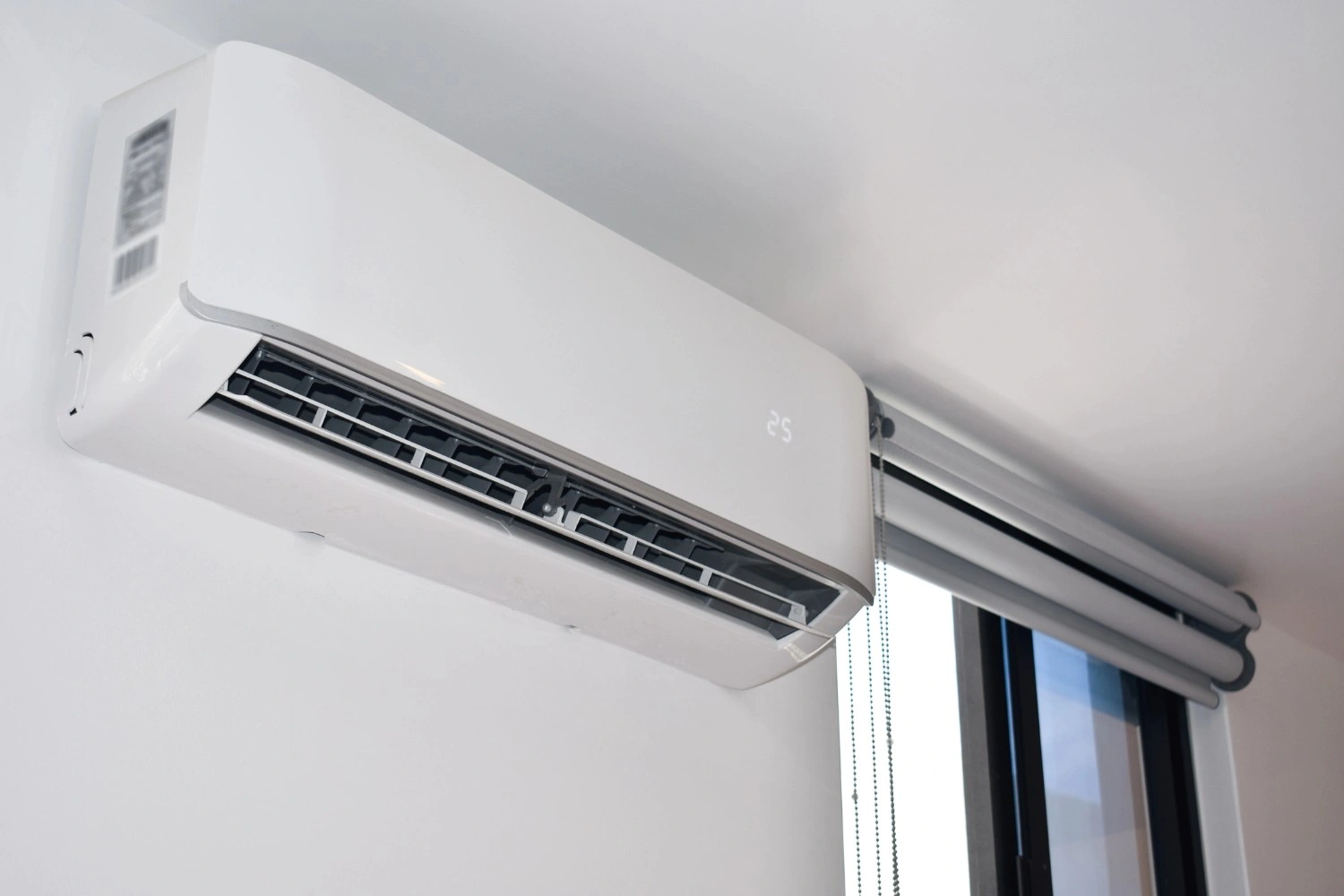
Mini-split Installation in Bradfordville, FL
A properly installed mini-split can deliver efficient, quiet cooling and heating for Bradfordville, FL homes — especially where ductwork is limited or adding central air is disruptive. In Bradfordville’s hot, humid climate and frequent summer storms, choosing the right mini-split and having it installed to local code are critical to comfort, energy savings, and long-term reliability. This page explains the full installation process, common local considerations, and the steps taken to ensure a durable, high-performance system for your home.
Common mini-split needs and issues in Bradfordville, FL
- Homes without existing ducts: additions, sunrooms, renovated rooms, historic houses, and garages benefit from mini-splits without expensive ductwork.
- High cooling loads from humidity and solar gain: undersized systems lead to poor dehumidification, high energy bills, and short cycling.
- Corrosion and wind exposure: outdoor units need correct siting and mounting to resist salty air and storm winds common across North Florida.
- Condensate management: high humidity requires reliable drain solutions to avoid water damage or mold in indoor units.
- Electrical upgrades: older Bradfordville homes may need updated circuits or disconnects to support modern inverter-driven systems.
Initial consultation and load calculation
The process starts with a thorough on-site consultation and a Manual J load calculation tailored to Bradfordville homes. A quality load calculation accounts for:
- Local climate patterns: summer heat, humidity levels, and seasonal temperature swings.
- Home orientation, window sizes, insulation levels, and attic conditions.
- Occupancy patterns and room usage.
The result is the correct capacity recommendation. Oversizing increases short-cycling and humidity problems; undersizing leaves rooms uncomfortable. Accurate sizing is the foundation of an efficient installation.
Choosing the right single- or multi-zone system
Options include single-zone systems for one room and multi-zone systems for whole-home or multi-room solutions. Considerations include:
- Single-zone mini-split: best for standalone rooms, additions, or when only one space needs climate control.
- Multi-zone mini-split: serves multiple rooms with one outdoor unit and several indoor heads. Good for open floor plans or whole-house retrofit without ducts.
- SEER and HSPF ratings: higher ratings are more efficient in Bradfordville’s long cooling seasons and can improve humidity control.
- Noise rating and inverter technology: quieter operation and variable capacity give better comfort and energy savings.
Selecting the right mix of indoor head styles (wall-mounted, floor-mounted, ceiling cassette) depends on room layout, aesthetics, and airflow needs.
Indoor and outdoor unit placement
Proper placement maximizes efficiency and comfort:
- Indoor units: mounted where airflow can circulate the entire room without blowing directly on occupants. Avoid blocked intake grills and place at least a few feet above floor or below high windows.
- Outdoor units: located on a stable pad or wall bracket, elevated if necessary to avoid standing water and debris. Position to minimize exposure to prevailing winds and allow clearance for service access and airflow.
- Line length and elevation: keep refrigerant line runs as short and straight as possible. Excessive length can reduce efficiency and complicate refrigerant charging.
Local factors like tree cover, sun exposure, yard drainage, and hurricane wind exposure guide final siting decisions.
Electrical and refrigerant linework
Professional electrical and refrigerant work ensures safety and code compliance:
- Electrical: dedicated circuit, disconnect, properly sized wiring, and breaker protection. Confirm panel capacity and add service upgrades if required.
- Refrigerant lines: properly brazed, insulated, and sloped for condensate return when necessary. Line sets must be protected from UV and mechanical damage.
- Leak prevention: brazing practiced by certified technicians, nitrogen purge during brazing to prevent oxidation, and pressure testing to verify integrity.
All work should meet Florida and Leon County permit and inspection requirements for HVAC and electrical systems.
Professional installation steps
A reliable installation follows a documented sequence:
- Finalize equipment selection and obtain permits.
- Prepare mounting locations and run low-profile line channels where needed.
- Install the outdoor pad/brackets and secure the condenser.
- Mount indoor heads, drill precise wall penetrations, and route line sets and condensate pipes.
- Complete brazing, evacuate the system with a vacuum pump, and perform leak and pressure tests.
- Charge the system per manufacturer specifications, using superheat/subcooling measurements for inverter systems.
- Connect electrical, label breakers, and install disconnects and surge protection if required.
Technicians should leave work areas clean and ensure installations meet manufacturer and local code constraints.
Commissioning and system testing
Commissioning confirms the system operates as designed:
- Verify refrigerant charge and measure pressures, superheat/subcooling, and electrical amperage.
- Measure supply and return air temperatures to establish delta T and confirm airflow.
- Test defrost cycles, heating mode (if heat pump), and all fan speeds and modes.
- Inspect condensate flow, drain traps, and float switch operation to prevent overflow.
- Confirm noise levels and vibration isolation to reduce disturbances.
Documented checklists and readings are important for warranty validation and future maintenance.
Homeowner orientation and warranty/maintenance recommendations
Before leaving, technicians should orient homeowners to system operation:
- Explain remote controls, scheduling, temperature setpoints, and any smart app integration.
- Show the location of the main disconnect, filter access, and condensate path.
- Demonstrate simple maintenance tasks: cleaning or replacing filters, keeping outdoor unit clear of debris, and what to check after storms.
Warranty and service guidance:
- Register equipment per manufacturer instructions and retain installation documentation.
- Annual or biannual preventive maintenance: inspect refrigerant charge, clean coils, verify drain lines, test controls, and tighten electrical connections.
- Address small issues promptly: persistent ice, unusual noises, reduced airflow, or frequent cycling can indicate refrigerant leaks, electrical issues, or improper settings.
Why prompt, professional installation matters in Bradfordville, FL
A properly installed mini-split addresses Bradfordville-specific challenges: it delivers efficient cooling in high humidity, reduces mold risk through better dehumidification, and avoids the pitfalls of improper siting that can lead to wind or water damage. Careful load calculations, correct equipment selection, code-compliant electrical and refrigerant work, and thorough commissioning protect system performance and warranty coverage for years of reliable comfort.
Well-executed installation and routine maintenance minimize downtime after storms and reduce energy costs during long cooling seasons, making mini-splits a practical, long-term climate control solution for Bradfordville homes.
hear what our satisfied clients have to say
.avif)

I have nothing but great things to say about this company! From the initial call to trouble shoot our old system to the installation of the new system. Maya was awesome and patient with us and the bank. Stratton, Wilton, and Austin did the removal and install of the systems and they were professional and proficient. I will be recommending this company to everyone and anyone! Thank you for making this less stressful then it needed to be. I'm very grateful for the help and comfort they have given me and my family.
We’ve had issues with our a/c unit freezing up off and on for a month or so. Aden from Keith Key came out and checked our system out. He fixed an issue with the bypass valve and also tuned our fan. Additionally we also replaced our thermostats with new T10’s. He took his time and helped me connect all of them to the WiFi and the app.Aden is very friendly and knowledgeable. I haven’t had an issue with my system since. He was also willing to accept the assistance of our overly helpful shih tzu. Call Keith Key and Aden for any issues with hvac systems, they can get it fixed!
Tryston was amazing! So knowledgeable, pleasant and respectful. Keith Key H/A will forever have my family's business
We had a tenant with no heat during the recent 29 degree weather. I called Keith Key Heating and Air before office hours and left my infomation with their answering service. I got a call back from the office promptly at 8:00 a.m. They were able to schedule us for service the same day. The technician arrived at noon, diagnosed the issue and made the repair. The price was quite reasonable. Everyone that we dealt with was friendly, professional and knowledgeable. I would highly recommend them and will be using them again in the future. Thanks Keith Key Heating & Air!!
Heat wasn't working after the sleet storm and being without power for 18 hours. Keith Key sent Trystan the same day as my call. He did a great job (very personable) and got it repaired in no time. Many thanks!
Keith Key HVAC is wonderful! They service our HVAC and just helped me with a super stressful heating issue while I was out of state. They are very organized and professional, and take extra time to explain and follow up. I just love them!
We've called on Keith Key Heating and Air twice for help. Both times, they responded quickly, and were able to make repairs quickly. The techs we've dealt with have been friendly, reliable, professional and knowledgeable. And they don't dig in your pocket like some have been known to do. I honestly don't know what more we could ask for. A solid 10 of 10, and we highly recommend.
Had to replace my AC and Heating unit. Keith Key Heating and Air was very helpful in finding the right unit money wise for me. The young men they sent was courteous and knowledgeable. They made sure everything was up to my standards before they left. If you have trouble I would highly recommend them to you.
Keith Key regularly services both our personal home and one of our rental properties! They are good about communicating to us about the condition of the units at the rental property which is such a relief! We have had to call them for 2 emergencies and both times the techs appeared happy to be there helping us despite being on the weekend! 10/10 recommend.
Service Areas