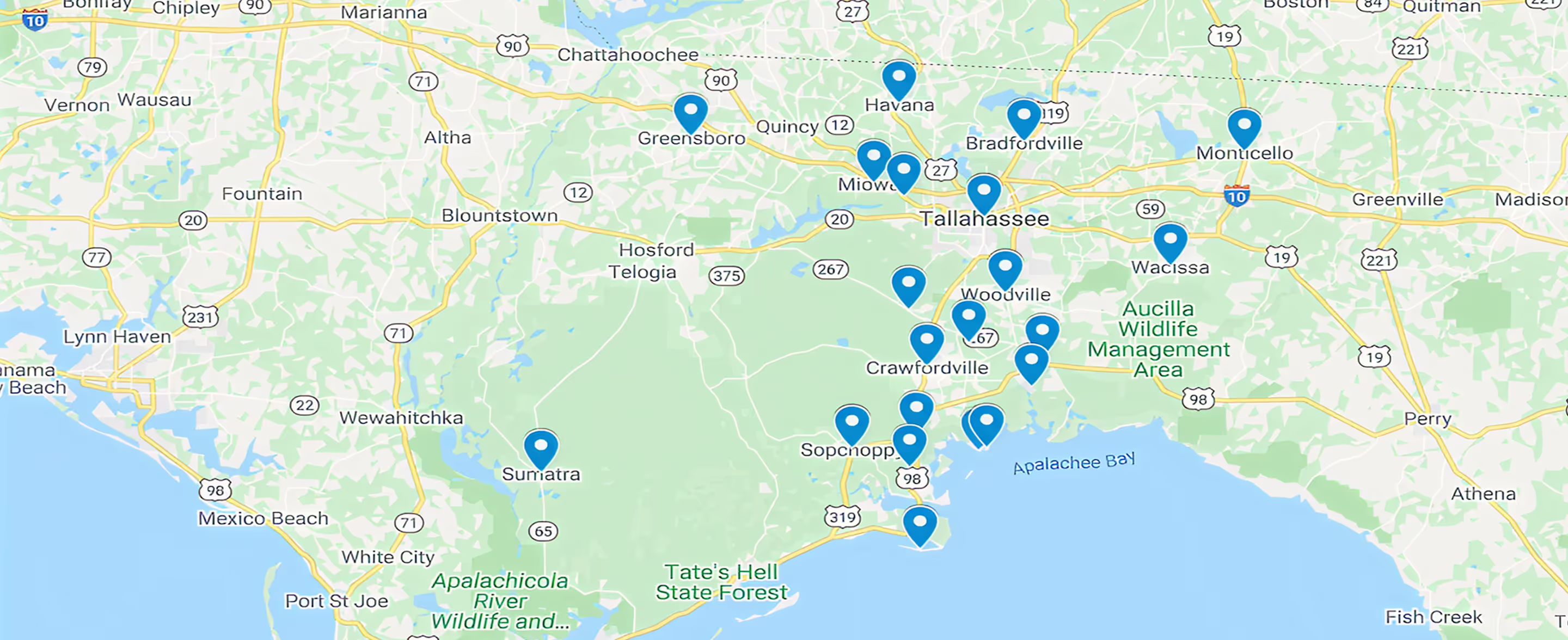
IAQ Service in Wakulla Springs, FL

IAQ services in Wakulla Springs, FL, addressing common indoor air quality challenges with diagnostic testing and customized treatment strategies. Focuses on humidity control, filtration, and ventilation, including ERV/HRV systems, HEPA filters, UV lights, and carbon filtration. Covers installation, commissioning, maintenance, and post-install testing, designed for durable performance in coastal-humid conditions. The process includes on-site assessment, measurements, a written plan, and transparent quotes to help homeowners achieve healthier, more energy-efficient indoor air.
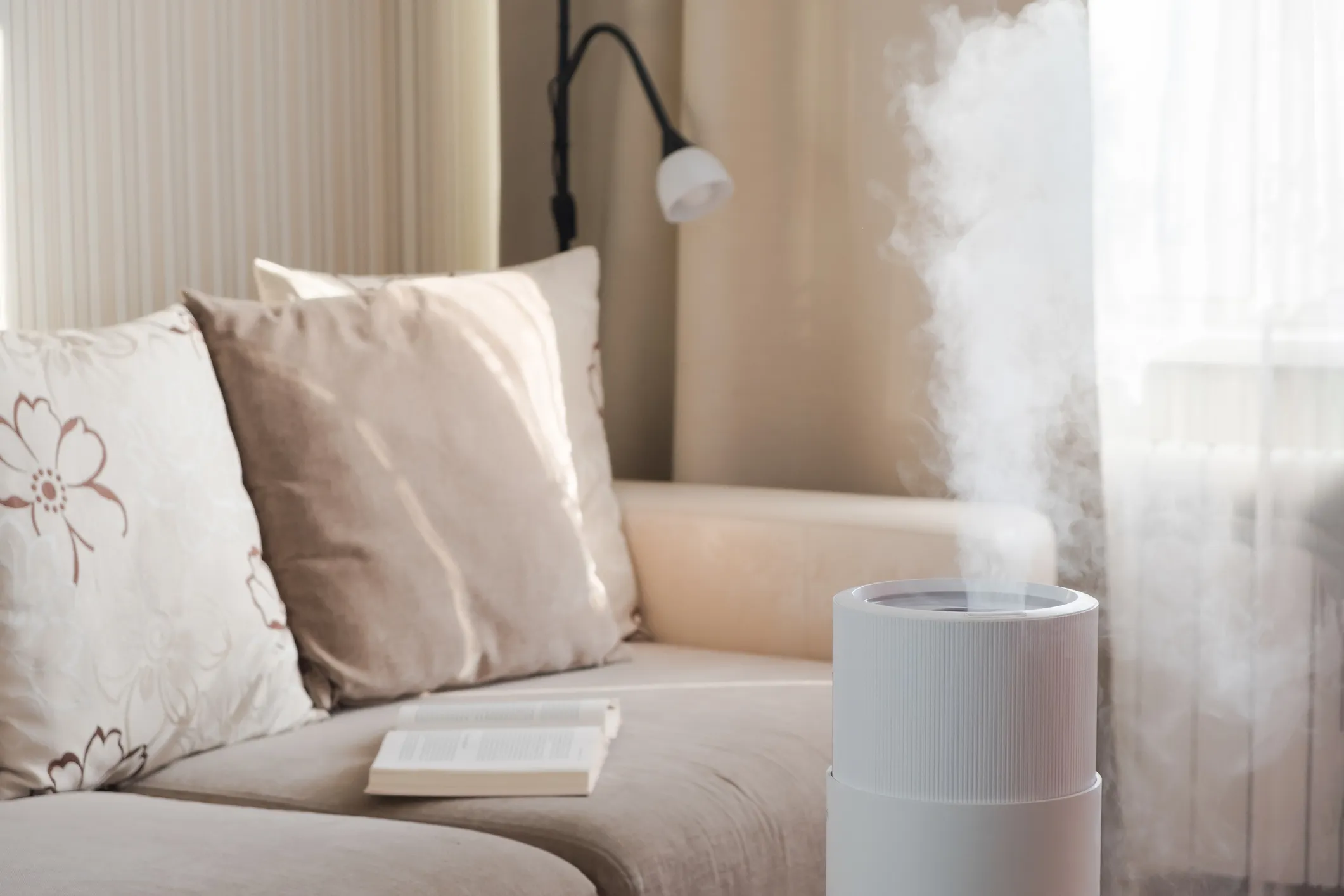
IAQ Service in Wakulla Springs, FL
Indoor air quality (IAQ) directly affects health, comfort, and energy use in Wakulla Springs homes. With a humid subtropical climate, high seasonal humidity, abundant pollen from live oaks and pines, and occasional storm-driven moisture intrusion, local residences face specific air quality challenges: mold and mildew growth, persistent allergens, elevated humidity, and dust or particulate accumulation. This IAQ Service overview explains the problems we diagnose, the solutions commonly deployed (purification, filtration, humidity control, ERV/HRV, UV), how installations and repairs are handled, what measured outcomes to expect, and the typical assessment and quoting process in Wakulla Springs, FL.
Common IAQ issues in Wakulla Springs, FL
- High indoor relative humidity during summer (often 60% or higher), promoting mold and dust mite activity.
- Seasonal pollen spikes (spring and fall) causing allergy symptoms.
- Mold growth in basements, crawlspaces, attics, and areas affected by past storm or plumbing leaks.
- Salt-laden coastal air and humidity that can accelerate corrosion on HVAC components and reduce filter lifetime.
- VOCs from new building materials, household cleaners, and paints—especially in tightly sealed homes.
- Duct leakage or poor ventilation leading to uneven airflow, stale air, and elevated CO2 indoors.
Initial testing and consultation
A proper IAQ service begins with a diagnostic assessment tailored to your home. Typical on-site testing includes:
- Particle counts (PM2.5 and PM10) using a calibrated particle counter to quantify fine particulate levels.
- Relative humidity (RH) and temperature mapping in living spaces, attics, and crawlspaces.
- VOC and formaldehyde screening with handheld sensors when chemical sources are suspected.
- CO2 monitoring to evaluate ventilation effectiveness and occupancy-related buildup.
- Visual inspection of HVAC equipment, filters, ductwork, condensation drip pans, and potential moisture intrusion points.
- Duct leakage testing and airflow balancing when uneven distribution or contamination is suspected.
The consultation interprets these findings into a prioritized list of interventions, showing the most effective combination of source control, ventilation, filtration, and humidity management for your home.
Product selection: matching equipment to local needs
Wakulla Springs homes typically benefit from multi-layered solutions. Options include:
- High-efficiency filtration: MERV-13 to MERV-16 whole-house filters for particle capture inside HVAC systems; compatible filters selected based on system fan capacity to avoid undue pressure drop.
- Portable and whole-home HEPA air purifiers: effective for removing fine particulates, wildfire smoke remnants, and allergens.
- UV germicidal lights: installed in HVAC coils and air handlers to reduce microbial growth on cooling coils and in duct surfaces.
- Mechanical ventilation: Energy recovery ventilators (ERV) or heat recovery ventilators (HRV) to introduce fresh air while limiting heat and humidity transfer—a strong choice for modern, tightly sealed homes.
- Humidification and dehumidification: whole-house dehumidifiers that reduce summertime RH into the recommended 40-50% range, or humidifiers for dry winter conditions in specific microclimates.
- Activated carbon or VOC filters: for homes with chemical sensitivity or recent renovations.
Product choices prioritize compatibility with existing HVAC equipment, local humidity and pollen patterns, and measurable performance goals established during the consultation.
Installation, repairs, and system integration
Installations follow manufacturer guidelines and local building codes, with emphasis on lasting performance in coastal-humid conditions:
- Pre-install checks: verify ductwork integrity, correct airflow volumes, and safe electrical connections.
- Proper placement: whole-home devices placed at central air handler locations; ERV/HRV units sized to the home’s square footage and occupancy pattern.
- UV and coil-mounted devices installed to improve coil cleanliness and reduce microbial load without altering refrigerant circuits.
- Repairs: addressing rusted drain pans, clogged condensate lines, failing fans, or deteriorated duct insulation that contribute to poor IAQ.
- Commissioning: post-install airflow verification, humidity setpoint calibration, and demonstration of operation for homeowners.
All work includes documentation of settings and recommended filter types and replacement intervals for local conditions.
Maintenance and tune-ups
Regular maintenance extends equipment life and sustains performance in Wakulla Springs’ humid climate:
- Quarterly or semi-annual filter checks; more frequent replacement during high pollen seasons or after storms.
- Annual HVAC tune-ups that include coil cleaning, condensate drain servicing, and verification of dehumidifier performance.
- UV lamp replacement per manufacturer schedule to ensure continuous germicidal effect.
- ERV/HRV core cleaning and gasket inspection at least annually to avoid mold buildup and maintain transfer efficiency.
- Duct cleaning and sealing when testing shows particulate loads or significant leakage.
Well-documented maintenance reduces emergency repairs, helps avoid mold recurrences, and preserves measured IAQ improvements.
Measured outcomes and health/energy benefits
Clients in Wakulla Springs can expect measurable improvements when source control, filtration, ventilation, and humidity management are combined:
- Particulate reductions: HEPA-grade filtration and air changes can reduce indoor PM2.5 and pollen loads by 50-95%, depending on system type and runtime.
- Reduced relative humidity: whole-house dehumidification commonly lowers indoor RH from the mid-60s into the recommended 40-50% range, dramatically reducing mold and dust mite activity.
- Lower VOC and odor levels: activated carbon filtration and improved ventilation reduce detectable odors and many VOCs.
- Better ventilation and lower CO2: ERV/HRV installations improve fresh air exchange without large energy penalties, improving perceived freshness and cognitive comfort.
- Energy and equipment benefits: controlling humidity and maintaining clean coils reduces HVAC runtime and improves efficiency; sealed ducts and proper filtration limit energy loss and system strain.
Outcomes are documented through before-and-after readings (particle counts, RH profiles, CO2, VOC snapshots), enabling homeowners to see quantified improvements tied to health and comfort goals.
Service area considerations for Wakulla Springs, FL
Local factors shape effective IAQ strategies:
- High outdoor humidity and frequent rains mean moisture control is central to preventing mold in crawlspaces and attics.
- Seasonal pollen and storm debris increase filter loading, so filter selection and replacement cadence are adjusted accordingly.
- Coastal proximity requires corrosion-resistant fittings and attention to outdoor intake placement to limit salt and particulate intrusion.
- Older homes may need duct sealing or localized ventilation upgrades; newer tight-build homes typically benefit most from ERV/HRV ventilation paired with filtration.
Typical assessment and quote process
The scheduling and quoting process for IAQ projects in Wakulla Springs generally follows these steps:
- A site visit assesses building layout, HVAC equipment, and immediate IAQ complaints.
- On-site testing is performed to measure particulates, humidity, VOCs, and ventilation indicators.
- A written assessment outlines prioritized solutions, estimated equipment scope, anticipated outcomes, and a transparent breakdown of recommended services.
- If a full installation is selected, a work plan and timeline are provided along with maintenance recommendations and expected post-installation testing protocols.
This approach ensures recommendations are based on measurable conditions and tailored to local climate impacts and home-specific vulnerabilities.
Ongoing care and preventative tips
- Monitor indoor relative humidity and keep it between 40% and 50% during warm months.
- Replace filters more frequently during pollen season and after storms.
- Inspect attics, crawlspaces, and exterior seals after heavy rains for signs of moisture intrusion.
- Maintain regular HVAC tune-ups to keep coils and drains clear in high-humidity environments.
Addressing IAQ proactively in Wakulla Springs not only improves daily comfort and health but also protects your home from moisture-related damage and can help systems run more efficiently over time.
hear what our satisfied clients have to say
.avif)

I have nothing but great things to say about this company! From the initial call to trouble shoot our old system to the installation of the new system. Maya was awesome and patient with us and the bank. Stratton, Wilton, and Austin did the removal and install of the systems and they were professional and proficient. I will be recommending this company to everyone and anyone! Thank you for making this less stressful then it needed to be. I'm very grateful for the help and comfort they have given me and my family.
We’ve had issues with our a/c unit freezing up off and on for a month or so. Aden from Keith Key came out and checked our system out. He fixed an issue with the bypass valve and also tuned our fan. Additionally we also replaced our thermostats with new T10’s. He took his time and helped me connect all of them to the WiFi and the app.Aden is very friendly and knowledgeable. I haven’t had an issue with my system since. He was also willing to accept the assistance of our overly helpful shih tzu. Call Keith Key and Aden for any issues with hvac systems, they can get it fixed!
Tryston was amazing! So knowledgeable, pleasant and respectful. Keith Key H/A will forever have my family's business
We had a tenant with no heat during the recent 29 degree weather. I called Keith Key Heating and Air before office hours and left my infomation with their answering service. I got a call back from the office promptly at 8:00 a.m. They were able to schedule us for service the same day. The technician arrived at noon, diagnosed the issue and made the repair. The price was quite reasonable. Everyone that we dealt with was friendly, professional and knowledgeable. I would highly recommend them and will be using them again in the future. Thanks Keith Key Heating & Air!!
Heat wasn't working after the sleet storm and being without power for 18 hours. Keith Key sent Trystan the same day as my call. He did a great job (very personable) and got it repaired in no time. Many thanks!
Keith Key HVAC is wonderful! They service our HVAC and just helped me with a super stressful heating issue while I was out of state. They are very organized and professional, and take extra time to explain and follow up. I just love them!
We've called on Keith Key Heating and Air twice for help. Both times, they responded quickly, and were able to make repairs quickly. The techs we've dealt with have been friendly, reliable, professional and knowledgeable. And they don't dig in your pocket like some have been known to do. I honestly don't know what more we could ask for. A solid 10 of 10, and we highly recommend.
Had to replace my AC and Heating unit. Keith Key Heating and Air was very helpful in finding the right unit money wise for me. The young men they sent was courteous and knowledgeable. They made sure everything was up to my standards before they left. If you have trouble I would highly recommend them to you.
Keith Key regularly services both our personal home and one of our rental properties! They are good about communicating to us about the condition of the units at the rental property which is such a relief! We have had to call them for 2 emergencies and both times the techs appeared happy to be there helping us despite being on the weekend! 10/10 recommend.
Service Areas