IAQ Installation in Wakulla Springs, FL

IAQ installation services in Wakulla Springs homes focus on reducing humidity, pollen, mold, and outdoor pollutants through a layered approach to cleaner air. The process begins with a needs assessment and includes advanced solutions such as high-efficiency filtration, whole-house purifiers, UV-C coil and air purification, whole-home dehumidification, ERV-based balanced ventilation, and duct sealing. Services cover seamless integration with existing HVAC and ductwork, retrofit options, and a clear timeline from assessment to commissioning. Homeowners also receive guidance on maintenance, warranties, and long-term benefits for comfort, health, and HVAC system longevity
IAQ Installation in Wakulla Springs, FL
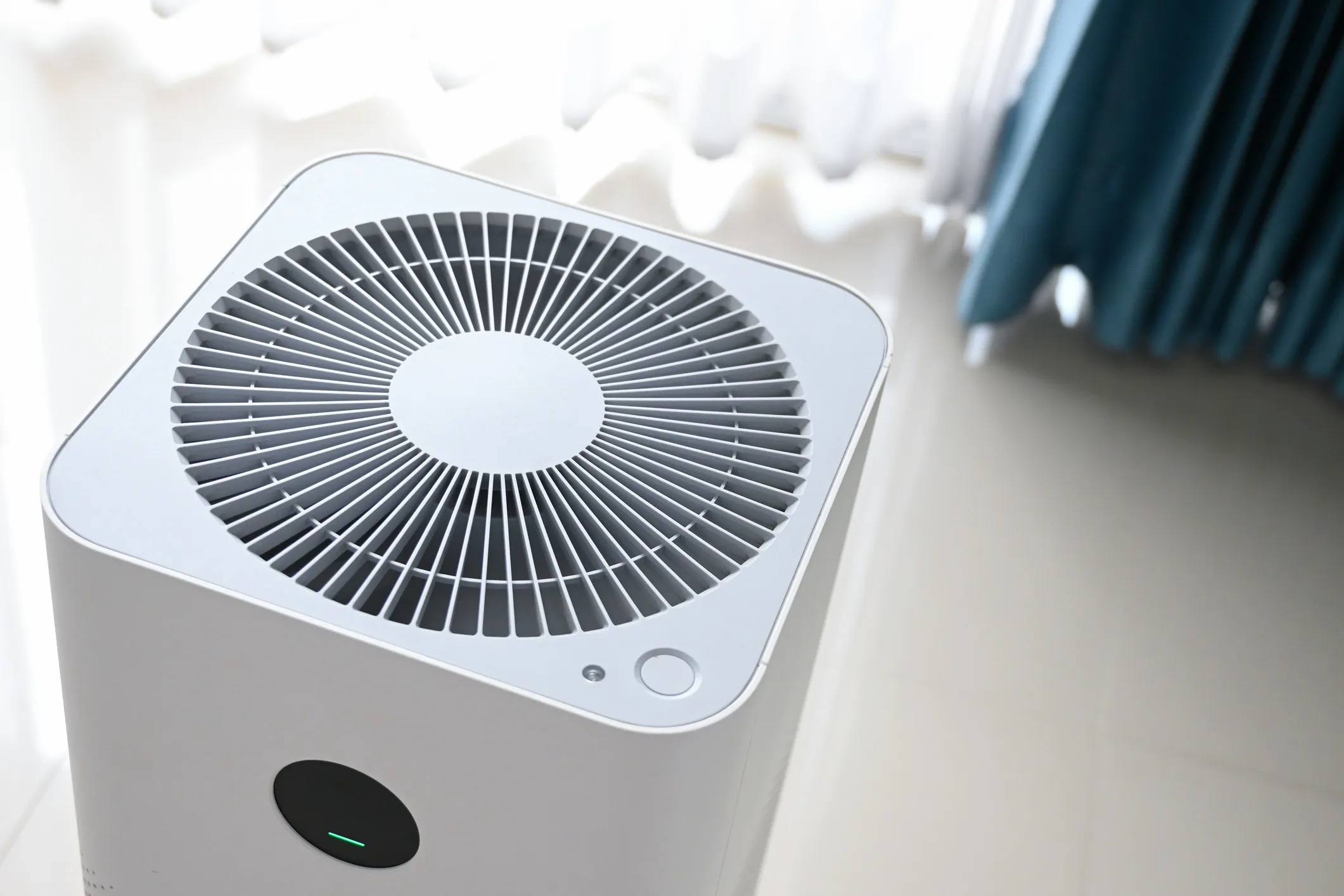
Good indoor air quality is essential in Wakulla Springs, FL, where high humidity, seasonal pollen, coastal influences, and older home construction combine to create common air quality challenges. A properly designed and installed indoor air quality (IAQ) system reduces allergens, controls humidity, limits biological growth, and improves overall comfort and HVAC efficiency. This page explains the IAQ installation process, recommended technologies, how systems are integrated with existing HVAC and ductwork, the installation timeline, commissioning steps, and maintenance and warranty considerations tailored to Wakulla Springs homes.
Why IAQ matters in Wakulla Springs homes
- High humidity year-round creates conditions favorable to mold, mildew, and dust mites.
- Heavy seasonal pollen and local vegetation raise allergen loads in spring and fall.
- Storm and hurricane season increases risk of water intrusion and prolonged dampness.
- Older or leaky ductwork and historic building stock can introduce dust, pests, and outdoor pollutants indoors.
Addressing these local factors during IAQ installation helps protect health, preserve building materials, and reduce cooling loads.
Common IAQ issues in Wakulla Springs, FL
- Mold growth on coils, insulation, and within ducts due to elevated humidity
- Persistent musty odors after heavy rains or leaks
- High indoor humidity leading to clammy comfort and increased energy use
- Elevated pollen, dust, and pet dander leading to allergy symptoms
- Stale air and elevated CO2 in tightly sealed or poorly ventilated homes
- Volatile organic compounds (VOCs) from paints, cleaners, or new furnishings in enclosed spaces
Initial air quality testing and needs assessment
A professional IAQ installation begins with objective testing and a thorough needs assessment:
- Baseline IAQ testing: particulate counts (PM2.5 and PM10), CO2, relative humidity, temperature, and VOC screening. Mold spore sampling or surface testing when indicated.
- Home survey: inspect HVAC equipment, coil condition, filter cabinet size, duct layout, insulation, and return air locations. Check for visible mold, water intrusion history, and attic or crawlspace conditions.
- Occupancy and lifestyle review: number of occupants, pets, smoking, home renovation plans, and preferred indoor humidity/comfort levels.
- Goals and constraints: prioritize allergen reduction, humidity control, energy efficiency, or a combination to select appropriate technologies.
Recommended IAQ technologies for Wakulla Springs
A layered approach combining filtration, dehumidification, targeted purification, and controlled ventilation delivers the best results.
- Filtration upgrades (whole-house)
- Move to higher-efficiency filters where the system can accommodate them: MERV 8 to MERV 13 is common; HEPA-level filtration may be used in dedicated whole-house units or bypass systems.
- Note: higher MERV increases pressure drop. Confirm blower capability or upgrade blower/controls to maintain adequate airflow.
- Whole-house air purifiers and standalone HEPA units
- Whole-house purifiers attached to HVAC handle the entire living space. Portable HEPA units are effective for bedrooms or single rooms where focused relief is needed.
- UV-C coil and air-stream purifiers
- UV at the evaporator coil reduces microbial growth that causes odors and reduces coil efficiency. Upper-air or in-duct UV can control airborne bacteria and viruses when properly specified.
- Ensure lamps are installed and shielded per manufacturer and safety guidance.
- Whole-home dehumidification
- In Wakulla Springs, dehumidification is often as important as filtration. Whole-home dehumidifiers maintain relative humidity in the recommended 45 to 55 percent range to inhibit mold and dust mites and improve comfort.
- Balanced ventilation with energy recovery
- Energy recovery ventilators (ERVs) are preferred in humid climates because they transfer moisture and sensible heat while providing controlled fresh air exchange, reducing indoor humidity loads compared with basic ventilation.
- Proper ventilation reduces CO2 and VOC buildup while avoiding excessive moisture introduction.
- Duct sealing and insulation
- Sealing leaks and insulating ducts in unconditioned spaces prevents infiltration of humid, contaminated air and improves system performance.
Integration with existing HVAC and ductwork
- Compatibility assessment: evaluate filter cabinet size, static pressure limits, coil access, and electrical capacity. Some homes require a larger filter housing or a dedicated IAQ unit installed in a bypass or side-stream configuration.
- Blower and control upgrades: installing higher-efficiency filtration or dehumidifiers may require an ECM blower or variable-speed control to maintain airflow and comfort.
- Ductwork modifications: adding an ERV or whole-house purifier may need new return or outdoor air connections, insulated duct runs, and condensate routing for dehumidifiers.
- Retrofit options: many homes can receive incremental upgrades (filter upgrade plus UV) or full-system installs (ERV + whole-house dehumidifier + high-efficiency filtration) depending on needs and space.
Installation steps and typical timeline
- Pre-install assessment and equipment selection - 1 to 3 days of site surveys and equipment procurement planning.
- Material and equipment delivery - variable based on lead times, typically 3 to 10 days.
- On-site installation - 1 to 3 days for typical whole-house systems; complex retrofits involving duct replacement or major electrical work can take 3 to 7 days. Tasks include mounting units, duct connections, electrical wiring, condensate routing, and control integration.
- Startup and commissioning - same day as installation or next day; includes system balancing and initial performance checks.
- Post-install verification testing - 1 day: confirm particulate reductions, humidity stabilization, CO2 and VOC readings, and airflow. Final adjustments made as needed.
Timelines vary with home complexity, permitting needs, and whether duct repair or attic access work is required.
Commissioning and performance verification
Effective handover involves measurable verification:
- Airflow and static pressure testing to ensure the HVAC system operates within safe limits with new filters or equipment.
- Post-install IAQ testing: compare PM2.5, CO2, VOCs, and humidity against baseline results to document improvements.
- Duct leakage and balancing: measure and remedy major leaks; balance supply and return for consistent distribution.
- Control setup verification: ensure thermostats, dehumidistat, and ERV controls work together and schedules match occupancy patterns.
- UV output and condensate checks: verify UV lamp operation and check condensate drains for correct flow.
Documented verification helps homeowners understand system performance and expected maintenance.
Maintenance and warranty guidance
- Filter care: replace or clean filters according to manufacturer recommendations and local conditions. In Wakulla Springs, filters may load faster due to pollen and humidity; MERV 8 to 13 filters typically need monthly to quarterly checks.
- Dehumidifier maintenance: check condensate drains, clean coils annually, and inspect control sensors.
- UV lamp replacement: UV lamps lose intensity over time; plan annual lamp replacement and cleaning of quartz sleeves.
- ERV maintenance: change or clean cores per manufacturer schedule, typically annually or semiannually.
- Duct inspection: schedule periodic duct inspections and cleaning if mold or significant dust is detected.
- Record keeping and warranty: keep copies of installation records, test results, and maintenance receipts to preserve warranties and to guide future service decisions.
Long-term benefits for Wakulla Springs homes
A properly specified and installed IAQ system tailored to Wakulla Springs conditions reduces allergens and mold risk, stabilizes indoor humidity, improves occupant comfort, and can extend HVAC equipment life by keeping coils and filters cleaner. With objective testing, careful integration, and routine maintenance, homeowners gain measurable indoor air quality improvements that support health and comfort in this humid, pollen-prone region.
hear what our satisfied clients have to say
.avif)

I have nothing but great things to say about this company! From the initial call to trouble shoot our old system to the installation of the new system. Maya was awesome and patient with us and the bank. Stratton, Wilton, and Austin did the removal and install of the systems and they were professional and proficient. I will be recommending this company to everyone and anyone! Thank you for making this less stressful then it needed to be. I'm very grateful for the help and comfort they have given me and my family.
We’ve had issues with our a/c unit freezing up off and on for a month or so. Aden from Keith Key came out and checked our system out. He fixed an issue with the bypass valve and also tuned our fan. Additionally we also replaced our thermostats with new T10’s. He took his time and helped me connect all of them to the WiFi and the app.Aden is very friendly and knowledgeable. I haven’t had an issue with my system since. He was also willing to accept the assistance of our overly helpful shih tzu. Call Keith Key and Aden for any issues with hvac systems, they can get it fixed!
Tryston was amazing! So knowledgeable, pleasant and respectful. Keith Key H/A will forever have my family's business
We had a tenant with no heat during the recent 29 degree weather. I called Keith Key Heating and Air before office hours and left my infomation with their answering service. I got a call back from the office promptly at 8:00 a.m. They were able to schedule us for service the same day. The technician arrived at noon, diagnosed the issue and made the repair. The price was quite reasonable. Everyone that we dealt with was friendly, professional and knowledgeable. I would highly recommend them and will be using them again in the future. Thanks Keith Key Heating & Air!!
Heat wasn't working after the sleet storm and being without power for 18 hours. Keith Key sent Trystan the same day as my call. He did a great job (very personable) and got it repaired in no time. Many thanks!
Keith Key HVAC is wonderful! They service our HVAC and just helped me with a super stressful heating issue while I was out of state. They are very organized and professional, and take extra time to explain and follow up. I just love them!
We've called on Keith Key Heating and Air twice for help. Both times, they responded quickly, and were able to make repairs quickly. The techs we've dealt with have been friendly, reliable, professional and knowledgeable. And they don't dig in your pocket like some have been known to do. I honestly don't know what more we could ask for. A solid 10 of 10, and we highly recommend.
Had to replace my AC and Heating unit. Keith Key Heating and Air was very helpful in finding the right unit money wise for me. The young men they sent was courteous and knowledgeable. They made sure everything was up to my standards before they left. If you have trouble I would highly recommend them to you.
Keith Key regularly services both our personal home and one of our rental properties! They are good about communicating to us about the condition of the units at the rental property which is such a relief! We have had to call them for 2 emergencies and both times the techs appeared happy to be there helping us despite being on the weekend! 10/10 recommend.
Service Areas