IAQ Replacement in Sopchoppy, FL

IAQ replacement guidance for Sopchoppy, FL explains when replacing air-quality equipment is preferable to repair, outlines common upgrade options (HEPA filters, electronic cleaners, UV coils, whole-house dehumidifiers, ERV/HRV), and covers sizing, installation, maintenance, and expected lifespans. It emphasizes evaluating humidity, mold risk, and coastal salt exposure to select compatible systems, provides an installation overview, and highlights energy and health benefits of timely replacement. The guidance helps homeowners balance IAQ improvements with energy efficiency and long-term reliability.
IAQ Replacement in Sopchoppy, FL
Keeping indoor air clean and comfortable in Sopchoppy, FL means addressing more than just temperature. High humidity, pollen, mold-prone conditions, and occasional coastal salt intrusion create specific indoor air quality (IAQ) challenges for homes here. This page explains when IAQ equipment replacement is recommended rather than repair, compares replacement options (HEPA/media filters, electronic cleaners, UV coil purifiers, whole-house dehumidifiers/humidifiers, ERV/HRV units), outlines right-sizing and installation considerations, and describes expected lifespans and energy and health benefits — all tailored to Sopchoppy homes.
Why replace IAQ equipment in Sopchoppy, FL
Repair is appropriate for isolated faults, but replacement becomes the better choice when equipment is old, inefficient, frequently failing, or unable to address persistent issues common in our area:
- Persistent indoor humidity above 50-60% leading to mold on walls and HVAC coils
- Recurring musty odors or visible mold despite cleaning
- Allergies that worsen during pollen season or after storms
- Corrosion or degraded performance from coastal salt and high humidity
- Repeated electronic component failures or rising energy bills
If filters, purifiers, or ventilation systems no longer achieve measurable improvements or require costly, frequent repairs, replacement delivers longer-term reliability and better performance in Sopchoppy’s humid, pollen-prone environment.
Common IAQ replacement options and when to choose them
Below are the typical IAQ upgrades for Sopchoppy homes, with the strengths and limitations of each.
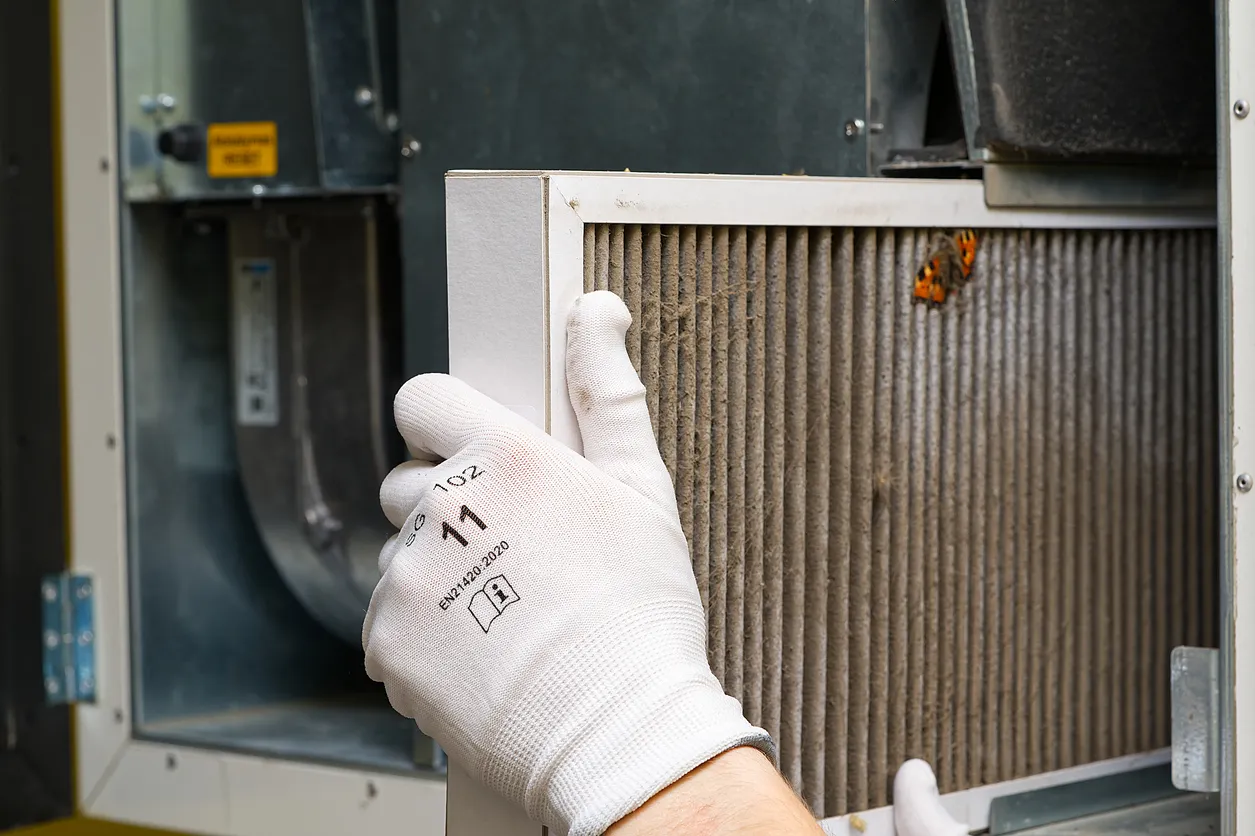
- HEPA / Media Filters
- Best for: Removing fine particulates, pollen, dust, and smoke.
- Notes: Whole-house HEPA or high-efficiency media filters reduce airborne allergens throughout the home when integrated with the HVAC system. Replacement frequency depends on load — expect frequent changes in dusty or pollen-heavy seasons.
- Electronic Air Cleaners (electrostatic precipitators)
- Best for: Long-term particulate removal without frequent filter changes.
- Notes: Effective for small particles but some models can produce trace ozone. Choose certified, low-ozone units and consider local conditions; salt air can affect longevity without proper maintenance.
- UV Coil Purifiers
- Best for: Controlling microbial growth on evaporator coils and improving HVAC efficiency.
- Notes: Valuable in Sopchoppy where high humidity encourages mold growth on coils. Lamps usually need annual replacement to maintain effectiveness, while fixtures last longer.
- Whole-House Dehumidifiers / Humidifiers
- Best for: Managing indoor relative humidity (dehumidifiers essential in Sopchoppy).
- Notes: Whole-house dehumidification is often a priority here to prevent mold, lower cooling loads, and improve comfort. Humidifiers are rarely needed year-round in this climate but may be useful during occasional cooler, dry periods.
- ERV / HRV Ventilation Units
- Best for: Controlled mechanical ventilation with energy recovery.
- Notes: In hot-humid climates, ERVs that transfer some moisture and heat can be preferable to HRVs. However, mechanical ventilation must be paired with dehumidification to avoid bringing excess outdoor moisture inside.
Choosing the right size and type
Correct sizing is critical to performance and energy efficiency:
- For filters and cleaners: match system pressure drop limits and HVAC fan capacity. Oversized filters can reduce airflow and strain HVAC equipment.
- For dehumidifiers: size by the home’s square footage, number of occupants, and local humidity trends. Aim to control relative humidity to 45-50% in hot months.
- For ERV/HRV: size using required ventilation rates (CFM) based on home volume and occupancy. In Sopchoppy, account for high outdoor humidity and integrate with dehumidification when ventilating.
A qualified assessment will evaluate square footage, duct design, HVAC capacity, occupancy, and local moisture infiltration to recommend a system that balances IAQ benefits with energy use.
Installation overview (what replacement typically involves)
- Pre-install assessment: measure indoor humidity, inspect ducts, and evaluate existing equipment and electrical capacity.
- Removal: safely disconnect and remove existing IAQ devices; inspect ductwork and coil condition.
- Preparation: minor duct modifications, mounting supports, condensate drain runs (essential for dehumidifiers), and dedicated electrical circuits if needed.
- Installation: mount equipment, connect ducts and drains, integrate controls and sensors, and test airflow, drainage, and electrical safety.
- Commissioning: verify system performance, set target humidity and ventilation rates, and explain filter/lamp replacement schedules.
In Sopchoppy, installers should check for corrosion and provide materials and mounting methods that minimize salt-related deterioration.
Expected lifespans and maintenance
- Disposable media filters: replace every 1–6 months depending on load.
- Whole-house HEPA/media filter housings: 10–15 years; filters replaced regularly.
- Electronic cleaners: 7–12 years for major components; periodic cleaning required.
- UV coil fixtures: fixture may last 5–10+ years; lamps need replacement annually to maintain output.
- Whole-house dehumidifiers: 10–15 years with proper maintenance.
- ERV/HRV units: 10–20 years depending on maintenance and exposure to humidity and salt.
Routine service — seasonal inspections, coil cleaning, condensate line checks, lamp or filter replacements — preserves performance and extends life, especially in humid, salty environments.
Energy and health benefits of timely replacement
- Health improvements: better control of allergens, mold spores, and some airborne pathogens leads to fewer allergy and asthma triggers.
- Reduced mold and moisture: whole-house dehumidification and UV treatment of coils reduce mold growth and related structural and health problems.
- Energy efficiency: modern IAQ systems designed and sized correctly reduce HVAC strain, potentially lowering cooling costs despite running fans or dehumidifiers. Poorly matched systems can increase energy use, so correct sizing is essential.
- HVAC longevity: cleaner coils and properly controlled humidity reduce system cycling and corrosion, extending the life of heating and cooling equipment.
When to choose replacement over repair
Consider replacement if any of the following apply:
- Equipment is past typical service life and performance is degraded.
- Repairs are frequent or costly with no guarantee of resolving moisture-related or corrosion problems.
- System cannot adequately control humidity or particulate load in current climate conditions.
- Upgrading delivers measurable energy and health benefits that justify the investment.
What to expect during a replacement assessment
- Visual inspection of HVAC equipment, ducts, coils, and indoor areas prone to moisture or mold.
- Measurement of indoor humidity and particulate levels.
- Review of home layout, occupancy, and ventilation needs.
- Recommendations for system type, size, and placement, with maintenance and expected lifespan estimates.
- Outline of necessary ductwork or electrical modifications and any required permits.
Financing options and manufacturer incentives are commonly available in the residential IAQ market; homeowners in Sopchoppy should compare those options and confirm energy and health goals when evaluating replacement choices.
Maintenance tips for Sopchoppy homes
- Monitor indoor relative humidity, aiming for 45-50% during wet months.
- Replace HVAC filters regularly during pollen season and after heavy storms.
- Keep condensate drains clear and inspect for mold around vents and ducts.
- Schedule annual coil and ventilation inspections, and replace UV lamps annually if installed.
Replacing aging or inadequate IAQ equipment with the right solution for Sopchoppy’s warm, humid environment improves comfort, protects your home from moisture damage, and reduces airborne health triggers.
hear what our satisfied clients have to say
.avif)

I have nothing but great things to say about this company! From the initial call to trouble shoot our old system to the installation of the new system. Maya was awesome and patient with us and the bank. Stratton, Wilton, and Austin did the removal and install of the systems and they were professional and proficient. I will be recommending this company to everyone and anyone! Thank you for making this less stressful then it needed to be. I'm very grateful for the help and comfort they have given me and my family.
We’ve had issues with our a/c unit freezing up off and on for a month or so. Aden from Keith Key came out and checked our system out. He fixed an issue with the bypass valve and also tuned our fan. Additionally we also replaced our thermostats with new T10’s. He took his time and helped me connect all of them to the WiFi and the app.Aden is very friendly and knowledgeable. I haven’t had an issue with my system since. He was also willing to accept the assistance of our overly helpful shih tzu. Call Keith Key and Aden for any issues with hvac systems, they can get it fixed!
Tryston was amazing! So knowledgeable, pleasant and respectful. Keith Key H/A will forever have my family's business
We had a tenant with no heat during the recent 29 degree weather. I called Keith Key Heating and Air before office hours and left my infomation with their answering service. I got a call back from the office promptly at 8:00 a.m. They were able to schedule us for service the same day. The technician arrived at noon, diagnosed the issue and made the repair. The price was quite reasonable. Everyone that we dealt with was friendly, professional and knowledgeable. I would highly recommend them and will be using them again in the future. Thanks Keith Key Heating & Air!!
Heat wasn't working after the sleet storm and being without power for 18 hours. Keith Key sent Trystan the same day as my call. He did a great job (very personable) and got it repaired in no time. Many thanks!
Keith Key HVAC is wonderful! They service our HVAC and just helped me with a super stressful heating issue while I was out of state. They are very organized and professional, and take extra time to explain and follow up. I just love them!
We've called on Keith Key Heating and Air twice for help. Both times, they responded quickly, and were able to make repairs quickly. The techs we've dealt with have been friendly, reliable, professional and knowledgeable. And they don't dig in your pocket like some have been known to do. I honestly don't know what more we could ask for. A solid 10 of 10, and we highly recommend.
Had to replace my AC and Heating unit. Keith Key Heating and Air was very helpful in finding the right unit money wise for me. The young men they sent was courteous and knowledgeable. They made sure everything was up to my standards before they left. If you have trouble I would highly recommend them to you.
Keith Key regularly services both our personal home and one of our rental properties! They are good about communicating to us about the condition of the units at the rental property which is such a relief! We have had to call them for 2 emergencies and both times the techs appeared happy to be there helping us despite being on the weekend! 10/10 recommend.
Service Areas