IAQ Repair in St. Marks, FL
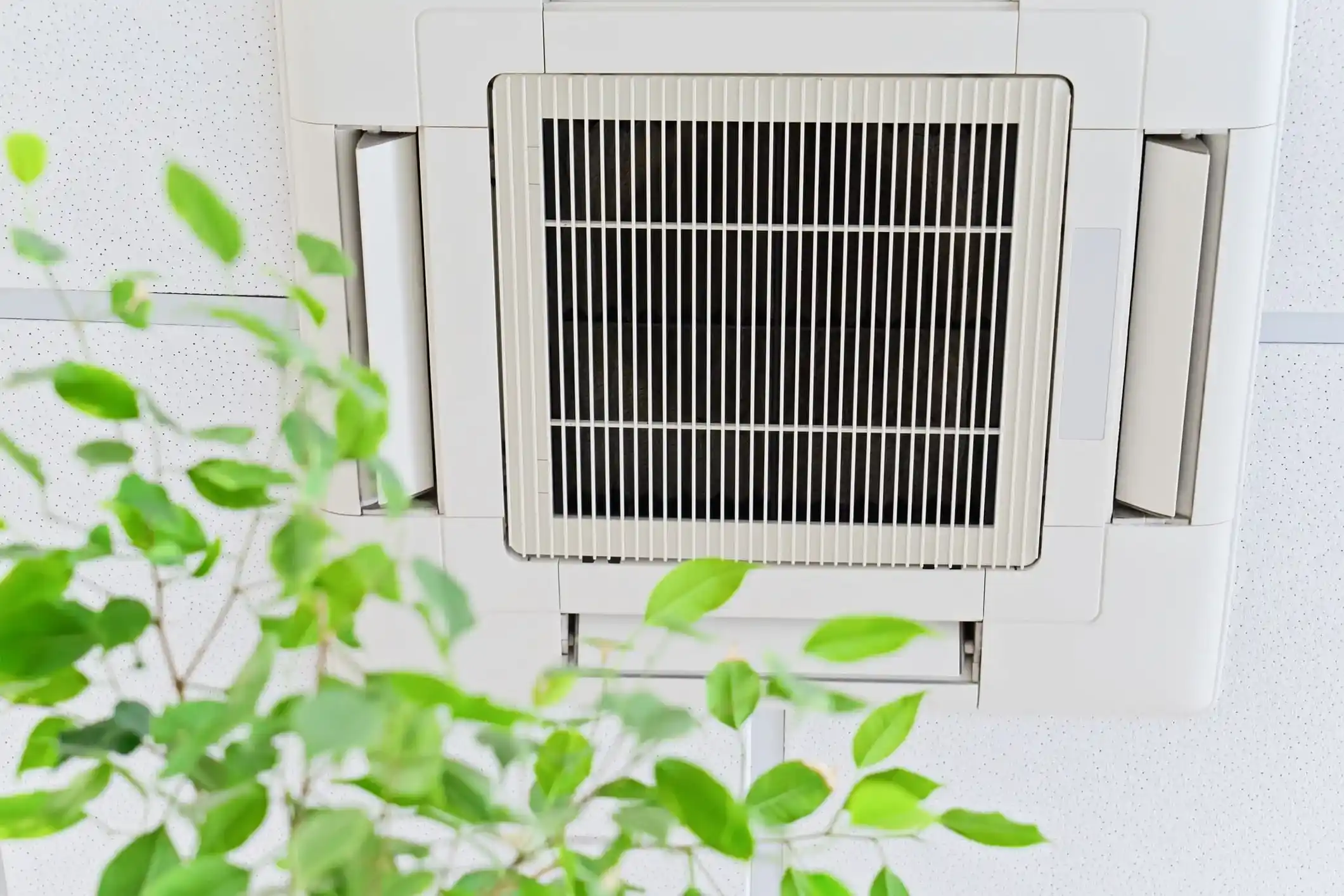
IAQ repair in St. Marks, FL addresses local challenges from salt air, humidity, and seasonal pollen by diagnosing and repairing air purifiers, humidifiers, dehumidifiers, filtration, and ventilation systems. A thorough process includes visual inspections, performance measurements, component testing, and targeted air testing as needed, followed by prioritized repairs such as filter upgrades, coil cleaning, UV lamp or ballast replacement, and duct sealing. The page also covers emergency options, timelines, cost factors, warranties, and a preventive maintenance plan to extend equipment life and protect indoor air quality.
IAQ Repair in St. Marks, FL
Maintaining healthy indoor air is essential in St. Marks, FL, where coastal salt, high humidity, and seasonal pollen create unique challenges for indoor air quality systems. Professional IAQ repair in St. Marks, FL focuses on diagnosing and fixing problems with air purifiers, UV/coil purifiers, humidifiers, dehumidifiers, filtration systems, and ventilation equipment so your home stays comfortable, safe, and efficient.
Why IAQ repair matters in St. Marks homes
St. Marks has a warm, humid climate and proximity to the Gulf that can accelerate corrosion, promote mold growth, and increase airborne allergens. These local factors make timely diagnosis and repair critical to avoid system failure, indoor contamination, or reduced system life span. Proper IAQ repair restores performance, protects sensitive components, and reduces energy use.
Common IAQ problems in St. Marks
Homes in this area commonly experience the following issues:
- Reduced airflow and weak ventilation because of clogged filters, corroded fan motors, or blocked ducts.
- Persistent musty odors and visible mold caused by excess humidity, poor drainage, or failing coil drainage pans.
- Frequent filter clogging from coastal dust, pollen, and pine debris.
- Degraded UV and coil purifier performance due to burned-out bulbs, fouled coils, or weakened ballast circuits.
- Humidifier or dehumidifier failure due to mineral buildup, scale, or corroded components.
- Electrical faults or intermittent operation after storms or power surges.
- Corrosion of outdoor components and ventilation hardware from salt air exposure.
How IAQ diagnosis works
A thorough IAQ repair process begins with systematic diagnostics that identify both symptoms and root causes:
- Visual inspection: Check for rust, water damage, discolored ductwork, and clogged filters.
- Performance measurements: Measure airflow (CFM), static pressure, temperature differential, and humidity levels to quantify system performance.
- Component testing: Test fans, motors, capacitors, control boards, sensors, and UV ballasts for proper operation.
- Air testing when needed: Particle counts, volatile organic compound screening, and humidity mapping can confirm contamination sources.
- Drainage and coil check: Inspect evaporator coils, drain pans, and condensate lines for blockages and microbial growth.
- Electrical safety check: Verify wiring, breakers, surge protection, and ground connections, especially after storms.
This method lets technicians prioritize repairs that restore safe, efficient operation and prevent repeat issues.
Typical repairs and parts replacement
Common repairs for IAQ equipment include:
- Filter replacement and upgrades to higher-efficiency media.
- Fan motor or blower assembly replacement for weakened airflow.
- UV lamp and ballast replacement to restore germicidal action.
- Coil cleaning and coil repair or replacement if corrosion or severe fouling exists.
- Humidifier pad or reservoir replacement, and demineralization kit installation.
- Dehumidifier compressor or fan repairs and drain pump replacement.
- Control board, sensor, or thermostat replacement for intermittent or incorrect operation.
- Duct sealing, damper repairs, and ventilation balancing to correct distribution problems.
- Corrosion mitigation measures such as replaced fasteners, coated components, or relocating sensitive equipment.
Parts are selected based on compatibility, durability in coastal environments, and whether OEM or high-quality aftermarket options are most appropriate.
Emergency repair options and safety measures
IAQ failures that risk health or property require immediate attention. Typical emergency scenarios include active leaks saturating insulation or ducts, mold growth after flooding, loss of ventilation during extreme heat, or electrical faults creating smoke or sparks. Emergency response steps:
- Immediate safety triage: power off affected equipment if there is smoke, sparking, or standing water, and isolate contaminated zones when possible.
- Temporary measures: run window or portable units to manage humidity, place containment over mold-affected areas, and use temporary filtration to reduce airborne particles.
- Stabilization: clear drain lines, remove pooled water, and perform targeted cleaning to prevent further damage while awaiting permanent repair.Emergency repairs focus on stabilizing the environment and performing critical part replacements to restore safe operation.
Expected timelines and cost factors
Typical repair timelines:
- Simple fixes like filter, UV bulb, or sensor replacement: same day or within 24 hours.
- Motor, fan assembly, or small electrical repairs: 24 to 72 hours depending on parts availability.
- Major coil replacement, compressor work, or extensive duct repairs: several days to a week, including ordering and scheduling.Factors that affect repair time and cost:
- Part availability and whether OEM parts are required.
- Accessibility of equipment - attic, crawlspace, or rooftop units increase labor time.
- Extent of corrosion or water damage requiring additional remediation.
- Need for specialized testing, mold remediation, or post-repair validation.Repairs are scoped to fix the root cause while minimizing disruption. Estimates typically explain which factors drive timelines and which options reduce long-term cost.
Warranty and parts information
Warranty and parts details are key when making repair decisions:
- Many original equipment manufacturers provide limited warranties on motors, compressors, and control boards. Verify remaining coverage before choosing parts.
- OEM parts provide guaranteed compatibility and often match original warranty terms. Aftermarket parts can be cost-effective but check longevity and compatibility in coastal conditions.
- Repaired components are typically tested and verified before returning to service; documentation of parts installed and test results should be provided.
- For major components, ask about warranty length, what is covered, and any maintenance requirements to keep warranties valid.
Preventing future IAQ problems in St. Marks
Targeted maintenance reduces repair frequency and extends equipment life:
- Replace standard filters every 3 months; high-efficiency filters or homes with pets/allergies may require monthly replacement.
- Replace UV lamps annually and schedule coil cleaning before the humid season.
- Maintain indoor relative humidity near 40 to 50 percent to reduce mold risk while limiting discomfort in the summer months.
- Use corrosion-resistant coatings or replace external fasteners and housings with marine-grade materials where salt exposure is high.
- Install surge protection for HVAC and IAQ control circuits to protect against frequent storms.
- Keep condensate pans, drain lines, and exterior vents clear of debris and ensure proper insulation on exposed ductwork.
- Schedule professional IAQ inspections annually, and more often if you have recent flooding, renovations, or persistent odors.
ConclusionIAQ repair in St. Marks, FL addresses specific local challenges like high humidity, salt air corrosion, and seasonal allergens. A focused diagnostic approach, prompt emergency stabilization when needed, careful parts selection, and a preventive maintenance plan restore and preserve indoor air quality. Expert repair work not only fixes immediate failures but also reduces long-term risk from mold, corrosion, and inefficient operation in coastal Florida homes.
hear what our satisfied clients have to say
.avif)

I have nothing but great things to say about this company! From the initial call to trouble shoot our old system to the installation of the new system. Maya was awesome and patient with us and the bank. Stratton, Wilton, and Austin did the removal and install of the systems and they were professional and proficient. I will be recommending this company to everyone and anyone! Thank you for making this less stressful then it needed to be. I'm very grateful for the help and comfort they have given me and my family.
We’ve had issues with our a/c unit freezing up off and on for a month or so. Aden from Keith Key came out and checked our system out. He fixed an issue with the bypass valve and also tuned our fan. Additionally we also replaced our thermostats with new T10’s. He took his time and helped me connect all of them to the WiFi and the app.Aden is very friendly and knowledgeable. I haven’t had an issue with my system since. He was also willing to accept the assistance of our overly helpful shih tzu. Call Keith Key and Aden for any issues with hvac systems, they can get it fixed!
Tryston was amazing! So knowledgeable, pleasant and respectful. Keith Key H/A will forever have my family's business
We had a tenant with no heat during the recent 29 degree weather. I called Keith Key Heating and Air before office hours and left my infomation with their answering service. I got a call back from the office promptly at 8:00 a.m. They were able to schedule us for service the same day. The technician arrived at noon, diagnosed the issue and made the repair. The price was quite reasonable. Everyone that we dealt with was friendly, professional and knowledgeable. I would highly recommend them and will be using them again in the future. Thanks Keith Key Heating & Air!!
Heat wasn't working after the sleet storm and being without power for 18 hours. Keith Key sent Trystan the same day as my call. He did a great job (very personable) and got it repaired in no time. Many thanks!
Keith Key HVAC is wonderful! They service our HVAC and just helped me with a super stressful heating issue while I was out of state. They are very organized and professional, and take extra time to explain and follow up. I just love them!
We've called on Keith Key Heating and Air twice for help. Both times, they responded quickly, and were able to make repairs quickly. The techs we've dealt with have been friendly, reliable, professional and knowledgeable. And they don't dig in your pocket like some have been known to do. I honestly don't know what more we could ask for. A solid 10 of 10, and we highly recommend.
Had to replace my AC and Heating unit. Keith Key Heating and Air was very helpful in finding the right unit money wise for me. The young men they sent was courteous and knowledgeable. They made sure everything was up to my standards before they left. If you have trouble I would highly recommend them to you.
Keith Key regularly services both our personal home and one of our rental properties! They are good about communicating to us about the condition of the units at the rental property which is such a relief! We have had to call them for 2 emergencies and both times the techs appeared happy to be there helping us despite being on the weekend! 10/10 recommend.
Service Areas