IAQ Installation in St. Marks, FL
Learn how IAQ installation in St. Marks, FL addresses coastal climate challenges - humidity, salt air, pollen, and storms - through targeted solutions that protect your HVAC system and improve comfort. The page covers a full process from initial assessment and indoor air testing to product selection, integration with existing ducts, and a typical installation timeline. It outlines recommended solutions (whole-house air purifiers, HEPA filtration, UV/coil purifiers, humidification/dehumidification, and ventilation upgrades), system integration, performance testing, warranties, and ongoing maintenance to sustain air quality in coastal homes.
IAQ Installation in St. Marks, FL
Maintaining healthy indoor air is essential in St. Marks, FL, where coastal humidity, salty air, seasonal pollen, and hurricane-driven dust and moisture increase the risk of mold, allergens, and corrosion. Professional IAQ installation improves comfort, protects your HVAC system, and reduces health triggers. This page explains the IAQ installation process from initial assessment and indoor air testing through product selection, integration with existing ductwork, installation timeline, and post-installation performance verification—specifically for homes in St. Marks, FL.
Why IAQ matters in St. Marks, FL
St. Marks’ subtropical climate contributes to common indoor air challenges:
- High relative humidity encourages mold, mildew, and dust mites.
- Onshore breezes bring salt and pollen that can corrode equipment and elevate allergen loads.
- Hurricane season and storm surge can introduce moisture, debris, and biological growth into homes.
- Older coastal homes often have leaky ducts and limited mechanical ventilation.
Understanding these local factors shapes the right IAQ installation: dehumidification and robust filtration are often priorities, along with corrosion-resistant components and ventilation strategies that avoid bringing in excessive outdoor moisture.
Common IAQ issues in St. Marks, FL
- Elevated indoor humidity and mold growth in attics, crawlspaces, and bathrooms
- Persistent odors and musty air after storms
- Allergy and asthma triggers from pollen, dust, and fungal spores
- Reduced HVAC efficiency due to clogged coils and duct contamination from salt and debris
- Stale air and high CO2 in tightly sealed homes without balanced ventilation
Initial home assessment and indoor air testing
A thorough IAQ installation begins with an assessment tailored to St. Marks homes:
- Visual inspection of HVAC equipment, ductwork, and potential moisture intrusion points
- Indoor air testing for particulate matter (PM2.5 and PM10), VOCs, relative humidity, temperature, and CO2
- Surface and air sampling for mold spores when indicated
- Duct leakage and airflow measurements to evaluate distribution and static pressure
These diagnostics establish a baseline, identify root causes, and inform the right combination of IAQ solutions for the home and existing HVAC system.
Product selection: matching solutions to local needs
IAQ systems are chosen to address the specific problems found during assessment. Typical solutions for St. Marks homes include:
- Whole-house air purifiers
- Installed in the HVAC return or air handler, these units reduce particles and some VOCs across the entire home.
- Ideal when pollen and fine particulates are common.
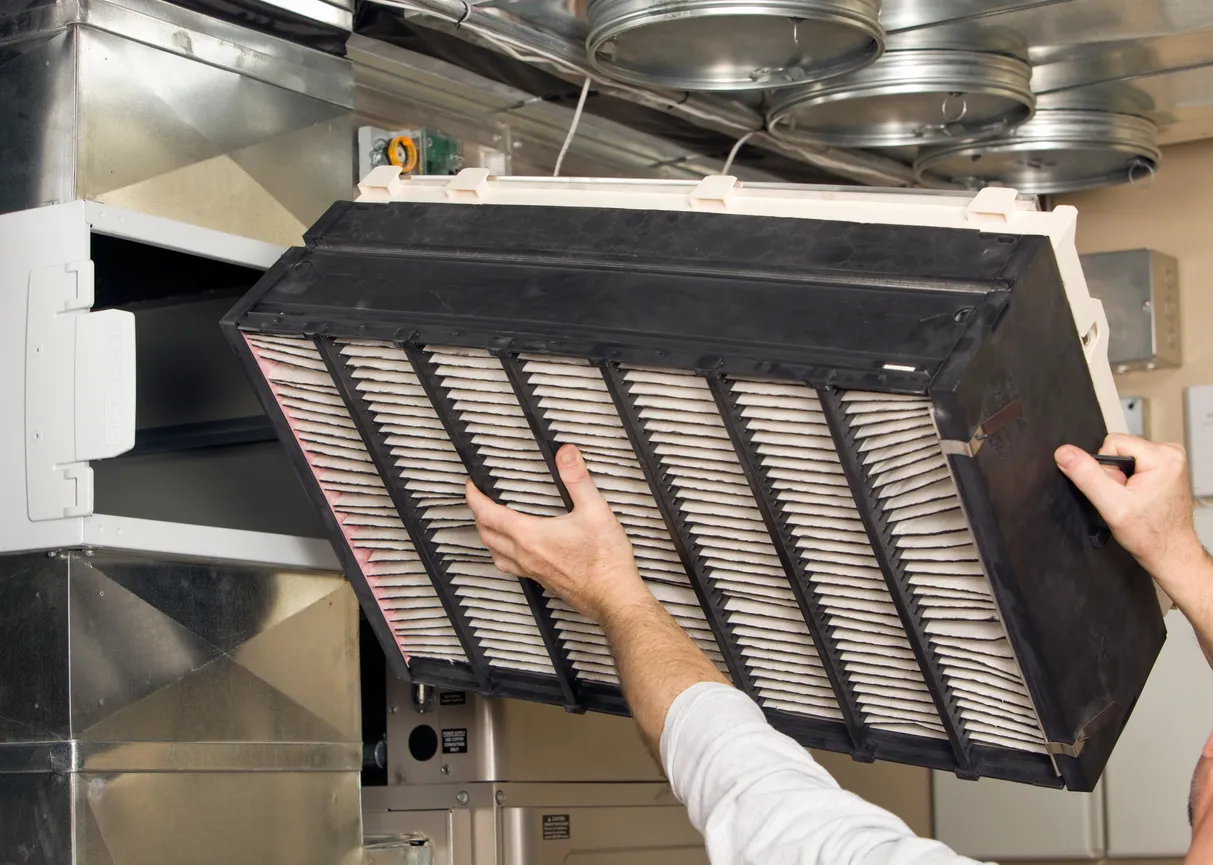
- HEPA/media filtration
- High-efficiency media filters or true HEPA modules capture allergens and fine particles. Consider MERV ratings compatible with your system to avoid excessive pressure drop.
- Recommended for allergy and asthma concerns.
- UV/coil purifiers
- UV lamps installed near evaporator coils reduce microbial growth on coils and drain pans, improving efficiency and limiting musty odors—particularly useful in high-humidity coastal environments.
- Humidification and dehumidification units
- In St. Marks, whole-house dehumidification is often essential to keep relative humidity below 60 percent and prevent mold and dust mite proliferation.
- In limited cases, controlled humidification in winter months can improve comfort in certain homes.
- Ventilation upgrades
- Balanced ventilation (ERV/HRV) or demand-controlled ventilation introduces fresh air while controlling energy and moisture transfer. In hot, humid climates, choose systems designed to limit moisture transfer or pair ventilation with dehumidification.
- Spot ventilation for kitchens and baths reduces moisture loads at the source.
System selection also considers corrosion resistance for coastal salt air, electrical and control compatibility with existing thermostats and smart home systems, and manufacturer reliability.
Integration with existing HVAC ductwork
Proper integration preserves HVAC performance:
- Placement: Most IAQ devices install in return plenum or near the air handler. Larger media filters may require dedicated housing or cabinet modifications.
- Static pressure: Upgraded filters or purifiers can increase resistance. Technicians measure and adjust blower settings to maintain adequate airflow.
- Duct sealing and insulation: Sealing leaks and adding insulation prevents humid outdoor air infiltration and protects indoor air quality.
- Material selection: Use corrosion-resistant fasteners and housings where salt air exposure is likely.
A careful integration minimizes disruption to airflow and ensures the IAQ system performs without shortening HVAC lifespan.
Typical timeline and site preparation
Installation timelines vary by scope:
- In-home assessment and testing: 1 to 2 hours
- Simple installs (filter cabinet, UV lamp, or plug-in units): half day to 1 day
- Whole-house systems (dehumidifier, ERV/HRV, integrated media filter): 1 to 3 days, depending on duct modifications and electrical work
- Complex retrofits involving duct rework or attic work may take several days and require follow-up testing.
Site prep tips for homeowners in St. Marks
- Clear access to the air handler, attic, or utility closet.
- Ensure power to install location is available or accessible.
- Protect areas from dust during duct or sheet-metal work.
- Expect technicians to secure outdoor components against typical coastal wind exposure.
Permits or local code compliance may be required for larger mechanical installs; installers should coordinate those details.
Performance testing after installation
Post-installation verification confirms system effectiveness:
- Repeat indoor air testing (particle counts, humidity, VOCs) to compare against baseline.
- Measure airflow and static pressure to ensure HVAC distribution remains balanced.
- Test dehumidifier performance under typical summer conditions to verify target humidity control.
- Inspect UV lamp output and media filter seating for correct installation.
- Provide documentation of settings, filter replacement schedules, and warranty information.
Regular performance checks after severe weather events are especially important in St. Marks to confirm the system handled salt and moisture exposure without degradation.
Brands, warranties, and long-term reliability
Homeowners typically choose equipment from industry-leading manufacturers that offer robust warranties and local support. Common brands used in IAQ installations include Carrier, Trane, Lennox, Aprilaire, Honeywell, and Steril-Aire, among others. Warranty coverage varies by component:
- Electronic modules and UV lamps often carry 1 to 5 year manufacturer warranties.
- Media filter housings and dehumidifiers commonly include longer limited warranties; compressors and major mechanical parts may have manufacturer-backed warranties up to 10 years.
- Many manufacturers offer extended warranty or service plans for parts and labor through local providers.
Always verify both manufacturer and installer warranties. In coastal environments, choose components with corrosion-resistant finishes and confirm warranty coverage for salt-related issues where available.
Benefits and maintenance for St. Marks homes
Proper IAQ installation delivers measurable benefits:
- Reduced allergens, mold, and odors
- Improved HVAC efficiency and lower repair risk from clogged coils
- Better comfort through stable humidity control
- Enhanced protection for households with asthma, allergies, or sensitive occupants
Maintenance essentials
- Replace or clean filters on the manufacturer schedule; coastal homes may require more frequent changes.
- Schedule annual HVAC tune-ups and UV lamp replacements as recommended.
- Monitor humidity and run dehumidification during humid months and after storms.
- Inspect outdoor components after hurricanes or severe storms for salt buildup or physical damage.
Choosing the right IAQ installation for your St. Marks home means assessing local climate impacts, matching technology to your home’s HVAC capabilities, and verifying performance through testing. A well-designed system reduces health risks, improves comfort, and protects your home against the specific air quality challenges of coastal Florida.
hear what our satisfied clients have to say
.avif)

I have nothing but great things to say about this company! From the initial call to trouble shoot our old system to the installation of the new system. Maya was awesome and patient with us and the bank. Stratton, Wilton, and Austin did the removal and install of the systems and they were professional and proficient. I will be recommending this company to everyone and anyone! Thank you for making this less stressful then it needed to be. I'm very grateful for the help and comfort they have given me and my family.
We’ve had issues with our a/c unit freezing up off and on for a month or so. Aden from Keith Key came out and checked our system out. He fixed an issue with the bypass valve and also tuned our fan. Additionally we also replaced our thermostats with new T10’s. He took his time and helped me connect all of them to the WiFi and the app.Aden is very friendly and knowledgeable. I haven’t had an issue with my system since. He was also willing to accept the assistance of our overly helpful shih tzu. Call Keith Key and Aden for any issues with hvac systems, they can get it fixed!
Tryston was amazing! So knowledgeable, pleasant and respectful. Keith Key H/A will forever have my family's business
We had a tenant with no heat during the recent 29 degree weather. I called Keith Key Heating and Air before office hours and left my infomation with their answering service. I got a call back from the office promptly at 8:00 a.m. They were able to schedule us for service the same day. The technician arrived at noon, diagnosed the issue and made the repair. The price was quite reasonable. Everyone that we dealt with was friendly, professional and knowledgeable. I would highly recommend them and will be using them again in the future. Thanks Keith Key Heating & Air!!
Heat wasn't working after the sleet storm and being without power for 18 hours. Keith Key sent Trystan the same day as my call. He did a great job (very personable) and got it repaired in no time. Many thanks!
Keith Key HVAC is wonderful! They service our HVAC and just helped me with a super stressful heating issue while I was out of state. They are very organized and professional, and take extra time to explain and follow up. I just love them!
We've called on Keith Key Heating and Air twice for help. Both times, they responded quickly, and were able to make repairs quickly. The techs we've dealt with have been friendly, reliable, professional and knowledgeable. And they don't dig in your pocket like some have been known to do. I honestly don't know what more we could ask for. A solid 10 of 10, and we highly recommend.
Had to replace my AC and Heating unit. Keith Key Heating and Air was very helpful in finding the right unit money wise for me. The young men they sent was courteous and knowledgeable. They made sure everything was up to my standards before they left. If you have trouble I would highly recommend them to you.
Keith Key regularly services both our personal home and one of our rental properties! They are good about communicating to us about the condition of the units at the rental property which is such a relief! We have had to call them for 2 emergencies and both times the techs appeared happy to be there helping us despite being on the weekend! 10/10 recommend.
Service Areas