HVAC Tune-up in Greensboro, FL
HVAC Repair in Lake Stevens, WA: Restoring Your Home's Comfort
When your heating or cooling system falters in Lake Stevens, WA, it's more than just an inconvenience; it impacts your home's comfort and potentially your indoor air quality. A malfunctioning HVAC system can lead to uncomfortable temperatures, rising energy bills, and even safety concerns. Prompt, reliable repair is essential to quickly restore function and ensure your home remains a comfortable sanctuary, no matter the season outside.
Addressing HVAC issues swiftly with professional service helps prevent minor problems from escalating into costly breakdowns. Whether your air conditioner isn't cooling on a hot summer day or your furnace fails during a cold winter night, having experienced technicians available to diagnose and resolve the issue efficiently is crucial for maintaining your peace of mind and comfort.
.jpeg)
HVAC Tune-up in Greensboro, FL
Routine HVAC tune-ups are essential for keeping air conditioners, heat pumps, and furnaces running reliably and efficiently in Greensboro, FL. With long, humid summers and occasional cool snaps, local homes depend heavily on conditioned air for comfort and indoor air quality. A professional tune-up uncovers small problems before they become emergency repairs, improves efficiency, and helps extend equipment life — all important benefits for homeowners facing high cooling use and sticky humidity.
Common HVAC problems in Greensboro homes
- High humidity and frequent cooling cycles that stress compressors and cause condensate drain clogs
- Pollen, dust, and debris build up in filters and coils during spring, reducing airflow and efficiency
- Refrigerant loss or improper charge that lowers cooling performance and increases run time
- Worn electrical components (capacitors, contactors) from heavy summer cycling
- Duct leakage or poor insulation that increases energy use and uneven cooling
- Heat pump defrost or reversing valve issues during colder months, and furnace draft or combustion concerns in older systems
What a professional HVAC tune-up covers
A comprehensive tune-up for air conditioners, heat pumps, or furnaces follows a checklist of inspections, measurements, and adjustments designed to restore performance and identify emerging issues. Typical tasks include:
- Visual and safety inspection: Check cabinet, panels, mounting, and visible components for wear, rust, or damage. Test safety controls and switches.
- Air filter and airflow check: Replace or advise on filter condition, measure airflow, and inspect blower motor and wheel for balance and cleanliness.
- Electrical testing: Tighten connections, measure voltage and amperage to motors and compressors, and test capacitors and contactors for reliable starts.
- Refrigeration system check (AC/heat pump): Inspect refrigerant lines and service ports for leaks, measure pressures and temperatures to evaluate charge, and check evaporator and condenser coil condition.
- Coil cleaning and inspection: Clean evaporator and condenser coils where accessible to restore heat transfer efficiency.
- Condensate drain and pan inspection: Clear clogs, flush drain lines, and inspect drain pans to prevent overflow and mold.
- Thermostat calibration and control check: Verify proper thermostat operation and settings to ensure accurate temperature control and system staging.
- Combustion and venting inspection (furnaces): Inspect burners, heat exchanger for cracks, and venting for obstructions; test for safe combustion when applicable.
- Operational performance test: Run the system through a full cycle to confirm steady operation, measure temperature split, and listen for abnormal noises.
- Documentation and recommendations: Provide a summary of findings, any recommended repairs, and tips to maintain performance between visits.
Expected outcomes after a tune-up
After a professional tune-up you should notice several measurable and practical improvements:
- Improved cooling or heating performance with more consistent indoor temperatures
- Shorter run times and fewer start cycles, often resulting in noticeable energy savings during high-use months
- Reduced risk of mid-season breakdowns and emergency service calls
- Better indoor air quality from cleaner coils and properly functioning filters
- Extended equipment life by reducing strain on motors and compressors
- Clear identification of upcoming repair needs so you can plan maintenance rather than react to failures
Timing and pre-season scheduling recommendations for Greensboro
- Schedule air conditioner and heat pump tune-ups in early spring before the hottest months. This timing avoids peak-season delays and prepares systems for sustained cooling demand.
- Have heat pumps and furnaces inspected in early fall so heating components and defrost controls are ready for any chilly nights.
- If you rely heavily on cooling, consider an inspection twice per year: a spring tune-up for cooling and a fall check for heating components, especially on heat pump systems that provide both functions.
How long does a tune-up take?
Most single-system tune-ups take roughly 60 to 90 minutes when performed by an experienced technician. Factors that extend service time include:
- Extensive coil cleaning or restricted access to equipment
- Discovery of additional repair items or replacement parts needed during inspection
- Older or neglected systems requiring deeper cleaning and more diagnostic testing
- Multiple-system service or additional ductwork inspection
Cost considerations and value (no specific pricing)
While tune-ups are an investment, the value comes from lower operating costs, fewer emergency repairs, and longer system life. Factors that influence overall cost include system type (split AC, packaged unit, heat pump, or gas furnace), system age, accessibility, and whether additional repairs are required. Many homeowners find the preventive savings on energy bills and avoided breakdowns outweigh tune-up expense over time.
Tune-up versus full maintenance plans
A single tune-up is an efficient way to address immediate seasonal needs. A full maintenance plan builds on that by offering scheduled, recurring inspections and consistent record keeping. Typical benefits of a maintenance plan include:
- Regularly scheduled tune-ups and prioritized seasonal appointments
- Written service history that helps with diagnostics and warranty compliance
- Better long-term tracking of system performance and progressive issues
- Consistent seasonal timing so systems are always inspected before peak use
A maintenance plan is especially useful in Greensboro where heavy summer cooling loads and humidity-related issues make regular attention more important for energy efficiency and reliability.
Practical tips between tune-ups
- Replace filters regularly: during high-use months check monthly and change as needed
- Keep outdoor condensers free of debris, landscaping, and direct lawn spray
- Ensure return vents are unblocked and ducts are reasonably sealed and insulated
- Monitor thermostat settings and program schedules to avoid unnecessary cycling
- Watch for early signs like reduced airflow, unusual noises, or higher utility use and schedule an inspection before a minor issue becomes major
A professional HVAC tune-up tailored to Greensboro, FL conditions addresses the specific stresses local systems face and delivers measurable improvements in performance and comfort. Regular tune-ups and an organized maintenance approach help protect your investment, improve indoor air quality, and reduce the chance of mid-season failures when you need cooling the most.
hear what our satisfied clients have to say
.avif)

I have nothing but great things to say about this company! From the initial call to trouble shoot our old system to the installation of the new system. Maya was awesome and patient with us and the bank. Stratton, Wilton, and Austin did the removal and install of the systems and they were professional and proficient. I will be recommending this company to everyone and anyone! Thank you for making this less stressful then it needed to be. I'm very grateful for the help and comfort they have given me and my family.
We’ve had issues with our a/c unit freezing up off and on for a month or so. Aden from Keith Key came out and checked our system out. He fixed an issue with the bypass valve and also tuned our fan. Additionally we also replaced our thermostats with new T10’s. He took his time and helped me connect all of them to the WiFi and the app.Aden is very friendly and knowledgeable. I haven’t had an issue with my system since. He was also willing to accept the assistance of our overly helpful shih tzu. Call Keith Key and Aden for any issues with hvac systems, they can get it fixed!
Tryston was amazing! So knowledgeable, pleasant and respectful. Keith Key H/A will forever have my family's business
We had a tenant with no heat during the recent 29 degree weather. I called Keith Key Heating and Air before office hours and left my infomation with their answering service. I got a call back from the office promptly at 8:00 a.m. They were able to schedule us for service the same day. The technician arrived at noon, diagnosed the issue and made the repair. The price was quite reasonable. Everyone that we dealt with was friendly, professional and knowledgeable. I would highly recommend them and will be using them again in the future. Thanks Keith Key Heating & Air!!
Heat wasn't working after the sleet storm and being without power for 18 hours. Keith Key sent Trystan the same day as my call. He did a great job (very personable) and got it repaired in no time. Many thanks!
Keith Key HVAC is wonderful! They service our HVAC and just helped me with a super stressful heating issue while I was out of state. They are very organized and professional, and take extra time to explain and follow up. I just love them!
We've called on Keith Key Heating and Air twice for help. Both times, they responded quickly, and were able to make repairs quickly. The techs we've dealt with have been friendly, reliable, professional and knowledgeable. And they don't dig in your pocket like some have been known to do. I honestly don't know what more we could ask for. A solid 10 of 10, and we highly recommend.
Had to replace my AC and Heating unit. Keith Key Heating and Air was very helpful in finding the right unit money wise for me. The young men they sent was courteous and knowledgeable. They made sure everything was up to my standards before they left. If you have trouble I would highly recommend them to you.
Keith Key regularly services both our personal home and one of our rental properties! They are good about communicating to us about the condition of the units at the rental property which is such a relief! We have had to call them for 2 emergencies and both times the techs appeared happy to be there helping us despite being on the weekend! 10/10 recommend.
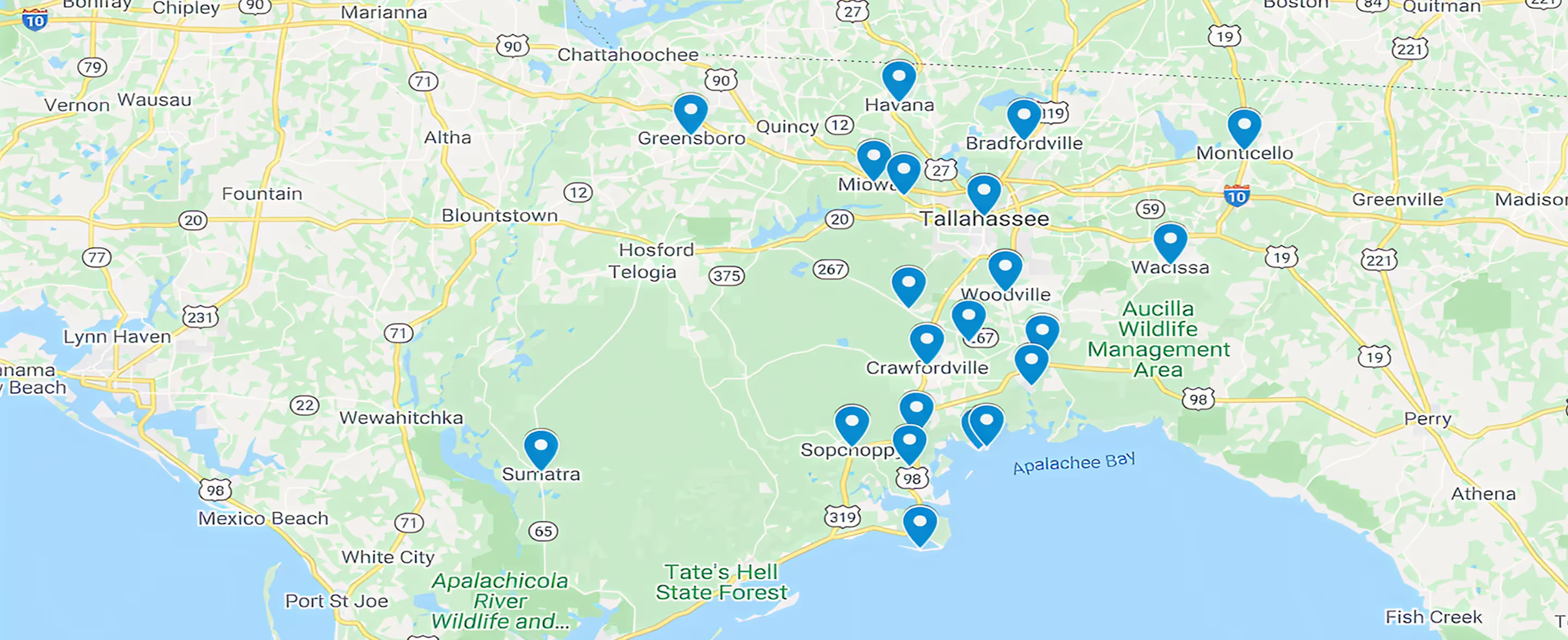
Service Areas