HVAC Maintenance in Greensboro, FL
HVAC Repair in Lake Stevens, WA: Restoring Your Home's Comfort
When your heating or cooling system falters in Lake Stevens, WA, it's more than just an inconvenience; it impacts your home's comfort and potentially your indoor air quality. A malfunctioning HVAC system can lead to uncomfortable temperatures, rising energy bills, and even safety concerns. Prompt, reliable repair is essential to quickly restore function and ensure your home remains a comfortable sanctuary, no matter the season outside.
Addressing HVAC issues swiftly with professional service helps prevent minor problems from escalating into costly breakdowns. Whether your air conditioner isn't cooling on a hot summer day or your furnace fails during a cold winter night, having experienced technicians available to diagnose and resolve the issue efficiently is crucial for maintaining your peace of mind and comfort.
HVAC Maintenance in Greensboro, FL
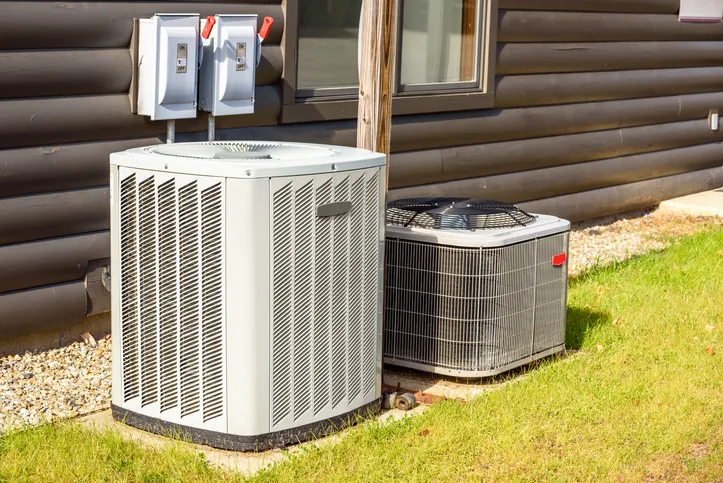
Keeping your HVAC system running reliably in Greensboro, FL means planning for year-round cooling demands, high humidity, and seasonal pollen loads. Routine HVAC maintenance in Greensboro, FL protects comfort, reduces unexpected breakdowns during hot months, and keeps energy use efficient. This page explains what professional maintenance programs include, common local issues, recommended frequencies, how maintenance extends equipment life and performance, what a typical service visit covers, and how enrollment in a maintenance agreement generally works.
Why preventative HVAC maintenance matters in Greensboro, FL
Greensboro experiences long, warm seasons with high humidity and heavy pollen in spring. Air conditioners and heat pumps run more hours than in many northern climates, which increases wear on compressors, motors, and controls. Preventative maintenance:
- Preserves cooling capacity and indoor comfort during peak heat
- Maintains energy efficiency so systems use less electricity
- Reduces the likelihood of emergency failures on the hottest days
- Improves indoor air quality by addressing clogged filters and dirty coils
- Helps meet manufacturer warranty requirements that often require routine service
Because humidity accelerates coil fouling and fosters condensate drain clogs or biological growth, Greensboro homes benefit from more diligent seasonal care than cooler, drier areas.
Common HVAC issues in Greensboro homes
Understanding local failure patterns helps prioritize maintenance tasks. Typical issues include:
- Frequent filter clogging from pollen and airborne particulates
- Reduced airflow from dirty evaporator coils or duct restrictions
- Refrigerant leaks or low charge causing long run times and poor cooling
- Condensate drain blockages and bacterial growth in high-humidity conditions
- Electrical component wear or corrosion from humid air and occasional storms
- Compressor or capacitor failures from continuous heavy cooling loads
- Duct leaks or insulation gaps that decrease system efficiency
Addressing these problems early through seasonal tune-ups avoids higher repair costs and uncomfortable outages.
What a seasonal tune-up includes
Professional routine maintenance programs for Greensboro systems typically include the following seasonal tasks. These are performed during spring (pre-cooling season) and often in fall or late winter depending on system type and usage.
- Filter inspection and replacement: Change or clean filters; recommend frequency based on filter type, pets, or allergy concerns.
- Coil cleaning (evaporator and condenser): Remove debris and buildup to restore heat transfer efficiency.
- Refrigerant check: Measure pressures, check for leaks, and confirm proper charge to prevent compressor strain.
- Electrical inspection: Tighten connections, test capacitors, contactors, relays, and safety switches.
- Blower and motor service: Clean blower assembly, measure airflow, lubricate bearings if applicable, and check motor amperage.
- Condensate system maintenance: Clear drain lines, inspect pan, and treat for biological growth when needed.
- Thermostat calibration and control checks: Verify correct setpoints and communication with system components.
- Duct inspection and basic sealing: Identify obvious leaks, insulation gaps, and airflow imbalances.
- System performance report: Document baseline readings, efficiency indicators, and recommended repairs or upgrades.
Technicians tailor these tasks to system type—split systems, heat pumps, packaged units, or legacy equipment—and to the specific conditions in your home.
Diagnostic steps technicians follow
A thorough maintenance visit includes diagnostics that identify early-stage problems before they become failures:
- Visual and operational inspection of indoor and outdoor units
- Measure supply and return temperatures to estimate efficiency and airflow
- Electrical testing: voltage, current draw, and component functionality
- Refrigerant pressure and temperature checks to assess charge and compressor health
- Airflow measurement and static pressure checks when indicated
- Combustion and safety tests on gas furnaces or any combustion equipment (less common in many Florida homes)
- Photographic documentation of issues and baseline meter readings for future comparison
This documented approach gives a clear history of system health and aids in warranty compliance.
How maintenance extends equipment life and improves efficiency
Routine maintenance reduces mechanical stress and restores designed operating conditions:
- Clean coils and properly charged refrigerant let systems cool faster and run shorter cycles
- Tight electrical connections and healthy capacitors reduce motor strain and premature failure
- Proper airflow prevents freeze-ups, overheating, and undue compressor cycling
- Regular filter changes reduce particle buildup that can insulate coils and reduce heat transfer
- Early detection of small issues (like worn belts or minor leaks) prevents large, costly failures later
Consistent care can extend useful equipment life, preserve capacity, and avoid the performance decline that comes from deferred maintenance.
Recommended maintenance frequency and filter guidance
- Biannual comprehensive tune-ups: Typically recommended for most Greensboro homes—one visit before the heavy cooling season (spring) and one in the cooler months or as a midyear check depending on system usage.
- Filter replacement: Inspect monthly. Replace or clean as needed—every 1 to 3 months is common for standard filters; higher-efficiency filters or homes with pets or allergies may require more frequent changes.
- High-use or older systems: Quarterly checks can be appropriate for systems with high run times, commercial units, or equipment over 10 years old.
- After storms or power events: Have electrical controls and outdoor units inspected following significant storms to check for surge or moisture-related damage.
What maintenance agreements typically include
Maintenance agreements available in the region are structured to provide predictable care and protect system value. Typical features of these agreements include:
- Scheduled seasonal tune-ups with documented service reports
- Priority scheduling for members during peak seasons
- Regular reminders and a maintenance history log for warranty records
- Diagnostic labor included or discounted rates on repairs for covered items
- Optional add-ons such as indoor air quality checks, duct sealing, or filter delivery plans
Enrollment options are usually tiered by coverage level and system type so homeowners can match protection to needs without surprises.
How enrollment and scheduling generally work
Enrollment in a professional maintenance program usually follows a few straightforward steps without any immediate obligation: choose the plan level that fits your system and usage pattern, provide basic system details (age, type, filter type), and set an initial inspection or baseline tune-up appointment. After the first visit, the provider typically places your system on a seasonal schedule, documents baseline readings, and issues reminders for upcoming maintenance visits. Members receive a service record that can be useful for resale value and warranty compliance.
Final considerations for Greensboro homeowners
Routine HVAC maintenance in Greensboro, FL is a practical investment for comfort, efficiency, and reliability. Given the local climate—long cooling seasons, high humidity, and pollen—consistent seasonal tune-ups, vigilant filter management, and a documented maintenance program make it far more likely your system will perform well during the hottest periods and provide trouble-free operation for years. Regular maintenance helps protect system capacity, lower operating costs, and maintain healthier indoor air quality for your home.
hear what our satisfied clients have to say
.avif)

I have nothing but great things to say about this company! From the initial call to trouble shoot our old system to the installation of the new system. Maya was awesome and patient with us and the bank. Stratton, Wilton, and Austin did the removal and install of the systems and they were professional and proficient. I will be recommending this company to everyone and anyone! Thank you for making this less stressful then it needed to be. I'm very grateful for the help and comfort they have given me and my family.
We’ve had issues with our a/c unit freezing up off and on for a month or so. Aden from Keith Key came out and checked our system out. He fixed an issue with the bypass valve and also tuned our fan. Additionally we also replaced our thermostats with new T10’s. He took his time and helped me connect all of them to the WiFi and the app.Aden is very friendly and knowledgeable. I haven’t had an issue with my system since. He was also willing to accept the assistance of our overly helpful shih tzu. Call Keith Key and Aden for any issues with hvac systems, they can get it fixed!
Tryston was amazing! So knowledgeable, pleasant and respectful. Keith Key H/A will forever have my family's business
We had a tenant with no heat during the recent 29 degree weather. I called Keith Key Heating and Air before office hours and left my infomation with their answering service. I got a call back from the office promptly at 8:00 a.m. They were able to schedule us for service the same day. The technician arrived at noon, diagnosed the issue and made the repair. The price was quite reasonable. Everyone that we dealt with was friendly, professional and knowledgeable. I would highly recommend them and will be using them again in the future. Thanks Keith Key Heating & Air!!
Heat wasn't working after the sleet storm and being without power for 18 hours. Keith Key sent Trystan the same day as my call. He did a great job (very personable) and got it repaired in no time. Many thanks!
Keith Key HVAC is wonderful! They service our HVAC and just helped me with a super stressful heating issue while I was out of state. They are very organized and professional, and take extra time to explain and follow up. I just love them!
We've called on Keith Key Heating and Air twice for help. Both times, they responded quickly, and were able to make repairs quickly. The techs we've dealt with have been friendly, reliable, professional and knowledgeable. And they don't dig in your pocket like some have been known to do. I honestly don't know what more we could ask for. A solid 10 of 10, and we highly recommend.
Had to replace my AC and Heating unit. Keith Key Heating and Air was very helpful in finding the right unit money wise for me. The young men they sent was courteous and knowledgeable. They made sure everything was up to my standards before they left. If you have trouble I would highly recommend them to you.
Keith Key regularly services both our personal home and one of our rental properties! They are good about communicating to us about the condition of the units at the rental property which is such a relief! We have had to call them for 2 emergencies and both times the techs appeared happy to be there helping us despite being on the weekend! 10/10 recommend.
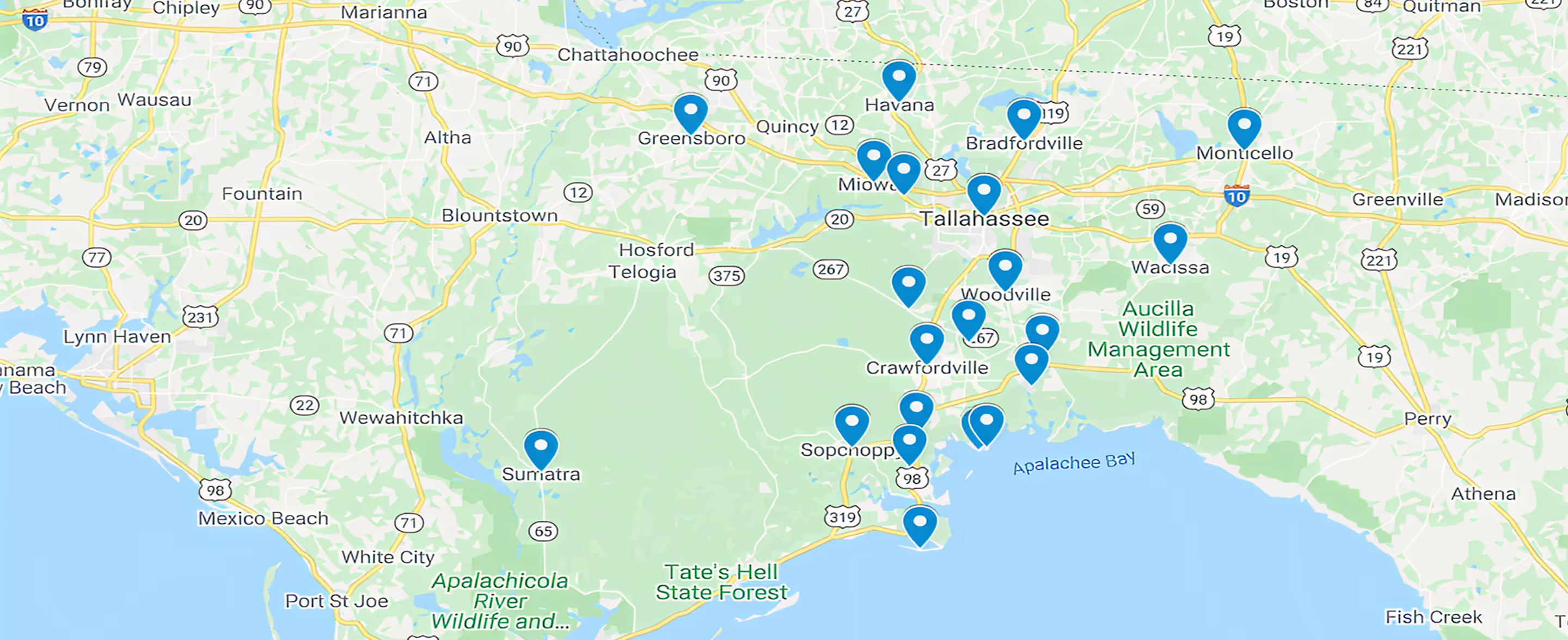
Service Areas