HVAC Tune-up in Alligator Point, FL
HVAC Repair in Lake Stevens, WA: Restoring Your Home's Comfort
When your heating or cooling system falters in Lake Stevens, WA, it's more than just an inconvenience; it impacts your home's comfort and potentially your indoor air quality. A malfunctioning HVAC system can lead to uncomfortable temperatures, rising energy bills, and even safety concerns. Prompt, reliable repair is essential to quickly restore function and ensure your home remains a comfortable sanctuary, no matter the season outside.
Addressing HVAC issues swiftly with professional service helps prevent minor problems from escalating into costly breakdowns. Whether your air conditioner isn't cooling on a hot summer day or your furnace fails during a cold winter night, having experienced technicians available to diagnose and resolve the issue efficiently is crucial for maintaining your peace of mind and comfort.
-min.jpeg)
HVAC Tune-up in Alligator Point, FL
A regular HVAC tune-up is one of the most effective ways to keep your home comfortable and your cooling system reliable in Alligator Point, FL. Coastal humidity, salt air, frequent storms, and almost year-round cooling demand create conditions that accelerate wear, invite clogged drains and corrosion, and increase the risk of breakdowns during heat waves. A professional tune-up targets those local stressors and restores system performance so your home stays comfortable and efficient when you need it most.
Why a tune-up matters for Alligator Point homes
Alligator Point homes face specific challenges:
- High humidity and warm temperatures increase run time and strain on air conditioners.
- Salt spray and coastal corrosion shorten the life of outdoor components and electrical connections.
- Algae and biofilm growth in condensate lines are common, leading to backups and indoor water damage.
- Seasonal storms and power fluctuations can loosen connections and damage safety controls.
A tune-up addresses these issues before they cause failure, improves indoor air quality, and helps avoid costly emergency repairs during peak cooling season.
What a comprehensive HVAC tune-up includes
A professional tune-up follows a consistent checklist to evaluate, clean, and adjust your system for safe, reliable operation. Core tasks typically include:
- Inspect and clean evaporator and condenser coils to restore heat transfer and reduce compressor strain.
- Clear and disinfect condensate drains and drain pans to prevent clogs, overflow, and mold or algae growth.
- Check refrigerant levels and inspect for leaks to ensure proper pressures and prevent coil freezing or compressor damage.
- Test and tighten electrical connections and measure component amperage to identify failing motors or unsafe wiring.
- Test safety controls and switches, including high-pressure and float switches, to ensure reliable shutdowns when needed.
- Lubricate moving parts such as fan and motor bearings to reduce friction and wear.
- Calibrate thermostats and verify control accuracy so the system runs on schedule and maintains set temperatures.
- Inspect air filters, replace as needed, and assess airflow to maintain circulation and efficiency.
- Check ductwork basics and register balance for obvious leaks or blockages that reduce system effectiveness.
- Perform a system performance check including static pressures, temperature split across the coil, and a final run test to confirm stable operation.
Diagnostic steps and what we look for
A tune-up is both preventive maintenance and a diagnostic review. Technicians will:
- Use gauges and meters to measure refrigerant pressures and electrical draw.
- Visually inspect condenser coils and fins for corrosion or salt buildup and gently clean as required.
- Run the system long enough to check temperature differentials and cycling behavior.
- Examine outdoor unit mounting and clear vegetation or debris that restricts airflow.
- Inspect drain lines with a camera or flush them to confirm they are clear.
- Evaluate the thermostat program and sensors for accurate temperature reading and placement.
These diagnostics help pinpoint minor issues that, if left alone, could become major failures—like low refrigerant from a slow leak or a failing capacitor that will soon prevent the compressor from starting.
Typical tune-up schedule for coastal Florida
Given Alligator Point conditions, tune-up frequency should reflect heavy cooling use and environmental exposure:
- Recommended: Twice yearly tune-ups, once in early spring before the cooling season and once in late fall. This schedule helps prepare the system for peak use and addresses strain from summer months.
- Minimum: Annual tune-up for properties with newer systems or lower run-time, though more frequent checks are wise for older equipment, homes near the shoreline, or systems that show early signs of trouble.
Seasonal timing notes:
- Spring tune-up (March to April) ensures efficient cooling and catches refrigerant or airflow issues before heat waves.
- Fall tune-up (October to November) addresses moisture-related problems, checks for storm damage, and prepares systems for moderate winter use or setback modes.
Expected performance and reliability improvements
A full tune-up delivers measurable, practical benefits for homeowners in Alligator Point:
- Improved cooling performance with more consistent indoor temperatures and quicker recovery after doors open or heavy use.
- Better energy efficiency because clean coils, correct refrigerant charge, and reduced friction mean the system uses less electricity to do the same job.
- Fewer emergency repairs by identifying worn components and addressing small problems before failure.
- Longer equipment life as lubrication, tightened connections, and clean components reduce stress on major parts like compressors and motors.
- Reduced risk of water damage and mold from cleared and disinfected condensate drains.
- Safer operation through tested safety controls and properly functioning electrical components.
Common local problems a tune-up prevents or fixes
- Algae-clogged condensate lines causing pan overflows and indoor leaks.
- Salt-related corrosion of outdoor unit coils and terminals leading to refrigerant leaks or electrical failures.
- Reduced cooling capacity and higher utility bills due to dirty coils and restricted airflow.
- Compressor burnout after prolonged operation with low refrigerant or restricted condenser airflow.
- Short cycling caused by thermostat miscalibration, dirty evaporator coils, or failing capacitors.
After the tune-up: report and recommendations
A professional tune-up should end with a clear summary of findings and recommended next steps. Typical items included in the report:
- Checklist of tasks completed and readings taken (pressures, temperature split, amperage).
- Identified issues and urgency level (repair now, monitor, or normal wear).
- Suggested upgrades or parts that can improve reliability or efficiency, such as new filters, surge protection, or a programmable thermostat.
- Maintenance tips for homeowners in Alligator Point to minimize wear between tune-ups, like keeping the outdoor unit clear of sand and vegetation and scheduling drain line checks after heavy rain or storms.
Maintenance tips specific to Alligator Point
- Keep the area around the outdoor unit free of salt-accumulating debris and rinse occasional salt buildup with fresh water.
- Check condensate drains after heavy summer rains to ensure they remain clear.
- Replace filters more frequently during high pollen or hurricane seasons to maintain airflow.
- Consider a corrosion-resistant coating or sacrificial anode for highly exposed outdoor units.
Regular HVAC tune-ups tailored for Alligator Point conditions protect comfort, reduce unexpected downtime, and preserve the long-term value of your cooling system. When maintenance is performed routinely and correctly, you reduce energy waste, lower repair risk, and extend the useful life of critical equipment in your home.
hear what our satisfied clients have to say
.avif)

I have nothing but great things to say about this company! From the initial call to trouble shoot our old system to the installation of the new system. Maya was awesome and patient with us and the bank. Stratton, Wilton, and Austin did the removal and install of the systems and they were professional and proficient. I will be recommending this company to everyone and anyone! Thank you for making this less stressful then it needed to be. I'm very grateful for the help and comfort they have given me and my family.
We’ve had issues with our a/c unit freezing up off and on for a month or so. Aden from Keith Key came out and checked our system out. He fixed an issue with the bypass valve and also tuned our fan. Additionally we also replaced our thermostats with new T10’s. He took his time and helped me connect all of them to the WiFi and the app.Aden is very friendly and knowledgeable. I haven’t had an issue with my system since. He was also willing to accept the assistance of our overly helpful shih tzu. Call Keith Key and Aden for any issues with hvac systems, they can get it fixed!
Tryston was amazing! So knowledgeable, pleasant and respectful. Keith Key H/A will forever have my family's business
We had a tenant with no heat during the recent 29 degree weather. I called Keith Key Heating and Air before office hours and left my infomation with their answering service. I got a call back from the office promptly at 8:00 a.m. They were able to schedule us for service the same day. The technician arrived at noon, diagnosed the issue and made the repair. The price was quite reasonable. Everyone that we dealt with was friendly, professional and knowledgeable. I would highly recommend them and will be using them again in the future. Thanks Keith Key Heating & Air!!
Heat wasn't working after the sleet storm and being without power for 18 hours. Keith Key sent Trystan the same day as my call. He did a great job (very personable) and got it repaired in no time. Many thanks!
Keith Key HVAC is wonderful! They service our HVAC and just helped me with a super stressful heating issue while I was out of state. They are very organized and professional, and take extra time to explain and follow up. I just love them!
We've called on Keith Key Heating and Air twice for help. Both times, they responded quickly, and were able to make repairs quickly. The techs we've dealt with have been friendly, reliable, professional and knowledgeable. And they don't dig in your pocket like some have been known to do. I honestly don't know what more we could ask for. A solid 10 of 10, and we highly recommend.
Had to replace my AC and Heating unit. Keith Key Heating and Air was very helpful in finding the right unit money wise for me. The young men they sent was courteous and knowledgeable. They made sure everything was up to my standards before they left. If you have trouble I would highly recommend them to you.
Keith Key regularly services both our personal home and one of our rental properties! They are good about communicating to us about the condition of the units at the rental property which is such a relief! We have had to call them for 2 emergencies and both times the techs appeared happy to be there helping us despite being on the weekend! 10/10 recommend.
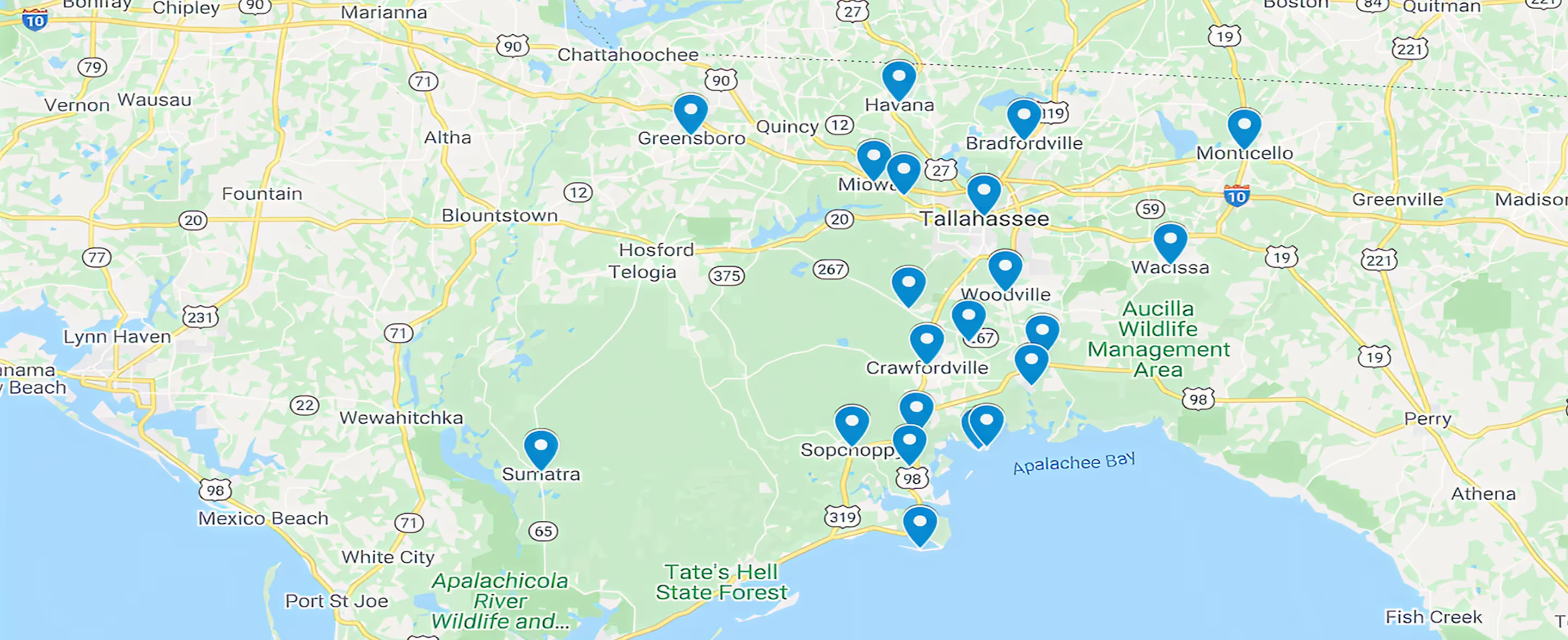
Service Areas