Heating Repair in Tallahassee, FL
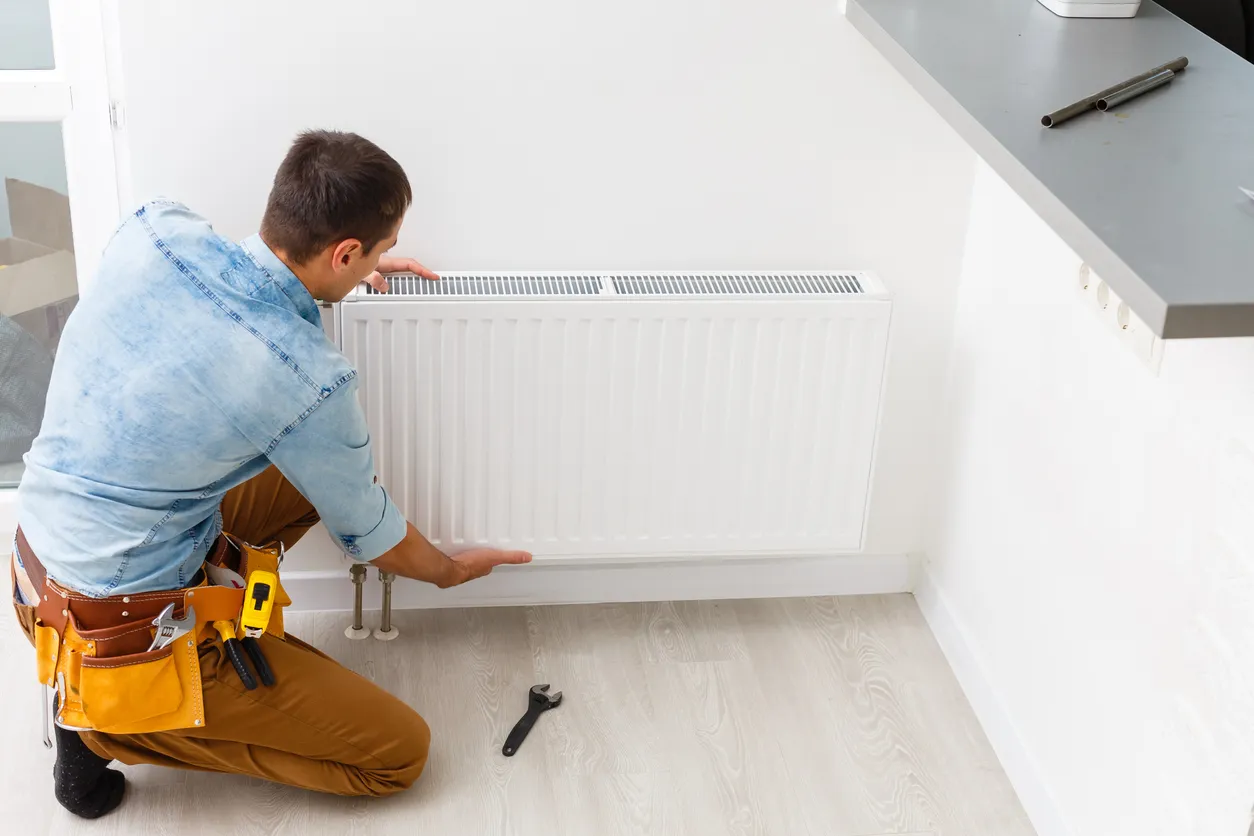
Heating repair in Tallahassee, FL focuses on restoring comfort for heat pumps and furnaces through fast diagnostics, transparent pricing, and practical repair plans. It covers common local issues, step-by-step diagnostic procedures, typical repair tasks, and parts and labor considerations. Homeowners learn about emergency scheduling, warranty expectations, and factors for deciding between repair and replacement, along with maintenance tips to prevent breakdowns and extend system life in the area’s humid, variable winters.
Heating Repair in Tallahassee, FL
When your home’s heating system falters in Tallahassee, FL, you need fast, reliable heating repair that gets your house comfortable again without surprises. Whether you have a heat pump, a gas or electric furnace, or a hybrid system, professional diagnostic procedures and clear repair plans are key. This page explains what to expect from heating repair in Tallahassee, common local issues, typical repair steps, parts and labor considerations, emergency response and scheduling, warranty practices, and practical tips to avoid future breakdowns.
Why prompt heating repair matters in Tallahassee homes
Tallahassee has mild winters but humidity, pollen, and occasional cold snaps that stress heating systems. Heat pumps are common here because they are efficient year-round, but they can suffer from issues unique to our climate, such as frequent defrost cycles, refrigerant loss, or corrosion from storm-driven moisture. Delaying repair increases energy bills, reduces comfort, and can lead to more expensive component failures. Fast, accurate diagnosis preserves system life and improves safety.
Common heating systems and typical faults
- Heat pumps (most common in Tallahassee)
- Short cycling or frequent on/off cycles
- Inadequate heating output or warm air that is cool to the touch
- Frozen outdoor coils or stuck defrost controls
- Refrigerant leaks and low refrigerant charge
- Compressor, reversing valve, or capacitor failures
- Gas furnaces
- Ignition problems or intermittent pilot issues
- Cracked heat exchanger (safety concern)
- Clogged burners or flame sensor issues
- Blower motor failure or poor airflow due to dirty filters
- Electric furnaces
- Burned out heating elements or blown fuses
- Failed contactors or control board faults
- Uneven heating or high electric draw
Diagnostic procedures you can expect
Professional heating repair starts with a methodical diagnostic process to identify root causes without replacing parts unnecessarily. Typical steps include:
- System history review and homeowner interview about symptoms and timing.
- Visual inspection of indoor and outdoor units for corrosion, leaks, wiring issues, and airflow obstructions.
- Thermostat and control checks to confirm proper settings and signal continuity.
- Electrical testing with a multimeter to check capacitors, relays, contactors, fuses, and motor circuits.
- Refrigerant and pressure testing for heat pumps to detect leaks and verify charge.
- Airflow measurements and filter inspection to rule out duct or blower problems.
- Heat exchanger and combustion analysis on gas furnaces when safety concerns are present.
A clear written diagnosis outlines findings, recommended repairs or replacement options, expected parts and labor, and any safety concerns.
Typical repair steps and what they involve
- Safety shutdown and isolation of the system to prevent damage during work.
- Replacement of failed components such as capacitors, contactors, blower motors, thermostats, heating elements, or control boards.
- Refrigerant leak repair: locate, repair or replace damaged lines, recover and recharge refrigerant per regulations.
- Compressor or heat exchanger replacement if required; note that some failures require full system replacement for safety or efficiency reasons.
- Cleaning and recalibration: coil cleaning, condensate drain clearing, burner cleaning, and airflow balancing.
- Final system test and performance verification after repairs, including temperature differential checks and safety control testing.
Parts, labor, and transparent pricing
- Parts: Common parts include capacitors, contactors, compressors, blower motors, thermostats, heating elements, control boards, and filters. In coastal or humid areas like Tallahassee, corrosion-resistant components are sometimes recommended.
- Labor: Labor estimates reflect complexity, diagnostic time, and safety measures. Jobs requiring refrigerant recovery, brazing, or access to rooftop units will have higher labor needs.
- Transparent pricing practices: Expect a written estimate breaking out parts, labor, and any diagnostic or trip fees. Estimates should explain optional repairs versus safety-critical work and list warranty information for each part and for labor. Clear authorization steps should be specified before any work begins.
Emergency response and scheduling
Heating failures can be urgent, especially during cold snaps. Emergency response typically includes:
- Same-day or next-day appointment windows for urgent issues.
- After-hours or weekend options for true emergencies, with clear arrival windows.
- Technicians arriving with common replacement parts for heat pumps and furnaces to reduce return visits.
- A commitment to leave systems safe if a full repair cannot be completed immediately, with documented next steps.
Expect scheduling transparency: an arrival window, technician credentials, and a written diagnosis after on-site inspection.
Warranty and guarantee expectations
Reliable heating repair services provide warranties to protect your investment:
- Parts warranties: Manufacturer-backed warranties on individual parts, typically varying by component type.
- Labor warranties: A written labor guarantee covering workmanship for a specified period after repair.
- Limited system guarantees: For more extensive repairs or replacements, some services offer limited guarantees on parts and labor together.Ask for warranty details in writing as part of the estimate so you know what is covered, the duration, and any maintenance requirements needed to keep the warranty valid.
Tips to avoid future breakdowns in Tallahassee
- Schedule biannual maintenance: A spring inspection for cooling and a fall inspection for heating prolong system life and catch small problems before they grow.
- Change or clean filters regularly: In Tallahassee, pollen and humidity can clog filters quickly. Check filters every 1 to 3 months and replace as needed.
- Keep outdoor units clear: Remove debris, leaves, and vegetation to maintain airflow and reduce corrosion risk after storms.
- Maintain proper thermostat settings: Avoid sudden, extreme temperature changes that force systems to work harder.
- Ensure good airflow at vents and registers: Keep furniture and curtains from blocking supply and return vents.
- Monitor unusual sounds, odors, or frequent cycling: Early reporting of odd symptoms helps technicians diagnose issues before they cause major damage.
- Consider upgrading older systems: Older heat pumps and furnaces lose efficiency and can develop repeated failures. Modern, properly sized systems improve comfort and energy use.
Final notes on decision factors
When choosing heating repair in Tallahassee, FL, prioritize teams that offer clear diagnostics, transparent estimates, documented warranties, and technicians experienced with heat pumps and humid-climate challenges. Timely repair preserves comfort, reduces energy costs, and prevents safety risks. Understanding the diagnostic process, typical repair steps, and maintenance needs helps you make informed decisions about repair versus replacement for your home.
hear what our satisfied clients have to say
.avif)

I have nothing but great things to say about this company! From the initial call to trouble shoot our old system to the installation of the new system. Maya was awesome and patient with us and the bank. Stratton, Wilton, and Austin did the removal and install of the systems and they were professional and proficient. I will be recommending this company to everyone and anyone! Thank you for making this less stressful then it needed to be. I'm very grateful for the help and comfort they have given me and my family.
We’ve had issues with our a/c unit freezing up off and on for a month or so. Aden from Keith Key came out and checked our system out. He fixed an issue with the bypass valve and also tuned our fan. Additionally we also replaced our thermostats with new T10’s. He took his time and helped me connect all of them to the WiFi and the app.Aden is very friendly and knowledgeable. I haven’t had an issue with my system since. He was also willing to accept the assistance of our overly helpful shih tzu. Call Keith Key and Aden for any issues with hvac systems, they can get it fixed!
Tryston was amazing! So knowledgeable, pleasant and respectful. Keith Key H/A will forever have my family's business
We had a tenant with no heat during the recent 29 degree weather. I called Keith Key Heating and Air before office hours and left my infomation with their answering service. I got a call back from the office promptly at 8:00 a.m. They were able to schedule us for service the same day. The technician arrived at noon, diagnosed the issue and made the repair. The price was quite reasonable. Everyone that we dealt with was friendly, professional and knowledgeable. I would highly recommend them and will be using them again in the future. Thanks Keith Key Heating & Air!!
Heat wasn't working after the sleet storm and being without power for 18 hours. Keith Key sent Trystan the same day as my call. He did a great job (very personable) and got it repaired in no time. Many thanks!
Keith Key HVAC is wonderful! They service our HVAC and just helped me with a super stressful heating issue while I was out of state. They are very organized and professional, and take extra time to explain and follow up. I just love them!
We've called on Keith Key Heating and Air twice for help. Both times, they responded quickly, and were able to make repairs quickly. The techs we've dealt with have been friendly, reliable, professional and knowledgeable. And they don't dig in your pocket like some have been known to do. I honestly don't know what more we could ask for. A solid 10 of 10, and we highly recommend.
Had to replace my AC and Heating unit. Keith Key Heating and Air was very helpful in finding the right unit money wise for me. The young men they sent was courteous and knowledgeable. They made sure everything was up to my standards before they left. If you have trouble I would highly recommend them to you.
Keith Key regularly services both our personal home and one of our rental properties! They are good about communicating to us about the condition of the units at the rental property which is such a relief! We have had to call them for 2 emergencies and both times the techs appeared happy to be there helping us despite being on the weekend! 10/10 recommend.
Service Areas