Heating Installation in Tallahassee, FL
Heating Installation in Tallahassee, FL outlines the professional process for selecting the right climate-appropriate system, ensuring code-compliant permits, precise load calculations, and rigorous commissioning. The guide covers residential and light commercial options, from air-source heat pumps and ductless mini-splits to gas furnaces and hybrid systems, with emphasis on energy efficiency and even comfort. It explains site assessments, equipment selection, ductwork planning, and safe installation, followed by post-installation testing and maintenance guidance to maximize long-term reliability and performance.
.webp)
Heating Installation in Tallahassee, FL
A properly sized and professionally installed heating system keeps your Tallahassee home comfortable during cool winters and protects indoor systems during sudden cold snaps. Heating Installation in Tallahassee, FL focuses on selecting the right technology for the local climate, meeting Florida Building Code requirements, and delivering predictable performance and efficiency for both residential and light commercial properties. This page explains the process, common options, code and permit considerations, and what you can expect on installation day.
Why heating matters in Tallahassee homes
Tallahassee experiences mild winters with occasional cold fronts and overnight freezes. That climate makes heat pumps and ductless systems popular because they are energy efficient for moderate heating loads and provide year-round comfort when paired with air conditioning. Proper installation is essential to avoid uneven rooms, high operating costs, or premature equipment failure. Good design also improves indoor air quality and humidity control, which matters here because high humidity is common even in cooler months.
Common heating needs and issues in Tallahassee, FL
- Uneven heating or cold spots in older homes with leaky ducts
- Inefficient cycling and higher-than-expected energy use during cold snaps
- Space-constrained rooms where ductwork installation is impractical
- Light commercial spaces needing rooftop or packaged systems sized for variable occupancy
- Systems without proper controls, causing poor humidity or comfort balance
Understanding these local patterns helps guide system choice and installation method.
Recommended system types for residential and light commercial properties
Residential
- Air-source heat pumps: Best overall choice for Tallahassee. Efficient for both heating and cooling and increasingly effective in milder winter climates. Look for units with high HSPF ratings and variable-speed compressors for comfort.
- Ductless mini-split systems: Ideal for additions, older homes with no existing ductwork, or rooms with unique comfort needs. They offer zoned control and high efficiency.
- Gas furnaces: Viable where natural gas is available and for homes needing robust heating during occasional extreme cold. Require proper venting and clearances.
- Hybrid or dual-fuel systems: Combine a heat pump with a gas furnace to optimize efficiency during shoulder seasons and capacity during the coldest days.
Light commercial
- Packaged rooftop units (RTUs): Common for small commercial buildings. Provide combined heating and cooling with rooftop placement for easy service.
- Split commercial heat pumps and rooftop heat pump units: Effective for spaces with specific zoning requirements.
- Dedicated make-up air and service ventilation: Important when kitchens or process loads require conditioned ventilation.
The heating installation process: what the professional approach includes
- Consultation and site assessment
- Review your comfort goals, building envelope, ductwork condition, fuel availability, and budget.
- Inspect attic, crawl spaces, and mechanical rooms to note constraints and opportunities.
- Load calculations and equipment selection
- Perform a Manual J load calculation to determine precise heating and cooling loads.
- Use Manual D for duct design where ducts are part of the solution, and Manual S for equipment selection. Accurate sizing avoids short cycling, excess wear, and comfort problems that come from undersized or oversized equipment.
- System recommendation and planning
- Select the system type and efficiency level suited to the Tallahassee climate and your property.
- Plan duct modifications, line sets, condensate handling, and drainage. For outdoor equipment, plan for secure mounting and elevation for storm resilience.
- Permits, code compliance, and inspections
- Prepare and submit permit documentation in accordance with the Florida Building Code and local Tallahassee regulations.
- Coordinate required inspections for gas connections, electrical work, mechanical systems, and final system approvals.
- Professional installation steps
- Remove old equipment safely and dispose of refrigerant and components according to regulations.
- Install indoor and outdoor units, mount or modify ductwork, and complete electrical and gas connections.
- Seal and insulate ducts, verify venting clearances, and install controls and thermostats.
Post-installation testing and commissioning
Commissioning confirms the system performs to design. Typical checks include:
- Verifying correct refrigerant charge and measuring superheat and subcooling where applicable
- Measuring airflow and static pressure against design targets
- Calibrating thermostats and control sequences for proper staging and setbacks
- Checking gas pressures, combustion efficiency, and venting safety on fossil fuel systems
- Testing safety controls such as high and low pressure switches, limit switches, and condensate overflow protection
- Running performance tests to confirm even temperature distribution and acceptable humidity levels
A completed commissioning report documents settings, measured values, and owner operating instructions.
What customers can expect on installation day
- A scheduled arrival window with a professional crew prepared to work safely and efficiently
- Protective measures inside the home such as floor protection and dust control procedures
- Clear removal of old equipment and placement of new components with minimal disruption
- Work typically takes several hours for a simple replacement and up to a day or more for full system changes or ductwork modifications
- Safety checks, cleanup of the work area, and a walkthrough explaining how to operate the new system, warranty basics, and maintenance needs
How correct installation prevents common problems
Proper design and professional installation address frequent issues like short cycling, inadequate airflow, and poor humidity control. Correct refrigerant charge and airflow balance protect the compressor and extend equipment life. Duct sealing and insulation prevent energy loss and improve comfort. Code-compliant gas and electrical work reduces safety risks and ensures reliable operation.
Long-term benefits and maintenance advice
- Improved comfort and more consistent temperatures across rooms
- Lower operating costs when systems are sized and commissioned correctly
- Extended equipment life and preserved manufacturer warranty through proper installation and documentation
- Recommended routine maintenance: annual tune-ups for heat pumps and furnaces, periodic filter changes, duct inspections every few years, and prompt attention to error codes or unusual noises
Heating Installation in Tallahassee, FL combines climate-appropriate system selection with precise load calculations, code-compliant permitting, and rigorous commissioning to deliver reliable comfort. Thoughtful planning, professional installation steps, and proper post-install testing are the key factors that determine a system that performs efficiently and reliably for years.
hear what our satisfied clients have to say
.avif)

I have nothing but great things to say about this company! From the initial call to trouble shoot our old system to the installation of the new system. Maya was awesome and patient with us and the bank. Stratton, Wilton, and Austin did the removal and install of the systems and they were professional and proficient. I will be recommending this company to everyone and anyone! Thank you for making this less stressful then it needed to be. I'm very grateful for the help and comfort they have given me and my family.
We’ve had issues with our a/c unit freezing up off and on for a month or so. Aden from Keith Key came out and checked our system out. He fixed an issue with the bypass valve and also tuned our fan. Additionally we also replaced our thermostats with new T10’s. He took his time and helped me connect all of them to the WiFi and the app.Aden is very friendly and knowledgeable. I haven’t had an issue with my system since. He was also willing to accept the assistance of our overly helpful shih tzu. Call Keith Key and Aden for any issues with hvac systems, they can get it fixed!
Tryston was amazing! So knowledgeable, pleasant and respectful. Keith Key H/A will forever have my family's business
We had a tenant with no heat during the recent 29 degree weather. I called Keith Key Heating and Air before office hours and left my infomation with their answering service. I got a call back from the office promptly at 8:00 a.m. They were able to schedule us for service the same day. The technician arrived at noon, diagnosed the issue and made the repair. The price was quite reasonable. Everyone that we dealt with was friendly, professional and knowledgeable. I would highly recommend them and will be using them again in the future. Thanks Keith Key Heating & Air!!
Heat wasn't working after the sleet storm and being without power for 18 hours. Keith Key sent Trystan the same day as my call. He did a great job (very personable) and got it repaired in no time. Many thanks!
Keith Key HVAC is wonderful! They service our HVAC and just helped me with a super stressful heating issue while I was out of state. They are very organized and professional, and take extra time to explain and follow up. I just love them!
We've called on Keith Key Heating and Air twice for help. Both times, they responded quickly, and were able to make repairs quickly. The techs we've dealt with have been friendly, reliable, professional and knowledgeable. And they don't dig in your pocket like some have been known to do. I honestly don't know what more we could ask for. A solid 10 of 10, and we highly recommend.
Had to replace my AC and Heating unit. Keith Key Heating and Air was very helpful in finding the right unit money wise for me. The young men they sent was courteous and knowledgeable. They made sure everything was up to my standards before they left. If you have trouble I would highly recommend them to you.
Keith Key regularly services both our personal home and one of our rental properties! They are good about communicating to us about the condition of the units at the rental property which is such a relief! We have had to call them for 2 emergencies and both times the techs appeared happy to be there helping us despite being on the weekend! 10/10 recommend.
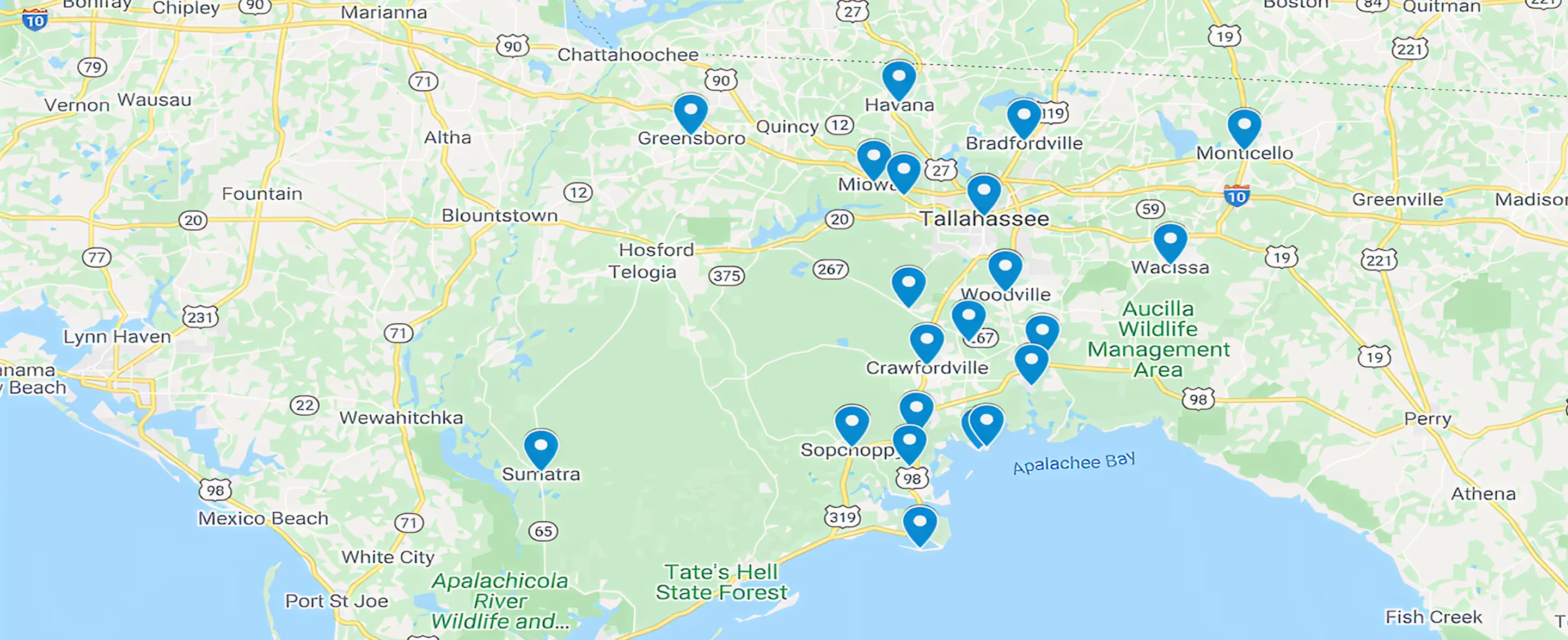
Service Areas