Mini-split Replacement in Woodville, FL
Woodville, FL homeowners facing humid summers benefit from timely mini-split replacement as a long-term efficiency and comfort solution. The page explains when replacement is preferred over repair, outlines a step-by-step installation process from system evaluation to commissioning, and shares typical timelines and potential disruptions. It also covers warranty coverage, post-installation support, financing options, and incentives, plus maintenance tips to maximize energy savings and indoor air quality over the life of a new inverter-driven mini-split. A professional evaluation is recommended.
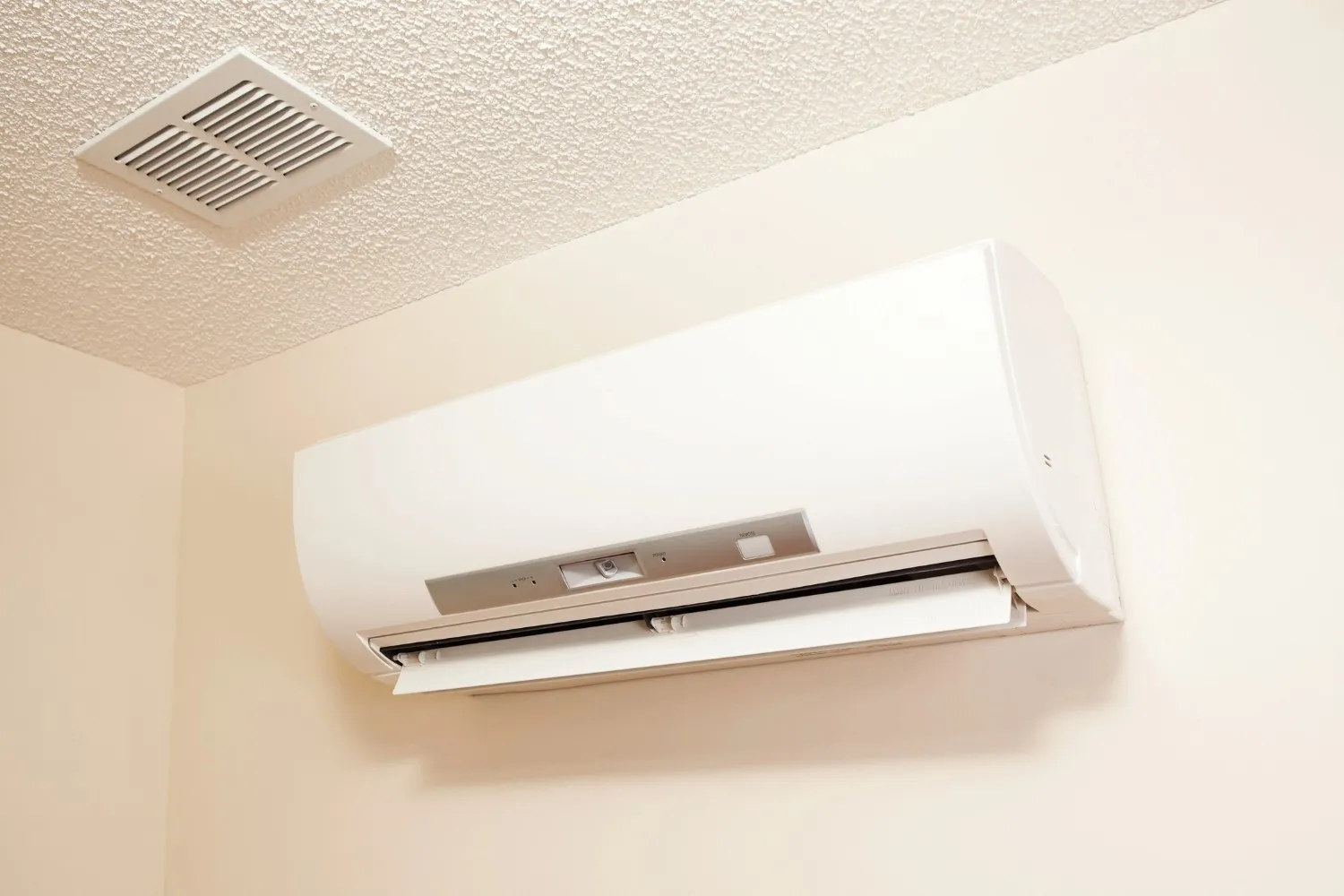
Mini-split Replacement in Woodville, FL
Replacing a mini-split system in Woodville, FL is often the best long-term choice when declining comfort, rising energy bills, or repeated breakdowns start to cost more in time and money than a new system. Woodville homes face a long, humid cooling season and heavy run-time on equipment; that makes efficient, properly sized mini-splits essential for consistent comfort, indoor humidity control, and lower electric use. This page explains when replacement is recommended versus repair, what the replacement process looks like, typical timelines and disruptions, warranty and post-installation support, financing and incentive options, and practical steps to maximize long-term energy savings.
Why consider mini-split replacement in Woodville, FL
- Prolonged high humidity and long cooling seasons increase wear and shorten useful life of older systems.
- Older refrigerants (R-22) are phased out and costly to recharge, making replacement more economical.
- New inverter-driven mini-splits offer better humidity control, quieter operation, and significantly higher seasonal efficiency ratings that matter in our climate.
Common mini-split problems in Woodville, FL
- Frequent short-cycling or constant running with poor cooling output
- Visible ice or refrigerant leaks, and low refrigerant pressure
- Rising energy bills despite routine use
- Compressor failures or noisy outdoor units after many years of service
- Indoor unit drainage or mold/mildew signs from inadequate condensate management
- Systems over 10 to 15 years old showing multiple issues or needing frequent repairs
When to repair versus when to replace
Repair is appropriate when:
- The system is relatively new (under 8-10 years) and the fault is a single, low-cost component (fan motor, PCB, sensor).
- Repairs restore full efficiency and comfort and refrigerant is current and recoverable.Replacement is recommended when:
- The mini-split is more than 10-15 years old and performance is degraded.
- Repairs are recurring or the estimated repair cost approaches 40-50% of a new system.
- The system uses obsolete refrigerant (R-22) or a major component like the compressor has failed.
- You need better humidity control, multi-zone flexibility, or significantly improved efficiency for long-term savings.
Mini-split replacement process (what to expect)
- System evaluation
- Inspect existing equipment, electrical service, mounting locations, and interior comfort issues.
- Assess indoor air quality concerns, condensate routing, and any past maintenance records.
- Sizing and load calculations
- Perform Manual J style cooling load calculations that consider Woodville’s long cooling season, local insulation, window orientation, occupancy, and humidity loads.
- Proper sizing prevents short-cycling and maintains efficient dehumidification during hot, humid months.
- Equipment selection for efficiency and capacity
- Choose inverter-driven, variable-speed mini-splits with appropriate SEER/HSPF ratings for high seasonal efficiency.
- Decide single-zone vs multi-zone systems based on home layout and comfort needs.
- Ensure matched indoor and outdoor components and select features that matter locally: strong dehumidification modes, washable filters, and corrosion-resistant outdoor coatings.
- Removal and disposal of old units
- Recover refrigerant according to EPA rules and local codes.
- Safely remove indoor and outdoor units and recycle or dispose of components per Florida regulations.
- Inspect mounting surfaces and make any necessary repairs before installing new equipment.
- Installation and commissioning
- Install outdoor condensing unit, indoor air handlers, line sets, condensate lines, and electrical connections.
- Perform refrigerant charging if required, vacuum and leak testing, and system startup.
- Balance and test each zone, program controls or thermostats, and demonstrate operation and basic maintenance to the homeowner.
Timeline and expected disruptions
- Typical single-zone replacement: 4 to 8 hours, often completed in one day.
- Multi-zone systems or homes needing electrical upgrades: 1 to 3 days.
- Common disruptions: brief power interruptions, technician access to indoor spaces, wall penetrations and small exterior work. Dust and noise are modest; technicians will protect floors and furnishings.
- Permit inspections may add a day or two depending on local schedules.
Financing and incentive options
- Low-interest contractor financing and payment plans are commonly available to spread replacement cost over time.
- Energy efficiency rebates and incentives: check state and local programs and utility incentives for heat pumps or high-efficiency mini-splits; available programs can reduce net cost.
- Federal tax credits for qualified heat pump installations may apply; documentation such as manufacturer spec sheets and invoices is usually required.
- Property-assessed financing (PACE) or green energy loans are other possible options for energy upgrades.Note: program availability and eligibility vary; verify current local and federal incentives before final decisions.
Warranty and post-installation support
- Manufacturer warranties typically cover compressors and major components; warranty lengths vary by model and manufacturer.
- Contractor-provided labor warranties cover installation workmanship for a defined period; ensure warranty registration is completed after installation.
- Post-installation support often includes seasonal tune-ups, filter replacement plans, and diagnostic service. Regular maintenance preserves efficiency and extends equipment life in Woodville’s humid climate.
Long-term energy savings and maintenance guidance
- Choose a system with inverter (variable-speed) technology to reduce runtime and improve dehumidification; this is especially valuable in hot, humid Woodville summers.
- Properly sized systems avoid energy waste; oversizing reduces dehumidification and raises bills.
- Use zoning and timers to cool occupied spaces only and reduce wasted runtime.
- Maintain filters and coils: clean filters monthly during heavy use and schedule professional coil cleaning annually.
- Insulate and seal the building envelope, add shading to windows, and use attic ventilation to reduce cooling loads.
- Consider smart thermostats or integrated controls to optimize schedules and monitor energy use.
Bottom line
In Woodville, FL, timely mini-split replacement is often the most cost-effective path to reliable comfort, improved humidity control, and meaningful energy savings for homes facing long, humid cooling seasons. A professional evaluation, accurate load calculations, and careful equipment selection set the foundation for a system that delivers consistent comfort, lower operating costs, and better indoor air quality for years to come.
hear what our satisfied clients have to say
.avif)

I have nothing but great things to say about this company! From the initial call to trouble shoot our old system to the installation of the new system. Maya was awesome and patient with us and the bank. Stratton, Wilton, and Austin did the removal and install of the systems and they were professional and proficient. I will be recommending this company to everyone and anyone! Thank you for making this less stressful then it needed to be. I'm very grateful for the help and comfort they have given me and my family.
We’ve had issues with our a/c unit freezing up off and on for a month or so. Aden from Keith Key came out and checked our system out. He fixed an issue with the bypass valve and also tuned our fan. Additionally we also replaced our thermostats with new T10’s. He took his time and helped me connect all of them to the WiFi and the app.Aden is very friendly and knowledgeable. I haven’t had an issue with my system since. He was also willing to accept the assistance of our overly helpful shih tzu. Call Keith Key and Aden for any issues with hvac systems, they can get it fixed!
Tryston was amazing! So knowledgeable, pleasant and respectful. Keith Key H/A will forever have my family's business
We had a tenant with no heat during the recent 29 degree weather. I called Keith Key Heating and Air before office hours and left my infomation with their answering service. I got a call back from the office promptly at 8:00 a.m. They were able to schedule us for service the same day. The technician arrived at noon, diagnosed the issue and made the repair. The price was quite reasonable. Everyone that we dealt with was friendly, professional and knowledgeable. I would highly recommend them and will be using them again in the future. Thanks Keith Key Heating & Air!!
Heat wasn't working after the sleet storm and being without power for 18 hours. Keith Key sent Trystan the same day as my call. He did a great job (very personable) and got it repaired in no time. Many thanks!
Keith Key HVAC is wonderful! They service our HVAC and just helped me with a super stressful heating issue while I was out of state. They are very organized and professional, and take extra time to explain and follow up. I just love them!
We've called on Keith Key Heating and Air twice for help. Both times, they responded quickly, and were able to make repairs quickly. The techs we've dealt with have been friendly, reliable, professional and knowledgeable. And they don't dig in your pocket like some have been known to do. I honestly don't know what more we could ask for. A solid 10 of 10, and we highly recommend.
Had to replace my AC and Heating unit. Keith Key Heating and Air was very helpful in finding the right unit money wise for me. The young men they sent was courteous and knowledgeable. They made sure everything was up to my standards before they left. If you have trouble I would highly recommend them to you.
Keith Key regularly services both our personal home and one of our rental properties! They are good about communicating to us about the condition of the units at the rental property which is such a relief! We have had to call them for 2 emergencies and both times the techs appeared happy to be there helping us despite being on the weekend! 10/10 recommend.
Service Areas