Mini-split Replacement in Midway, FL
Mini-split replacement in Midway, FL guides homeowners and businesses through when replacement is more cost-effective than repair, how technicians assess age and performance, and how to choose energy-efficient, properly sized single- and multi-zone systems. It covers demolition, refrigerant handling, disposal, installation timelines, and cost factors, with financing options and warranty and maintenance plans to protect your investment. Expect improved humidity control, more consistent comfort, energy savings, quieter operation, and longer system reliability adapted to Midway's hot, humid summers.
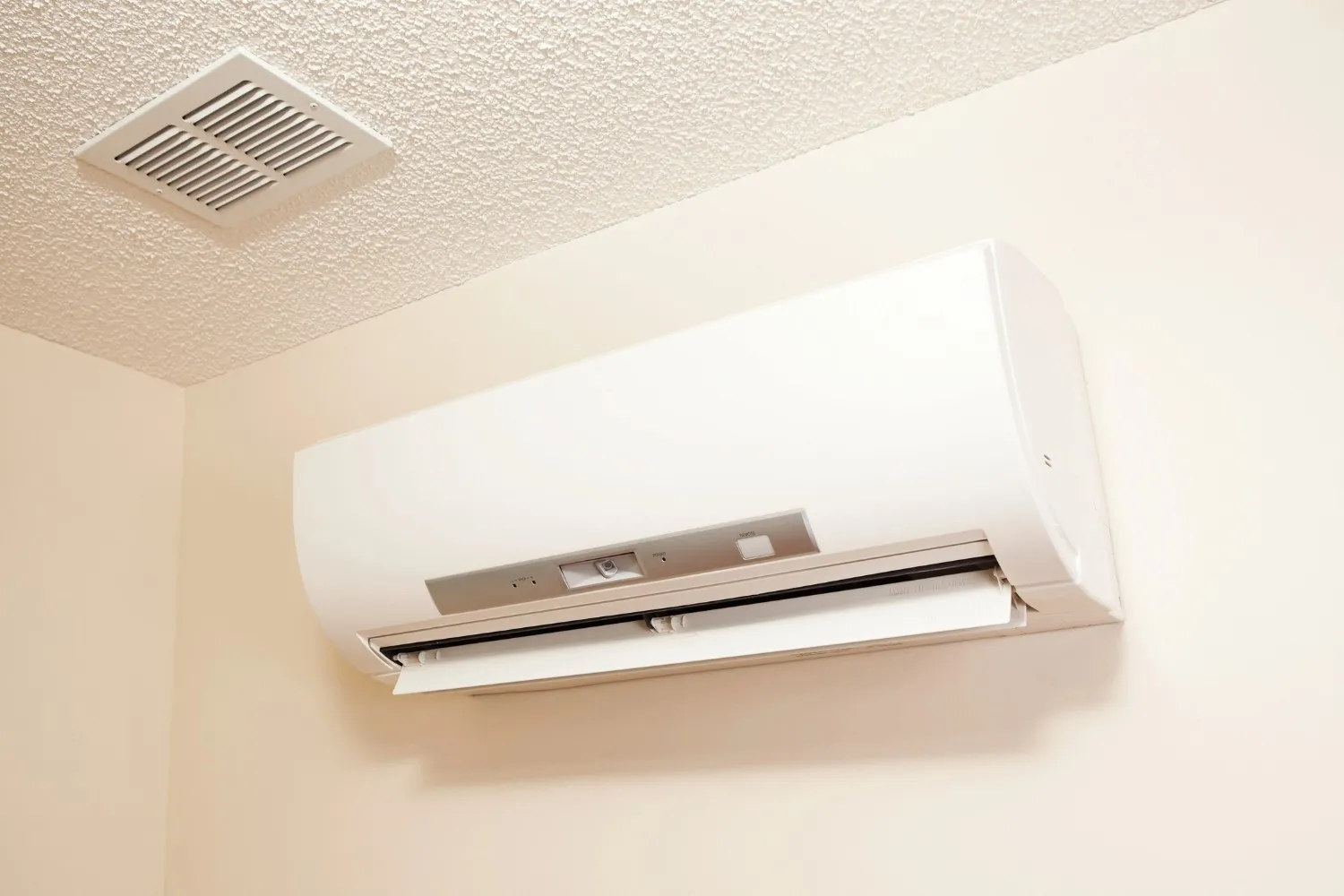
Mini-split Replacement in Midway, FL
Replacing a mini-split is a major decision for Midway, FL homeowners and businesses. With long, humid summers and high cooling demands, a failing or undersized system can drive energy bills up and comfort down. This page explains when replacement is recommended versus repair, how technicians evaluate system age and performance, guidance on choosing energy-efficient mini-split models and correct sizing for single- and multi-zone setups, demolition and disposal best practices, typical installation timeline, cost factors and financing options, available warranties and maintenance plans, and the efficiency and comfort improvements you can expect in Midway homes.
When to Replace vs Repair: common mini-split replacement issues in Midway, FL
Consider replacement when one or more of the following apply:
- The system is old and nearing or past its expected service life (typically more than a decade for older models).
- Refrigerant leaks or use of phased-out refrigerants (like R-22) require costly recharging or retrofits.
- Repeated compressor, inverter, or electronic control failures occur despite repairs.
- The unit cannot maintain set temperatures or remove humidity effectively during Midway’s hot, humid months.
- Energy bills have steadily increased while usage patterns remain the same.
- Multiple zones have inconsistent comfort or the indoor units fail at different rates, making a full update more cost-effective.
In Midway, the extended cooling season and persistent humidity increase wear on compressors and coils. Repair can be practical for isolated, low-cost issues, but when performance and efficiency are compromised, replacement typically delivers better long-term reliability and savings.
How technicians evaluate system age and performance
Technicians perform a structured evaluation before recommending replacement:
- Visual inspection of indoor and outdoor units for corrosion, coil damage, and wear.
- Performance testing: measuring temperature split, airflow, and static pressures to determine capacity shortfalls.
- Electrical checks for compressor start-up current, control board health, and wiring integrity.
- Refrigerant assessment to identify leaks and the type of refrigerant used.
- Review of maintenance history and frequency of past repairs.
- Load consideration: comparing current unit capacity to actual cooling loads of rooms, acknowledging changes such as added living space or improved insulation.
This diagnostic approach ensures replacement is recommended only when repair would not restore reliable, efficient operation.
Selecting energy-efficient mini-split models and proper sizing
Energy-efficient mini-split choices for Midway should prioritize cooling performance and humidity control:
- Look for high SEER and HSPF ratings and inverter-driven compressors for steady operation and lower cycling losses.
- Consider models with enhanced dehumidification features or built-in humidity control for comfort during humid summers.
- For single-zone setups, size the unit to the room’s true cooling load (not just square footage) — factors include ceiling height, sun exposure, occupancy, and insulation.
- For multi-zone systems, plan a system based on combined zone loads and individual head capacities. Proper zoning avoids oversized or undersized heads that waste energy or fail to control humidity.
- Choose systems with efficient heat mode if supplemental heating is needed during Midway’s cooler months.
Proper sizing is crucial: an oversized unit will short-cycle and fail to remove humidity; an undersized unit will run constantly and never reach setpoints. A load calculation (Manual J or equivalent) tailored to Midway homes ensures correct capacity and balanced comfort.
Demolition, refrigerant handling, and disposal
Replacement includes safe removal and responsible disposal:
- Refrigerant recovery is mandatory; technicians must capture and recycle refrigerant per regulations rather than venting.
- Outdoor condensers and indoor units are detached, piping and electrical connections are removed, and mounting hardware is cleared.
- Corroded or contaminated components are disposed of following local and federal guidelines to prevent environmental harm.
- If a wall sleeve or structural modification is required for indoor units, contractors will perform careful demolition and patching to preserve the building envelope.
Responsible disposal and refrigerant handling protect Midway’s environment and comply with regulatory requirements.
Installation timeline and what to expect
A typical mini-split replacement follows these stages:
- Pre-install inspection and final sizing confirmation.
- Scheduled removal of the old system and refrigerant recovery.
- Preparation of mounting locations, electrical work, and line-set routing.
- Mounting of new indoor heads and outdoor condenser, line brazing, vacuuming and refrigerant charging, and system commissioning.
- Final testing, user controls setup, and homeowner orientation on operation and maintenance.
Most single-zone replacements can be completed within a day; multi-zone systems or installations requiring electrical upgrades or structural work may take multiple days. Local permitting and inspections in Midway can affect scheduling, so technicians typically allow time for those steps.
Cost considerations and financing options
Several factors influence replacement cost:
- Unit type and energy efficiency level (single-zone vs multi-zone, inverter quality, advanced features).
- Number of indoor heads and complexity of line routing.
- Need for electrical panel upgrades, dedicated circuits, or additional breakers.
- Permitting, disposal, and any required building modifications.
- Accessibility and labor complexity for installation.
Many homeowners use financing options to manage upfront investment. Common arrangements include manufacturer financing programs, third-party loans, or contractor-offered payment plans. Choosing a financing path should consider interest, term, and the long-term savings expected from improved efficiency.
Warranties, maintenance plans, and protecting your investment
New mini-splits commonly come with manufacturer warranties on compressors and parts; labor warranties may be available from installers. To maintain warranty coverage and long-term performance:
- Enroll in a routine maintenance plan that includes annual inspections, coil cleaning, refrigerant checks, and filter replacements.
- Replace or clean filters regularly and keep outdoor condensers free of debris and vegetation.
- Schedule pre-summer and pre-winter tune-ups to verify system controls and refrigerant levels.
A maintenance plan reduces the risk of premature failure and keeps efficiency high through Midway’s demanding cooling season.
Expected efficiency and comfort improvements after replacement
Upgrading a worn or outdated mini-split delivers measurable improvements:
- More consistent temperatures and better humidity control during humid summer months.
- Lower energy consumption per unit of cooling output due to inverter technology and higher efficiency ratings.
- Quieter indoor operation and improved zone control, allowing customized comfort for bedrooms, living areas, and home offices.
- Reduced frequency of repairs and more predictable operating costs over the life of the system.
For Midway, FL residents, a properly selected and installed mini-split replacement improves indoor air comfort during long cooling seasons and helps stabilize energy use as humidity and temperatures fluctuate.
Maintenance tips to maximize lifespan and savings
- Clean or replace filters monthly during heavy-use periods.
- Keep outdoor condensers cleared of leaves and mulch; trim vegetation to allow airflow.
- Avoid setting thermostats to extreme temperatures; use consistent, reasonable setpoints to reduce cycling.
- Have an annual certified inspection that includes refrigerant checks and electrical safety testing.
These practices protect performance, maintain efficiency, and extend the life of your new system.
Replacing a mini-split in Midway, FL is an investment in comfort and efficiency. With a proper evaluation, correct sizing, responsible installation and disposal, and ongoing maintenance, homeowners can expect meaningful improvements in humidity control, energy use, and system reliability suited to Midway’s climate and lifestyle.
hear what our satisfied clients have to say
.avif)

I have nothing but great things to say about this company! From the initial call to trouble shoot our old system to the installation of the new system. Maya was awesome and patient with us and the bank. Stratton, Wilton, and Austin did the removal and install of the systems and they were professional and proficient. I will be recommending this company to everyone and anyone! Thank you for making this less stressful then it needed to be. I'm very grateful for the help and comfort they have given me and my family.
We’ve had issues with our a/c unit freezing up off and on for a month or so. Aden from Keith Key came out and checked our system out. He fixed an issue with the bypass valve and also tuned our fan. Additionally we also replaced our thermostats with new T10’s. He took his time and helped me connect all of them to the WiFi and the app.Aden is very friendly and knowledgeable. I haven’t had an issue with my system since. He was also willing to accept the assistance of our overly helpful shih tzu. Call Keith Key and Aden for any issues with hvac systems, they can get it fixed!
Tryston was amazing! So knowledgeable, pleasant and respectful. Keith Key H/A will forever have my family's business
We had a tenant with no heat during the recent 29 degree weather. I called Keith Key Heating and Air before office hours and left my infomation with their answering service. I got a call back from the office promptly at 8:00 a.m. They were able to schedule us for service the same day. The technician arrived at noon, diagnosed the issue and made the repair. The price was quite reasonable. Everyone that we dealt with was friendly, professional and knowledgeable. I would highly recommend them and will be using them again in the future. Thanks Keith Key Heating & Air!!
Heat wasn't working after the sleet storm and being without power for 18 hours. Keith Key sent Trystan the same day as my call. He did a great job (very personable) and got it repaired in no time. Many thanks!
Keith Key HVAC is wonderful! They service our HVAC and just helped me with a super stressful heating issue while I was out of state. They are very organized and professional, and take extra time to explain and follow up. I just love them!
We've called on Keith Key Heating and Air twice for help. Both times, they responded quickly, and were able to make repairs quickly. The techs we've dealt with have been friendly, reliable, professional and knowledgeable. And they don't dig in your pocket like some have been known to do. I honestly don't know what more we could ask for. A solid 10 of 10, and we highly recommend.
Had to replace my AC and Heating unit. Keith Key Heating and Air was very helpful in finding the right unit money wise for me. The young men they sent was courteous and knowledgeable. They made sure everything was up to my standards before they left. If you have trouble I would highly recommend them to you.
Keith Key regularly services both our personal home and one of our rental properties! They are good about communicating to us about the condition of the units at the rental property which is such a relief! We have had to call them for 2 emergencies and both times the techs appeared happy to be there helping us despite being on the weekend! 10/10 recommend.
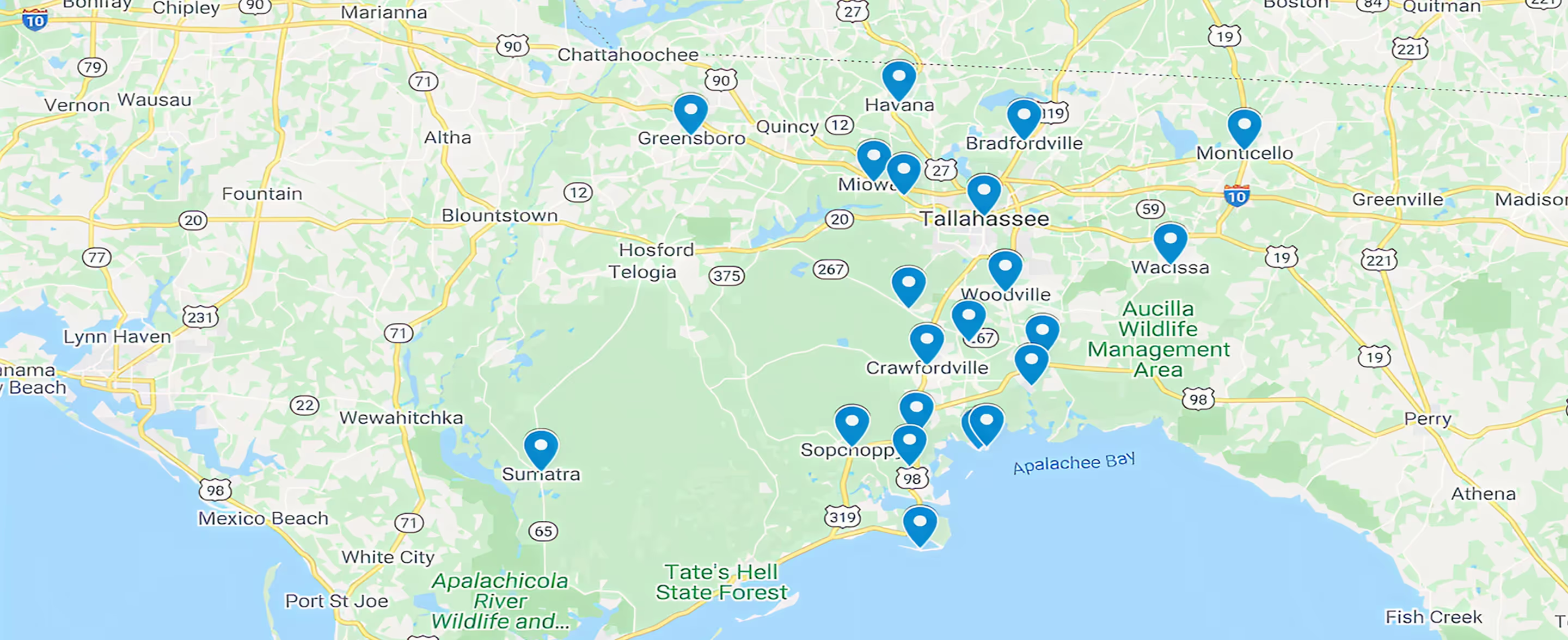
Service Areas