Mini-split Installation in Wacissa, FL
Mini-split installation in Wacissa, FL involves a detailed process including site assessment, accurate sizing, and proper placement, with full attention to permits and code compliance. The installation covers timelines, testing, and homeowner orientation, along with warranty and maintenance essentials. Local challenges such as electrical requirements, condensate routing, and outdoor placement are addressed, while inverter-driven heat pump models provide efficient, room-by-room comfort and humidity control tailored to Wacissa’s climate.
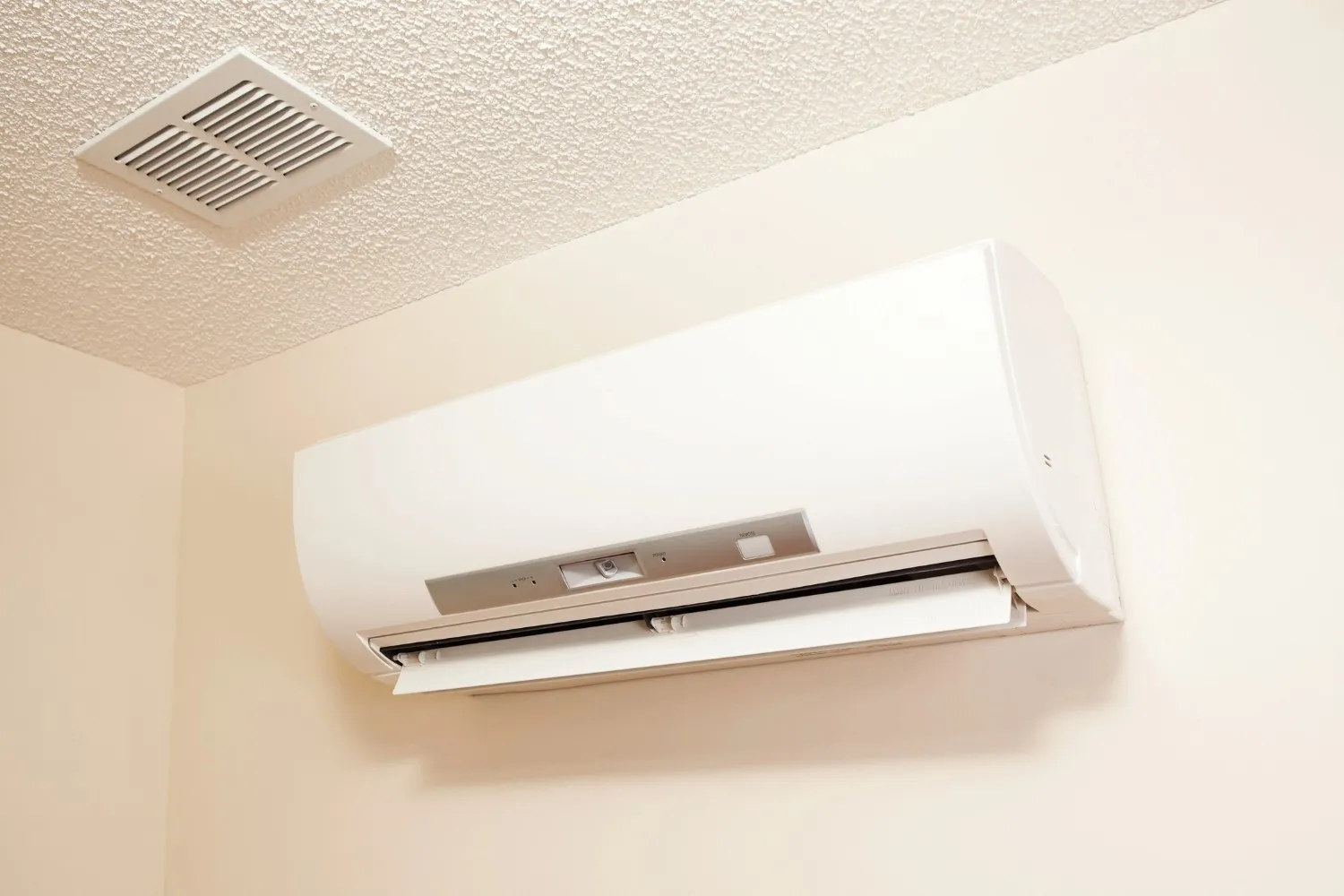
Mini-split Installation in Wacissa, FL
Mini-split installation in Wacissa, FL is a smart upgrade for homes dealing with long, hot, humid summers and variable winter conditions. Properly installed ductless mini-splits deliver efficient cooling and heating, better humidity control, and room-by-room comfort without the cost or disruption of ductwork. This page explains the full installation process, common local challenges, how units are sized and placed, permit and code considerations for Florida, what to expect during the install, and warranty and maintenance essentials specific to Wacissa homes.
Why a mini-split makes sense in Wacissa, FL
Wacissa’s humid subtropical climate creates strong demand for reliable cooling and dehumidification. Mini-splits with inverter-driven compressors and modern dehumidification modes can:
- Reduce indoor humidity and lower mold risk in older, less-insulated homes
- Provide efficient zone control for rooms with high solar gain or limited existing airflow
- Avoid energy losses tied to leaky ducts common in older Florida properties
- Offer both cooling and efficient heat-pump heating for mild winters
Common mini-split issues in Wacissa, FL homes
- Undersized systems that struggle during peak summer humidity
- Oversized units that cycle on/off, reducing dehumidification and comfort
- Inadequate electrical service or missing dedicated circuits for outdoor condensers
- Poor condensate routing leading to moisture stains or mold in humid months
- Outdoor unit placement problems (blocked airflow, sun exposure, debris)
- Corrosion and drainage issues where units are installed in low-lying, shaded yards
Site assessment and unit sizing (what happens first)
A thorough site assessment in Wacissa includes:
- Manual J load calculation to determine cooling and heating loads for each zone or room
- Assessment of insulation, window orientation (south and west exposure), ceiling height, and attic ventilation
- Electrical panel inspection for available capacity and required breaker sizing
- Planned refrigerant line-set lengths and access paths for indoor-outdoor connections
- Review of home layout to determine single-zone vs multi-zone minisplits
Correct sizing is critical. In Wacissa’s humid climate, installers use Manual J to avoid undersizing (leading to discomfort) and oversizing (poor dehumidification and short cycling). For multi-room needs, multi-zone systems or multiple single-zone units are evaluated for balanced operation.
Recommended indoor and outdoor unit placement
Effective placement maximizes comfort and longevity:
- Indoor heads: Mount on exterior walls or high on interior walls with unobstructed airflow across living areas. Avoid placing heads directly above TV equipment or beds where direct airflow causes discomfort.
- Outdoor condenser: Place where airflow is clear, on a firm pad or bracket, elevated if needed to avoid standing water after heavy rains. Provide shading without blocking airflow; north or east-facing locations often work well in the area.
- Line-set routing: Short, direct routes through attics, crawlspaces, or through-wall channels reduce refrigerant needs and improve efficiency. Insulate line-sets to prevent condensation and energy loss.
Line-set, electrical work, and code compliance
Mini-split installation includes low-voltage control wiring, refrigerant line-sets, condensate drain, and full electrical connections:
- Dedicated circuit sizing and appropriate breaker/disconnect are installed per manufacturer specs and Florida electrical code
- Line-sets are brazed or flare-connected to outdoor units; installers account for factory pre-charge lengths and add refrigerant if runs exceed those lengths
- Condensate drains must be routed to an approved location and may include a condensate pump in slab or basement installations
- Installations follow Florida Building Code and local Jefferson County permit requirements; inspections typically verify mechanical, electrical, and structural compliance
Installation timeline and practical expectations
Typical timeline for a standard single- or dual-zone mini-split installation in Wacissa:
- Site assessment and proposal: 1 day on-site, with load calculations completed within 1–3 days
- Permit submittal and approval: variable, often 3–14 days depending on county workload
- Installation: 1–3 days for a single-zone system; 2–4 days for multi-zone systems depending on complexity, line-set routing, and electrical upgrades
- Final inspection and sign-off: once permit-ready, scheduling can add several days
Installers plan for potential delays such as permit turnaround, parts availability, or required electrical service upgrades.
Post-installation testing and homeowner orientation
After mechanical and electrical work is complete, thorough testing is performed:
- Verify refrigerant charge and system pressures
- Confirm correct airflow, proper drainage, and absence of leaks
- Check thermostat and any smart controls, including scheduling and zoning features
- Demonstrate how to use modes: cooling, heat, dry/dehumidify, fan, and sleep
- Explain recommended maintenance tasks and show location of outdoor disconnect, filter access, and condensate drainHomeowner orientation ensures you understand efficient operation and seasonal settings tailored to Wacissa’s humidity patterns.
Brand and efficiency options
In Wacissa, prioritize efficiency and humidity control:
- Look for inverter-driven heat pump models with high SEER and HSPF ratings to reduce energy bills and improve comfort
- Consider units with strong dehumidification modes and variable fan speeds
- Popular reliable options include leading split-system manufacturers; selection depends on zone configuration, budget, and desired features like Wi-Fi control or enhanced filtration
- Evaluate factory warranties for compressor and parts, and paired installer labor warranties
Warranty information and registration
Most manufacturers provide a limited parts and compressor warranty; typical considerations:
- Manufacturer warranty covers defects in materials for a set period; compressor warranties vary by model
- Installer labor warranty covers workmanship for a defined term—register the system and keep installation documentation
- Warranty activation often requires professional installation by a licensed contractor and timely registration with the manufacturer
Maintenance and long-term benefits
Routine maintenance maximizes lifespan and performance in Wacissa:
- Clean or replace indoor filters every 1–3 months depending on use and pollen levels
- Annual professional tune-up to check refrigerant, electrical connections, and drain lines
- Keep outdoor unit clear of leaves, grass clippings, and vegetation; maintain stable pad elevation after heavy rains
Benefits once installed correctly:
- Improved comfort and humidity control during hot summers
- Lower monthly energy use compared with older central systems or window units
- Flexible zoning for targeted comfort and lower overall energy waste
- Reduced mold and moisture problems in humid months when properly sized and maintained
Mini-split installation in Wacissa, FL is a practical, efficient upgrade when performed with correct load calculations, code-compliant electrical work, proper placement, and a thorough post-installation inspection and homeowner orientation. Proper selection, permitting, and maintenance ensure reliable comfort and energy performance tailored to the local climate.
hear what our satisfied clients have to say
.avif)

I have nothing but great things to say about this company! From the initial call to trouble shoot our old system to the installation of the new system. Maya was awesome and patient with us and the bank. Stratton, Wilton, and Austin did the removal and install of the systems and they were professional and proficient. I will be recommending this company to everyone and anyone! Thank you for making this less stressful then it needed to be. I'm very grateful for the help and comfort they have given me and my family.
We’ve had issues with our a/c unit freezing up off and on for a month or so. Aden from Keith Key came out and checked our system out. He fixed an issue with the bypass valve and also tuned our fan. Additionally we also replaced our thermostats with new T10’s. He took his time and helped me connect all of them to the WiFi and the app.Aden is very friendly and knowledgeable. I haven’t had an issue with my system since. He was also willing to accept the assistance of our overly helpful shih tzu. Call Keith Key and Aden for any issues with hvac systems, they can get it fixed!
Tryston was amazing! So knowledgeable, pleasant and respectful. Keith Key H/A will forever have my family's business
We had a tenant with no heat during the recent 29 degree weather. I called Keith Key Heating and Air before office hours and left my infomation with their answering service. I got a call back from the office promptly at 8:00 a.m. They were able to schedule us for service the same day. The technician arrived at noon, diagnosed the issue and made the repair. The price was quite reasonable. Everyone that we dealt with was friendly, professional and knowledgeable. I would highly recommend them and will be using them again in the future. Thanks Keith Key Heating & Air!!
Heat wasn't working after the sleet storm and being without power for 18 hours. Keith Key sent Trystan the same day as my call. He did a great job (very personable) and got it repaired in no time. Many thanks!
Keith Key HVAC is wonderful! They service our HVAC and just helped me with a super stressful heating issue while I was out of state. They are very organized and professional, and take extra time to explain and follow up. I just love them!
We've called on Keith Key Heating and Air twice for help. Both times, they responded quickly, and were able to make repairs quickly. The techs we've dealt with have been friendly, reliable, professional and knowledgeable. And they don't dig in your pocket like some have been known to do. I honestly don't know what more we could ask for. A solid 10 of 10, and we highly recommend.
Had to replace my AC and Heating unit. Keith Key Heating and Air was very helpful in finding the right unit money wise for me. The young men they sent was courteous and knowledgeable. They made sure everything was up to my standards before they left. If you have trouble I would highly recommend them to you.
Keith Key regularly services both our personal home and one of our rental properties! They are good about communicating to us about the condition of the units at the rental property which is such a relief! We have had to call them for 2 emergencies and both times the techs appeared happy to be there helping us despite being on the weekend! 10/10 recommend.
Service Areas