Mini-split Installation in Live Oak Island, FL

Mini-split installation in Live Oak Island, FL provides precise, energy-efficient conditioning and heating for coastal homes, emphasizing site assessment, load calculations, and code-compliant installation. The guide outlines step-by-step preparation, equipment selection, indoor and outdoor placement, refrigerant handling, permits, and commissioning to ensure reliable comfort, humidity control, and long-term performance. It highlights common coastal challenges such as salt exposure and wind, and stresses professional workmanship, warranty documentation, and ongoing maintenance to maximize efficiency and protect property value.
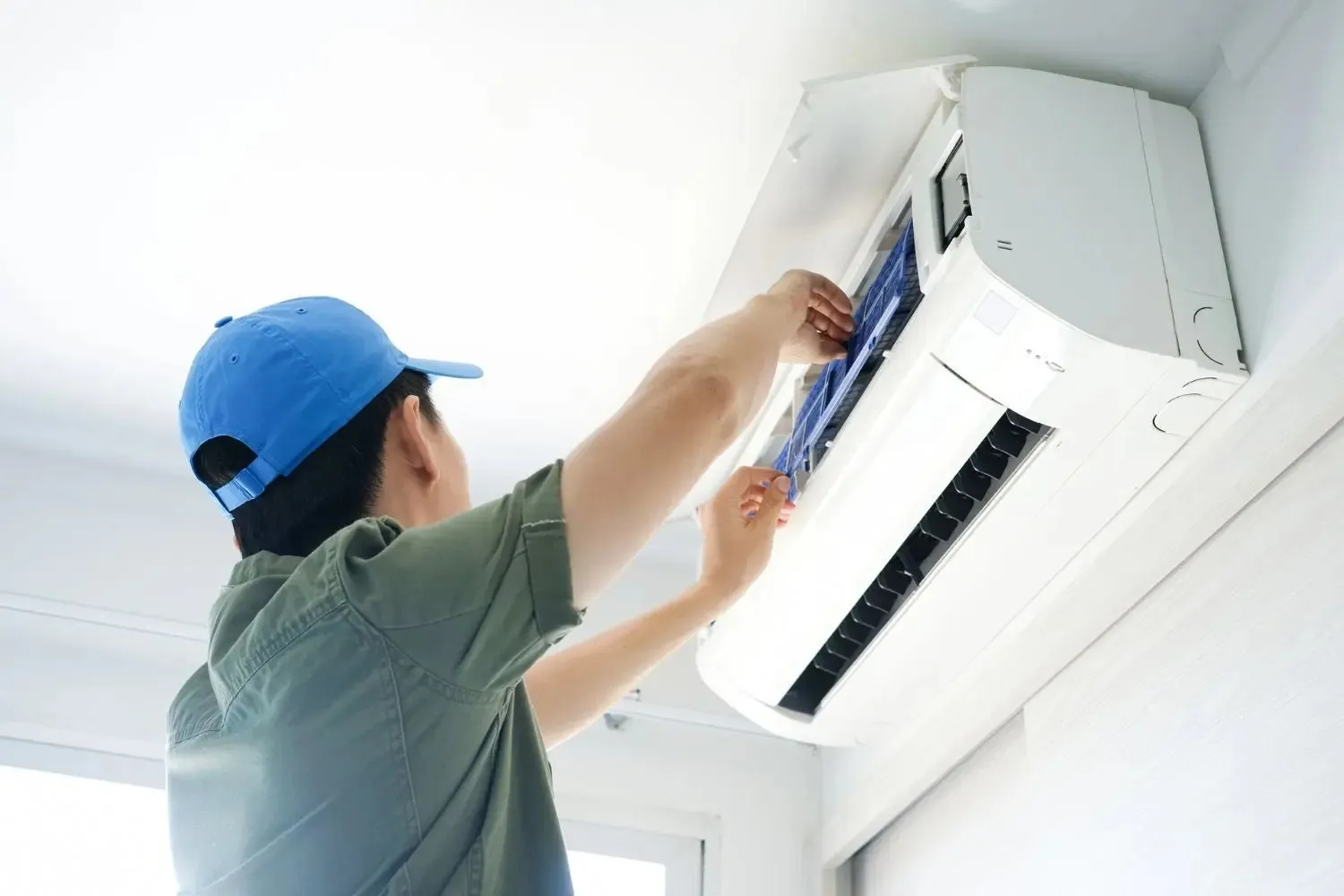
Mini-split Installation in Live Oak Island, FL
Mini-split installation in Live Oak Island, FL provides targeted, efficient cooling and heating that fits coastal homes where humidity, space constraints, and salt air exposure matter. A correctly planned and executed mini-split installation reduces energy costs, improves indoor comfort, and avoids common problems like short cycling, moisture buildup, and premature equipment corrosion. Below is a clear, step-by-step guide to what a full-service mini-split installation includes, what to expect, and how to prepare your Live Oak Island home.
Why choose a mini-split for Live Oak Island homes
- Coastal heat and high humidity make efficient, zone-based climate control valuable for comfort and energy savings.
- Mini-splits avoid duct losses common in older Florida homes, which is important when cooling loads are high in summer.
- Compact indoor heads and flexible outdoor placement suit the limited space and aesthetic needs of island homes.
- Proper installation must address salt air corrosion and local wind and flood code considerations to ensure longevity.
Common mini-split installation issues in Live Oak Island, FL
- Corrosion of outdoor units from salt spray if not sited or protected correctly.
- Undersized systems from inadequate load calculations, causing poor humidity control and higher energy use.
- Improper condensate drainage leading to mold or water damage inside humid coastal homes.
- Noncompliant electrical connections or lack of permits, which are critical under Florida building codes and local ordinances on barrier islands.
- Line sets run too long or without adequate insulation, reducing performance.
Types of installations we typically assess
- Single-zone wall-mounted mini-splits for a single room, office, or addition.
- Multi-zone systems feeding multiple indoor heads from one outdoor compressor for whole-house zoning.
- Ceiling cassette or ducted mini-splits where aesthetics or concealed installation is preferred.
- Retrofit installations replacing window units or extending conditioned space without adding ducts.
Site assessment and load calculations
A responsible installation begins with a detailed site assessment:
- Measure room dimensions, window orientation, insulation levels, ceiling height, and occupancy patterns.
- Account for local climate: solar gain from southern exposures and high humidity typical of Live Oak Island.
- Perform a Manual J load calculation to determine correct capacity and a Manual S selection to match equipment performance.
- Inspect exterior mounting locations for the outdoor unit considering salt exposure, airflow clearance, and elevation relative to flood plain or base flood elevation.
Selecting indoor and outdoor unit placement
- Indoor heads should be placed for even airflow, avoiding direct blasts on occupants and ensuring return paths for air to circulate through the room.
- Outdoor compressors require clear airflow, elevated mounting in flood-prone locations, and a sheltered location where possible to reduce salt spray impact.
- Locate condensate drains to slope naturally to an approved disposal point or connect to a condensate pump if needed.
- Consider sightlines, noise sensitivity, and maintenance access when choosing locations.
Refrigerant line and electrical work
- Refrigerant line sets must be sized for the system and run with continuous insulation and proper slope to allow oil return.
- Lines are typically brazed, vacuumed to the correct micron level, and charged per manufacturer specifications by weight or superheat/subcooling methods.
- Electrical work includes a dedicated circuit, properly sized breaker, disconnect at the outdoor unit, and compliance with NEC and Florida electrical code.
- All refrigerant handling must be done by technicians certified to meet EPA refrigerant regulations.
Permits and code considerations for Live Oak Island
- Permits are normally required by local building authorities in Florida; installations must comply with the Florida Building Code, including wind-load and fastening requirements for coastal structures.
- In many coastal zones, outdoor equipment must be elevated above the base flood elevation and secured to resist hurricane-level winds.
- Electrical permits and inspections are commonly required; documentation of compliance is often necessary for homeowner insurance and resale.
Step-by-step installation process
- Finalize load calculations and equipment selection based on the site visit.
- Obtain required permits and schedule inspections before major work begins.
- Mount indoor heads and run conduits, drain lines, and line sets through carefully sealed penetrations.
- Install and secure the outdoor unit on a pad or elevated mounting bracket designed for coastal conditions.
- Braze refrigerant lines, evacuate the system to the specified micron level, and charge with the correct refrigerant amount.
- Connect and test electrical circuits, install disconnects, and label circuits per code.
- Commission the system: check pressures, verify superheat and subcooling or weigh-in accuracy, test airflow, and confirm proper drain operation.
- Walk through with the homeowner on controls, maintenance tasks, and how to operate modes for dehumidification and energy efficiency.
Post-install testing and commissioning
- Confirm system cycles correctly at multiple setpoints and under load.
- Verify condensate drains are clear and properly routed to prevent indoor moisture problems.
- Inspect outdoor unit for proper mounting, clearance, and corrosion-resistant measures.
- Provide documentation of equipment settings, refrigerant charge, and inspection approvals.
Expected timelines and homeowner preparation tips
- Typical single-zone installations can be completed in one work day when access is clear and no structural modifications are required.
- Multi-zone or systems requiring structural work, elevated mounts, or electrical upgrades may take one to three days.
- Preparation tips for homeowners:
- Clear access to indoor and outdoor work areas and move fragile items away from walls where indoor heads will mount.
- Ensure pets are secured and children are kept away during installation.
- Confirm power is available at the main panel or arrange for an electrician if upgrades are needed.
- Schedule installations outside peak hurricane season when possible to avoid permit or supply delays.
Warranty and maintenance recommendations
- Manufacturer warranties typically cover parts and compressors, but length varies by brand. Retain installation paperwork and warranty cards.
- Regular maintenance prevents common coastal problems:
- Clean or replace filters every 1 to 3 months.
- Schedule an annual professional tune-up to check refrigerant, electrical connections, coils, and drain lines.
- Rinse outdoor units periodically with fresh water to remove salt residues and extend equipment life.
- Address minor issues early to avoid corrosion-related failures or efficiency loss.
Benefits of professional, code-compliant mini-split installation in Live Oak Island, FL
- Properly sized and installed mini-splits improve comfort and humidity control in a humid coastal climate.
- Code-compliant installations protect your property value and insurance standing while reducing risk from wind and flood exposure.
- Regular maintenance and correct siting extend equipment life despite salt air and maximize seasonal energy savings.
A thorough, code-aware mini-split installation in Live Oak Island, FL focuses on precise load calculation, durable placement against salt and wind exposure, correct refrigerant handling, and clear documentation for permits and warranties. When these elements are handled during installation, homeowners get reliable comfort, lower energy use, and reduced long-term service needs in the island environment.
hear what our satisfied clients have to say
.avif)

I have nothing but great things to say about this company! From the initial call to trouble shoot our old system to the installation of the new system. Maya was awesome and patient with us and the bank. Stratton, Wilton, and Austin did the removal and install of the systems and they were professional and proficient. I will be recommending this company to everyone and anyone! Thank you for making this less stressful then it needed to be. I'm very grateful for the help and comfort they have given me and my family.
We’ve had issues with our a/c unit freezing up off and on for a month or so. Aden from Keith Key came out and checked our system out. He fixed an issue with the bypass valve and also tuned our fan. Additionally we also replaced our thermostats with new T10’s. He took his time and helped me connect all of them to the WiFi and the app.Aden is very friendly and knowledgeable. I haven’t had an issue with my system since. He was also willing to accept the assistance of our overly helpful shih tzu. Call Keith Key and Aden for any issues with hvac systems, they can get it fixed!
Tryston was amazing! So knowledgeable, pleasant and respectful. Keith Key H/A will forever have my family's business
We had a tenant with no heat during the recent 29 degree weather. I called Keith Key Heating and Air before office hours and left my infomation with their answering service. I got a call back from the office promptly at 8:00 a.m. They were able to schedule us for service the same day. The technician arrived at noon, diagnosed the issue and made the repair. The price was quite reasonable. Everyone that we dealt with was friendly, professional and knowledgeable. I would highly recommend them and will be using them again in the future. Thanks Keith Key Heating & Air!!
Heat wasn't working after the sleet storm and being without power for 18 hours. Keith Key sent Trystan the same day as my call. He did a great job (very personable) and got it repaired in no time. Many thanks!
Keith Key HVAC is wonderful! They service our HVAC and just helped me with a super stressful heating issue while I was out of state. They are very organized and professional, and take extra time to explain and follow up. I just love them!
We've called on Keith Key Heating and Air twice for help. Both times, they responded quickly, and were able to make repairs quickly. The techs we've dealt with have been friendly, reliable, professional and knowledgeable. And they don't dig in your pocket like some have been known to do. I honestly don't know what more we could ask for. A solid 10 of 10, and we highly recommend.
Had to replace my AC and Heating unit. Keith Key Heating and Air was very helpful in finding the right unit money wise for me. The young men they sent was courteous and knowledgeable. They made sure everything was up to my standards before they left. If you have trouble I would highly recommend them to you.
Keith Key regularly services both our personal home and one of our rental properties! They are good about communicating to us about the condition of the units at the rental property which is such a relief! We have had to call them for 2 emergencies and both times the techs appeared happy to be there helping us despite being on the weekend! 10/10 recommend.
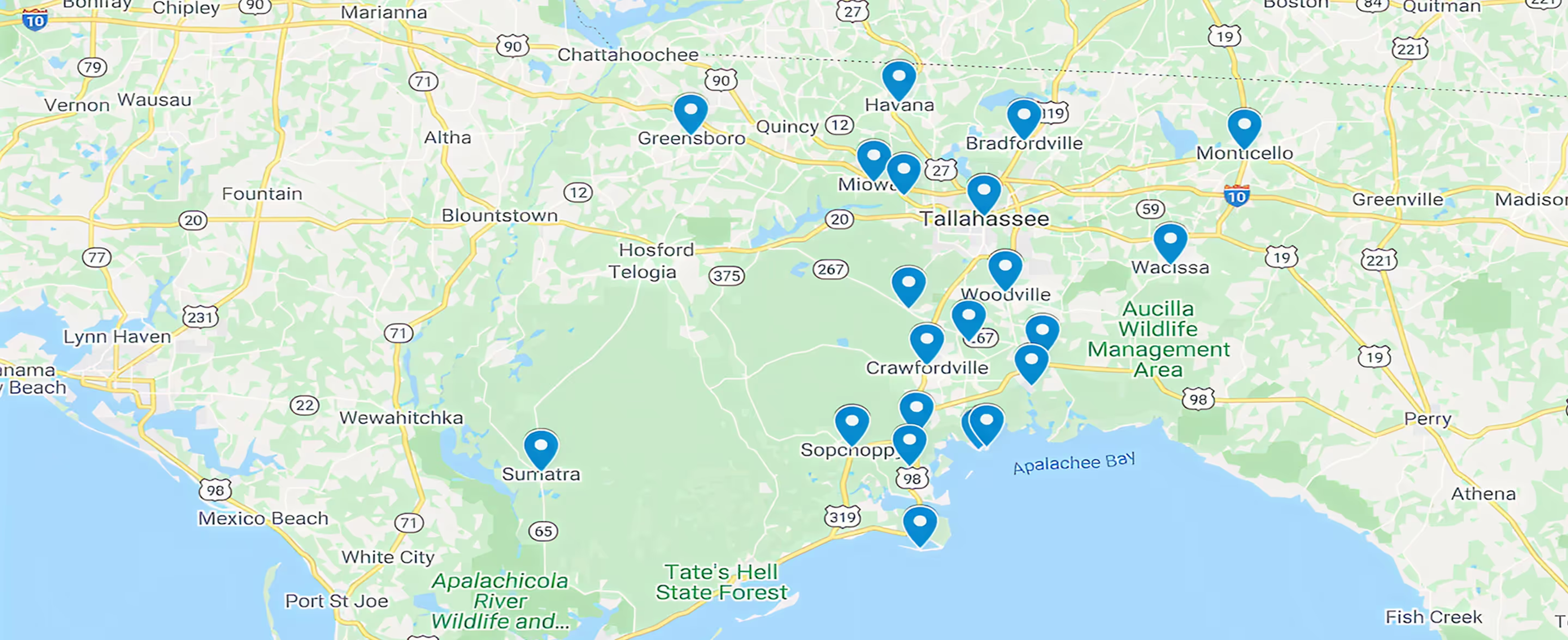
Service Areas