IAQ Service in Tallahassee, FL
Comprehensive IAQ service in Tallahassee, FL, offering testing, diagnostics, and long-lasting solutions to enhance indoor air quality and home performance. Addresses moisture risks, allergens, VOCs, and microbial concerns, with recommendations tailored to local climate and building types. Services include filtration upgrades, humidity control, ventilation, and coordinated HVAC improvements, supported by ongoing maintenance plans and periodic retesting. Focused on health, energy efficiency, and reliable comfort for homes across Tallahassee and surrounding North Florida communities.
IAQ Service in Tallahassee, FL
Indoor air quality (IAQ) has a direct impact on health, comfort, and energy use in Tallahassee homes. With hot, humid summers, frequent pollen from pines and oaks, and seasonal storm-related moisture, local houses face elevated risks for allergens, mold growth, and VOC accumulation. Our IAQ Service in Tallahassee, FL explains the full scope of testing, diagnostics, installations, repairs, and maintenance options designed to restore clean, balanced indoor air and improve overall home performance.
Why IAQ matters in Tallahassee
- High humidity and warm temperatures create conditions that encourage mold and dust mite growth.
- Pine and grass pollen seasons produce large daily variability in airborne allergens that aggravate asthma and allergies.
- Older homes and tightly sealed newer construction can trap pollutants—cooking fumes, cleaning chemicals, and off-gassing building materials—without adequate ventilation.
- Storms and occasional flooding increase the risk of hidden moisture and microbial contamination behind walls and in crawl spaces.
Addressing IAQ is both a health-centered and energy-smart decision: better air reduces respiratory triggers and can reduce HVAC strain by maintaining balanced humidity and cleaner equipment.
Common IAQ issues in Tallahassee homes
- Elevated humidity causing musty odors, condensation, or visible mold
- High particulate levels (PM2.5) from outdoor pollen, dust, or indoor activities
- Persistent allergy and asthma symptoms tied to indoor allergens
- Volatile organic compounds (VOCs) from paints, new furniture, or household products
- Poor ventilation and high CO2 levels in tightly sealed rooms
- Dusty ducts, failing filters, or HVAC components that seed indoor air with contaminants
What our IAQ testing and diagnostics include
A thorough diagnostic is the first step. Testing methods are selected based on observed symptoms and the home’s layout and may include:
- Visual inspection of HVAC equipment, ducts, crawlspaces, attics, and moisture-prone areas
- Particle monitoring (PM2.5/PM10) to quantify airborne particulates
- Humidity and temperature mapping throughout the home
- VOC screening to detect elevated chemical levels
- Carbon dioxide (CO2) testing to assess ventilation effectiveness
- Targeted mold testing or surface sampling when biological contamination is suspected
- Duct leakage and airflow measurements to locate infiltration or balance issues
Diagnostics are presented with clear findings and prioritized recommendations so homeowners understand the root causes and the most effective solutions.
Solutions: installation, repair, replacement
Options are tailored to the specific test results and the homeowner’s goals for health and energy performance.
Filtration and purification
- High-efficiency whole-home filters (MERV 8–13) and point-of-use HEPA systems reduce particulates and pollen.
- Activated carbon or combined media filters target odors and many VOCs.
- True HEPA portable purifiers for bedrooms and high-use living areas.
UV germicidal systems
- In-duct UV for microbial control on coil surfaces and to reduce biological growth circulating through the system.
- Standalone UV units for problem zones with recurrent mold or bacterial concerns.
Humidity control
- Whole-home humidification for dry winter periods (as needed) and dehumidification systems to control summer humidity levels and prevent mold amplification.
- Dedicated dehumidifiers for basements, crawlspaces, or moisture-prone rooms.
Ventilation solutions
- Energy recovery ventilators (ERV) or heat recovery ventilators (HRV) to bring in fresh air while minimizing energy loss—particularly useful in tightly sealed homes.
- Demand-controlled ventilation based on CO2 sensors for improved indoor air while managing energy use.
HVAC repairs and replacements
- Coil cleaning, drain and pan maintenance, and blower servicing to restore efficient operation.
- Duct sealing, insulation, or replacement to eliminate contaminant pathways and improve airflow.
- Upgrades to equipment that integrates IAQ technologies for whole-home performance.
Maintenance plans and ongoing monitoring
Regular maintenance keeps IAQ systems performing and prevents recurrence of common issues. Typical elements of an ongoing plan:
- Scheduled filter inspections and replacements with recommended filter types
- Seasonal HVAC tune-ups including coil cleaning and condensate management
- Periodic IAQ retesting (humidity, particulates, VOCs) to verify improvements
- Sensor-based monitoring options for real-time humidity, CO2, and particulate alerts
- Documentation of system performance and maintenance history for homeowners
Consistent maintenance not only preserves health benefits but helps equipment run more efficiently and lasts longer.
Health and energy benefits
Health benefits
- Reduced allergy and asthma triggers by lowering airborne pollen, dust, and mold spores
- Lower exposure to VOCs and odors that can cause headaches, irritation, or longer-term effects
- Improved sleep and comfort through balanced humidity and consistent ventilation
Energy benefits
- Cleaner coils and properly balanced airflow reduce HVAC run-time and improve efficiency
- Humidity control can reduce cooling demand during humidity spikes
- ERV/HRV systems provide fresh air with less energy penalty compared to uncontrolled ventilation
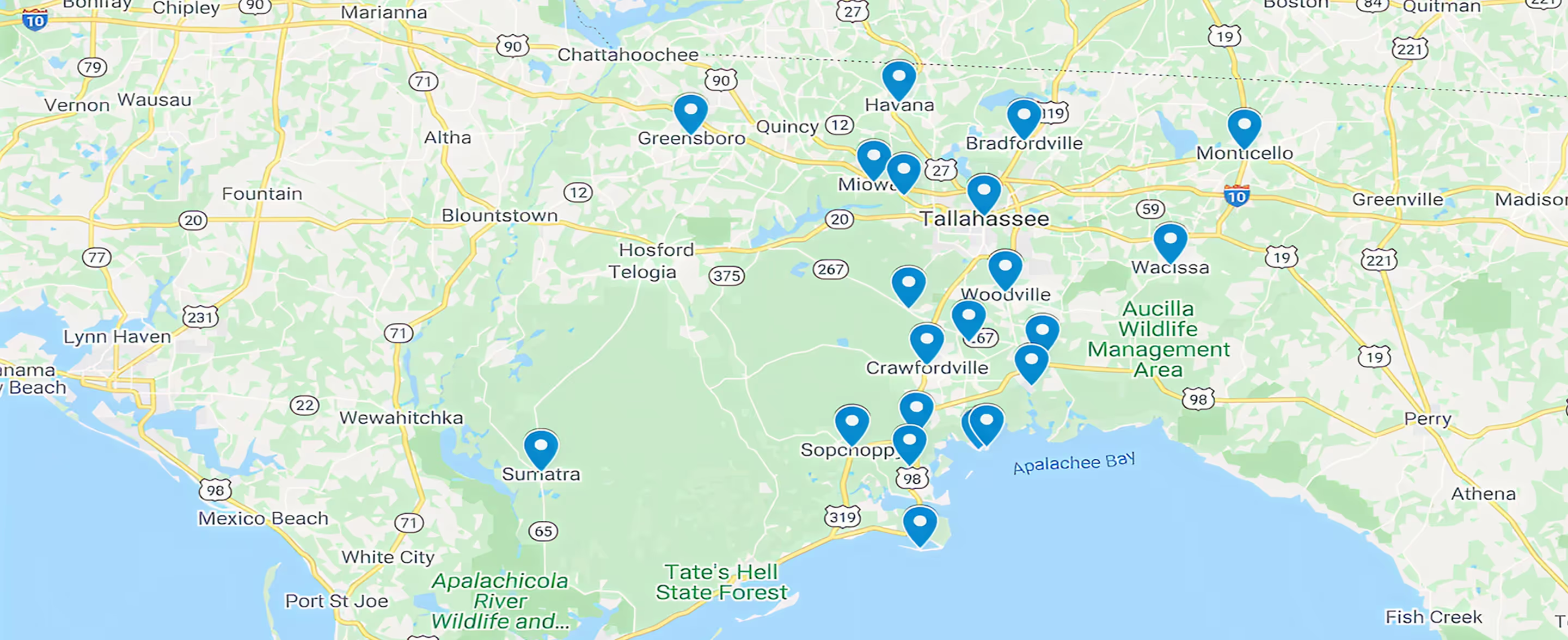
Service area coverage
Services are focused on Tallahassee and surrounding communities in North Florida. Diagnostic and installation approaches account for local building types—historic downtown homes, suburban construction, and properties near wetlands—so solutions are matched to the realities of local climate, vegetation, and storm risk.
Frequently asked questions (FAQ)
Q: How long does an IAQ diagnostic take?A: A comprehensive diagnostic typically takes 1–3 hours depending on home size and testing scope. More extensive sampling for mold or VOCs may require additional time for sample collection and lab analysis.
Q: Will improving IAQ increase my energy bills?A: Properly designed IAQ improvements are aimed at maintaining or improving energy performance. Solutions like ERVs and smarter filtration are intended to balance fresh air needs with efficient HVAC operation. Some point-of-use devices draw modest power, but whole-home strategies focused on system efficiency often reduce overall energy use.
Q: How quickly will I notice health improvements?A: Many homeowners notice reduced allergy symptoms and better sleep within days after installing effective filtration or reducing humidity. Microbial remediation and VOC reduction timelines depend on the severity of the issue and the intervention applied.
Q: Do I need duct cleaning?A: Duct cleaning is recommended when diagnostics show significant particulate buildup, microbial growth, or evidence of contamination. Targeted cleaning combined with filtration and sealing often provides the best long-term result.
Q: Can IAQ solutions prevent mold after a storm?A: IAQ solutions help reduce conditions that favor mold growth (controlled humidity, proper drainage, ventilation), but they do not replace necessary moisture remediation following flood or water intrusion. Prompt drying and repair are essential after storm damage.
This IAQ Service in Tallahassee, FL is structured to diagnose root causes, recommend durable solutions, and maintain system performance over time—keeping indoor air healthier, more comfortable, and better matched to local climate challenges.
hear what our satisfied clients have to say
.avif)

I have nothing but great things to say about this company! From the initial call to trouble shoot our old system to the installation of the new system. Maya was awesome and patient with us and the bank. Stratton, Wilton, and Austin did the removal and install of the systems and they were professional and proficient. I will be recommending this company to everyone and anyone! Thank you for making this less stressful then it needed to be. I'm very grateful for the help and comfort they have given me and my family.
We’ve had issues with our a/c unit freezing up off and on for a month or so. Aden from Keith Key came out and checked our system out. He fixed an issue with the bypass valve and also tuned our fan. Additionally we also replaced our thermostats with new T10’s. He took his time and helped me connect all of them to the WiFi and the app.Aden is very friendly and knowledgeable. I haven’t had an issue with my system since. He was also willing to accept the assistance of our overly helpful shih tzu. Call Keith Key and Aden for any issues with hvac systems, they can get it fixed!
Tryston was amazing! So knowledgeable, pleasant and respectful. Keith Key H/A will forever have my family's business
We had a tenant with no heat during the recent 29 degree weather. I called Keith Key Heating and Air before office hours and left my infomation with their answering service. I got a call back from the office promptly at 8:00 a.m. They were able to schedule us for service the same day. The technician arrived at noon, diagnosed the issue and made the repair. The price was quite reasonable. Everyone that we dealt with was friendly, professional and knowledgeable. I would highly recommend them and will be using them again in the future. Thanks Keith Key Heating & Air!!
Heat wasn't working after the sleet storm and being without power for 18 hours. Keith Key sent Trystan the same day as my call. He did a great job (very personable) and got it repaired in no time. Many thanks!
Keith Key HVAC is wonderful! They service our HVAC and just helped me with a super stressful heating issue while I was out of state. They are very organized and professional, and take extra time to explain and follow up. I just love them!
We've called on Keith Key Heating and Air twice for help. Both times, they responded quickly, and were able to make repairs quickly. The techs we've dealt with have been friendly, reliable, professional and knowledgeable. And they don't dig in your pocket like some have been known to do. I honestly don't know what more we could ask for. A solid 10 of 10, and we highly recommend.
Had to replace my AC and Heating unit. Keith Key Heating and Air was very helpful in finding the right unit money wise for me. The young men they sent was courteous and knowledgeable. They made sure everything was up to my standards before they left. If you have trouble I would highly recommend them to you.
Keith Key regularly services both our personal home and one of our rental properties! They are good about communicating to us about the condition of the units at the rental property which is such a relief! We have had to call them for 2 emergencies and both times the techs appeared happy to be there helping us despite being on the weekend! 10/10 recommend.
Service Areas