IAQ Replacement in Bradfordville, FL
Bradfordville IAQ replacement services address common indoor air quality issues caused by humidity, pollen, mold, and aging HVAC systems. The page outlines when replacement is needed, detailing inspections, performance testing, and cost-benefit considerations to tailor a solution. It compares options such as HEPA filtration, high-MERV filters, UV germicidal lamps, dehumidifiers, and ERV/HRV ventilation, with guidance on sizing and installation. It also covers post-install expectations, warranties, financing, and ongoing maintenance for sustained indoor air quality improvements.
IAQ Replacement in Bradfordville, FL
Indoor air quality replacement in Bradfordville, FL matters because of the local climate and living conditions. High humidity, frequent pollen seasons, and older homes with aging HVAC systems create conditions that accelerate filter loading, mold growth, and particulate accumulation. If your household is seeing recurring allergy symptoms, musty odors, or higher energy bills, an IAQ system replacement could deliver measurable health and efficiency improvements.
Common IAQ replacement issues in Bradfordville homes
- Persistent allergies or asthma flare ups despite routine cleaning. Bradfordville’s tree and grass pollen seasons often make filtration upgrades necessary.
- Musty or damp smells from mold in ductwork, especially during the long humid summer months.
- High indoor humidity that causes condensation, mildew in crawlspaces, or that forces the air conditioner to run nearly continuously.
- Aging or incompatible equipment where existing filters, UV lamps, or electronic cleaners no longer meet performance needs.
- High dust or pet dander loads in homes with pets or open rural lots where outdoor particulates enter the house.
- Excessive energy use or frequent HVAC service calls indicating the IAQ components are restricting airflow or stressing the HVAC system.
How technicians decide when IAQ replacement is needed
A thorough evaluation combines visual inspection with performance testing:
- Visual inspection of filters, filtration housings, UV coils, dehumidifiers, and ductwork condition.
- Airflow and static pressure testing to see if new filters or devices will overload the blower.
- Humidity and temperature logging over several hours or days to assess latent load.
- Particle counts or allergen checks where needed to quantify particulate reduction opportunities.
- Mold or microbial assessment in severe cases.
- Cost versus benefit analysis comparing repair, upgrades, retrofit compatibility, and expected lifetime of replacement components.
Technicians use these diagnostics to recommend either component replacement, a retrofit solution, or a full IAQ system upgrade tailored to the home and Bradfordville climate.
IAQ replacement options explained and compared
Below are the common IAQ replacement options, how they work, and when each is appropriate for Bradfordville homes.
- HEPA filtration
- How it works: Removes 99.97 percent of particles 0.3 microns and larger.
- Best for: Severe allergy and asthma sufferers, homes with pets, or occupants sensitive to pollen.
- Considerations: True in-duct HEPA requires compatible blower capacity and space. Standalone HEPA units are an alternative for specific rooms.
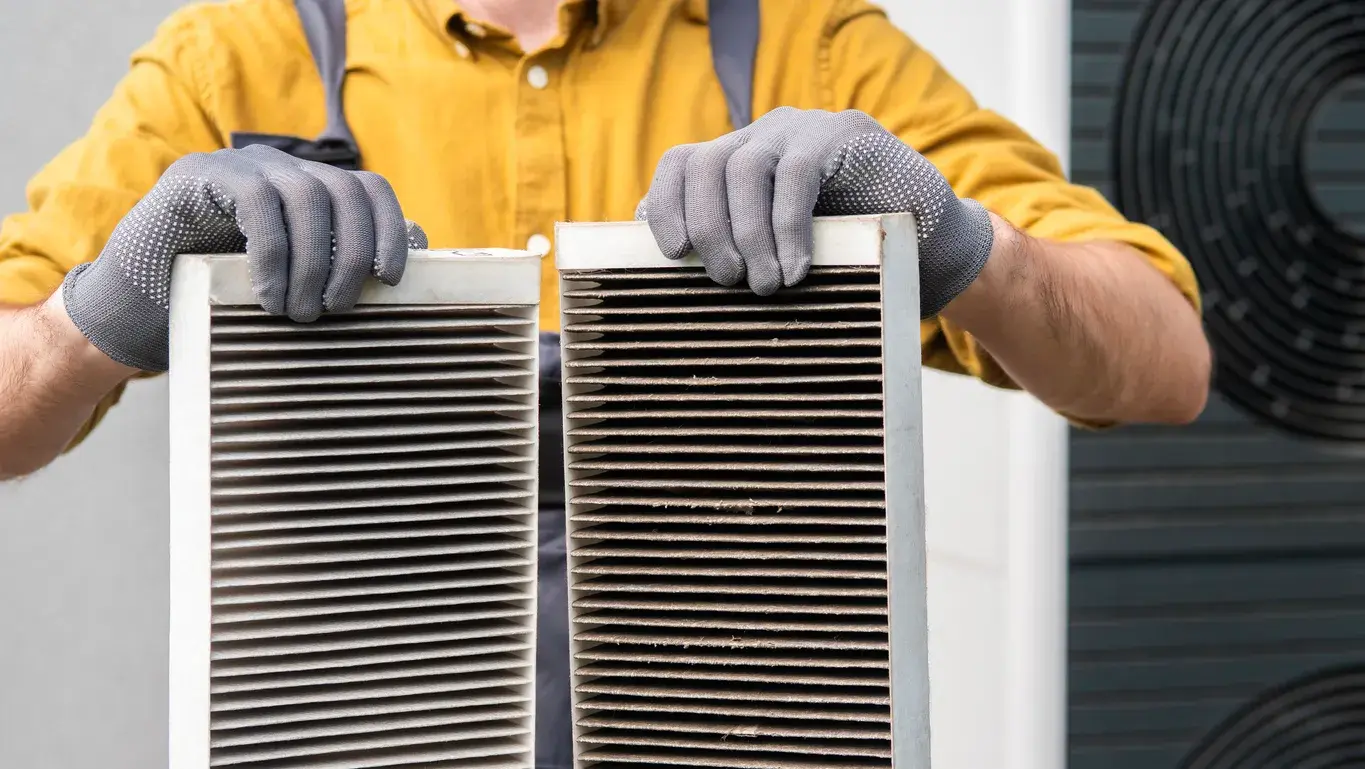
- Pleated media (high MERV) filters
- How it works: Mechanical filtration at selectable MERV ratings to trap dust, pollen, and some fine particles.
- Best for: General improvement in particle capture with minimal complexity.
- Considerations: Higher MERV increases pressure drop; verify HVAC fan can handle the upgrade.
- Electronic filtration and electrostatic precipitators
- How it works: Charges and collects fine particles on plates.
- Best for: Fine particulate control with low replacement filter costs.
- Considerations: Some designs produce ozone; regular maintenance and ozone-compliant models are important.
- UV germicidal lights
- How it works: UV-C lamps mounted near coils and drain pans to reduce microbial growth.
- Best for: Homes with coil mold, recurring coil contamination, or occupants concerned about biological contaminants.
- Considerations: UV controls microbes on surfaces; it does not remove particles.
- Whole-house dehumidifiers and humidifiers
- How it works: Controls indoor relative humidity via integrated systems tied to the HVAC.
- Best for Bradfordville: Whole-house dehumidifiers are highly recommended given the humid subtropical climate to reduce mold and AC runtime. Humidifiers are seldom necessary except in rare cold snaps.
- Considerations: Proper sizing is key to avoid over-drying or unnecessary energy use.
- ERV/HRV (energy recovery ventilators / heat recovery ventilators)
- How it works: Provides controlled mechanical ventilation while transferring heat and, with ERV, some moisture.
- Best for: Tighter, newer builds where fresh air is needed without major energy penalty.
- Considerations for Bradfordville: ERVs can transfer moisture. In humid climates, combine with dehumidification or use HRV/ERV only with appropriate moisture control strategies.
Energy and health benefits of newer IAQ equipment
Upgrading IAQ systems delivers both energy and health advantages:
- Lower allergen and particulate loads reduce respiratory symptoms and improve sleep quality.
- Proper humidity control reduces mold growth and structural moisture risks in Bradfordville’s humid climate.
- Modern filtration and balanced ventilation reduce HVAC coil fouling, improving efficiency and lowering energy use.
- Well-matched systems can reduce HVAC runtime by improving latent load management, which lowers utility costs and extends equipment life.
Selecting the right solution for Bradfordville homes
Selection depends on house size, duct condition, occupant health needs, and climate factors:
- If allergies or asthma are primary concerns, prioritize HEPA or high-MERV media filtration combined with sealed ductwork.
- For mold or damp odors, include a whole-house dehumidifier and UV germicidal lamps at the coil.
- For older homes with leaky ducts, prioritize duct sealing and media filtration; add balanced ventilation if the house is tightened.
- For new builds or major HVAC replacements, consider integrated ERV/HRV with dehumidification planning.
Sizing, airflow compatibility, and professional matching to the HVAC system matter as much as product choice. A mismatched high-efficiency filter can reduce airflow and negate benefits, so evaluation is critical.
Installation, disposal, and what to expect after replacement
Installation typically involves a pre-install inspection, modification of filter housings or duct penetrations, electrical hookups for fans or UV lamps, and commissioning tests for airflow, pressure, and humidity control. Proper installation minimizes air bypass and maintains manufacturer warranties.
Old units and components are removed and disposed of according to local regulations. UV bulbs and electronic plates may require special handling or recycling. Installation crews should clean work areas and take steps to limit particulate release into the home during change out.
Performance expectations after IAQ replacement:
- Immediate reduction in visible dust and odors.
- Particle counts can drop dramatically within hours to days depending on the solution.
- Humidity levels should stabilize to target range 45 to 50 percent if a properly sized dehumidifier is installed.
- Coil and system cleanliness improvements will reduce AC runtime over weeks to months as the system stabilizes.
Warranties, financing, and ongoing maintenance
New IAQ equipment typically carries manufacturer warranties for parts and limited labor warranties for installation. Warranty lengths vary by product type. Financing programs are commonly available for homeowners replacing major IAQ systems to spread costs over time.
Ongoing maintenance is essential to preserve performance:
- Replace or clean filters on the schedule recommended for the installed MERV or HEPA system.
- Replace UV lamps annually and clean lamp sleeves.
- Monitor humidity and inspect dehumidifier drainage yearly.
- Schedule annual HVAC and IAQ system checks to verify airflow, controls, and overall function.
Selecting the right IAQ replacement in Bradfordville, FL requires balancing health priorities, local climate challenges, and HVAC compatibility. A careful evaluation and properly executed replacement plan will deliver clearer air, reduced mold risk, and more efficient heating and cooling for your home.
hear what our satisfied clients have to say
.avif)

I have nothing but great things to say about this company! From the initial call to trouble shoot our old system to the installation of the new system. Maya was awesome and patient with us and the bank. Stratton, Wilton, and Austin did the removal and install of the systems and they were professional and proficient. I will be recommending this company to everyone and anyone! Thank you for making this less stressful then it needed to be. I'm very grateful for the help and comfort they have given me and my family.
We’ve had issues with our a/c unit freezing up off and on for a month or so. Aden from Keith Key came out and checked our system out. He fixed an issue with the bypass valve and also tuned our fan. Additionally we also replaced our thermostats with new T10’s. He took his time and helped me connect all of them to the WiFi and the app.Aden is very friendly and knowledgeable. I haven’t had an issue with my system since. He was also willing to accept the assistance of our overly helpful shih tzu. Call Keith Key and Aden for any issues with hvac systems, they can get it fixed!
Tryston was amazing! So knowledgeable, pleasant and respectful. Keith Key H/A will forever have my family's business
We had a tenant with no heat during the recent 29 degree weather. I called Keith Key Heating and Air before office hours and left my infomation with their answering service. I got a call back from the office promptly at 8:00 a.m. They were able to schedule us for service the same day. The technician arrived at noon, diagnosed the issue and made the repair. The price was quite reasonable. Everyone that we dealt with was friendly, professional and knowledgeable. I would highly recommend them and will be using them again in the future. Thanks Keith Key Heating & Air!!
Heat wasn't working after the sleet storm and being without power for 18 hours. Keith Key sent Trystan the same day as my call. He did a great job (very personable) and got it repaired in no time. Many thanks!
Keith Key HVAC is wonderful! They service our HVAC and just helped me with a super stressful heating issue while I was out of state. They are very organized and professional, and take extra time to explain and follow up. I just love them!
We've called on Keith Key Heating and Air twice for help. Both times, they responded quickly, and were able to make repairs quickly. The techs we've dealt with have been friendly, reliable, professional and knowledgeable. And they don't dig in your pocket like some have been known to do. I honestly don't know what more we could ask for. A solid 10 of 10, and we highly recommend.
Had to replace my AC and Heating unit. Keith Key Heating and Air was very helpful in finding the right unit money wise for me. The young men they sent was courteous and knowledgeable. They made sure everything was up to my standards before they left. If you have trouble I would highly recommend them to you.
Keith Key regularly services both our personal home and one of our rental properties! They are good about communicating to us about the condition of the units at the rental property which is such a relief! We have had to call them for 2 emergencies and both times the techs appeared happy to be there helping us despite being on the weekend! 10/10 recommend.
Service Areas