IAQ Repair in Carrabelle, FL
Carrabelle, FL IAQ Repair explains diagnosing and repairing indoor air quality systems after coastal stressors like humidity, salt air, and storms. It covers common systems (air purifiers, UV, dehumidifiers, humidifiers, ERV/HRV, filtration), typical failures (clogged filters, corrosion, UV/ballast issues, condensate problems, sensor drift), on-site diagnostic steps, repair options, estimated timelines, warranty considerations, and when to repair versus replace. It stresses preventive maintenance to preserve performance and warranties and outlines checks such as visual inspection, airflow and moisture tests, electrical testing, sensor calibration, and component inspection.
IAQ Repair in Carrabelle, FL
Indoor air quality repair in Carrabelle, FL focuses on restoring clean, safe, and comfortable indoor environments after equipment failures or performance declines. Coastal humidity, salt air and frequent storms create specific stressors for IAQ equipment here: persistent high relative humidity encourages mold and condensate problems, and salt corrosion accelerates wear on metal components. This page explains common IAQ equipment failures, on-site diagnostic steps, typical repair processes and timelines, warranty considerations, and clear guidance on when repair makes sense versus replacement for Carrabelle homes.
Common IAQ systems we diagnose and repair
- Air purifiers (HEPA, electronic, and activated carbon units)
- UV / UV-coil systems for microbial control on HVAC coils
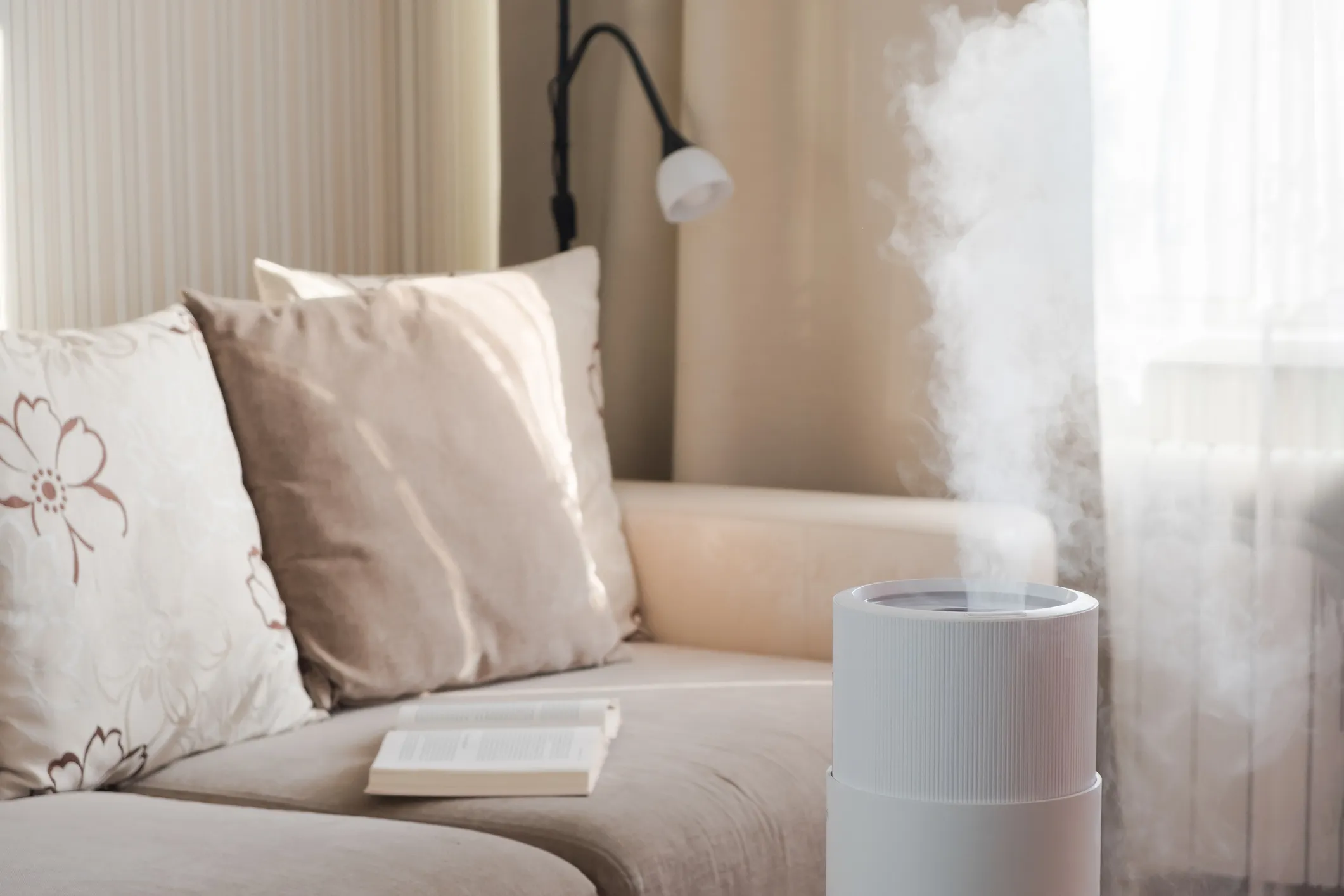
- Whole-house dehumidifiers and portable dehumidifiers
- Humidifiers (bypass, flow-through, steam)
- ERV / HRV units (balanced ventilation systems)
- Filtration systems (media filters, MERV-rated filter banks, filter housings)
Most frequent failure modes in Carrabelle homes
- Clogged or bypassed filters reducing airflow and increasing dust and allergen levels.
- Fan and blower motor wear causing weak airflow, unusual noises, or intermittent operation. Salt corrosion from coastal air accelerates motor and housing deterioration.
- UV lamp or ballast failure: lamps reach end-of-life or ballasts fail, dropping microbial control on coils.
- Condensate drain clogs and overflow in dehumidifiers and humidifiers, often leading to water damage or shutoffs.
- Compressor failure in whole-house dehumidifiers or refrigerant issues causing no dehumidification.
- Sensor drift or failure (humidity, CO2, VOC sensors) producing incorrect control behavior.
- ERV/HRV core damage or clogged heat-exchange cores, particularly when units are not maintained seasonally.
- Corroded coils and heat exchangers from salt-laden air or poor filtration, reducing heat transfer and performance.
On-site diagnostic and troubleshooting steps
- Visual inspection: check filters, wiring, corrosion, condensate lines, and physical damage. Look for signs of salt corrosion after storms.
- Airflow and pressure checks: measure supply and return airflow; assess pressure drop across filters and media.
- Moisture and condensate checks: confirm condensate drains are clear and pans are dry; inspect for signs of mold or microbial growth.
- Operational tests: run equipment through control cycles to reproduce reported issues—note noises, cycles, and error codes.
- Electrical testing: verify voltage to motors, check capacitors, thermostats, and control boards for faults.
- Sensor and calibration checks: test humidity, CO2, and other sensors against reference meters; recalibrate or replace if out of tolerance.
- Component inspection: examine UV lamps for life hours, ballasts for function, and ERV cores for blockage or damage.
These steps typically determine whether a quick on-site fix, a parts swap, or a more extensive repair is required.
Typical repair solutions and parts replacement
- Filter and gasket replacement: restoring proper sealing and airflow with correct MERV-rated media.
- Fan/blower motor replacement or bearing repair: common on older or salt-damaged units.
- UV lamp and ballast replacement: routine on systems showing reduced microbial control. Lamps are treated as expected maintenance items.
- Condensate line cleaning and trap replacement: prevents overflow and water damage.
- Compressor or refrigerant repairs for whole-house dehumidifiers when cooling circuits fail. Major refrigeration work may require specialized parts.
- Sensor replacement or recalibration to restore accurate humidity and ventilation control.
- ERV core cleaning or replacement when moisture and pollen loading reduce effectiveness.
- Control board or relay replacement if electrical components fail or show intermittent faults.
Parts used are typically manufacturer-specified; where OEM parts are unavailable, industry-standard equivalents may be used while noting potential warranty implications.
Estimated repair timelines
- Minor adjustments and filter or lamp changes: often completed same day, usually within a few hours.
- Motor, sensor, or controlboard replacements: commonly completed within 1 business day if parts are on hand.
- Compressor or refrigeration circuit repairs: typically 1–3 days including leak checks and recharge, depending on parts availability.
- ERV core replacement or major retrofits: 2–5 days depending on access and replacement part lead time.
- Custom or obsolete parts: lead times vary and can extend repairs by multiple weeks if ordered from specialty suppliers.
Timelines depend on part availability, access to equipment (attics, crawlspaces), and whether additional remediation (mold cleanup, duct repairs) is needed.
Warranty and parts information
- Manufacturer warranties commonly cover specific components for set periods (for example, lamps, motors, compressors), and labor warranties may vary. UV lamps typically have shorter coverage due to consumable life. Motors and compressors often carry longer manufacturer warranties but may be voided by corrosion or improper maintenance.
- Using OEM parts generally preserves manufacturer warranty coverage; aftermarket parts can be appropriate for older systems but may affect warranty claims.
- Keep records of service dates, replaced parts, and model/serial numbers to simplify any warranty claims and future maintenance.
When to repair versus replace
Repair is recommended when:
- The issue is isolated (single failed component) and the rest of the system is in good condition.
- The equipment is relatively new and under warranty or within expected service life.
- Repairs will restore performance efficiently with minimal risk of imminent additional failures.
Replace when:
- The system is repeatedly failing or requires frequent part replacements.
- Equipment is near or beyond typical service life (many IAQ components and whole-house units exceed designed performance at 10–15 years).
- Corrosion, extensive coil damage, or discontinued parts make reliable repair impractical.
- The home requires an upgrade in filtration efficiency, dehumidification capacity, or a move to newer IAQ technologies (HEPA-grade filtration, modern ERV/ERV designs) to meet health needs.
In Carrabelle specifically, upgrades can be especially beneficial where humidity control and salt corrosion resistance are priorities. Replacing older units with models designed for coastal, high-humidity environments often improves longevity and reduces total lifecycle service needs.
Preventive maintenance and benefits of timely IAQ repair
Timely IAQ repair restores proper airflow, humidity control and filtration—reducing mold growth, preventing water damage, improving comfort, and protecting people with allergies or respiratory sensitivities. Regular seasonal inspections in Carrabelle’s humid and coastal climate reduce emergency repairs, extend equipment life, and maintain manufacturer warranties. Simple preventive steps include scheduled filter changes, annual UV lamp checks, drain inspections after storm seasons, and monitoring indoor relative humidity year-round.
Overall, addressing IAQ system problems early in Carrabelle homes minimizes health risks, avoids secondary damage, and keeps ventilation and dehumidification systems running efficiently in a challenging coastal environment.
hear what our satisfied clients have to say
.avif)

I have nothing but great things to say about this company! From the initial call to trouble shoot our old system to the installation of the new system. Maya was awesome and patient with us and the bank. Stratton, Wilton, and Austin did the removal and install of the systems and they were professional and proficient. I will be recommending this company to everyone and anyone! Thank you for making this less stressful then it needed to be. I'm very grateful for the help and comfort they have given me and my family.
We’ve had issues with our a/c unit freezing up off and on for a month or so. Aden from Keith Key came out and checked our system out. He fixed an issue with the bypass valve and also tuned our fan. Additionally we also replaced our thermostats with new T10’s. He took his time and helped me connect all of them to the WiFi and the app.Aden is very friendly and knowledgeable. I haven’t had an issue with my system since. He was also willing to accept the assistance of our overly helpful shih tzu. Call Keith Key and Aden for any issues with hvac systems, they can get it fixed!
Tryston was amazing! So knowledgeable, pleasant and respectful. Keith Key H/A will forever have my family's business
We had a tenant with no heat during the recent 29 degree weather. I called Keith Key Heating and Air before office hours and left my infomation with their answering service. I got a call back from the office promptly at 8:00 a.m. They were able to schedule us for service the same day. The technician arrived at noon, diagnosed the issue and made the repair. The price was quite reasonable. Everyone that we dealt with was friendly, professional and knowledgeable. I would highly recommend them and will be using them again in the future. Thanks Keith Key Heating & Air!!
Heat wasn't working after the sleet storm and being without power for 18 hours. Keith Key sent Trystan the same day as my call. He did a great job (very personable) and got it repaired in no time. Many thanks!
Keith Key HVAC is wonderful! They service our HVAC and just helped me with a super stressful heating issue while I was out of state. They are very organized and professional, and take extra time to explain and follow up. I just love them!
We've called on Keith Key Heating and Air twice for help. Both times, they responded quickly, and were able to make repairs quickly. The techs we've dealt with have been friendly, reliable, professional and knowledgeable. And they don't dig in your pocket like some have been known to do. I honestly don't know what more we could ask for. A solid 10 of 10, and we highly recommend.
Had to replace my AC and Heating unit. Keith Key Heating and Air was very helpful in finding the right unit money wise for me. The young men they sent was courteous and knowledgeable. They made sure everything was up to my standards before they left. If you have trouble I would highly recommend them to you.
Keith Key regularly services both our personal home and one of our rental properties! They are good about communicating to us about the condition of the units at the rental property which is such a relief! We have had to call them for 2 emergencies and both times the techs appeared happy to be there helping us despite being on the weekend! 10/10 recommend.
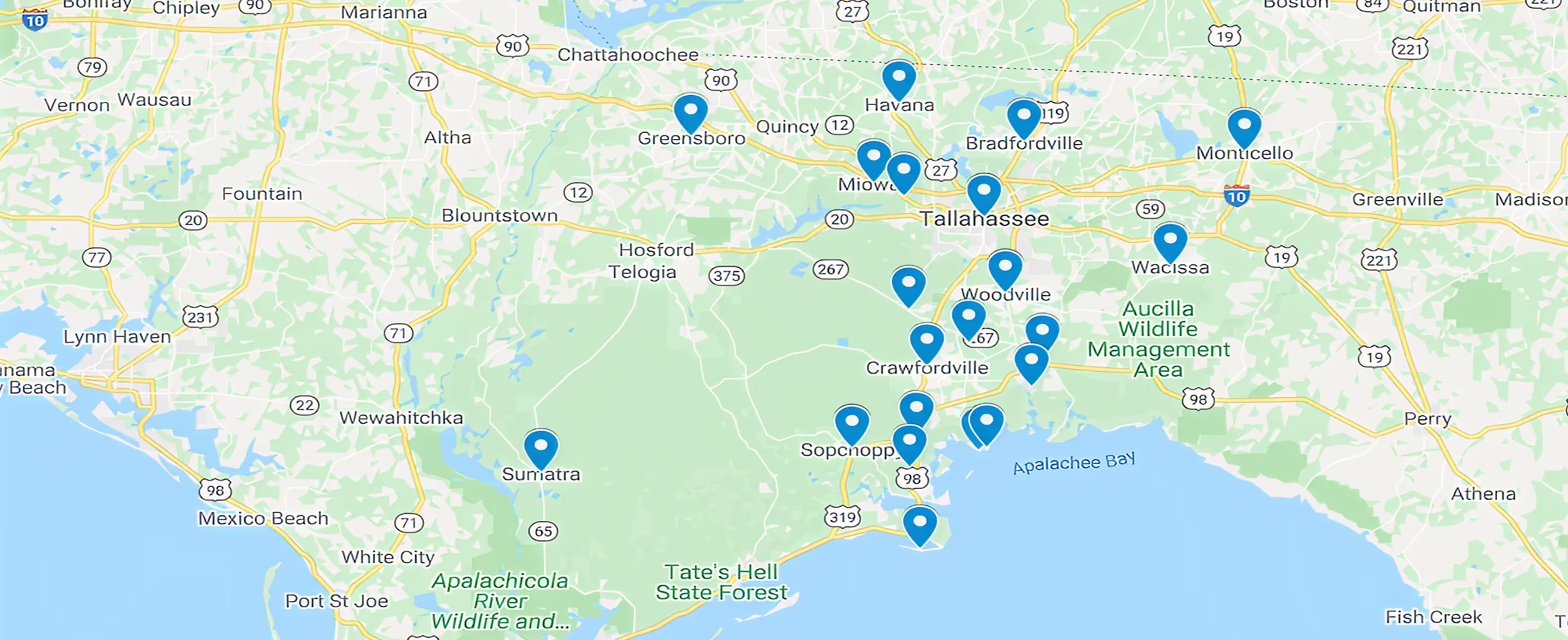
Service Areas