IAQ Maintenance in Wacissa, FL

Maintaining indoor air quality (IAQ) in Wacissa, FL is crucial due to humidity, pollen, and seasonal storms that can drive mold, dust, and uneven airflow. The page outlines common IAQ problems, a comprehensive maintenance program with scheduled filter changes, coil cleaning, UV lamp checks, humidification control, ventilation balancing, duct inspection, and diagnostic testing. It also covers recommended service frequencies, the diagnostic visit, and available service plans, highlighting health, efficiency, and long-term protection for homes in this humid Florida climate.
IAQ Maintenance in Wacissa, FL
Indoor air quality (IAQ) maintenance in Wacissa, FL matters year-round. The area’s warm, humid climate, frequent pollen and seasonal storms create conditions that accelerate mold growth, promote high indoor humidity, and increase airborne allergens. A proactive IAQ maintenance program reduces health risks, improves comfort, and extends the life and efficiency of HVAC and ventilation equipment in local homes.
Common IAQ problems in Wacissa homes
- High indoor humidity and mold growth — Coastal plain and spring-fed waterways contribute to persistently high moisture levels that encourage microbial growth on coils, duct surfaces, and building materials.
- Pollen and allergens — Spring and summer bring heavy pollen loads that quickly clog filters and settle in ducts and living spaces.
- Dust, particulate buildup, and odors — Rural properties and older duct systems can accumulate dust, pet dander, and organic debris that degrade air quality.
- Ventilation imbalance and inefficient airflow — Homes with additions, older attics, or undersized systems often have poor distribution, creating hot/cold spots and stagnant indoor air.
- Contaminated coils and UV lamp degradation — Dirty coils and aged UV lamps reduce system efficiency and allow biological films to persist.
What a comprehensive IAQ maintenance program includes
A thorough IAQ maintenance service combines scheduled tasks, inspections, and diagnostics to keep indoor air healthy and equipment operating at peak performance. Core components typically include:
- Scheduled filter and media replacement
- Replace disposable filters (1–3 inch) every 1–3 months depending on use, pets, and pollen season.
- Replace pleated or high-efficiency media filters per manufacturer guidance (often every 6–12 months) or sooner if pressure drop is detected.
- UV lamp inspection and replacement
- Check UV lamps that sanitize coils and drain pans for proper operation; replace lamps annually or when output drops below spec.
- Coil cleaning and inspection
- Inspect and clean evaporator and condenser coils to remove biofilm and debris that restrict airflow and reduce heat transfer. In Wacissa’s humid climate, coil checks are especially important to prevent microbial growth.
- Humidifier and dehumidifier servicing
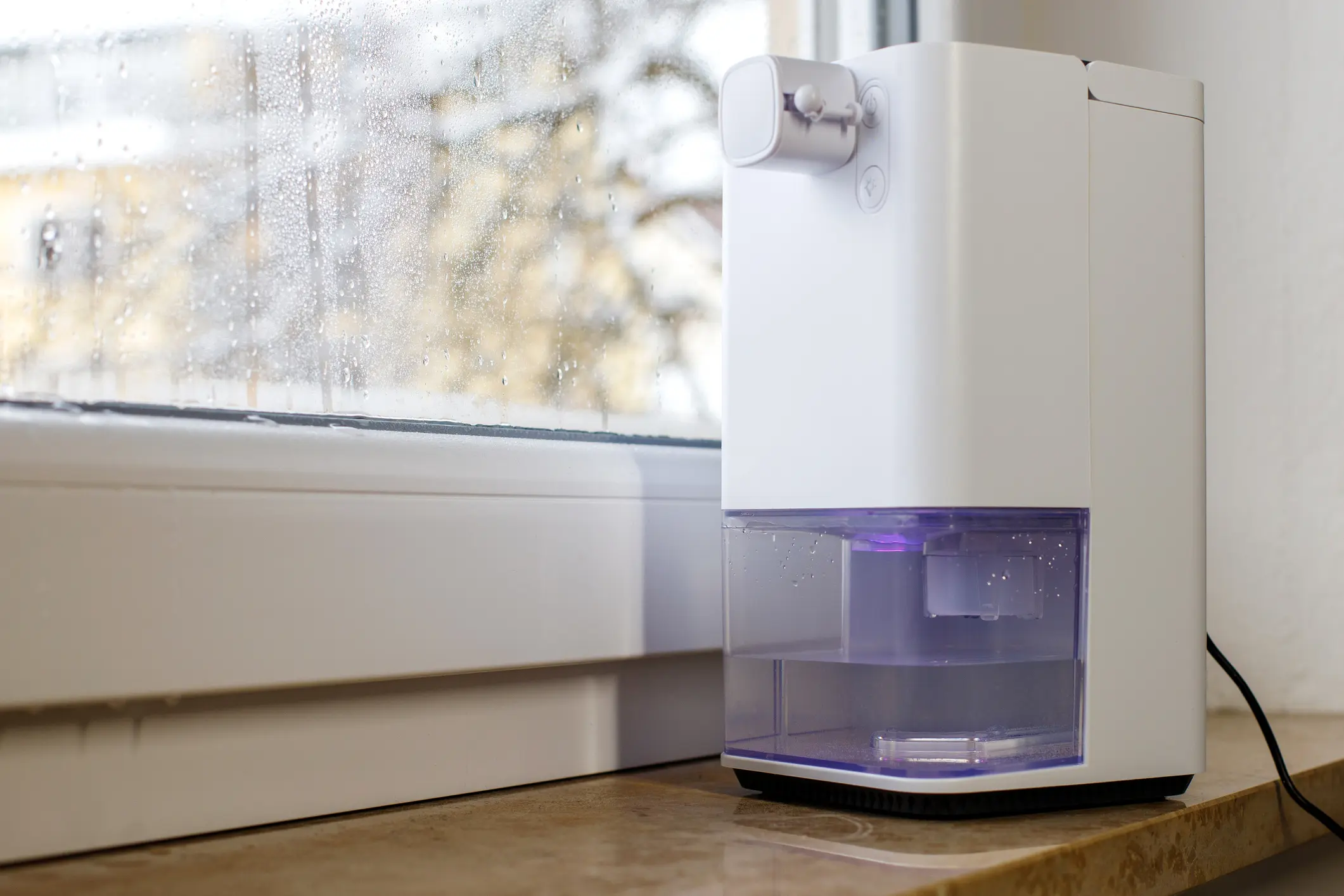
- Clean and sanitize humidifier components before seasonal use; inspect reservoir and pads. For whole-home dehumidifiers, verify drain paths, controls, and humidity sensing to prevent excess moisture during warm months.
- Ventilation balancing and mechanical ventilation checks
- Test and balance supply and exhaust to ensure proper whole-house ventilation rates. Inspect ERVs/HRVs and make adjustments to accommodate seasonal needs and high-humidity periods.
- Duct inspection and targeted cleaning
- Inspect ducts for leaks, mold, pest intrusion, and insulation problems. Clean or isolate contaminated sections, and recommend sealing or repairs when needed.
- Airflow and diagnostic testing
- Measure static pressure, supply/return airflow, and room-by-room temperatures. Use humidity meters and particle counters when indicated to quantify IAQ issues.
- Documentation and scheduling
- Provide a written report of findings, recommended actions, and a maintenance schedule tailored to your home and local conditions.
Diagnostic process: what to expect during a visit
- Visual inspection of HVAC equipment, ductwork, vents, and accessible attic/crawl spaces.
- Filter condition check and immediate replacement if heavily loaded.
- Measurement of system airflow, static pressures, and refrigerant operating conditions to determine efficiency.
- Humidity readings indoors and comparison to outdoor values to assess dehumidification needs.
- Coil and drain pan inspection for biological growth and blockages.
- Ventilation assessment including testing of exhaust fans, make-up air and any energy recovery ventilators.
- A clear, prioritized report with actions, recommended timeline, and frequency for follow-up visits.
Recommended maintenance frequencies for Wacissa, FL
- Filter (standard 1-inch): Replace every 1–3 months during high pollen/humidity.
- Pleated/media filters: Inspect every 3 months; replace every 6–12 months or per pressure drop.
- UV lamp: Test every 6 months; replace annually.
- Coils and drain pan: Inspect annually; clean as needed—consider twice yearly in very humid or biological-prone conditions.
- Dehumidifier: Service at start of high-humidity season; inspect drains monthly.
- Humidifier: Inspect before use in cooler months (if present) and clean annually.
- Ventilation and balancing: Inspect and test annually; rebalance after major home changes or renovations.
- Duct inspection: Every 3–5 years, sooner if occupants have allergies, pets, or signs of contamination.
- Full IAQ audit (including particle counting and VOC screening if needed): Every 2–4 years or after persistent complaints.
Benefits of preventative IAQ maintenance
- Healthier indoor environment — Regular removal of allergens, mold, and particulates reduces symptoms for allergy and asthma sufferers and lowers respiratory risk for all occupants.
- Improved system efficiency and lower energy use — Clean coils, properly sealed ducts, and unrestricted airflow reduce runtime and energy consumption.
- Fewer unexpected repairs and longer equipment life — Detecting small issues early prevents costly failures and extends the lifespan of HVAC components.
- Consistent comfort and humidity control — Balanced ventilation and properly tuned dehumidification keep indoor humidity in a comfortable range, preventing mold and material damage.
- Documentation and trend tracking — Routine service provides records that show improvements or emerging problems, supporting smarter long-term decisions about system upgrades.
Service agreement options and what they typically cover
Homeowners often choose an agreement that matches their needs and local conditions. Common tiers include:
- Basic maintenance plan
- Annual or biannual system tune-ups, priority scheduling for maintenance windows, standard filter reminders or basic replacements.
- Comprehensive IAQ plan
- Regular filter/media replacement, annual coil and UV lamp service, humidity control checks, ventilation balancing, and a semiannual inspection. Includes written reports and seasonal adjustments.
- Premium or residential IAQ partnership
- All comprehensive features plus scheduled duct inspections, discounted parts and labor, emergency priority response, IAQ sensor installation or monitoring, and automatic replacement scheduling for filters and lamps.
Each plan should specify visit frequency, components covered, documentation practices, and any limits on parts or diagnostic testing so homeowners know exactly what to expect.
Final notes on IAQ maintenance in Wacissa
Given Wacissa’s humid climate, proximity to springs, and seasonal pollen loads, targeted IAQ maintenance is one of the most effective ways to protect indoor comfort, health, and HVAC investments. A tailored program that combines scheduled filter changes, UV and coil care, humidity management, and ventilation balancing will address the most common regional issues and deliver measurable benefits over time. Regular inspections and documented maintenance plans ensure your home’s air remains clean, dry, and comfortable throughout the year.
hear what our satisfied clients have to say
.avif)

I have nothing but great things to say about this company! From the initial call to trouble shoot our old system to the installation of the new system. Maya was awesome and patient with us and the bank. Stratton, Wilton, and Austin did the removal and install of the systems and they were professional and proficient. I will be recommending this company to everyone and anyone! Thank you for making this less stressful then it needed to be. I'm very grateful for the help and comfort they have given me and my family.
We’ve had issues with our a/c unit freezing up off and on for a month or so. Aden from Keith Key came out and checked our system out. He fixed an issue with the bypass valve and also tuned our fan. Additionally we also replaced our thermostats with new T10’s. He took his time and helped me connect all of them to the WiFi and the app.Aden is very friendly and knowledgeable. I haven’t had an issue with my system since. He was also willing to accept the assistance of our overly helpful shih tzu. Call Keith Key and Aden for any issues with hvac systems, they can get it fixed!
Tryston was amazing! So knowledgeable, pleasant and respectful. Keith Key H/A will forever have my family's business
We had a tenant with no heat during the recent 29 degree weather. I called Keith Key Heating and Air before office hours and left my infomation with their answering service. I got a call back from the office promptly at 8:00 a.m. They were able to schedule us for service the same day. The technician arrived at noon, diagnosed the issue and made the repair. The price was quite reasonable. Everyone that we dealt with was friendly, professional and knowledgeable. I would highly recommend them and will be using them again in the future. Thanks Keith Key Heating & Air!!
Heat wasn't working after the sleet storm and being without power for 18 hours. Keith Key sent Trystan the same day as my call. He did a great job (very personable) and got it repaired in no time. Many thanks!
Keith Key HVAC is wonderful! They service our HVAC and just helped me with a super stressful heating issue while I was out of state. They are very organized and professional, and take extra time to explain and follow up. I just love them!
We've called on Keith Key Heating and Air twice for help. Both times, they responded quickly, and were able to make repairs quickly. The techs we've dealt with have been friendly, reliable, professional and knowledgeable. And they don't dig in your pocket like some have been known to do. I honestly don't know what more we could ask for. A solid 10 of 10, and we highly recommend.
Had to replace my AC and Heating unit. Keith Key Heating and Air was very helpful in finding the right unit money wise for me. The young men they sent was courteous and knowledgeable. They made sure everything was up to my standards before they left. If you have trouble I would highly recommend them to you.
Keith Key regularly services both our personal home and one of our rental properties! They are good about communicating to us about the condition of the units at the rental property which is such a relief! We have had to call them for 2 emergencies and both times the techs appeared happy to be there helping us despite being on the weekend! 10/10 recommend.
Service Areas