IAQ Installation in Shell Point, FL
IAQ installations in Shell Point, FL address challenges from coastal humidity, salt air, pollen, and mold. Proper equipment selection—including high-efficiency filters, whole-home dehumidifiers, UV lights, ventilation, and smart sensors—is combined with correct sizing and seamless integration with existing HVAC systems. The process includes on-site assessment, permitting, step-by-step installation, commissioning, and guidance on homeowner maintenance. These measures ensure effective humidity control, cleaner indoor air, and reliable system performance, with local climate considerations and practical timelines for single-story homes.
IAQ Installation in Shell Point, FL
Indoor air quality (IAQ) matters year-round in Shell Point, FL. Coastal humidity, salt air, seasonal pollen, and the higher prevalence of mold in warm climates all affect comfort and health—especially in retirement communities where residents are more sensitive to respiratory issues. A well-planned IAQ installation reduces allergens, controls moisture, and integrates with your existing HVAC system to deliver measurable, lasting improvements. Below is a clear, expert guide to the IAQ installation process tailored for Shell Point homes, what to expect, and how to maintain performance.
Common IAQ issues in Shell Point, FL
Homes in Shell Point commonly face:
- High indoor humidity leading to mold, mildew, and musty odors
- Salt-laden coastal air accelerating corrosion of exterior equipment
- Seasonal pollen and dust worsening allergy symptoms
- VOCs from cleaning products, paints, or new materials
- Stale air in tightly sealed homes or in units with limited ventilation
Understanding these local factors guides the right equipment choices—humidification is often unnecessary here, while dehumidification, filtration upgrades, UV germicidal treatment, and well-designed ventilation are frequently the priority.
IAQ system options and when to use them
Modern IAQ installations typically combine several technologies to address specific problems. Common components include:
- High-efficiency furnace/AC filters (MERV 8–13) — removes dust and pollen; appropriate MERV rating depends on occupant sensitivities and system capability
- Whole-home HEPA or true-HEPA solutions — for homes with severe allergies or immune-compromised residents
- UV germicidal lights — mounted near evaporator coils to control mold and bacterial growth on coils and in ductwork
- Advanced media filtration — for VOC reduction and finer particulate capture
- ERV/HRV systems — bring in fresh air while recovering energy; in humid climates an ERV can moderate moisture transfer but must be sized and controlled to avoid introducing excess humidity
- Whole-house dehumidifiers — often essential in Shell Point to keep relative humidity below recommended thresholds and prevent mold
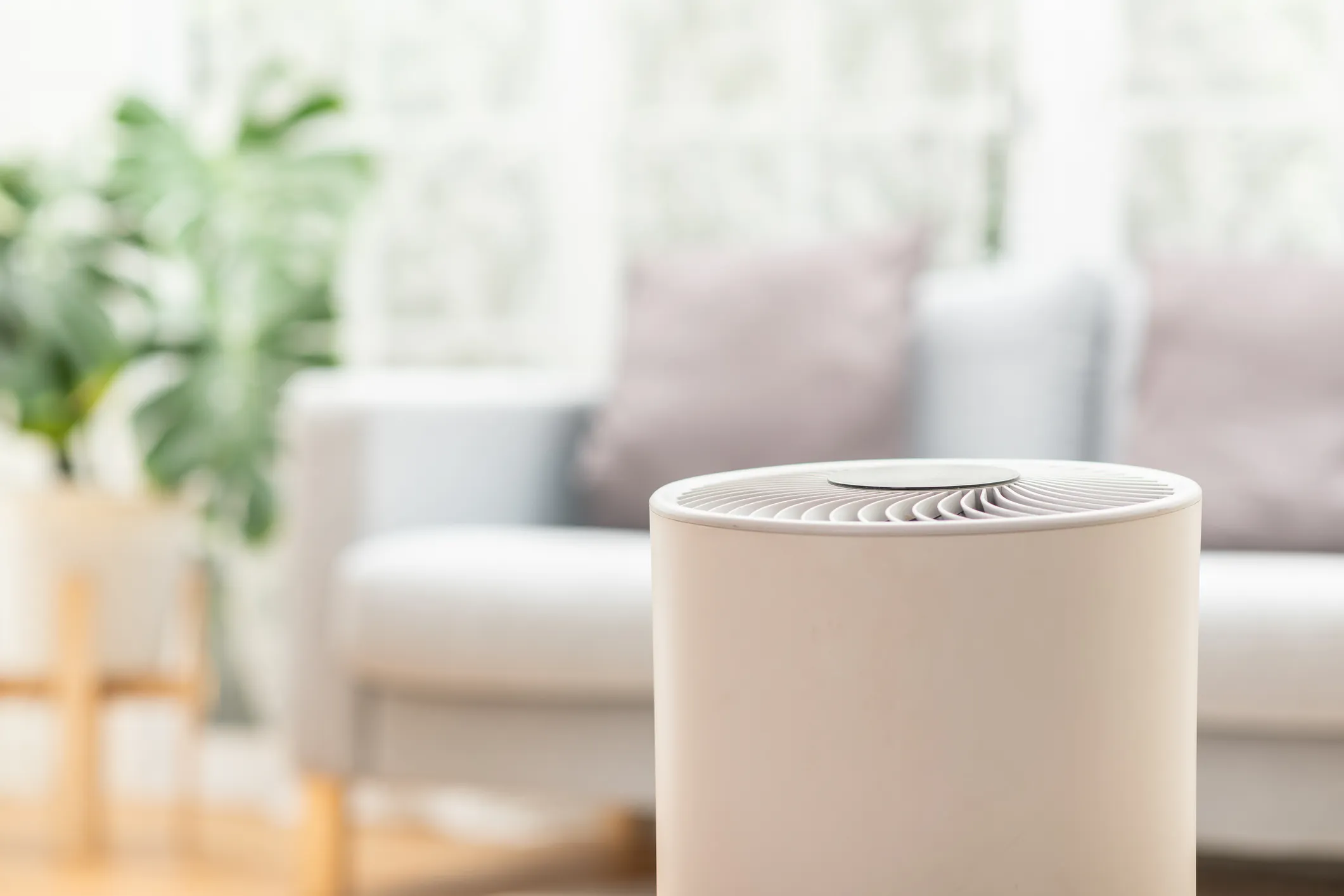
- Portable air purifiers — supplemental solution for specific rooms or temporary needs
- Smart IAQ sensors and controllers — monitor humidity, particulate matter (PM2.5), CO2 and VOCs to automate equipment and provide alerts
Initial assessment and testing
A thorough IAQ installation begins with a diagnostic assessment:
- Visual inspection of HVAC equipment, ductwork, attic and crawlspaces for leaks, mold evidence, and corrosion
- Measurement of indoor relative humidity, temperature, CO2, PM2.5, and common VOCs
- Airflow testing (CFM) and static pressure checks to verify duct capacity and identify restrictions
- Surface and suspected-moisture testing in problem areas
This data establishes a baseline, identifies the most impactful interventions, and informs equipment selection and sizing.
System selection, sizing and integration with existing HVAC
Proper sizing and integration are critical for performance and longevity:
- Equipment is selected to match your home’s airflow needs, duct layout, and occupants’ health needs—not based on generic square footage alone
- Dehumidifiers are sized to handle Shell Point’s typical latent loads; undersized units fail to control humidity, oversized units cycle poorly
- Filtration upgrades consider both MERV rating and fan capacity—higher-efficiency filters increase resistance and require evaluation of the blower’s ability to maintain required CFM
- ERV/HRV selection depends on occupancy patterns; in many Shell Point homes, controlled mechanical ventilation with humidity-aware controls provides balanced fresh air without introducing excess moisture
- Corrosion-resistant materials and outdoor component placement are recommended to mitigate salt-air exposure
Permitting, scheduling and local considerations
IAQ upgrades that alter HVAC equipment, ductwork, or electrical components commonly require local permits. Planning typically includes:
- Coordination with Lee County or community property management for any required permits or approvals
- Scheduling around resident availability and weather—coastal humidity and storm season can affect optimal installation windows
- Consideration for HOA or community guidelines in Shell Point regarding exterior equipment placement and noise controls
Allow time for permit review in project timelines; experienced contractors will advise on expected local processing times.
Step-by-step installation and commissioning
Typical installation flow:
- Finalize system design and obtain permits if required
- Coordinate delivery of equipment and protective materials
- Prepare work areas and protect floors and furnishings
- Install mechanical components (dehumidifier, ERV/HRV, filters, UV lights) and integrate with the existing HVAC control system
- Modify or replace ductwork as needed to ensure correct airflow
- Connect electrical and drainage systems for dehumidifiers and ERV units
- Perform commissioning and performance testing:
- Verify airflow (supply and return CFM) meets design targets
- Measure post-install PM2.5, humidity, and CO2 levels to confirm improvement
- Test UV output, filter fit, and control automation
- Provide homeowner overview and documentation of systems and sensor readouts
Most straightforward IAQ retrofits in single-level homes can be completed in a single day; more complex integrations (new ductwork, whole-house dehumidifiers, ERV installation) may require 2–3 days. Permit lead times and parts availability will affect total project duration.
Commissioning, performance testing and warranties
Commissioning validates that the system performs to the design:
- Baseline vs. post-install measurements demonstrate IAQ improvements
- Controllers are calibrated and humidity setpoints configured—common target is maintaining relative humidity between 45% and 55%, and always below 60% in Shell Point to inhibit mold growth
- Documentation typically includes equipment specifications, filter types, service intervals, and manufacturer warranty information
Standard manufacturer warranties for components vary; workmanship warranties typically cover installation defects for at least one year. Homeowners should receive warranty details for each component and instructions on registering manufacturer warranties if required.
Homeowner guidance for use and maintenance
Consistent maintenance preserves IAQ performance:
- Replace or clean filters per manufacturer recommendations (often every 3 months for standard filters, more frequently for higher pollution or allergy concerns)
- Replace UV bulbs annually or as recommended
- Schedule coil cleaning and HVAC tune-ups annually, ideally before the high-humidity summer months
- Empty and service dehumidifier drains and condensate pans annually and check for proper drainage
- Use smart IAQ sensors to monitor humidity and PM levels; set automation so ventilation or dehumidification runs only when needed
- Minimize indoor VOC sources: use low-VOC paints and cleaning products, and ventilate when painting or staining
For Shell Point residents, keeping indoor humidity managed and performing seasonal maintenance before summer or after storm events reduces mold risk and maintains indoor comfort.
The benefits of a professional IAQ installation in Shell Point, FL
A professionally designed and installed IAQ system tailored to Shell Point homes delivers:
- Reduced allergens and particulate matter for clearer breathing and better sleep
- Controlled humidity to prevent mold, protect building materials, and reduce musty odors
- Improved comfort with balanced ventilation without introducing excess moisture
- Peace of mind through performance testing and documented system settings
Right-sizing, proper integration with your HVAC, and a documented commissioning process are what separate a temporary fix from a reliable, long-term IAQ solution suited to Shell Point’s climate and community needs.
hear what our satisfied clients have to say
.avif)

I have nothing but great things to say about this company! From the initial call to trouble shoot our old system to the installation of the new system. Maya was awesome and patient with us and the bank. Stratton, Wilton, and Austin did the removal and install of the systems and they were professional and proficient. I will be recommending this company to everyone and anyone! Thank you for making this less stressful then it needed to be. I'm very grateful for the help and comfort they have given me and my family.
We’ve had issues with our a/c unit freezing up off and on for a month or so. Aden from Keith Key came out and checked our system out. He fixed an issue with the bypass valve and also tuned our fan. Additionally we also replaced our thermostats with new T10’s. He took his time and helped me connect all of them to the WiFi and the app.Aden is very friendly and knowledgeable. I haven’t had an issue with my system since. He was also willing to accept the assistance of our overly helpful shih tzu. Call Keith Key and Aden for any issues with hvac systems, they can get it fixed!
Tryston was amazing! So knowledgeable, pleasant and respectful. Keith Key H/A will forever have my family's business
We had a tenant with no heat during the recent 29 degree weather. I called Keith Key Heating and Air before office hours and left my infomation with their answering service. I got a call back from the office promptly at 8:00 a.m. They were able to schedule us for service the same day. The technician arrived at noon, diagnosed the issue and made the repair. The price was quite reasonable. Everyone that we dealt with was friendly, professional and knowledgeable. I would highly recommend them and will be using them again in the future. Thanks Keith Key Heating & Air!!
Heat wasn't working after the sleet storm and being without power for 18 hours. Keith Key sent Trystan the same day as my call. He did a great job (very personable) and got it repaired in no time. Many thanks!
Keith Key HVAC is wonderful! They service our HVAC and just helped me with a super stressful heating issue while I was out of state. They are very organized and professional, and take extra time to explain and follow up. I just love them!
We've called on Keith Key Heating and Air twice for help. Both times, they responded quickly, and were able to make repairs quickly. The techs we've dealt with have been friendly, reliable, professional and knowledgeable. And they don't dig in your pocket like some have been known to do. I honestly don't know what more we could ask for. A solid 10 of 10, and we highly recommend.
Had to replace my AC and Heating unit. Keith Key Heating and Air was very helpful in finding the right unit money wise for me. The young men they sent was courteous and knowledgeable. They made sure everything was up to my standards before they left. If you have trouble I would highly recommend them to you.
Keith Key regularly services both our personal home and one of our rental properties! They are good about communicating to us about the condition of the units at the rental property which is such a relief! We have had to call them for 2 emergencies and both times the techs appeared happy to be there helping us despite being on the weekend! 10/10 recommend.
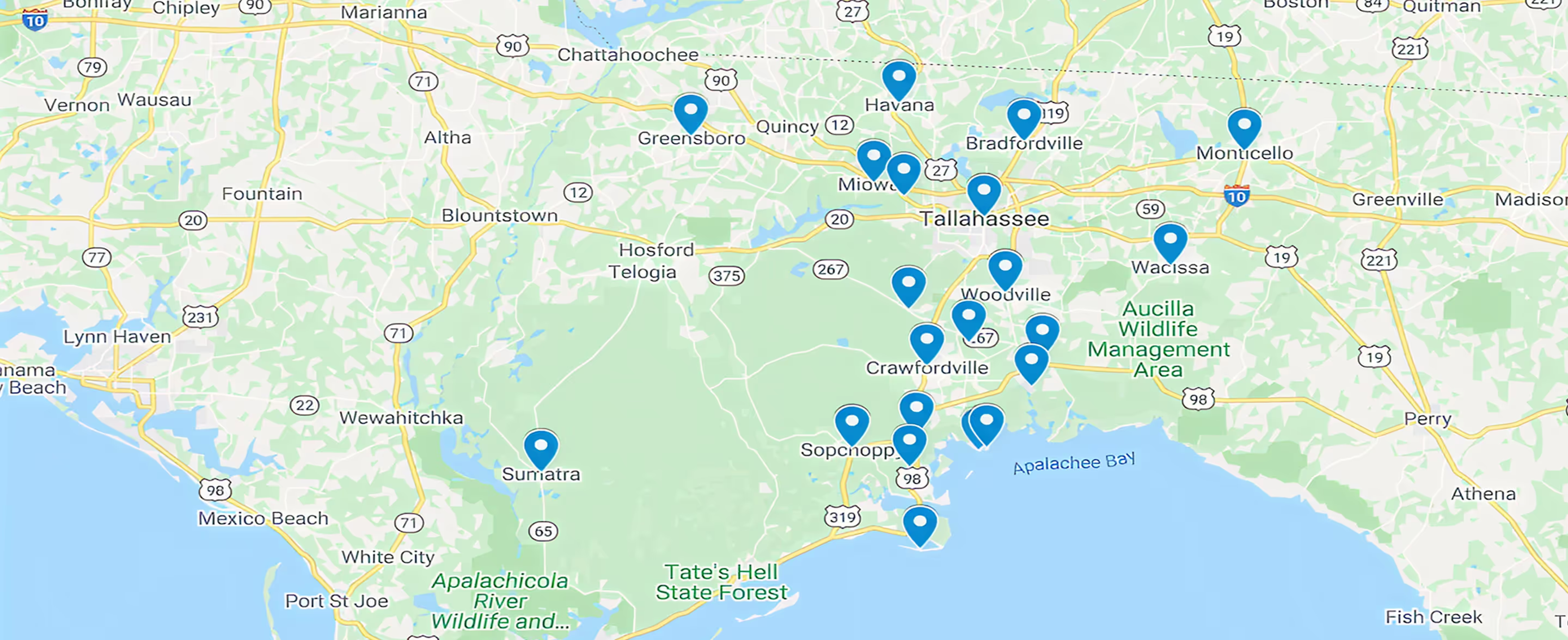
Service Areas