HVAC Service in Tallahassee, FL
HVAC Repair in Lake Stevens, WA: Restoring Your Home's Comfort
When your heating or cooling system falters in Lake Stevens, WA, it's more than just an inconvenience; it impacts your home's comfort and potentially your indoor air quality. A malfunctioning HVAC system can lead to uncomfortable temperatures, rising energy bills, and even safety concerns. Prompt, reliable repair is essential to quickly restore function and ensure your home remains a comfortable sanctuary, no matter the season outside.
Addressing HVAC issues swiftly with professional service helps prevent minor problems from escalating into costly breakdowns. Whether your air conditioner isn't cooling on a hot summer day or your furnace fails during a cold winter night, having experienced technicians available to diagnose and resolve the issue efficiently is crucial for maintaining your peace of mind and comfort.
HVAC Service in Tallahassee, FL
Keeping your home comfortable year‑round in Tallahassee means addressing heavy cooling loads, high humidity, and seasonal allergens. Professional HVAC service in Tallahassee, FL covers repair, installation, replacement, maintenance, and indoor air quality improvements designed for the region’s hot, humid summers and mild winters. This page explains common local problems, what a typical service visit includes, options for repairs and upgrades, expected response and turnaround, and practical maintenance guidance to protect comfort, efficiency, and air quality.
Why localized HVAC service matters in Tallahassee
Tallahassee homes face a combination of high cooling demand, humidity-driven condensation and mold risk, and frequent pollen in spring. That makes correct system sizing, reliable cooling performance, and humidity control essential. Older houses and legacy ductwork common in historic neighborhoods can further degrade system efficiency and indoor air quality. Tailoring HVAC solutions to these regional factors reduces breakdowns, prevents moisture-related damage, and improves year‑round comfort.
Common HVAC issues in Tallahassee homes
- Reduced cooling capacity or warm rooms during summer — often caused by refrigerant leaks, failing compressors, or undersized systems.
- Short cycling and frequent on/off behavior — typically due to thermostat issues, improper airflow, or electrical faults.
- High energy bills despite running normally — signs of poor efficiency from dirty coils, worn components, or aging equipment.
- Excess indoor humidity, condensation, and musty odors — a result of inadequate dehumidification, leaky ducts, or insufficient ventilation.
- Poor indoor air quality and allergy symptoms — from pollen, mold spores, dust, or low-quality filtration.
- Noisy operation or vibration — caused by failing motors, loose components, or unbalanced fans.
Types of HVAC services offered
- Repair: Diagnostics and component-level repairs for compressors, capacitors, motors, refrigerant systems, thermostats, and controls.
- Installation & Replacement: System selection, proper load calculations (Manual J), ductwork evaluation (Manual D), and professional installation for central AC, heat pumps, furnaces, and package units.
- Planned Maintenance: Seasonal tune-ups to clean coils, change filters, check refrigerant, lubricate moving parts, calibrate controls, and inspect safety systems.
- Indoor Air Quality (IAQ) Improvements: Upgrades like higher‑MERV filtration, HEPA options, UV germicidal lights, whole‑home dehumidifiers, ERV/HRV ventilation, and duct cleaning.
- Energy Upgrades: Installing variable‑speed equipment, smart thermostats, and zoning systems to improve comfort and reduce operating costs.
What to expect during diagnosis and service
- Initial assessment: Technicians start with a walk‑through to identify visible issues (airflow, vents, thermostat location, duct access).
- System checks: Measurement of refrigerant pressure, airflow tests, electrical diagnostics, and inspection of coils, condensate drains, and filters.
- Load/duct evaluation: For installations or comfort complaints, a proper load calculation and basic duct assessment determine sizing and airflow needs.
- Findings and options: Clear explanation of the problem, recommended repairs vs replacement, estimated lifespan of existing equipment, and efficiency tradeoffs.
- Repair or replacement plan: If repairs are chosen, technicians complete component fixes and test performance. For replacements, the process includes equipment selection, permitting considerations, removal of old equipment, and professional fit and startup.
Typical response times and service coverage
- Emergency cooling failures during heat spells are a top priority in Tallahassee; many providers aim for same‑day or next‑day emergency response when safety or health is at risk.
- Routine diagnostic visits and maintenance appointments are commonly scheduled within 24 to 72 hours depending on season and demand.
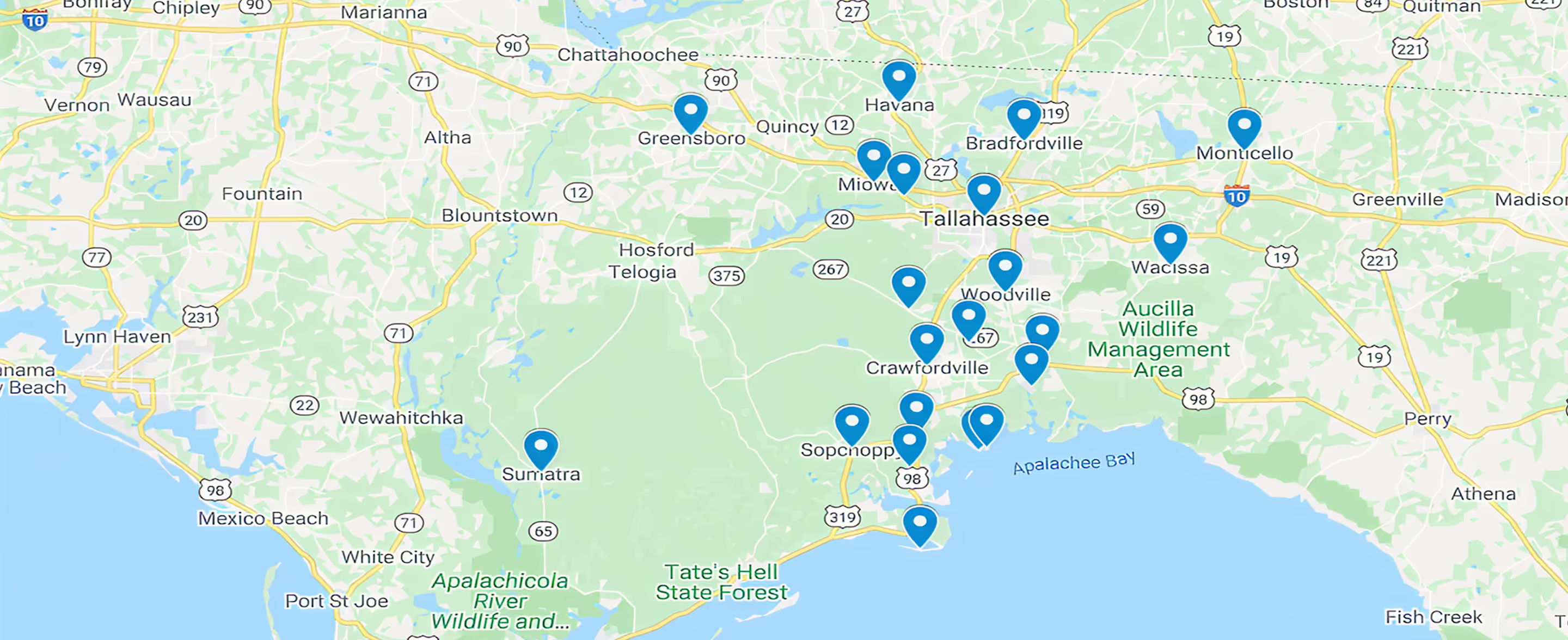
- Service coverage generally includes Tallahassee neighborhoods across Leon County and nearby communities; response windows can vary during peak summer months when cooling loads are highest.
Repair versus replacement: how to decide
Consider replacement when:
- The system is older than 10–15 years and facing frequent major repairs.
- Repair cost approaches 50% or more of a new system’s installed price.
- Efficiency is poor and you want long-term energy savings or improved humidity control.
- Comfort problems persist after ductwork or control troubleshooting.
Repairs make sense when:
- The issue is a single, inexpensive component failure (capacitor, contactor, sensor).
- The system has remaining useful life and has been regularly maintained.
- Immediate budget constraints make an interim repair preferable until planned replacement.
Indoor air quality solutions for Tallahassee
High humidity and seasonal pollen make IAQ a priority:
- Filtration upgrades: Moving to higher‑MERV filters or point‑of‑use HEPA units reduces pollen and particulate load.
- Dehumidification: Whole‑home dehumidifiers and proper AC sizing help control moisture and inhibit mold growth.
- Ventilation: Energy recovery ventilators (ERVs) exchange stale indoor air without heavy energy losses, improving indoor comfort and odor control.
- UV and antimicrobial treatments: UV lights in the air handler reduce microbial growth on coils and in drain pans.
Seasonal maintenance checklist
- Spring: Full system tune‑up before peak cooling, clean outdoor coils, check refrigerant levels, and replace filters.
- Summer: Monitor condensate drains and airflow, verify thermostat calibration, and address any comfort complaints quickly.
- Fall: Inspect ductwork for leaks, test heat mode if applicable, and clean or service heat pump components.
- Winter: Check backup heating elements and safety controls, even in mild Florida winters.
Financing, specials, and estimates — what to expect
Many homeowners prefer flexible payment options for larger projects. Typical offerings include financing plans, seasonal promotions, or deferred payment options through third‑party lenders. For installations, expect a written estimate that outlines equipment, efficiency ratings (SEER/HSPF), warranty details, and any recommended duct or electrical upgrades. For repairs, detailed service reports commonly list parts replaced, diagnostic findings, and next‑step recommendations.
Long‑term benefits of timely HVAC service
- Improved comfort and more consistent indoor temperatures across the home.
- Reduced energy bills through better efficiency and proper system sizing.
- Extended equipment life and fewer emergency breakdowns.
- Lower humidity levels, reduced mold risk, and better indoor air for allergy sufferers.
- Clear documentation of work and system history that supports future maintenance and resale value.
Regular, regionally informed HVAC service in Tallahassee, FL protects your home from heat, humidity, and airborne allergens while optimizing performance and efficiency. Following a structured maintenance schedule and addressing issues promptly provides the best balance between upfront costs and long‑term savings.
hear what our satisfied clients have to say
.avif)

I have nothing but great things to say about this company! From the initial call to trouble shoot our old system to the installation of the new system. Maya was awesome and patient with us and the bank. Stratton, Wilton, and Austin did the removal and install of the systems and they were professional and proficient. I will be recommending this company to everyone and anyone! Thank you for making this less stressful then it needed to be. I'm very grateful for the help and comfort they have given me and my family.
We’ve had issues with our a/c unit freezing up off and on for a month or so. Aden from Keith Key came out and checked our system out. He fixed an issue with the bypass valve and also tuned our fan. Additionally we also replaced our thermostats with new T10’s. He took his time and helped me connect all of them to the WiFi and the app.Aden is very friendly and knowledgeable. I haven’t had an issue with my system since. He was also willing to accept the assistance of our overly helpful shih tzu. Call Keith Key and Aden for any issues with hvac systems, they can get it fixed!
Tryston was amazing! So knowledgeable, pleasant and respectful. Keith Key H/A will forever have my family's business
We had a tenant with no heat during the recent 29 degree weather. I called Keith Key Heating and Air before office hours and left my infomation with their answering service. I got a call back from the office promptly at 8:00 a.m. They were able to schedule us for service the same day. The technician arrived at noon, diagnosed the issue and made the repair. The price was quite reasonable. Everyone that we dealt with was friendly, professional and knowledgeable. I would highly recommend them and will be using them again in the future. Thanks Keith Key Heating & Air!!
Heat wasn't working after the sleet storm and being without power for 18 hours. Keith Key sent Trystan the same day as my call. He did a great job (very personable) and got it repaired in no time. Many thanks!
Keith Key HVAC is wonderful! They service our HVAC and just helped me with a super stressful heating issue while I was out of state. They are very organized and professional, and take extra time to explain and follow up. I just love them!
We've called on Keith Key Heating and Air twice for help. Both times, they responded quickly, and were able to make repairs quickly. The techs we've dealt with have been friendly, reliable, professional and knowledgeable. And they don't dig in your pocket like some have been known to do. I honestly don't know what more we could ask for. A solid 10 of 10, and we highly recommend.
Had to replace my AC and Heating unit. Keith Key Heating and Air was very helpful in finding the right unit money wise for me. The young men they sent was courteous and knowledgeable. They made sure everything was up to my standards before they left. If you have trouble I would highly recommend them to you.
Keith Key regularly services both our personal home and one of our rental properties! They are good about communicating to us about the condition of the units at the rental property which is such a relief! We have had to call them for 2 emergencies and both times the techs appeared happy to be there helping us despite being on the weekend! 10/10 recommend.
Service Areas