HVAC Repair in Live Oak Island, FL
HVAC Repair in Lake Stevens, WA: Restoring Your Home's Comfort
When your heating or cooling system falters in Lake Stevens, WA, it's more than just an inconvenience; it impacts your home's comfort and potentially your indoor air quality. A malfunctioning HVAC system can lead to uncomfortable temperatures, rising energy bills, and even safety concerns. Prompt, reliable repair is essential to quickly restore function and ensure your home remains a comfortable sanctuary, no matter the season outside.
Addressing HVAC issues swiftly with professional service helps prevent minor problems from escalating into costly breakdowns. Whether your air conditioner isn't cooling on a hot summer day or your furnace fails during a cold winter night, having experienced technicians available to diagnose and resolve the issue efficiently is crucial for maintaining your peace of mind and comfort.
%2520(3)-min.jpeg)
HVAC Repair in Live Oak Island, FL
Keeping your HVAC system running reliably is essential in Live Oak Island homes, where hot, humid summers and salty coastal air increase cooling demand and accelerate wear. Professional HVAC repair in Live Oak Island, FL focuses on fast, accurate diagnostics, durable fixes for common faults, and clear information about parts, pricing, and warranties so you can make an informed decision about restoring comfort and indoor air quality.
Why timely HVAC repair matters in Live Oak Island
- High summer cooling loads increase stress on compressors and refrigerant circuits, making early diagnosis important to avoid costly failures.
- Coastal salt and humidity accelerate corrosion on condensers, electrical connections, and outdoor components.
- Storms and power surges during hurricane season can cause sudden electrical damage to controls and compressors.Addressing small problems early preserves efficiency, improves comfort, and reduces the risk of complete system breakdowns when you need cooling most.
Common HVAC problems in Live Oak Island homes
- Reduced cooling or uneven temperatures: often caused by refrigerant leaks, dirty coils, or failing compressors.
- Refrigerant leaks: signs include weak cooling, ice on the evaporator coil, or hissing noises from line sets.
- Compressor failures: humming or clicking sounds, frequent breaker trips, or no cooling at all.
- Electrical faults: tripped breakers, burned contacts, failed capacitors, or damaged control boards, frequently worsened by coastal corrosion.
- Blower motor issues: weak airflow, unusual noises, or intermittent operation caused by worn bearings, belts, or motor failure.
- Clogged drain lines and mold growth: high humidity promotes condensate backups and indoor air quality problems.
- Thermostat and control failures: inaccurate temperature readings or failed communication with the outdoor unit.
Diagnostic process for air conditioners, heat pumps, and furnaces
Professional HVAC repair begins with a systematic diagnostic designed to identify root causes, not just symptoms:
- Visual inspection: check outdoor unit condition, corrosion, debris, and visible wiring or refrigerant line damage.
- System history and symptom review: technician documents when the issue started, thermostat settings, and recent power events.
- Electrical checks: measure voltage, current, capacitor health, contactor operation, and control board signals.
- Refrigerant and pressure testing: measure system pressures and temperatures to detect leaks or undercharge conditions.
- Airflow and indoor checks: inspect air filters, blower function, duct leakage, and evaporator coil condition.
- Functional testing: run complete cooling/heating cycles to confirm performance and identify intermittent faults.Documentation of findings and a clear, written estimate for required repairs and recommended next steps are standard elements of a professional diagnostic.
Typical repairs and what they involve
- Refrigerant leak repair and recharge: locate and repair the leak, replace damaged sections, evacuate and recharge the correct refrigerant with proper pressures and oil, and perform leak testing.
- Compressor replacement: when compressors fail from electrical or mechanical damage, replacement requires careful selection of compatible components and recovery of refrigerant before removal.
- Electrical repairs: replace corroded contactors, capacitors, relays, and control board components; tighten connections and protect terminals against future corrosion.
- Blower motor or assembly replacement: restore proper airflow by replacing motors, belts, or blower wheels and balancing the system for quiet operation.
- Coil cleaning and condenser service: remove debris, clean coils to restore heat transfer, and check fan operation for efficient cooling.
- Short-term or temporary emergency fixes: in urgent situations technicians may provide temporary measures to restore basic cooling while a full repair plan is prepared.
Emergency and after-hours response
Live Oak Island homeowners often need rapid response during heat waves or after storms. Professional emergency HVAC repair services typically include:
- After-hours triage to assess safety risks such as electrical hazards or flooding.
- Priority dispatch for critical failures that threaten health or safety.
- Temporary measures to restore cooling quickly (fan-only modes, temporary bypasses, or safe shut-down procedures) followed by a documented plan for permanent repair.
- Clear documentation of emergency work and a follow-up estimate for permanent parts and labor.
Transparent pricing, parts choices, and documentation
Expect transparency throughout the repair process:
- Written diagnostic summaries and itemized estimates that separate parts, labor, and any permit or disposal fees.
- Clear explanation of options: repair versus replacement, OEM versus aftermarket parts, and the long-term cost and efficiency implications of each choice.
- Parts information that identifies manufacturer warranties, serial numbers, and expected service life.
- Upfront explanation of any diagnostic fees, how they apply to the repair price, and the payment and warranty terms tied to specific parts or labor.
Technician qualifications and warranty coverage
Professional HVAC technicians servicing Live Oak Island should meet industry standards:
- Refrigerant handling certification (EPA Section 608) for safe refrigerant recovery and recharge.
- Recognized competency credentials such as NATE certification or manufacturer-specific training for complex systems.
- Ongoing training in new refrigerant types, heat pump controls, and diagnostic equipment.
- Safety-conscious practices including lockout-tagout, electrical testing, and corrosion mitigation for coastal installations.Warranty coverage typically includes:
- Manufacturer parts warranties that vary by component and brand.
- Labor warranties on repairs for a defined period after completion, often documented in the repair agreement.
- Clear transferability and conditions for warranty validity, including regular maintenance requirements.
How professional service scheduling and completion typically works
- Initial request and symptom collection: homeowners describe symptoms and system age so the technician can prepare parts and diagnostic tools.
- Pre-visit guidance: advise on ensuring safe access to equipment, turning off pets, and noting recent power events.
- On-site diagnostic and written estimate: after inspection, a clear repair plan is provided outlining parts, labor, expected timeline, and warranty details.
- Authorization and repair: once the chosen option is authorized, technicians perform repairs, replace parts, and keep you informed if additional issues arise.
- System testing and documentation: technicians verify proper operation across cycles, check electrical safety, and leave documentation of the work performed, parts installed, and warranty coverage.
- Follow-up recommendations: guidance on preventive maintenance intervals, air filter types, and steps to reduce corrosion risk in coastal environments.
Preventive maintenance tips for Live Oak Island homes
- Schedule seasonal tune-ups before peak cooling season to identify wear and maintain efficiency.
- Keep condenser units clear of vegetation and rinse salt buildup periodically to minimize corrosion.
- Replace filters regularly and inspect condensate drains to avoid backups and mold.
- Consider a corrosion-resistant coating or elevated pad for outdoor units in low-lying or very salty locations.Timely maintenance reduces breakdown risk, extends equipment life, and preserves efficiency in Live Oak Island climates.
Professional HVAC repair in Live Oak Island, FL focuses on accurate diagnostics, durable repairs tailored to coastal conditions, transparent estimates, and documented warranty coverage so homeowners can restore comfort with confidence.
hear what our satisfied clients have to say
.avif)

I have nothing but great things to say about this company! From the initial call to trouble shoot our old system to the installation of the new system. Maya was awesome and patient with us and the bank. Stratton, Wilton, and Austin did the removal and install of the systems and they were professional and proficient. I will be recommending this company to everyone and anyone! Thank you for making this less stressful then it needed to be. I'm very grateful for the help and comfort they have given me and my family.
We’ve had issues with our a/c unit freezing up off and on for a month or so. Aden from Keith Key came out and checked our system out. He fixed an issue with the bypass valve and also tuned our fan. Additionally we also replaced our thermostats with new T10’s. He took his time and helped me connect all of them to the WiFi and the app.Aden is very friendly and knowledgeable. I haven’t had an issue with my system since. He was also willing to accept the assistance of our overly helpful shih tzu. Call Keith Key and Aden for any issues with hvac systems, they can get it fixed!
Tryston was amazing! So knowledgeable, pleasant and respectful. Keith Key H/A will forever have my family's business
We had a tenant with no heat during the recent 29 degree weather. I called Keith Key Heating and Air before office hours and left my infomation with their answering service. I got a call back from the office promptly at 8:00 a.m. They were able to schedule us for service the same day. The technician arrived at noon, diagnosed the issue and made the repair. The price was quite reasonable. Everyone that we dealt with was friendly, professional and knowledgeable. I would highly recommend them and will be using them again in the future. Thanks Keith Key Heating & Air!!
Heat wasn't working after the sleet storm and being without power for 18 hours. Keith Key sent Trystan the same day as my call. He did a great job (very personable) and got it repaired in no time. Many thanks!
Keith Key HVAC is wonderful! They service our HVAC and just helped me with a super stressful heating issue while I was out of state. They are very organized and professional, and take extra time to explain and follow up. I just love them!
We've called on Keith Key Heating and Air twice for help. Both times, they responded quickly, and were able to make repairs quickly. The techs we've dealt with have been friendly, reliable, professional and knowledgeable. And they don't dig in your pocket like some have been known to do. I honestly don't know what more we could ask for. A solid 10 of 10, and we highly recommend.
Had to replace my AC and Heating unit. Keith Key Heating and Air was very helpful in finding the right unit money wise for me. The young men they sent was courteous and knowledgeable. They made sure everything was up to my standards before they left. If you have trouble I would highly recommend them to you.
Keith Key regularly services both our personal home and one of our rental properties! They are good about communicating to us about the condition of the units at the rental property which is such a relief! We have had to call them for 2 emergencies and both times the techs appeared happy to be there helping us despite being on the weekend! 10/10 recommend.
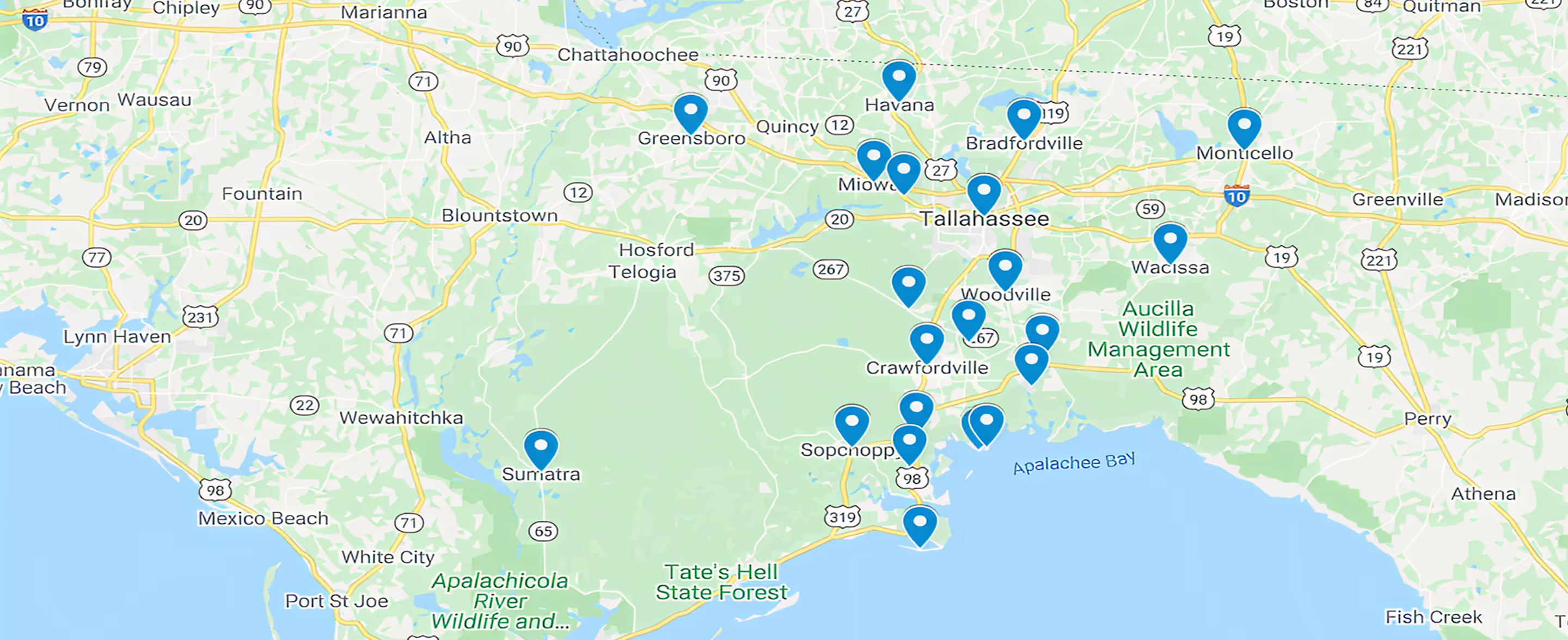
Service Areas