Heating Replacement in Havana, FL
Expert Heating System Replacement in Havana, FL
Replacing an aging heating system is crucial for maintaining home comfort and efficiency in Havana, FL. Key indicators for replacement include system age (15-20 years), frequent repairs, rising energy bills, uneven heating, and strange noises. Choosing the right system involves professional sizing and assessment, considering options like energy-efficient heat pumps and reliable electric furnaces. Understanding efficiency ratings like HSPF and SEER helps in selecting the best unit. Upgrading offers improved comfort, lower energy bills, better indoor air quality, quieter operation, and enhanced reliability. Professional installation ensures maximum performance and longevity.
Expert Heating System Replacement in Havana, FL
A dependable heating system is essential for maintaining comfort in your Havana home, especially during the colder months. While routine repairs can extend the life of a unit, there comes a point when replacement is the most practical and financially sound decision. An aging, inefficient heater not only struggles to provide consistent warmth but can also lead to escalating energy bills and frequent, costly breakdowns. Investing in a modern heating system is an investment in your home’s comfort, efficiency, and long-term value.
Signs It's Time to Consider a Heating Replacement
Deciding to replace your heating system is a significant step. How do you know if a repair will suffice or if a full replacement is necessary? Several key indicators suggest your system is nearing the end of its operational life.
System Age:
Most furnaces and heat pumps have a lifespan of 15-20 years. If your unit is within or beyond this age range, it is operating on borrowed time. Older systems lack the efficiency and performance features of modern equipment, and replacement parts can become scarce and expensive.
Increasingly Frequent Repairs:
A heater that requires one or two repairs is common. However, if you find yourself scheduling service calls multiple times a year, the accumulated repair costs can quickly approach the price of a new unit. Constant breakdowns signal systemic failure, where replacing one part only leads to another component failing soon after.
Rising Energy Bills:
Have your winter utility bills been climbing steadily without a change in your usage habits? As heating systems age, they lose efficiency. They have to run longer and work harder to produce the same amount of heat, leading to a direct increase in your energy consumption and costs.
Uneven Heating and Comfort Issues:
If some rooms in your home are comfortably warm while others remain cold, your heating system may no longer be able to distribute air effectively. This can be due to a decline in blower motor performance or other age-related issues that a simple repair cannot fix.
Strange Noises:
While all heating systems make some noise, you should pay attention to new or unusual sounds. Banging, rattling, squealing, or grinding can indicate serious mechanical problems, such as a cracked heat exchanger or a failing motor, that could make continued operation unsafe or impractical.
Choosing the Right High-Efficiency Heating System
Selecting a new heating system is about more than just picking a brand. It involves a detailed evaluation of your home's specific needs to ensure optimal performance, comfort, and energy savings. A one-size-fits-all approach does not work; a system that is too large or too small for your space will operate inefficiently and fail prematurely.
Professional Sizing and Assessment:
The most critical step in any replacement project is a professional load calculation. This detailed analysis considers factors like your home's square footage, layout, insulation levels, window quality, and local Havana climate data. The result is a precise determination of the heating capacity your home requires. An oversized unit will cycle on and off too frequently, causing unnecessary wear and failing to dehumidify properly. An undersized unit will run constantly, struggling to reach the set temperature and driving up energy costs.
Types of Heating Systems:
- Heat Pumps: An excellent all-in-one solution for Florida’s climate, heat pumps provide both heating and cooling. In the winter, they work by extracting heat from the outside air and transferring it inside. They are incredibly energy-efficient, often moving several units of heat for every unit of electricity consumed.
- Electric Furnaces: Known for their durability and reliability, electric furnaces use electric heating elements to warm the air. They are a robust and effective heating solution, especially when paired with a central air conditioning system for year-round comfort.
Understanding Efficiency Ratings:
- HSPF (Heating Seasonal Performance Factor): This rating applies to heat pumps and measures their heating efficiency. A higher HSPF rating indicates a more efficient unit and greater potential for energy savings.
- SEER (Seasonal Energy Efficiency Ratio): While primarily a cooling rating, the SEER rating of a heat pump is also important as it reflects its overall annual efficiency.
We proudly work with leading brands in the industry, including Amana®. Amana systems are renowned for their exceptional engineering, durable construction, and innovative technology, offering homeowners reliable performance and impressive warranties.
The Benefits of Upgrading Your Heating System
Replacing an old, inefficient heater with a modern, high-efficiency model delivers a wide range of tangible benefits that you will notice immediately.
Improved Home Comfort:
A new, properly sized system provides consistent, even heating throughout your entire home, eliminating cold spots and drafts. Advanced blower motors can also offer better humidity control for a more comfortable indoor environment.
Lower Energy Bills:
The primary advantage of a new system is its superior energy efficiency. A modern heat pump or furnace uses significantly less electricity to produce the same amount of heat as an older model, resulting in substantial savings on your monthly utility bills.
Enhanced Indoor Air Quality:
Many new heating systems come with advanced filtration options that are more effective at capturing dust, pollen, pet dander, and other airborne contaminants. This leads to cleaner, healthier air for your family to breathe.
Quiet Operation:
Modern HVAC technology incorporates sound-dampening materials and variable-speed components that allow new systems to operate at much lower noise levels than their predecessors.
Reliability and Peace of Mind:
A new heating system provides dependable performance you can count on, season after season. It eliminates the stress and uncertainty of wondering whether your old heater will make it through the next cold spell.
The Professional Installation Timeline
A successful heating replacement hinges on a meticulous and professional installation process. Our technicians follow a systematic approach to ensure your new system is installed correctly for maximum performance and longevity. The process typically involves a pre-installation assessment, followed by the installation day itself. On the day of service, our team will carefully remove and dispose of your old unit and all related components. The new indoor and outdoor units are then expertly positioned and secured. Technicians will make all necessary electrical, ductwork, and refrigerant line connections with precision. Once installed, the system undergoes a commissioning process where it is tested, calibrated, and fine-tuned to ensure it operates according to manufacturer specifications and provides balanced airflow to every room. We take care to leave your home as clean as we found it, ensuring a seamless and professional experience from start to finish.
hear what our satisfied clients have to say
.avif)

I have nothing but great things to say about this company! From the initial call to trouble shoot our old system to the installation of the new system. Maya was awesome and patient with us and the bank. Stratton, Wilton, and Austin did the removal and install of the systems and they were professional and proficient. I will be recommending this company to everyone and anyone! Thank you for making this less stressful then it needed to be. I'm very grateful for the help and comfort they have given me and my family.
We’ve had issues with our a/c unit freezing up off and on for a month or so. Aden from Keith Key came out and checked our system out. He fixed an issue with the bypass valve and also tuned our fan. Additionally we also replaced our thermostats with new T10’s. He took his time and helped me connect all of them to the WiFi and the app.Aden is very friendly and knowledgeable. I haven’t had an issue with my system since. He was also willing to accept the assistance of our overly helpful shih tzu. Call Keith Key and Aden for any issues with hvac systems, they can get it fixed!
Tryston was amazing! So knowledgeable, pleasant and respectful. Keith Key H/A will forever have my family's business
We had a tenant with no heat during the recent 29 degree weather. I called Keith Key Heating and Air before office hours and left my infomation with their answering service. I got a call back from the office promptly at 8:00 a.m. They were able to schedule us for service the same day. The technician arrived at noon, diagnosed the issue and made the repair. The price was quite reasonable. Everyone that we dealt with was friendly, professional and knowledgeable. I would highly recommend them and will be using them again in the future. Thanks Keith Key Heating & Air!!
Heat wasn't working after the sleet storm and being without power for 18 hours. Keith Key sent Trystan the same day as my call. He did a great job (very personable) and got it repaired in no time. Many thanks!
Keith Key HVAC is wonderful! They service our HVAC and just helped me with a super stressful heating issue while I was out of state. They are very organized and professional, and take extra time to explain and follow up. I just love them!
We've called on Keith Key Heating and Air twice for help. Both times, they responded quickly, and were able to make repairs quickly. The techs we've dealt with have been friendly, reliable, professional and knowledgeable. And they don't dig in your pocket like some have been known to do. I honestly don't know what more we could ask for. A solid 10 of 10, and we highly recommend.
Had to replace my AC and Heating unit. Keith Key Heating and Air was very helpful in finding the right unit money wise for me. The young men they sent was courteous and knowledgeable. They made sure everything was up to my standards before they left. If you have trouble I would highly recommend them to you.
Keith Key regularly services both our personal home and one of our rental properties! They are good about communicating to us about the condition of the units at the rental property which is such a relief! We have had to call them for 2 emergencies and both times the techs appeared happy to be there helping us despite being on the weekend! 10/10 recommend.
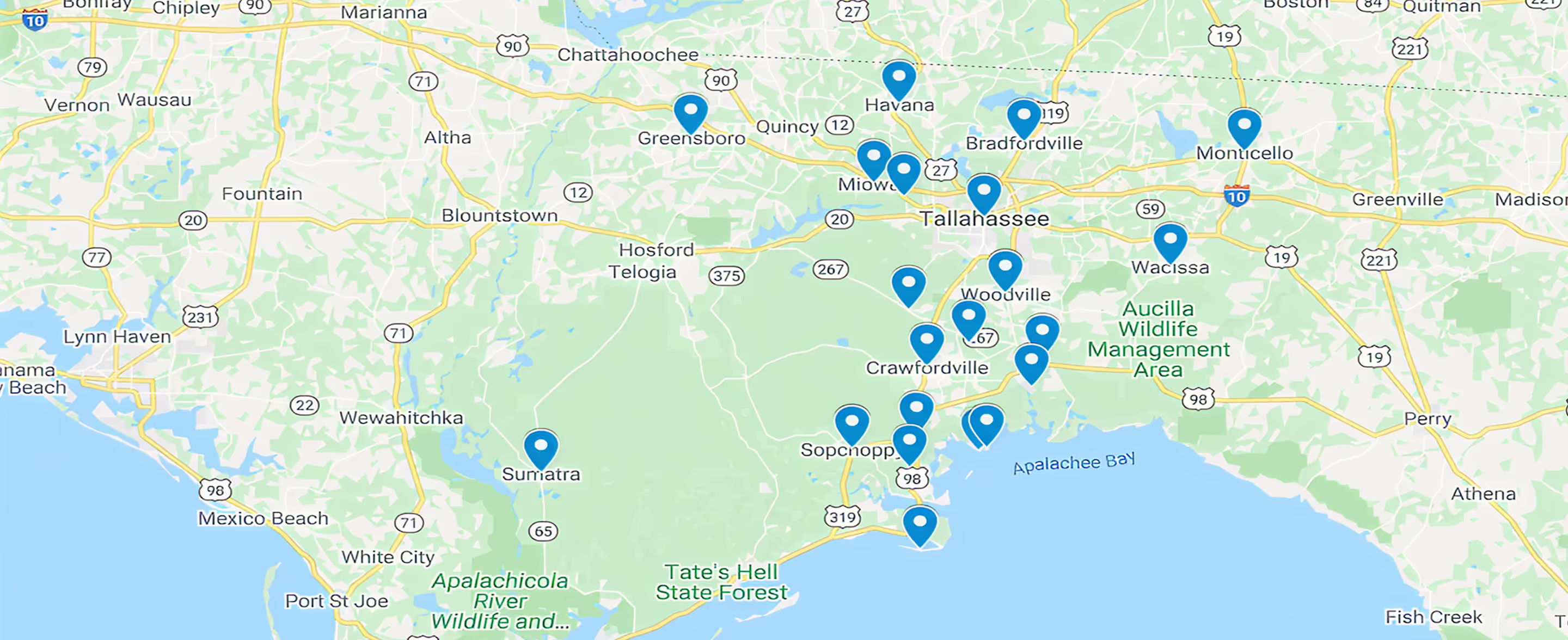
Service Areas