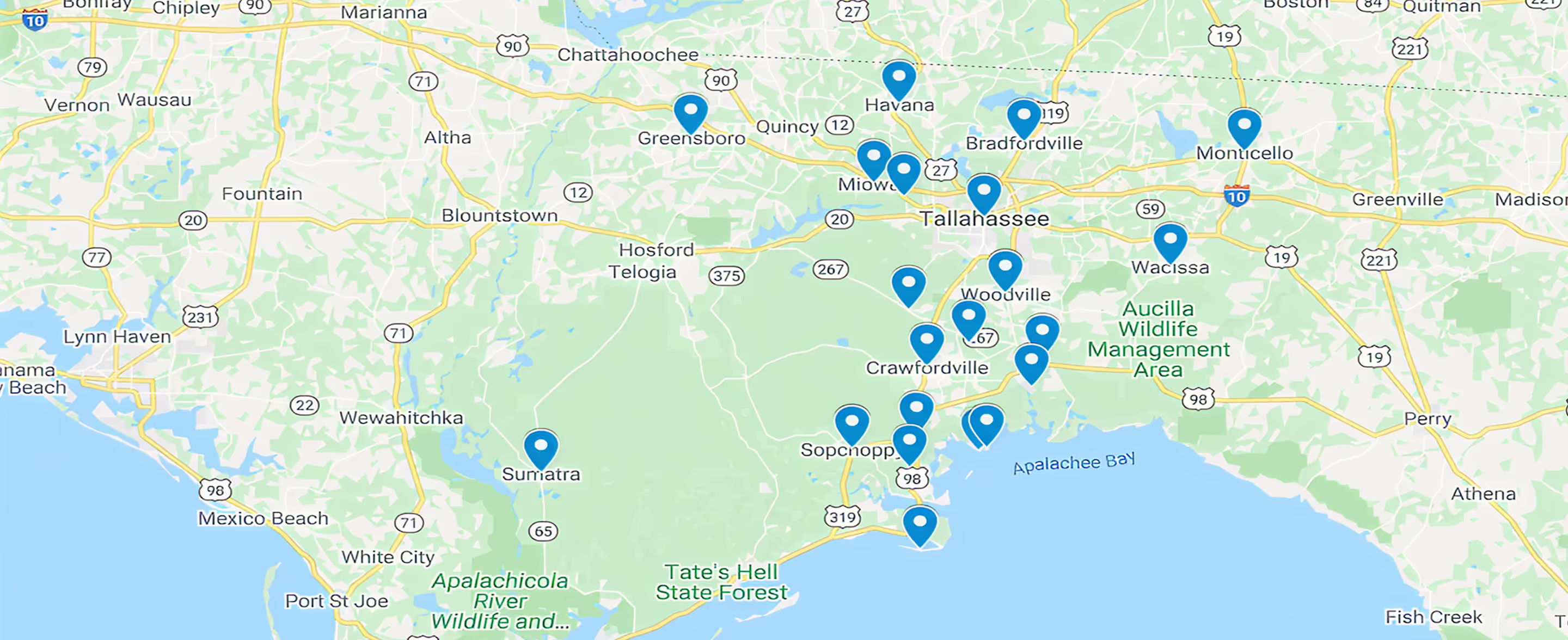
AC Replacement in Wacissa, FL

Wacissa AC Replacement Services
In Wacissa, a reliable air conditioning system is essential for comfort during the hot and humid summers. When your current AC unit is aging or inefficient, replacing it is a practical investment that promises enhanced comfort, lower energy costs, and better indoor air quality. This guide outlines the common signs that indicate it's time for a replacement, such as the system's age, frequent costly repairs, rising energy bills, inconsistent cooling, and issues with humidity or strange noises. We detail our comprehensive AC replacement process, from initial consultation and load calculation to professional installation and system testing, ensuring your new system is perfectly sized and optimally installed. Learn about key considerations like proper sizing and SEER ratings for maximizing performance and efficiency. Upgrading your AC in Wacissa offers superior comfort, significant energy savings, improved indoor air quality, peace of mind, and increased property value.
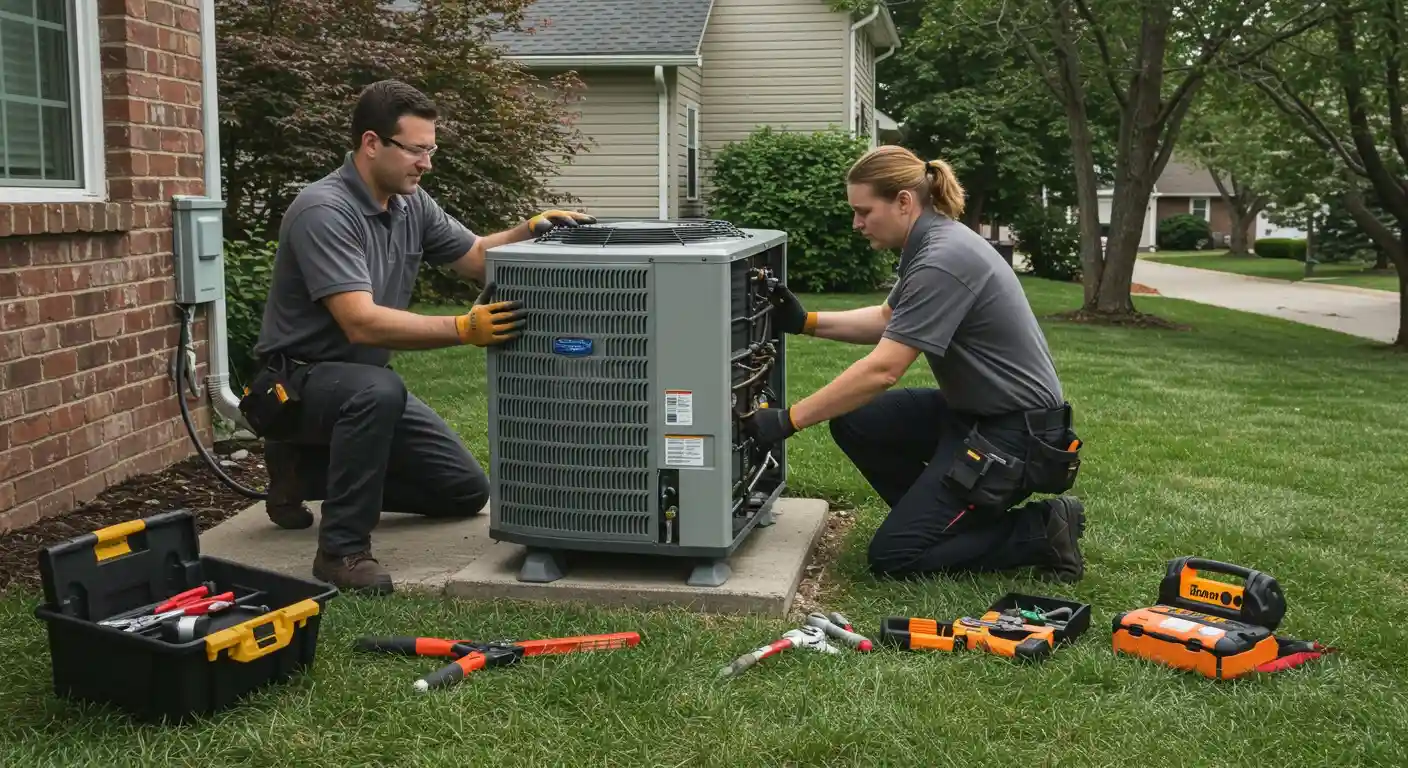
Professional AC Replacement Services in Wacissa, FL
In Wacissa, where the summer heat and humidity are a defining part of life, a reliable and efficient air conditioning system isn’t a luxury—it’s an absolute necessity. When your aging AC unit can no longer keep up with the demands of a Florida summer, a replacement becomes the most practical and beneficial decision for your home, comfort, and budget. An AC replacement is a significant investment in your property, one that promises improved comfort, lower energy costs, and enhanced indoor air quality for years to come. Opting for a professional replacement ensures your new system is selected, sized, and installed with the precision required to deliver peak performance and long-term reliability.
Is It Time to Replace Your Air Conditioner?
It can be difficult to decide whether to repair an ailing air conditioner one more time or to invest in a new one. While routine maintenance and timely repairs can extend the life of your unit, there comes a point where replacement is the more sensible and cost-effective path forward. Watch for these common indicators that your system is nearing the end of its operational life:
Your System’s Age:
The average lifespan of a central air conditioner is about 10-15 years. If your unit is in this age range or older, it likely operates on outdated technology, uses more energy, and is more prone to breakdowns.
Frequent and Costly Repairs:
Are you constantly scheduling service calls? If a repair estimate approaches 50% of the cost of a new unit, replacement is almost always the smarter financial choice. Pouring money into an old system yields diminishing returns.
Rising Energy Bills:
An unexpected spike in your summer electricity bills is a classic sign of a failing AC. As components wear out, the system must work harder and run longer to achieve the same level of cooling, leading to a direct increase in energy consumption.
Inconsistent Cooling and Poor Performance:
If you notice hot spots in certain rooms, or if the system struggles to reach and maintain the temperature set on your thermostat, it’s a clear signal that it no longer has the capacity to cool your home effectively.
Excessive Humidity:
A key function of your air conditioner is to remove humidity from the indoor air. If your home feels persistently damp or sticky even when the AC is running, the system is failing at this crucial task.
Strange Noises or Odors:
Loud grinding, squealing, or rattling sounds indicate serious mechanical problems. Likewise, persistent musty smells from your vents suggest potential mold or mildew growth within the unit or ductwork that a new system can help resolve.
Use of R-22 Refrigerant:
If your system was manufactured before 2010, it likely uses R-22 refrigerant, which has been phased out due to its environmental impact. The cost of this refrigerant is now extremely high, making even a minor leak repair prohibitively expensive.
Our Comprehensive AC Replacement Process
A successful AC replacement is more than just swapping out an old box for a new one. It’s a meticulous process designed to match your home with the perfect cooling solution. We ensure every step is handled with technical expertise and attention to detail.
1. In-Home Consultation and Load Calculation:
Our process begins with a thorough assessment of your home. We don’t just look at your old unit; we evaluate your insulation, windows, home orientation, and existing ductwork. We then perform a professional load calculation (Manual J) to determine the exact cooling capacity your home requires. This critical step prevents the common problems of undersized or oversized units.
2. System Selection and Guidance:
Based on the load calculation, your budget, and your efficiency goals, we guide you through selecting the ideal air conditioner. We explain the benefits of different options, including high-efficiency models from trusted brands like Amana®, helping you make an informed decision that aligns with your priorities.
3. Professional and Clean Installation:
On installation day, our technicians work diligently and respectfully in your home. We begin by carefully removing the old indoor and outdoor units and properly disposing of them. We then prepare the site, ensuring the new equipment has a solid, level foundation. The new system is expertly installed, with precise connections to the electrical, refrigerant, and condensate lines.
4. System Commissioning and Testing:
Once installed, we don’t just turn the system on and leave. We perform a comprehensive commissioning process. This involves checking refrigerant pressure, testing airflow, calibrating the thermostat, and verifying that every component is operating according to the manufacturer’s exact specifications. This guarantees your system runs at peak efficiency from day one.
5. Homeowner Walkthrough:
Before we consider the job complete, we walk you through your new system. We’ll show you how to operate the thermostat, explain any new features, and provide essential maintenance tips, like how and when to change the air filter.
Key Considerations for Your New AC System
Choosing the right air conditioner involves understanding a few key factors that impact performance, efficiency, and long-term satisfaction.
Proper Sizing is Crucial:
An improperly sized AC unit is the source of many comfort and efficiency problems. A unit that is too large will cool the space too quickly and shut off, a process known as "short-cycling." This leads to poor humidity removal, unnecessary wear and tear, and wasted energy. A unit that is too small will run constantly, failing to ever cool your home adequately on the hottest Wacissa days.
Understanding SEER Ratings:
The Seasonal Energy Efficiency Ratio (SEER) measures how much cooling a system produces for each unit of electricity it consumes. The higher the SEER rating, the more energy-efficient the unit is. While federal regulations mandate a minimum SEER rating, investing in a higher-SEER model can lead to significant savings on your utility bills over the life of the system.
The Benefits of Upgrading Your AC in Wacissa
A new air conditioning system is one of the most impactful upgrades you can make for your home. The advantages go far beyond simply having cool air.
- Superior Comfort: Enjoy consistent, even temperatures throughout your home and superior humidity control for a healthier and more comfortable indoor environment.
- Significant Energy Savings: Modern, high-efficiency systems use far less electricity than their older counterparts, translating directly into lower monthly energy bills.
- Improved Indoor Air Quality: New systems provide better air filtration and can be paired with advanced air purifiers and humidifiers to reduce dust, allergens, and other airborne contaminants.
- Peace of Mind: Gain confidence and reliability with a new system under warranty, eliminating the constant worry of an unexpected breakdown during a summer heatwave.
- Increased Property Value: A new, efficient HVAC system is a major asset and an attractive feature for potential home buyers.
hear what our satisfied clients have to say
.avif)

I have nothing but great things to say about this company! From the initial call to trouble shoot our old system to the installation of the new system. Maya was awesome and patient with us and the bank. Stratton, Wilton, and Austin did the removal and install of the systems and they were professional and proficient. I will be recommending this company to everyone and anyone! Thank you for making this less stressful then it needed to be. I'm very grateful for the help and comfort they have given me and my family.
We’ve had issues with our a/c unit freezing up off and on for a month or so. Aden from Keith Key came out and checked our system out. He fixed an issue with the bypass valve and also tuned our fan. Additionally we also replaced our thermostats with new T10’s. He took his time and helped me connect all of them to the WiFi and the app.Aden is very friendly and knowledgeable. I haven’t had an issue with my system since. He was also willing to accept the assistance of our overly helpful shih tzu. Call Keith Key and Aden for any issues with hvac systems, they can get it fixed!
Tryston was amazing! So knowledgeable, pleasant and respectful. Keith Key H/A will forever have my family's business
We had a tenant with no heat during the recent 29 degree weather. I called Keith Key Heating and Air before office hours and left my infomation with their answering service. I got a call back from the office promptly at 8:00 a.m. They were able to schedule us for service the same day. The technician arrived at noon, diagnosed the issue and made the repair. The price was quite reasonable. Everyone that we dealt with was friendly, professional and knowledgeable. I would highly recommend them and will be using them again in the future. Thanks Keith Key Heating & Air!!
Heat wasn't working after the sleet storm and being without power for 18 hours. Keith Key sent Trystan the same day as my call. He did a great job (very personable) and got it repaired in no time. Many thanks!
Keith Key HVAC is wonderful! They service our HVAC and just helped me with a super stressful heating issue while I was out of state. They are very organized and professional, and take extra time to explain and follow up. I just love them!
We've called on Keith Key Heating and Air twice for help. Both times, they responded quickly, and were able to make repairs quickly. The techs we've dealt with have been friendly, reliable, professional and knowledgeable. And they don't dig in your pocket like some have been known to do. I honestly don't know what more we could ask for. A solid 10 of 10, and we highly recommend.
Had to replace my AC and Heating unit. Keith Key Heating and Air was very helpful in finding the right unit money wise for me. The young men they sent was courteous and knowledgeable. They made sure everything was up to my standards before they left. If you have trouble I would highly recommend them to you.
Keith Key regularly services both our personal home and one of our rental properties! They are good about communicating to us about the condition of the units at the rental property which is such a relief! We have had to call them for 2 emergencies and both times the techs appeared happy to be there helping us despite being on the weekend! 10/10 recommend.
Service Areas